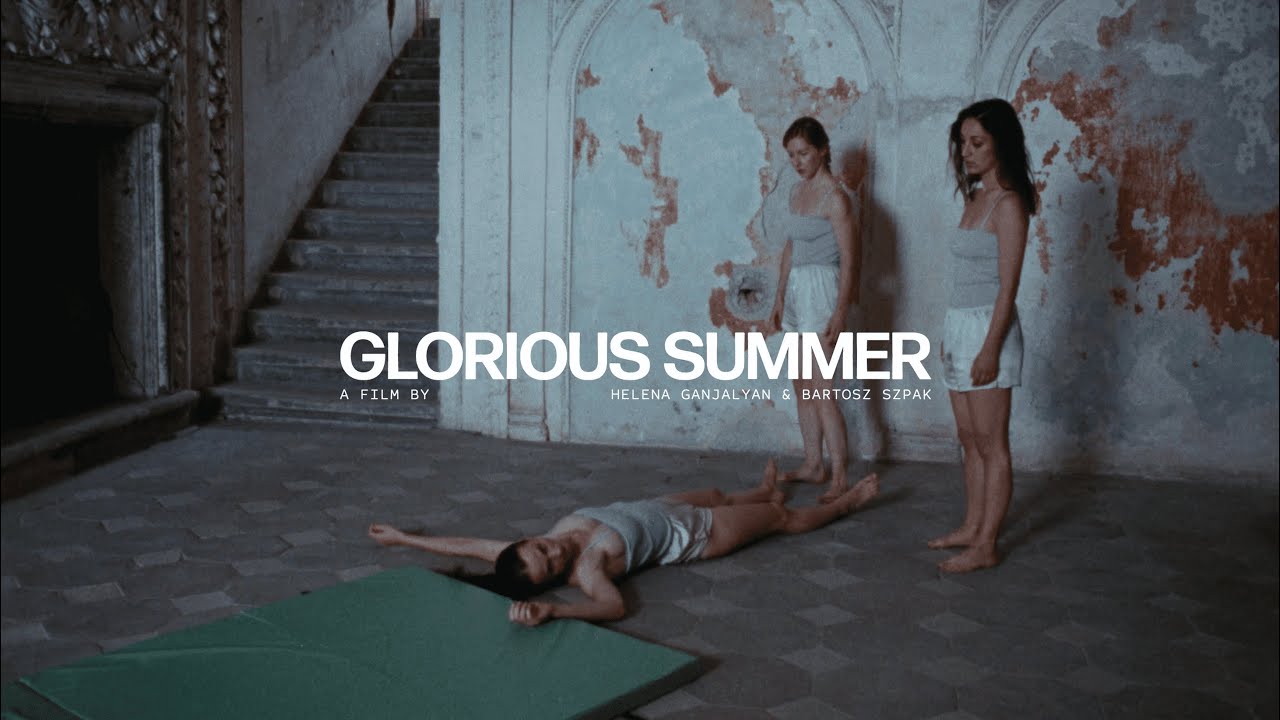
There’s something quietly intriguing about Glorious Summer, the upcoming drama-mystery set to arrive on February 20, 2026. Even before its official release, the film is already generating the kind of conversation that suggests director Bartosz Szpak has crafted something genuinely distinctive—the sort of project that doesn’t announce itself with spectacle, but rather settles into your consciousness through its peculiar vision and thematic ambition.
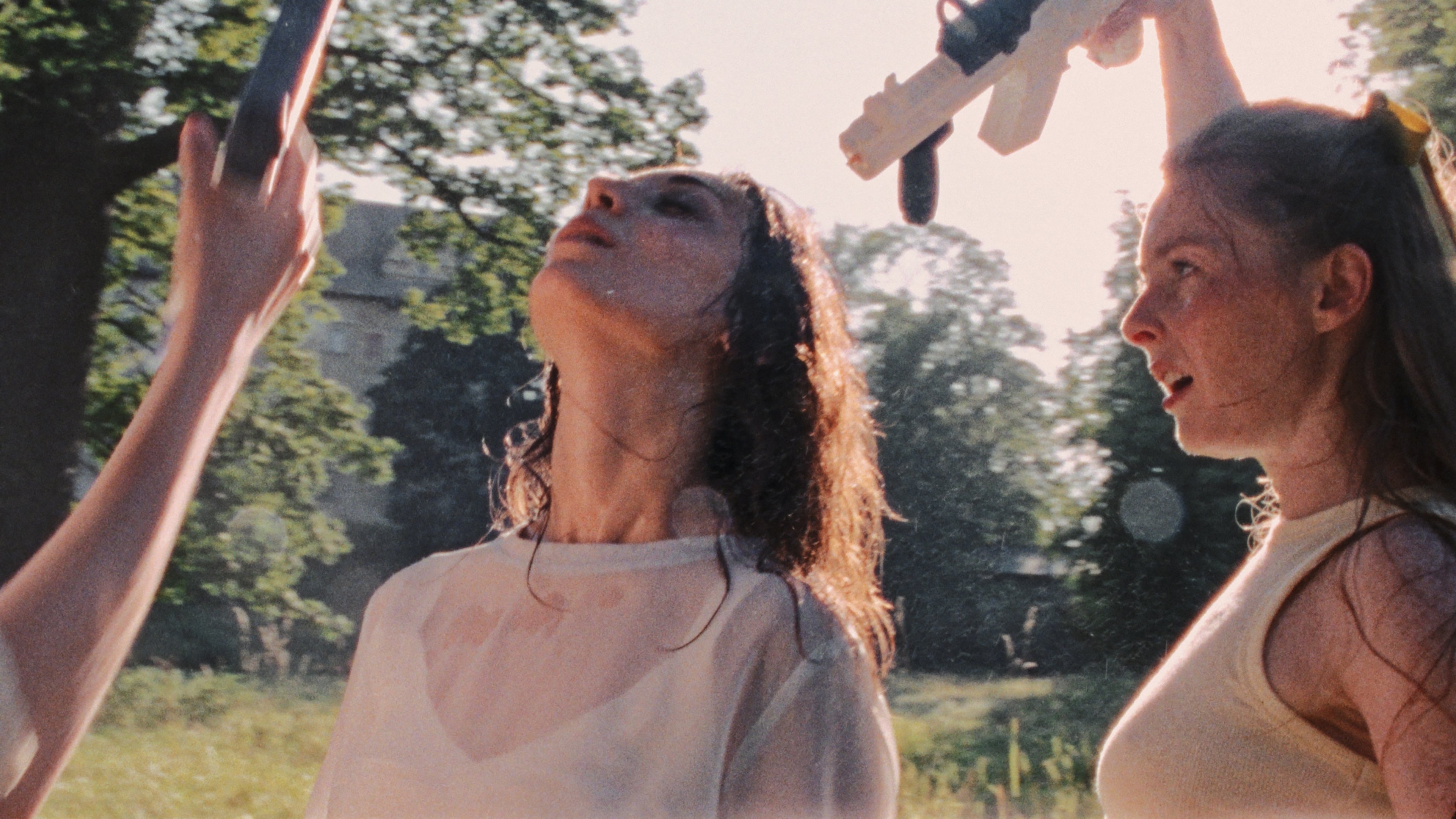
What makes this film particularly fascinating is its conceptual foundation. Early descriptions paint Glorious Summer as a sun-soaked allegory brimming with underlying dread, exploring a curiously cloistered culture as its customs begin to unravel under scrutiny. That’s the kind of premise that immediately signals serious artistic intent—this isn’t designed to be comfortable viewing, but rather a meditation on ignorance, isolation, and the unsettling moment when certainty crumbles. In a cinematic landscape increasingly dominated by sequels and franchise extensions, that commitment to something genuinely original feels almost radical.
Szpak’s directorial approach appears to be the driving force here. There’s a deliberate aesthetic choice embedded in the film’s DNA—the contrast between visual luminosity and thematic darkness creates an inherent tension that promises to be visually striking. The director seems interested in exploring how beauty and horror can coexist, how a literal glorious summer can simultaneously mask something sinister. That’s sophisticated filmmaking, the kind that respects its audience’s intelligence.
The ensemble cast brings considerable weight to this vision:
- Magdalena Fejdasz anchors the narrative with her presence, carrying much of the emotional burden that a mystery-drama of this caliber demands
- Helena Ganjalyan and Daniela Komędera round out a deliberately intimate cast, suggesting Szpak favors character depth over sprawling ensemble dynamics
- This smaller scale allows for focused, nuanced performances rather than diluted attention across numerous threads
The decision to work with Rozbrat Films, keeping the production within what appears to be an independent or smaller studio framework, tells us something important about the creative priorities here. This isn’t a project designed by committee or shaped by studio notes about commercial viability. It’s lean, focused, and specifically 1 hour and 28 minutes—precisely as long as it needs to be, no padding, no compromise.
The film operates as a “sun-soaked allegory filled with dread in which the customs of a curiously cloistered culture begin to be questioned.” That description alone suggests a work of genuine thematic complexity.
What’s particularly striking is how Glorious Summer is positioned within the broader 2026 cinema calendar. Awards season conversations are already underway—the Golden Globes have kicked off Hollywood’s formal recognition cycle, and there’s clear anticipation building around several projects vying for attention. Yet this film seems to occupy its own space, neither chasing blockbuster appeal nor desperately positioning itself for accolades. It exists on its own terms, which is increasingly rare.
The zero-vote rating on various platforms might initially seem concerning, but it’s actually perfectly natural for a film that hasn’t yet released. There’s no pre-release scoring inflation or early critical consensus to distort expectations. When audiences finally experience it on February 20th, they’ll come to it fresh, without predetermined opinions or manufactured hype. That’s a gift in our hyperconnected media environment.
What conversations might this film spark once it reaches audiences? Consider the thematic territory:
- Cultural insularity and the cost of enforced ignorance—how societies maintain control through limited information
- The tension between individual awakening and collective stability—what happens when one person begins to question established norms
- The unreliability of external beauty as a marker of internal health—that glorious summer as false paradise
- Class, hierarchy, and the mechanisms of social control—suggested by the “curiously cloistered culture” concept
These aren’t trendy topics that will feel dated in six months. They’re enduring questions about power, knowledge, and human nature that resonate across generations and cultures.
Szpak’s creative vision appears to prioritize atmosphere and implication over exposition and explanation. The mystery element isn’t just a plot device—it’s a structural commitment to keeping viewers slightly off-balance, mirroring the disorientation of characters who are themselves questioning their reality. That’s a sophisticated approach to storytelling that rewards attentive watching and invites post-screening discussion.
As we move toward that February 2026 release date, Glorious Summer represents something worth championing: cinema that trusts its audience, filmmaking that embraces ambiguity, and a director willing to follow his vision rather than chase existing formulas. It may not become a household name or dominate box office charts, but that was never really the point. The films that matter most often aren’t the loudest ones—they’re the ones that linger in your mind, that invite rethinking, that suggest cinema still has capacity for genuine discovery and artistic risk-taking.
That’s worth paying attention to.