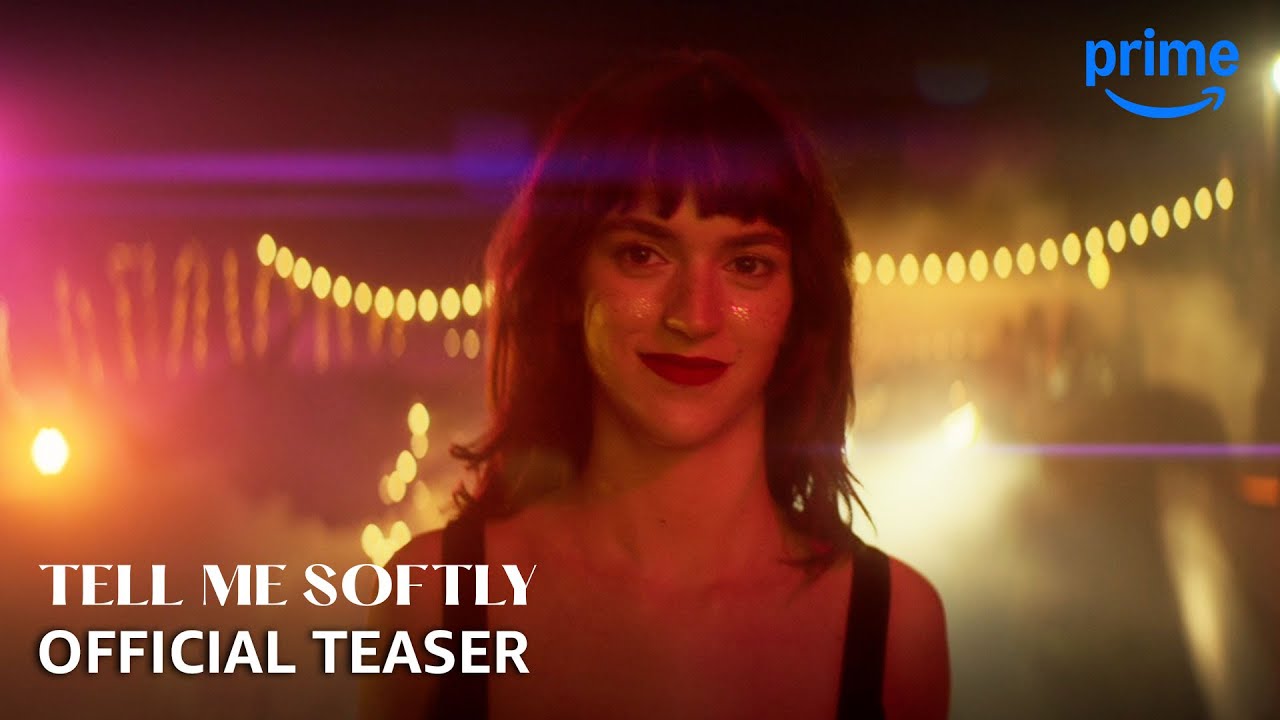
When Tell Me Softly premiered in December 2025, it arrived quietly—the kind of film that doesn’t announce itself with fanfare but rather settles into your chest and stays there. Denis Rovira van Boekholt’s Spanish romance-drama, released through the combined might of Vaca Films and Amazon MGM Studios, tapped into something that audiences have been hungry for: the messy, complicated way that the past refuses to stay buried. The film’s premise is deceptively simple—Kamila’s life gets turned upside down when the Di Bianco brothers return after seven years—but what unfolds across its lean 119-minute runtime is anything but straightforward.
The current critical reception (sitting at 6.2/10 with 118 votes) tells an interesting story in itself. This isn’t a film that divided critics into camps of passionate defenders and detractors. Instead, Tell Me Softly seems to occupy a middle ground where it resonates with some viewers while leaving others cold. That’s actually more honest than a consensus, because the film’s central tension—between nostalgia and growth, between the people we were and the people we’ve become—isn’t designed to provide easy answers. It’s the kind of movie that lands differently depending on where you are in your own life.
What makes Rovira van Boekholt’s direction particularly noteworthy is his commitment to emotional specificity. Rather than leaning into melodrama or manufactured tension, he allows his characters to breathe, to sit with their feelings, to contradict themselves. The return of two brothers after seven years could easily become a soap opera, but the film resists that urge. Instead, it explores something more psychological: how we construct narratives around our first loves and our protectors, and how reality rarely matches the stories we’ve been telling ourselves.
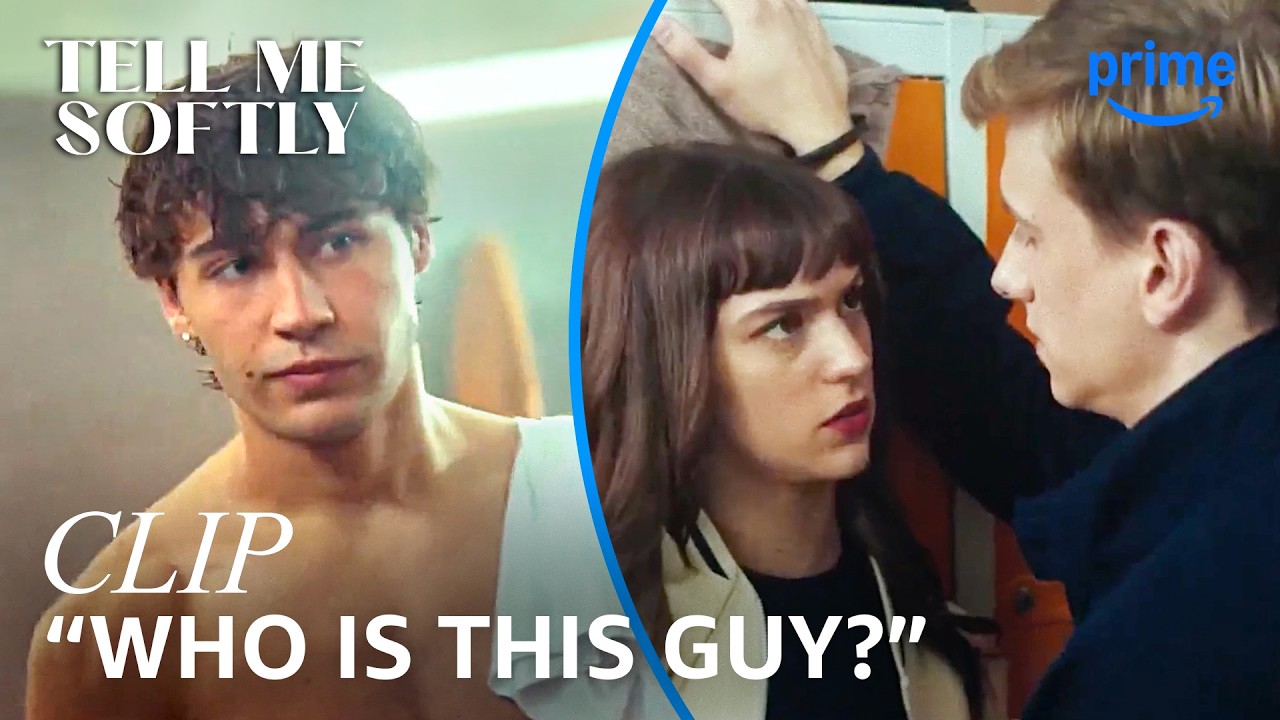
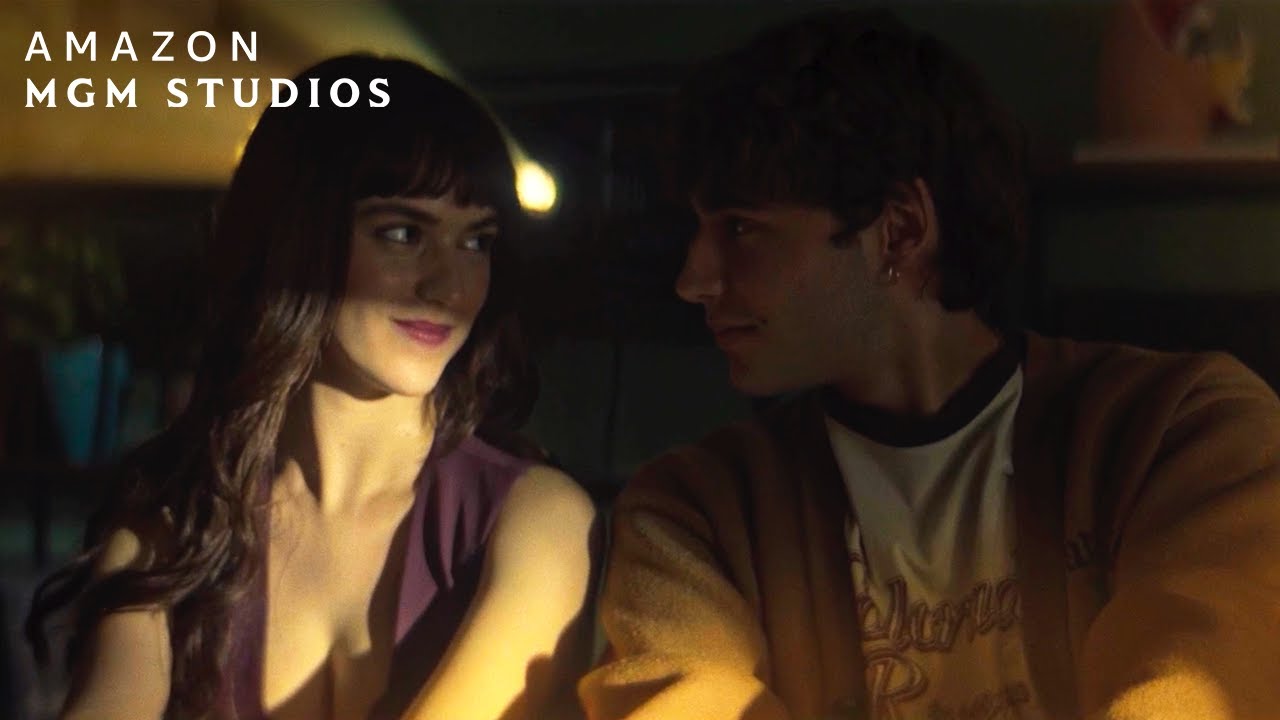
The cast itself deserves significant credit here. Alícia Falcó carries the emotional weight of the film as Kamila, and her performance suggests an actor interested in showing vulnerability without sacrificing strength. There’s intelligence in how she portrays a woman caught between gratitude for protection and resentment of limitation. Fernando Lindez and Diego Vidales, as the Di Bianco brothers, bring complementary energies to their roles—one represents the romance of the past, the other represents stability and sacrifice. The triangle they form with Kamila doesn’t feel like a romantic puzzle to be solved, but rather a genuine conflict between different versions of what love and loyalty can mean.
> The film’s real achievement lies not in resolving its central tension, but in honoring the complexity of human connection across time.
In the broader landscape of 2025 cinema, Tell Me Softly arrived at a moment when streaming platforms and traditional studios were both investing heavily in romance dramas—particularly those exploring how past relationships define us. It shares DNA with other properties that found audiences that year, though it distinguishes itself through its specificity to Spanish culture and setting. There’s a particularity here that feels refreshing in an era when so many romance narratives feel designed for maximum global appeal.
The financial picture remains murky—both the budget and box office performance are listed as unknown, which is increasingly common for mid-budget streaming films. What we do know is that Amazon MGM Studios saw enough value in Rovira van Boekholt’s vision to bring it to their platform, suggesting internal confidence even if the film didn’t become a major talking point in industry circles.
Key strengths that emerge across the film’s narrative:
- Emotional authenticity — The dialogue feels like how people actually speak when they’re navigating difficult feelings
- Visual restraint — The cinematography favors intimacy over spectacle, creating spaces where emotion can flourish
- Thematic complexity — The film never takes easy positions on whether nostalgia is redemptive or destructive
- Character agency — Kamila’s arc isn’t determined by the brothers; her choices matter fundamentally
Where the film struggles, and perhaps why the critical reception remains mixed, is in pacing during its second act. There are moments where the emotional beats feel slightly extended, where the narrative wheels spin a bit before finding new momentum. A tighter edit might have elevated the overall impact, though one could argue that those slower moments also create space for character reflection that some viewers desperately crave.
The legacy of Tell Me Softly will likely be modest but meaningful. It won’t revolutionize romance cinema, nor will it be remembered as a watershed moment for Spanish film internationally. What it represents, though, is the continuing evolution of how streaming platforms are willing to finance intimate, character-driven stories that don’t fit neatly into algorithmic categories. In an era of prestige television and cinematic franchises, there’s something quietly radical about a two-hour film about three people trying to figure out what they mean to each other.
For viewers who connect with it, Tell Me Softly offers something increasingly rare: a film that trusts you to sit with ambiguity, that doesn’t insist on redemptive endings or clear victors, that understands that sometimes the most important conversations happen when we stop trying to convince each other and simply listen. That’s its real strength, and it’s also why it might never be universally beloved. But perhaps that’s exactly as it should be.


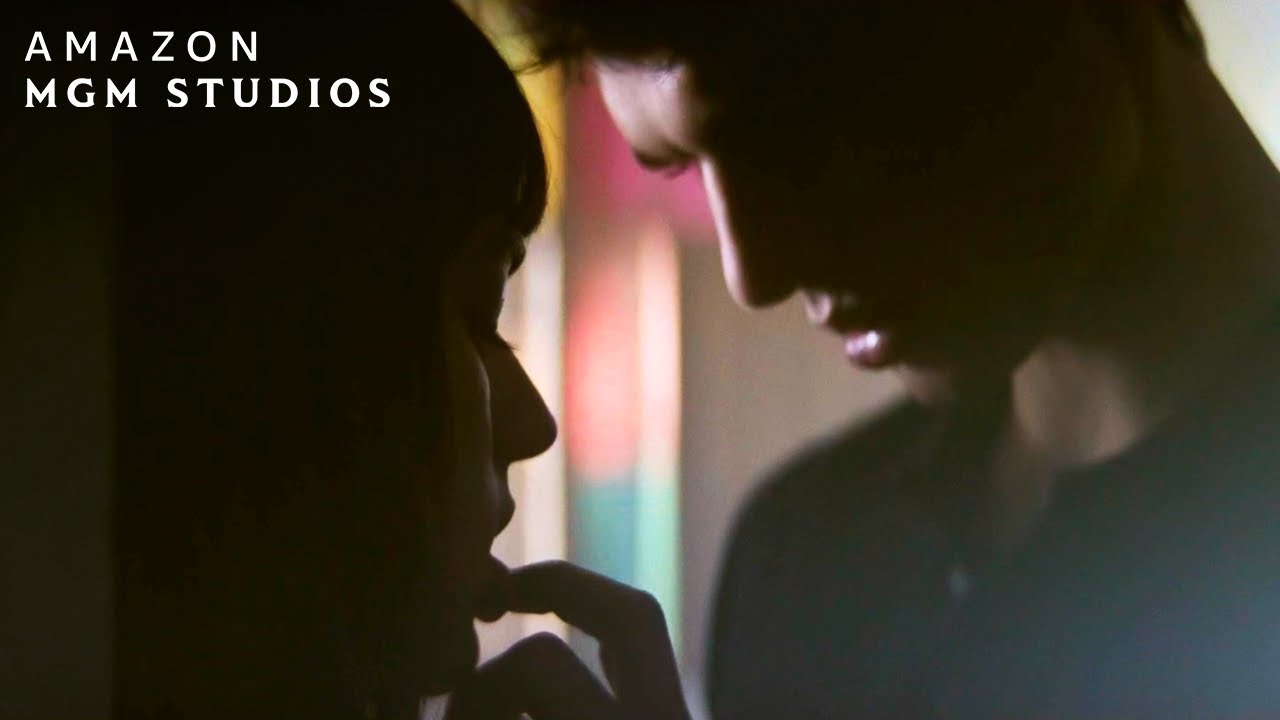
![Official Trailer [Subtitled]](https://img.youtube.com/vi/maaZ6St22b8/maxresdefault.jpg)