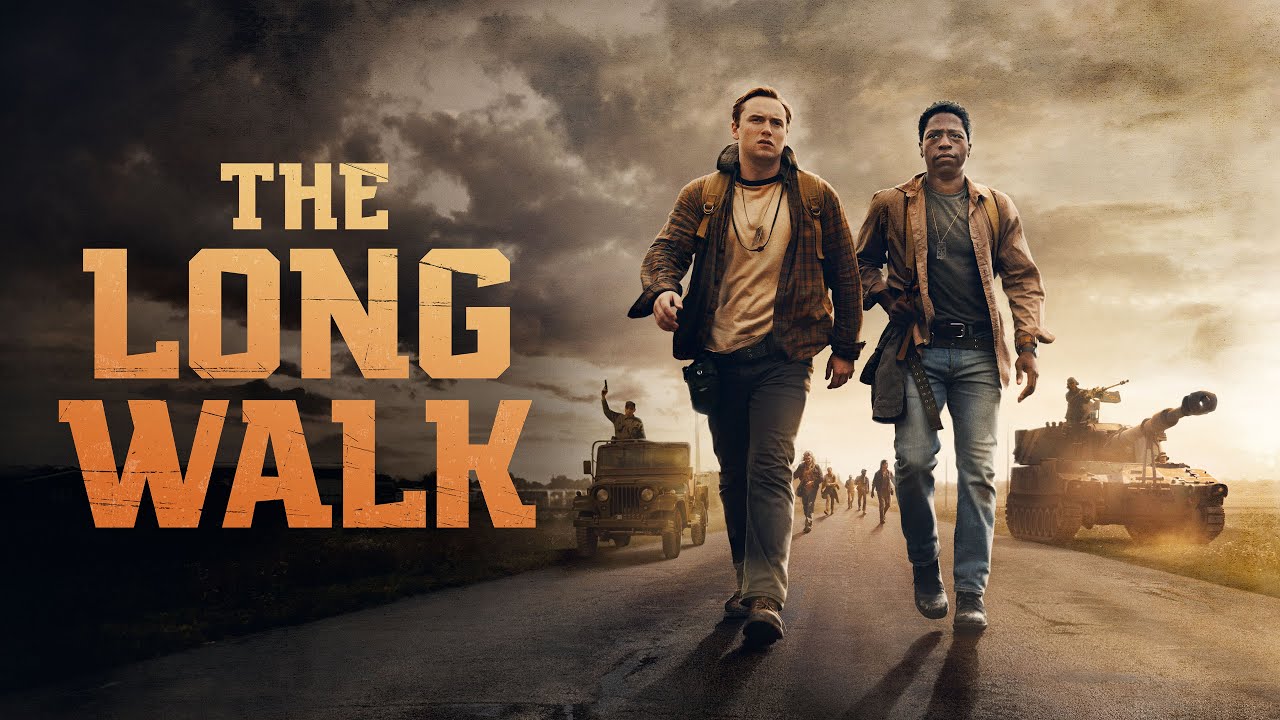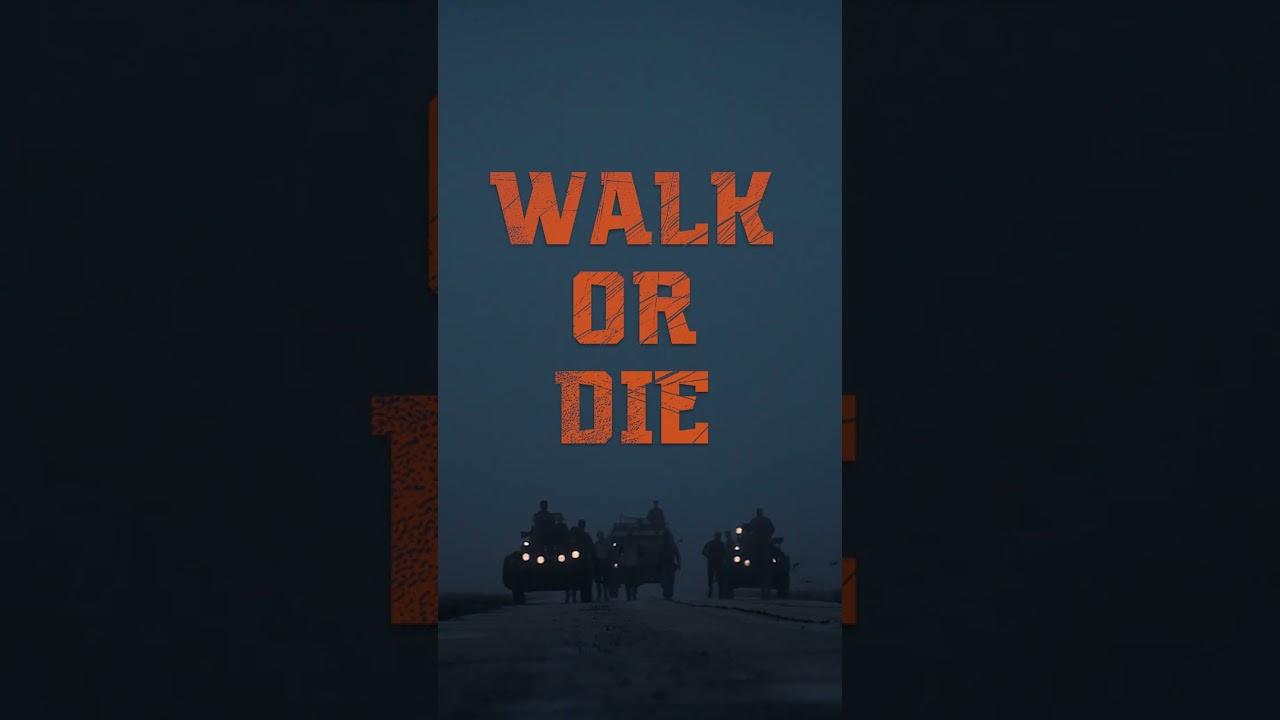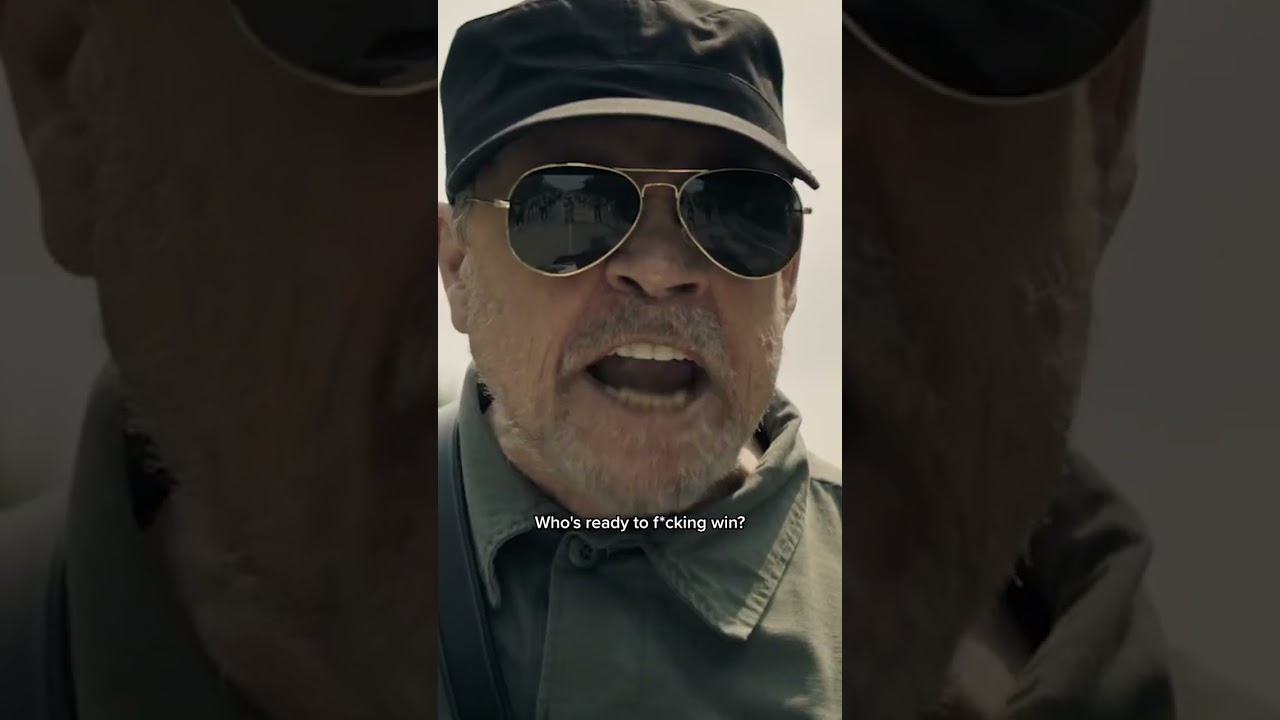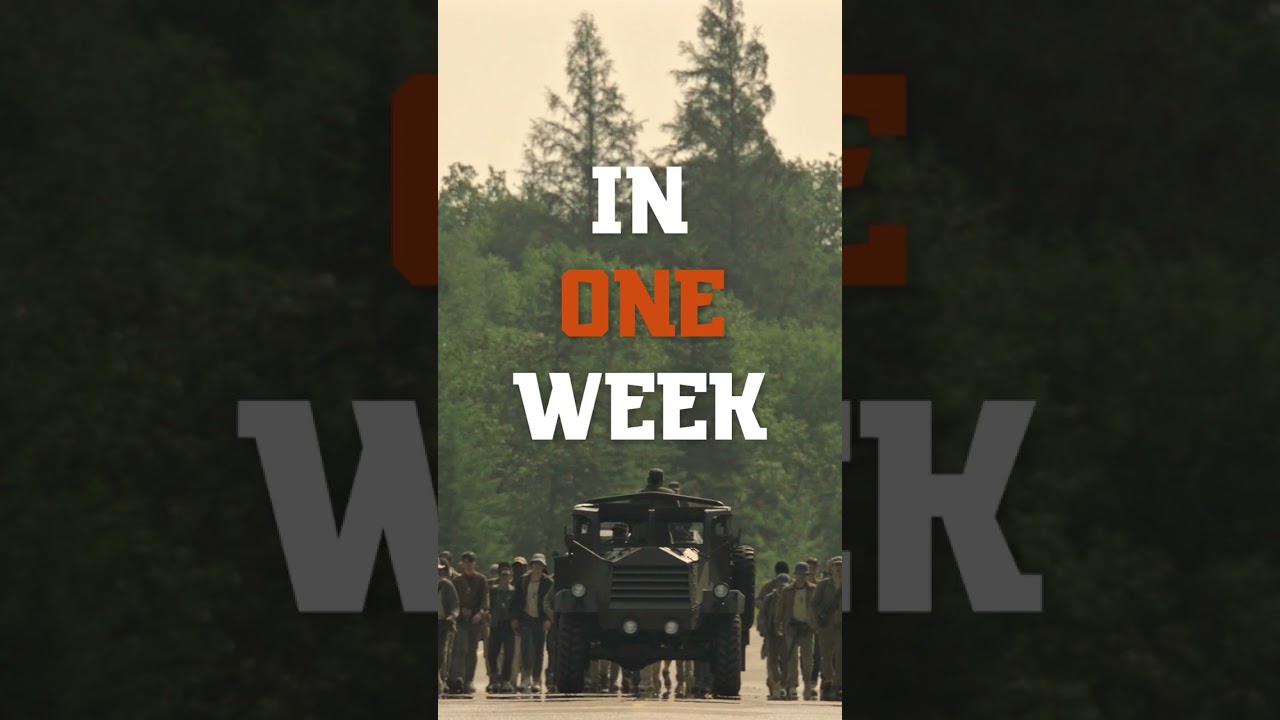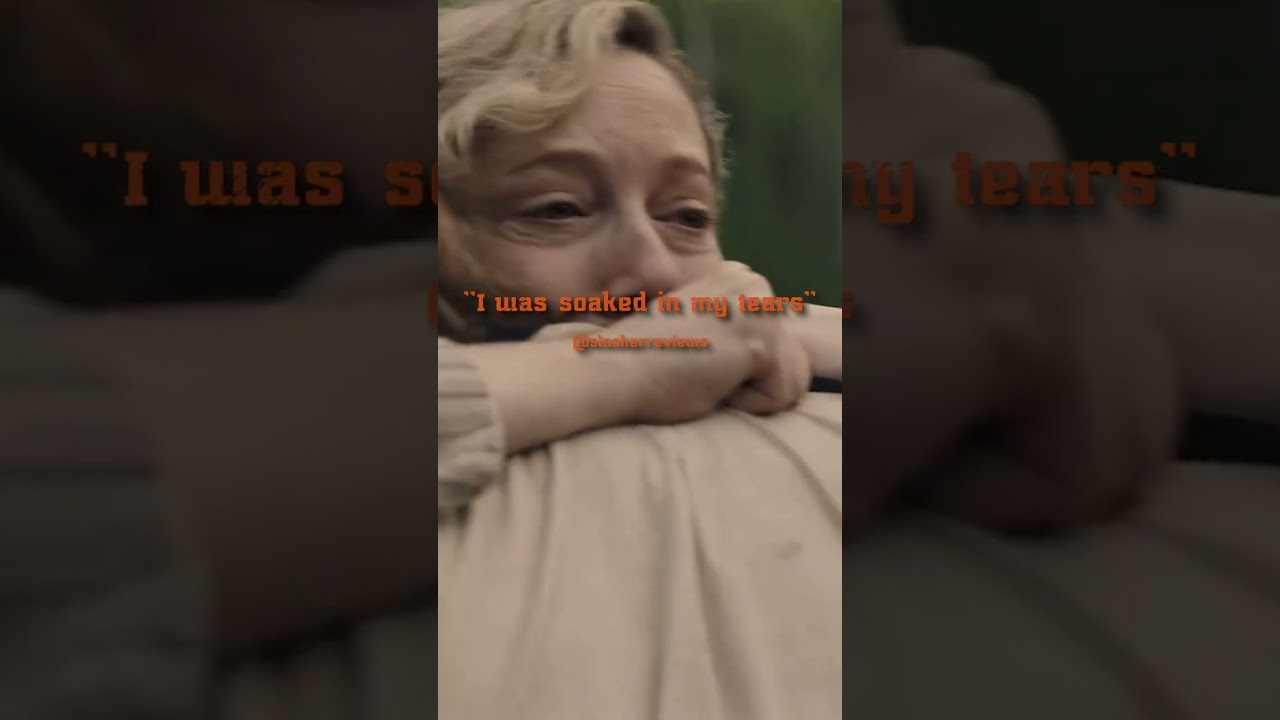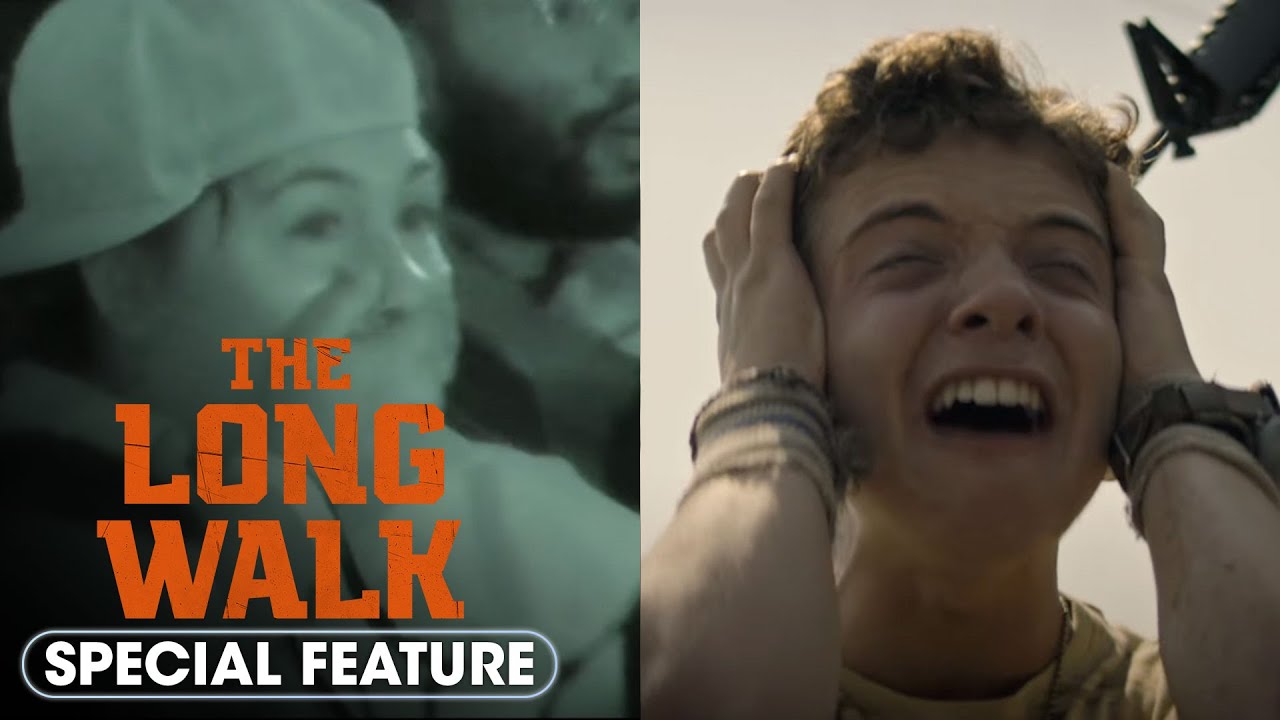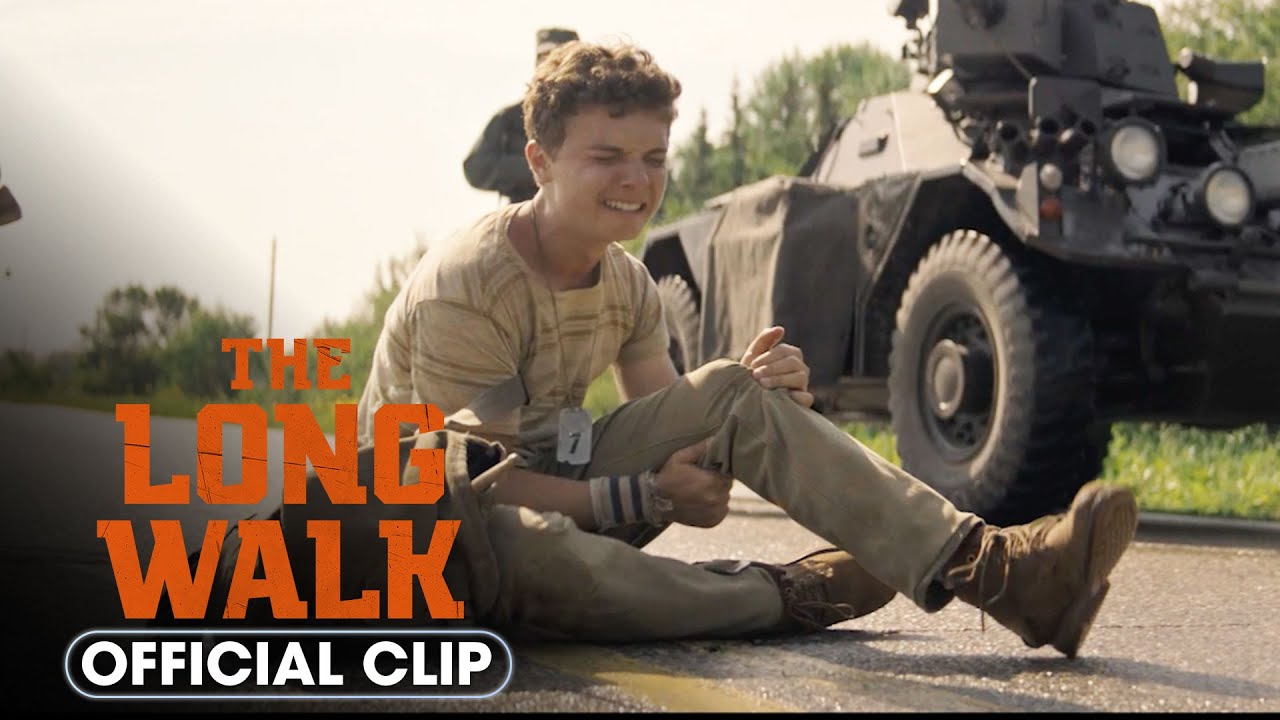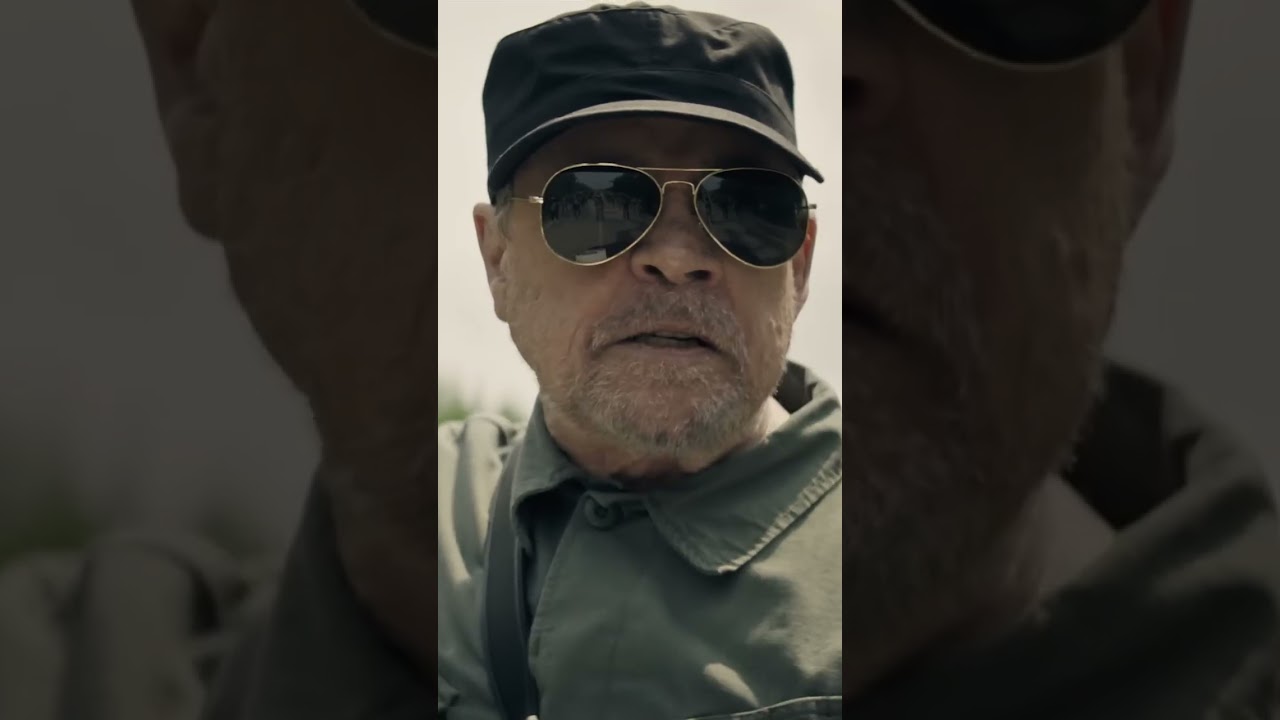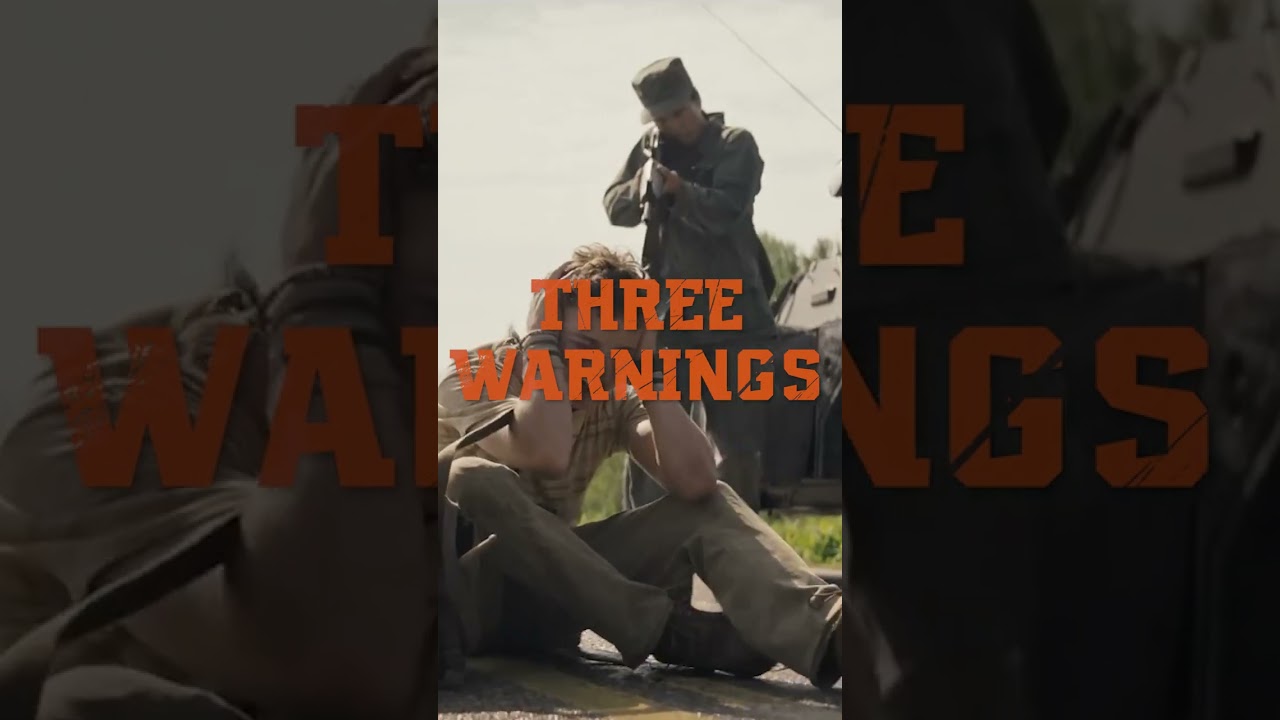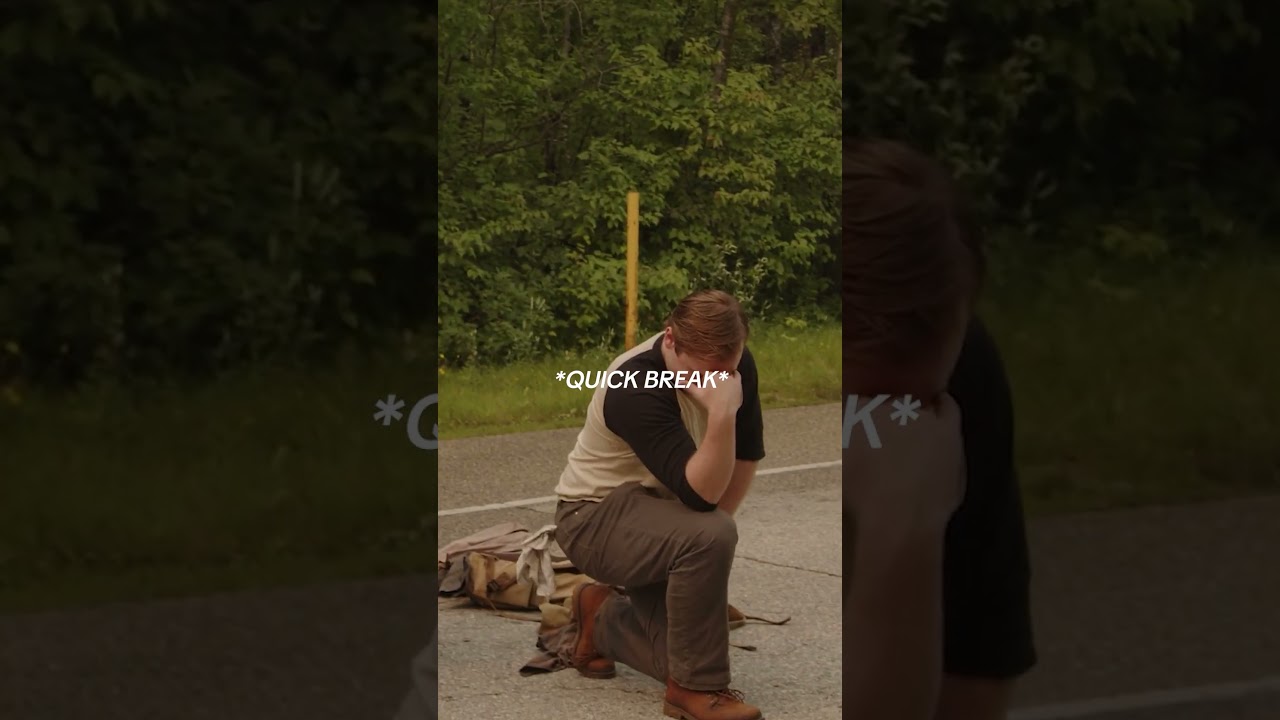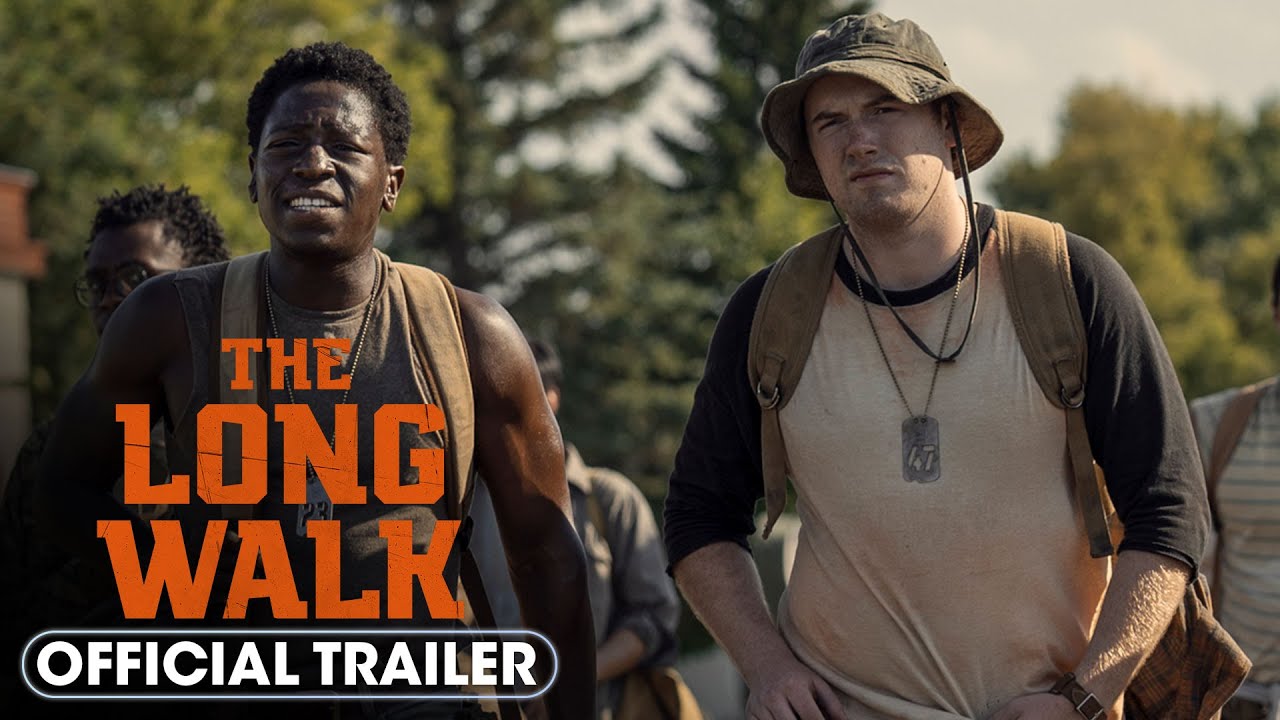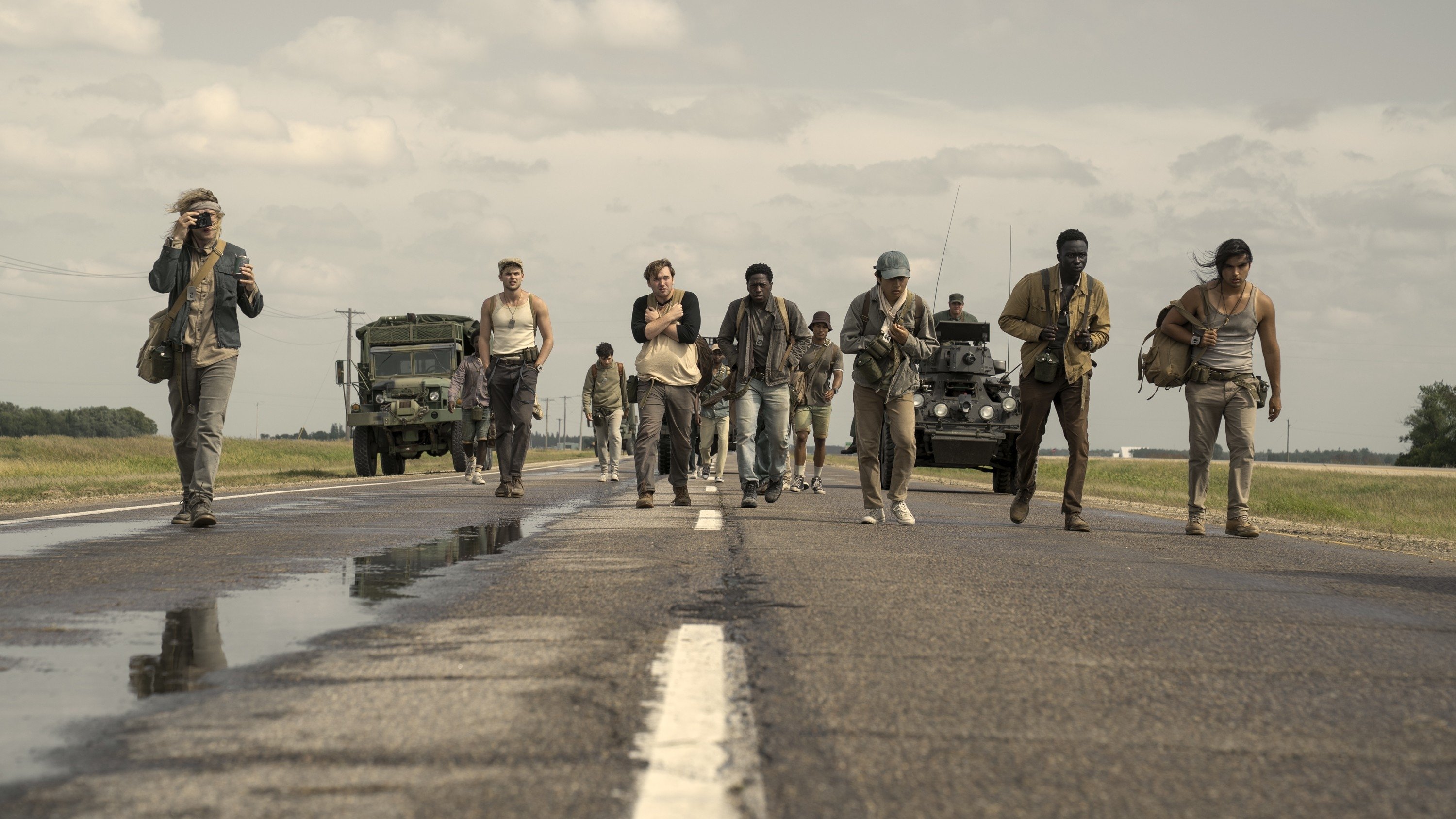
When The Long Walk premiered in September 2025, it arrived at exactly the right moment—not because the market was screaming for another dystopian thriller, but because Francis Lawrence had crafted something that tapped into a particular kind of cultural anxiety that feels distinctly modern. This adaptation of Stephen King’s 1979 novel, with its deceptively simple premise of “walk or die,” became one of those films that proved audiences were hungry for stripped-down, high-concept science fiction that doesn’t need massive spectacle to generate genuine dread.
The film’s financial trajectory tells an interesting story about contemporary moviegoing. Opening with $11.5 million domestically—admittedly a modest start that placed it fourth at the box office—it faced the kind of skepticism reserved for mid-budget genre films in an increasingly crowded marketplace. Yet something remarkable happened. Word of mouth, streaming availability, and a growing cult appreciation pushed The Long Walk to $62.8 million worldwide against its $20 million budget. That’s not blockbuster territory, but it’s the kind of return that validates a filmmaker’s vision and signals to studios that there’s still an audience for intelligent, uncompromising science fiction.
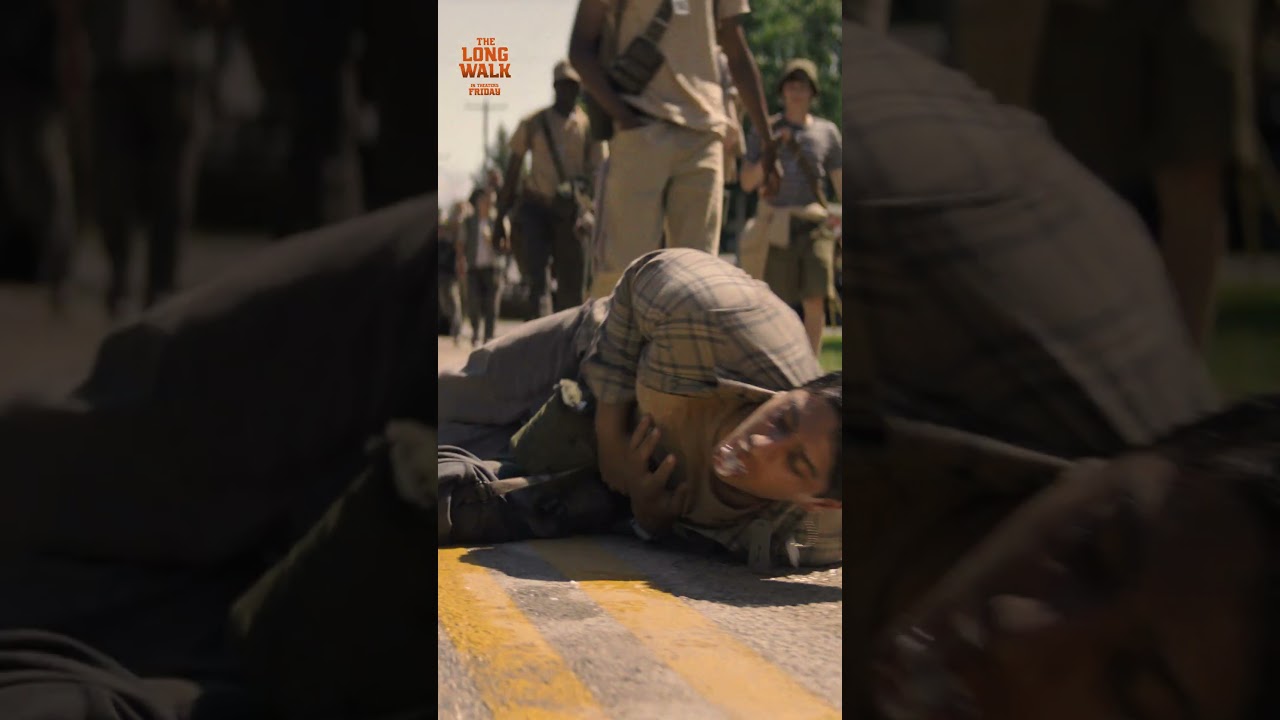
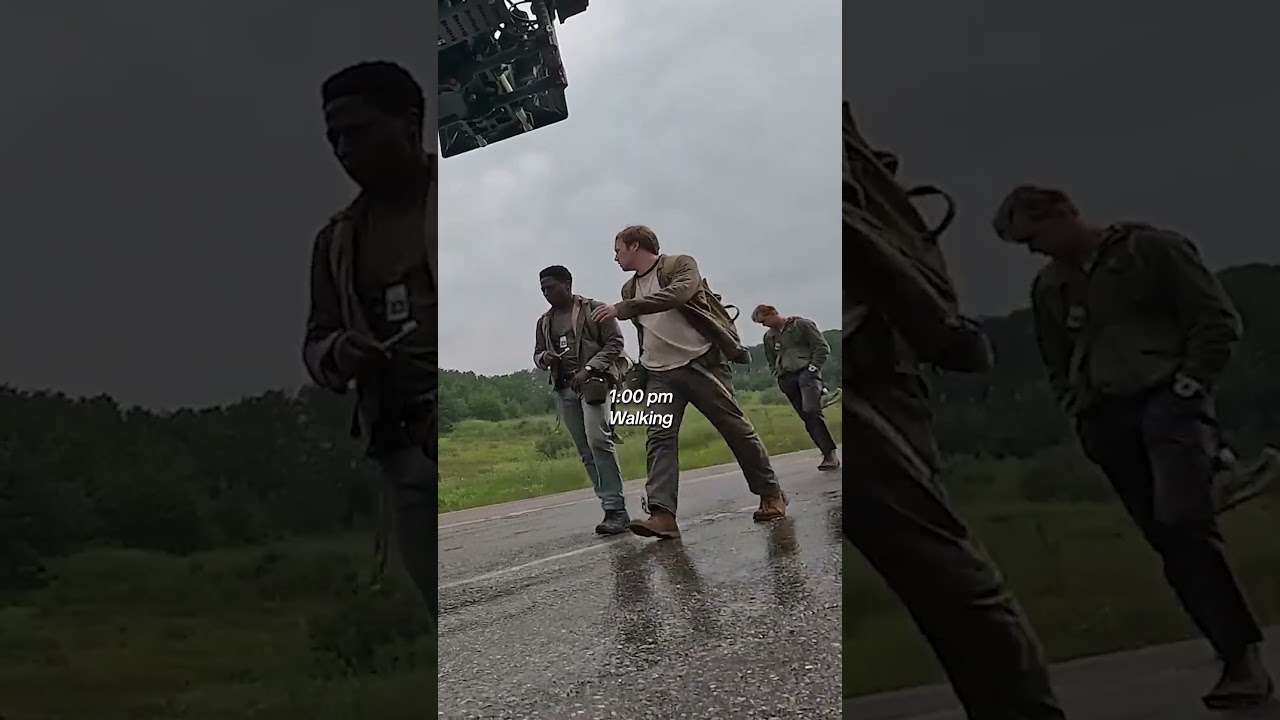
What’s particularly striking about Lawrence’s approach is his understanding of constraint as creative fuel. Rather than padding the story with unnecessary exposition or visual spectacle, he and cinematographer spent 1 hour and 48 minutes building relentless tension through what amounts to a simple walking sequence. There’s a masterclass in pacing embedded in this runtime—it’s economical without feeling rushed, measured without dragging. The film knows exactly what it needs to communicate and refuses to waste a single frame.
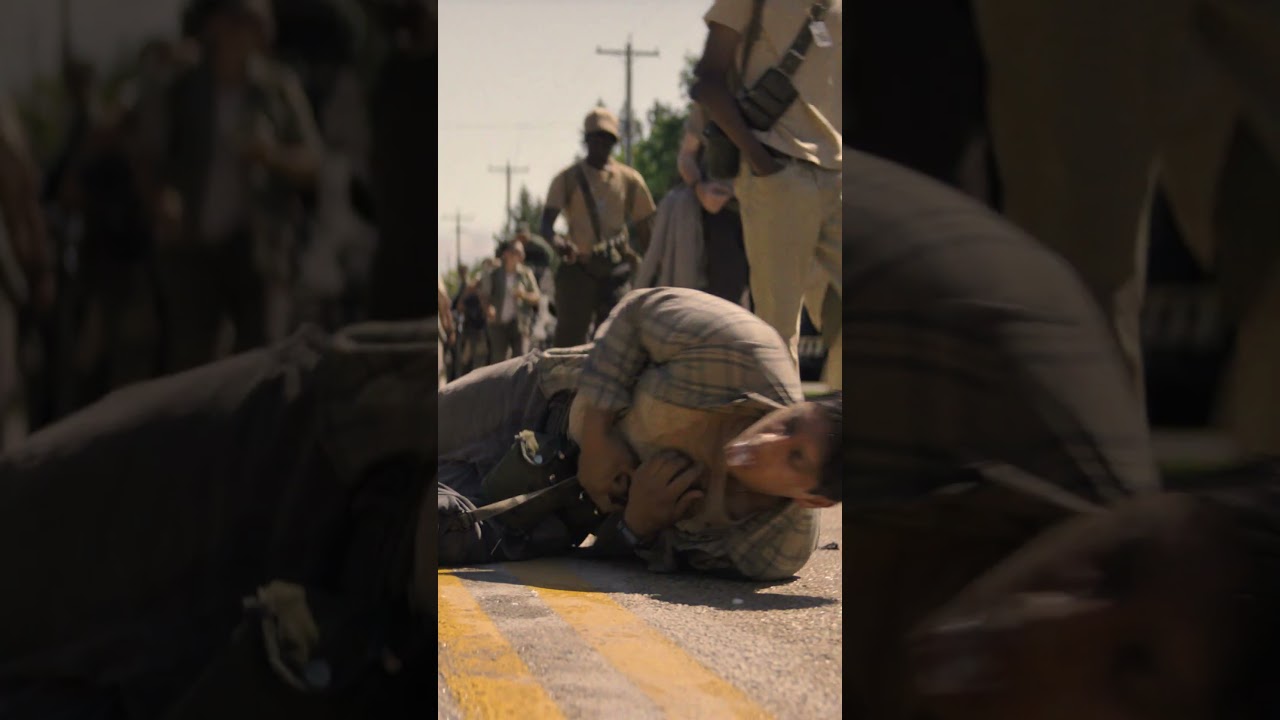
> The brilliance of The Long Walk lies not in what it shows, but in what it makes you imagine. Francis Lawrence trusts his audience to understand the horror without graphic explanation.
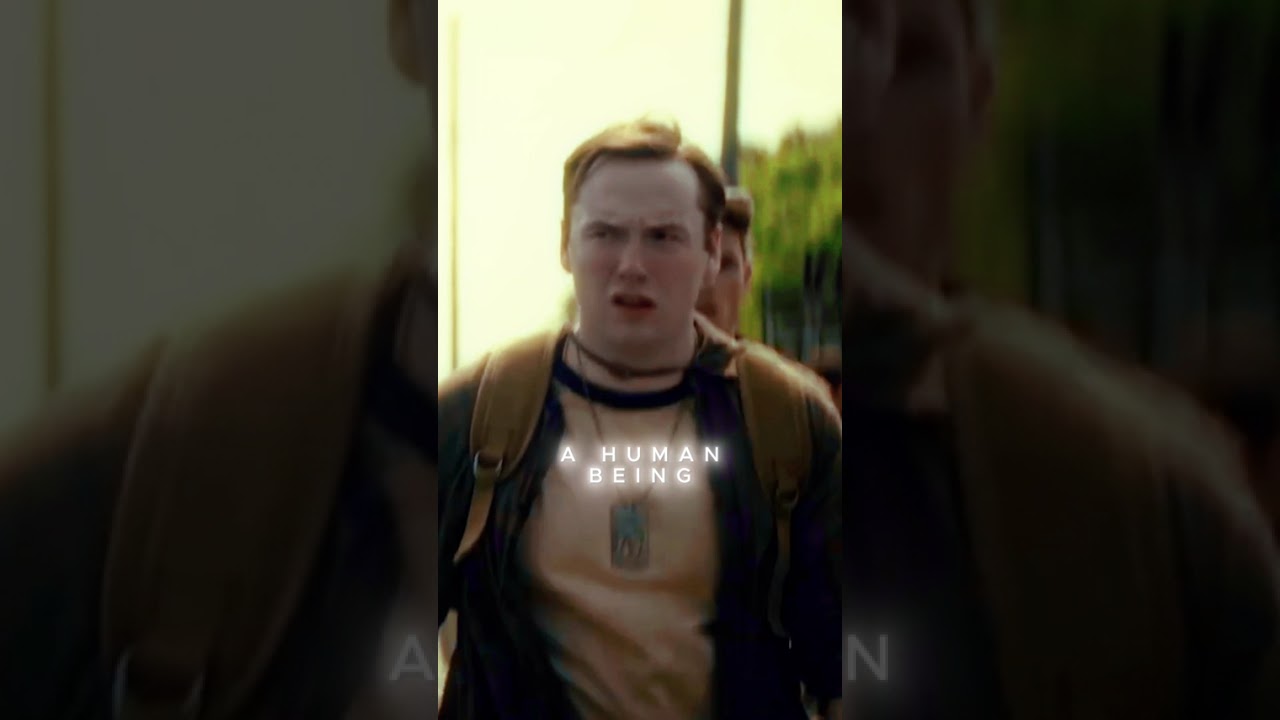
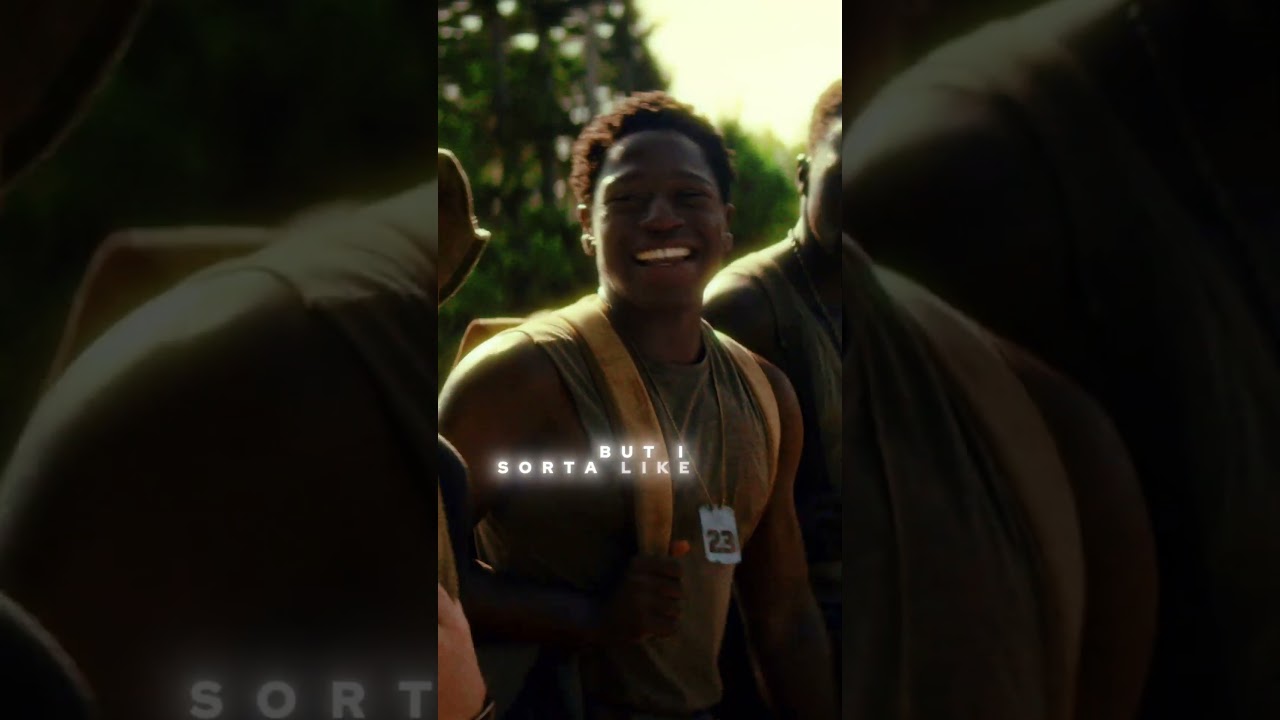
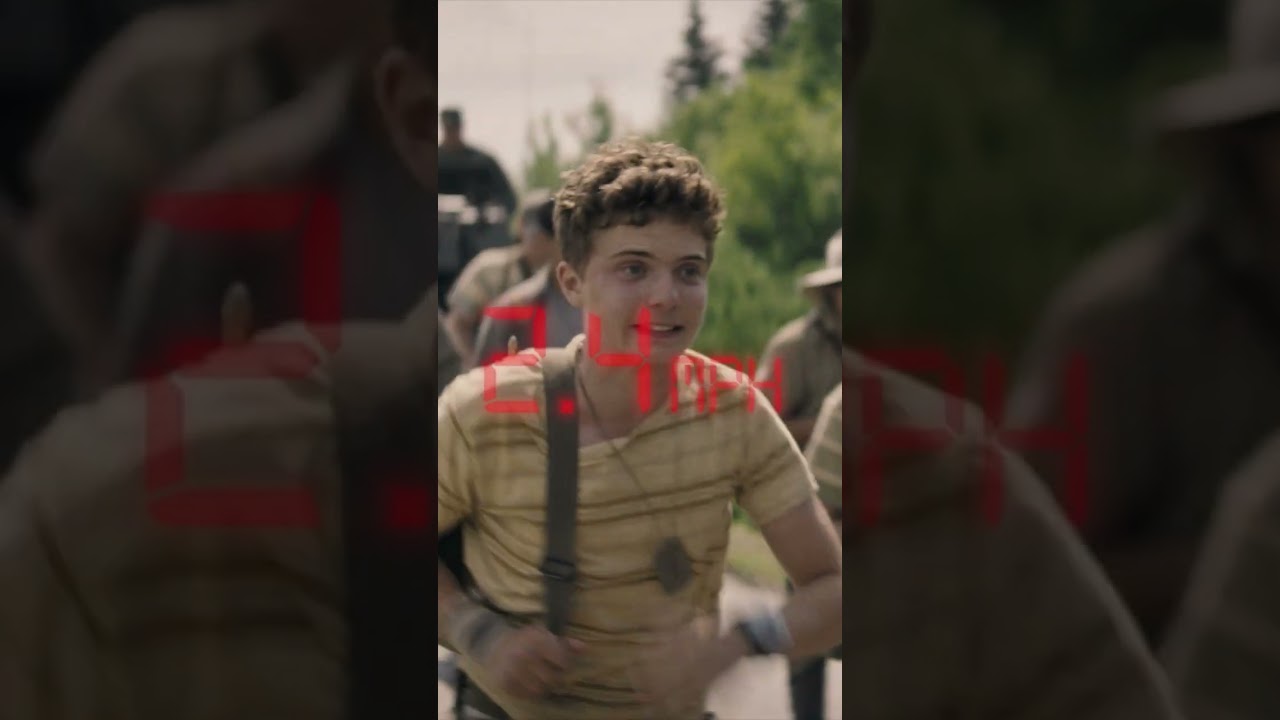
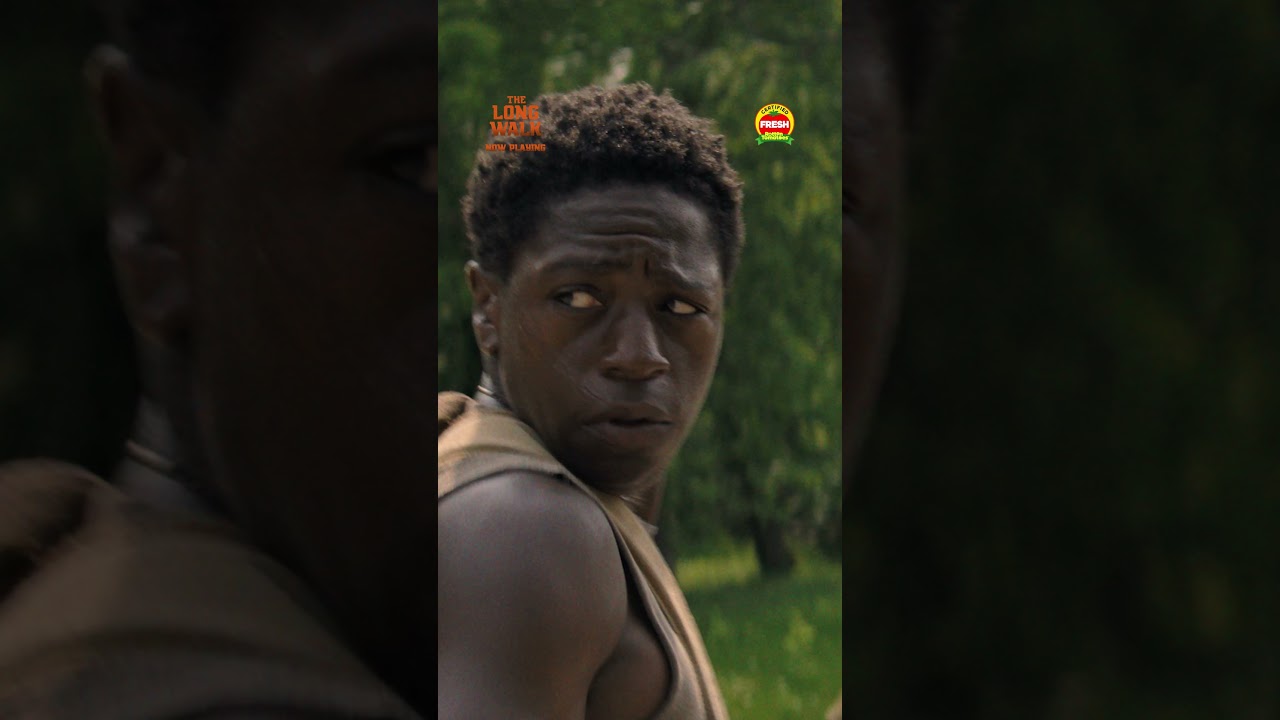
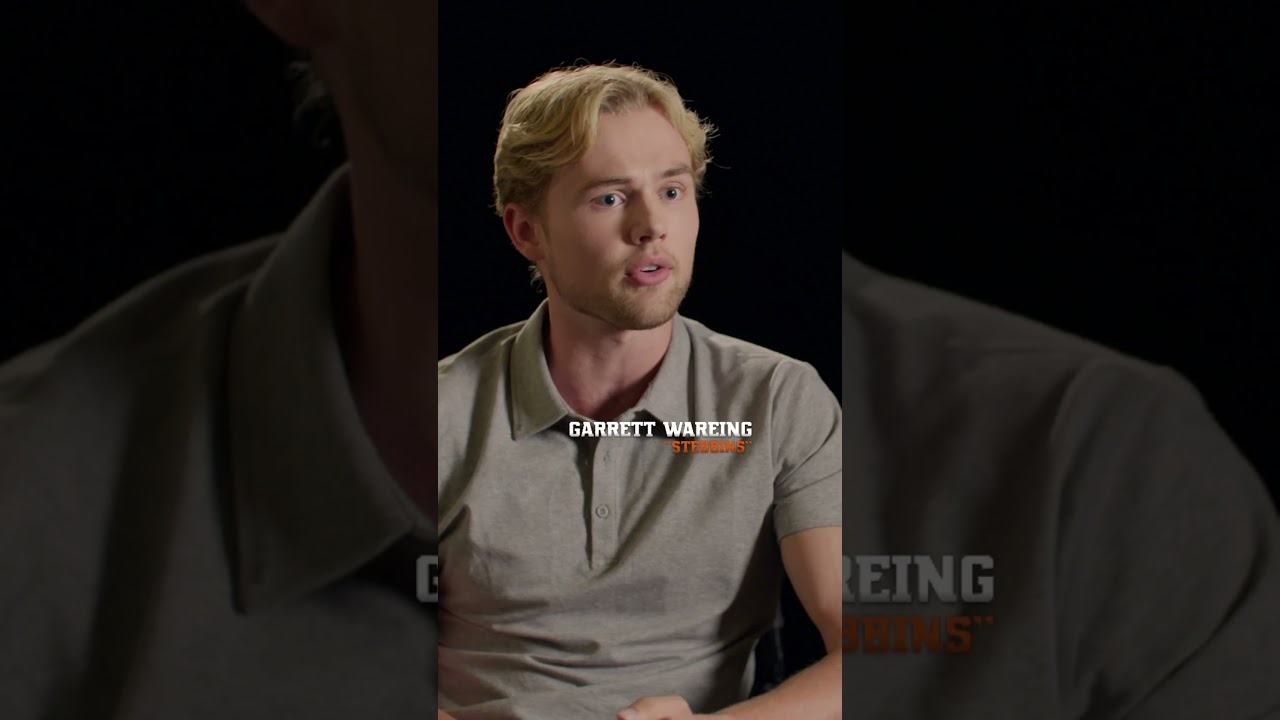
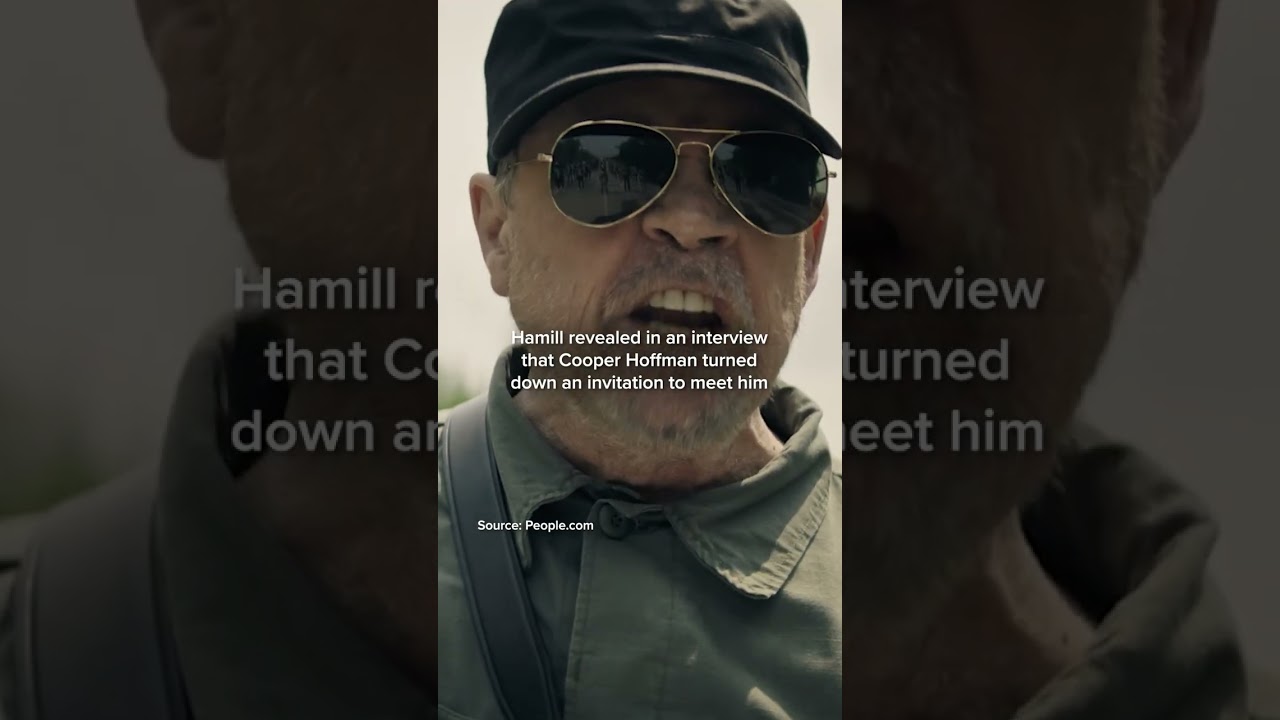
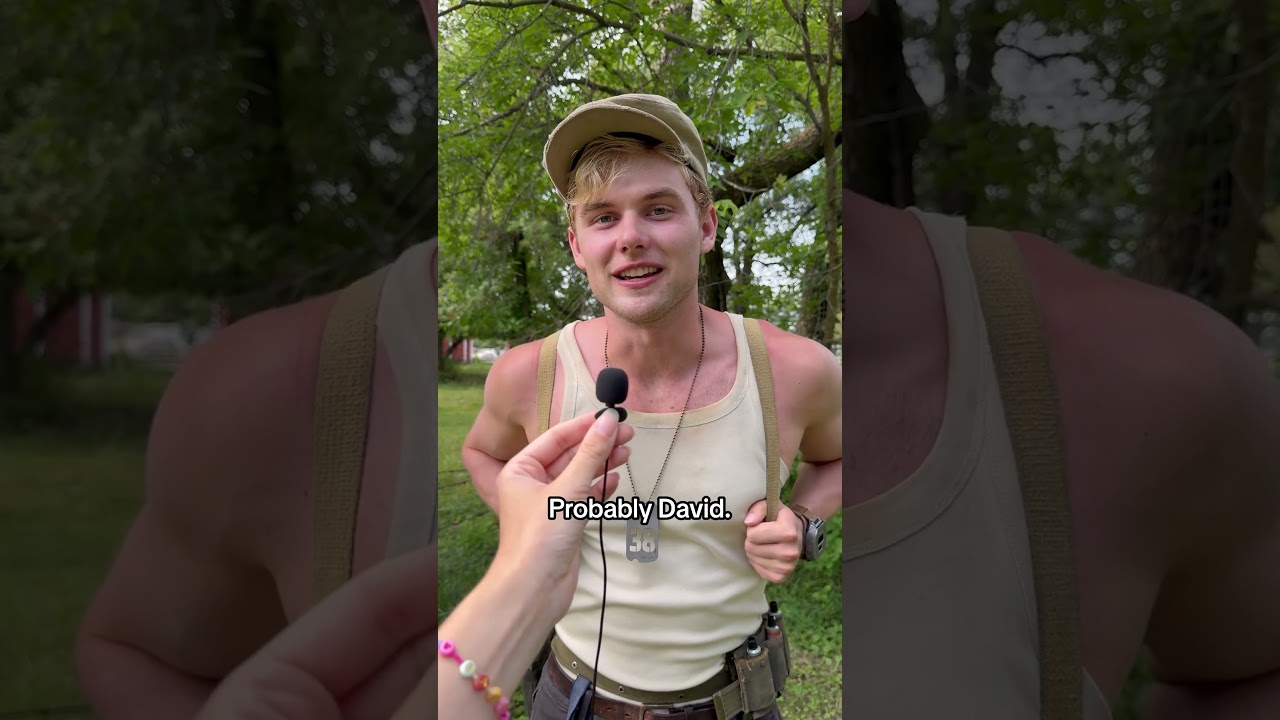
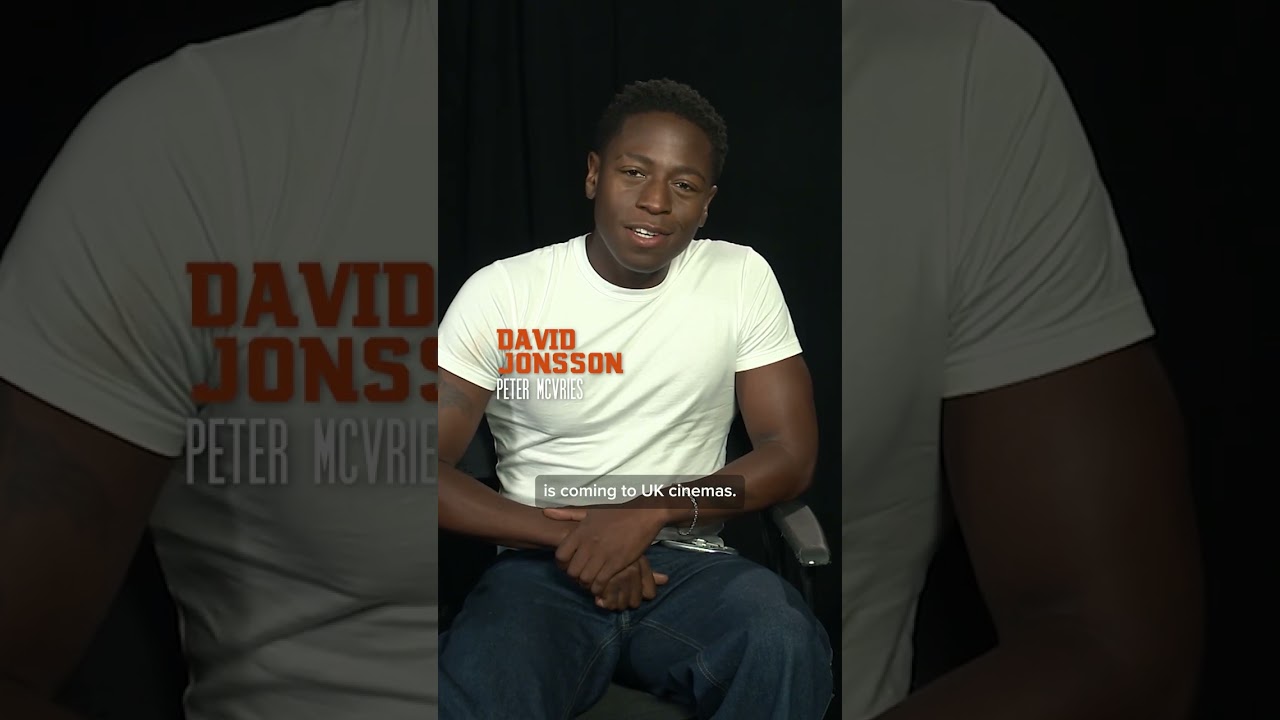
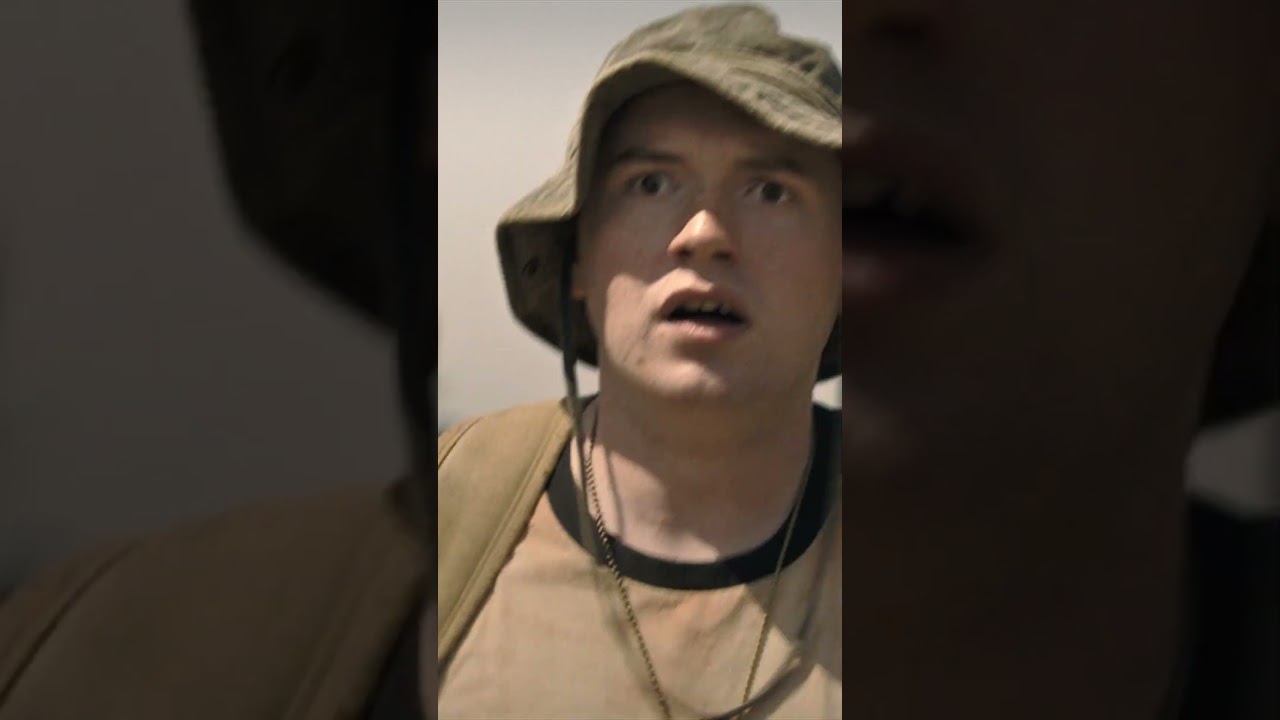
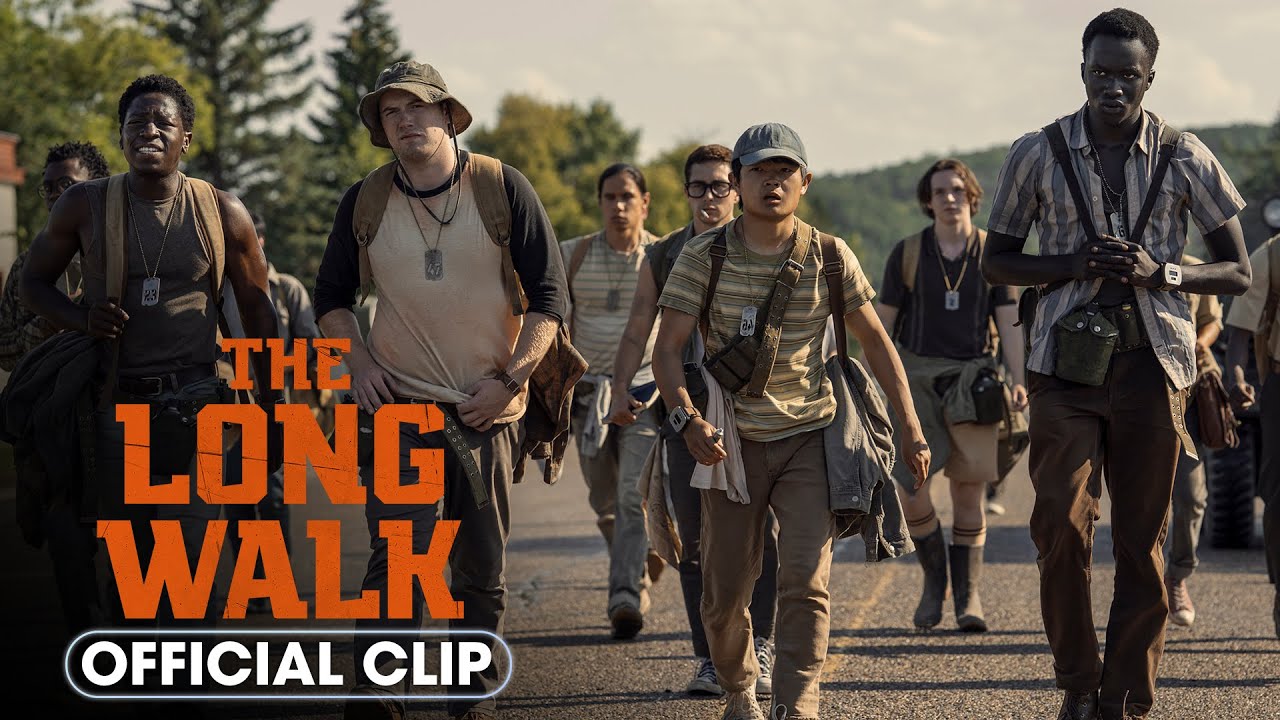
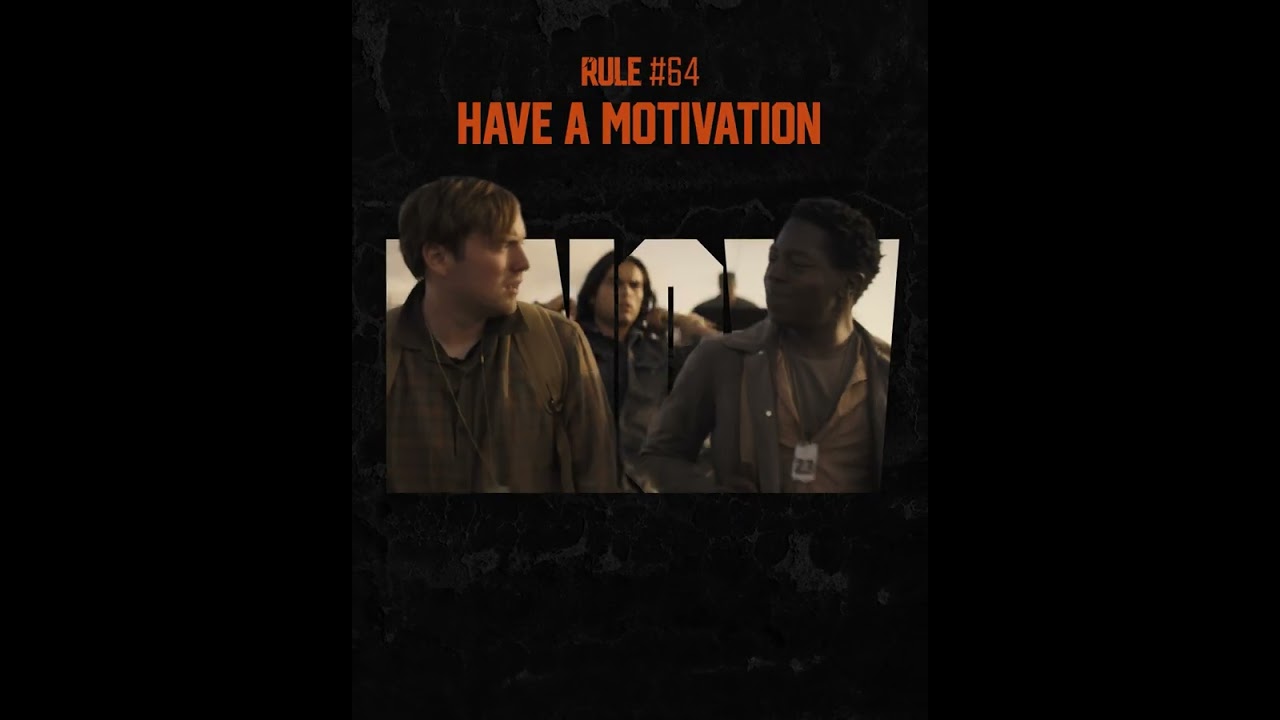
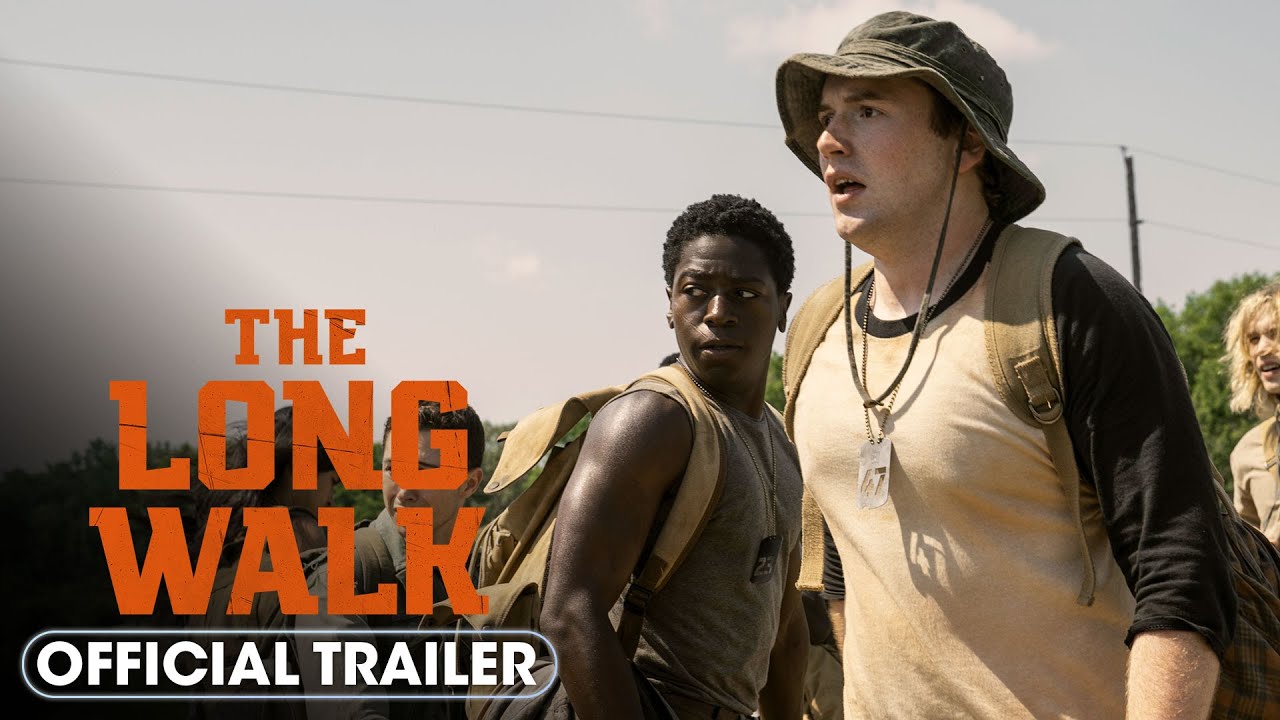
The casting choices deserve particular attention because they’re doing heavy lifting in a film where physicality and emotional authenticity matter enormously. Cooper Hoffman carries the film with a kind of wearied determination that recalls his father’s best work—there’s intelligence behind his eyes even as his body deteriorates. David Jonsson provides crucial counterweight, bringing warmth and humanity to scenes that could’ve easily become mechanical. Garrett Wareing rounds out the central dynamic with a different flavor of desperation. What Lawrence accomplished with this ensemble is rare: genuine chemistry and tension coexisting, where you believe these people are suffering together while simultaneously viewing each other as competition.
The critical reception—sitting at 6.9/10 from over a thousand votes—reflects something we’ve learned about modern film discourse: consensus scores don’t always capture a film’s cultural significance or artistic achievement. Lower average ratings can paradoxically indicate more interesting, challenging cinema. The Long Walk isn’t designed to be universally beloved. It’s deliberately austere, emotionally punishing, and skeptical of easy answers. That’s precisely what makes it matter.
In terms of its place within contemporary science fiction and thriller cinema, The Long Walk represents a meaningful corrective to a genre that’s increasingly dependent on CGI spectacle and franchise building:
- Practical storytelling: The film achieves its horror through character, dialogue, and psychological pressure rather than digital effects
- Thematic depth: It engages seriously with questions about consent, authoritarianism, and the value of human life without ever feeling preachy
- Tonal consistency: Lawrence maintains a relentless gray-blue aesthetic that never veers into melodrama or exploitation
- Audience intelligence: The film assumes viewers can handle ambiguity and won’t spoon-feed them emotional beats
What’s likely to prove most significant about The Long Walk is how it demonstrated that there’s still appetite for King adaptations that respect the source material’s philosophical foundations rather than simply borrowing its plot mechanics. The 1979 novel’s critique of spectacle and dehumanization feels more relevant in 2025 than when King originally wrote it, and Lawrence’s film captures that zeitgeist perfectly.
The film’s legacy is still unfolding, but early indicators suggest it’s becoming the kind of film that builds in estimation over time—the sort that appears on year-end lists not because it was commercially massive, but because it accomplished something distinctive that’s difficult to categorize or dismiss. In an era when mid-budget genre cinema is increasingly squeezed out by either micro-budget streamers or $200 million tentpoles, The Long Walk proved that there’s still room for ambitious, challenging filmmaking at a reasonable budget.
For those interested in where contemporary thriller cinema might be heading, this film functions as a kind of marker. It asks what happens when a serious filmmaker approaches genre material as an opportunity for genuine artistic expression rather than commercial obligation. Francis Lawrence’s vision—supported by committed performances and disciplined craft—created something that resonates beyond its opening weekend numbers. The Long Walk matters because it refused to compromise, because it trusted both its audience and its actors, and because it suggested that sometimes the most effective horror isn’t what we see, but what we’re forced to contemplate.