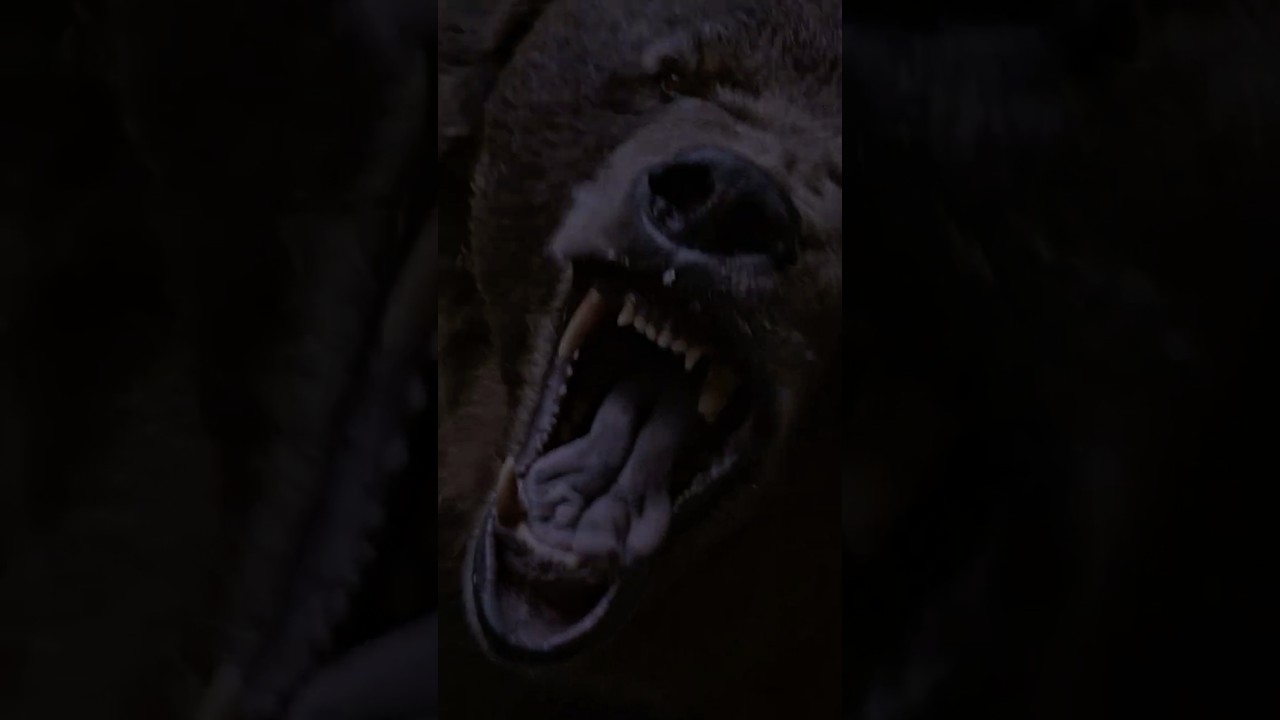
There’s something genuinely compelling about a film that looks directly at real horror—the kind that doesn’t require supernatural embellishment or creative invention. Grizzly Night, which is set to release on January 30, 2026, through Saban Films, is one of those rare projects that draws its power from actual events, and the more you learn about what went down that night in Glacier National Park, the more you understand why Burke Doeren and his team felt compelled to tell this story. On August 12th, 1967, Montana became the site of something almost impossible to fathom: two fatal bear attacks, nine miles apart, on the same night. That premise alone is arresting, but what makes Grizzly Night genuinely intriguing is how it approaches the material—not as exploitation, but as a character study centered on a novice female ranger finding her footing in a crisis that tests everything she thought she knew about her job and herself.
The collaboration here is worth paying attention to. Director Burke Doeren is steering a project that sits at an interesting intersection—it’s a survival thriller rooted in documentary-level specificity, yet it’s crafted with the narrative sophistication of prestige drama. That’s a difficult balance to strike, and it’s the kind of restraint that separates compelling cinema from sensationalism. With a budget of $3 million, this isn’t a sprawling studio tentpole trying to maximize spectacle. Instead, it’s a focused, purposeful film that trusts in story and character over scale.
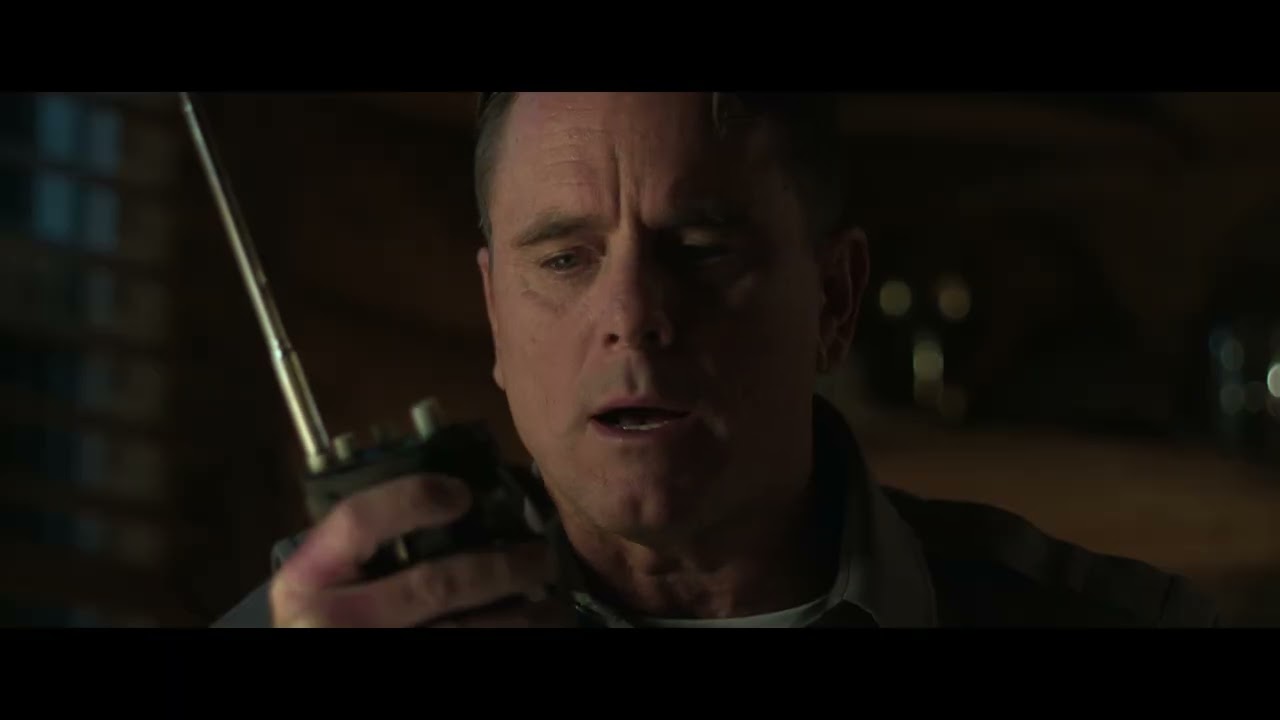
The cast assembled here brings real credibility to the material. Charles Esten and Oded Fehr are both actors with proven range who excel at grounding intense scenarios in emotional truth. And then there’s Brec Bassinger, who carries the thematic weight of the entire narrative as that novice ranger. What’s particularly interesting about this casting is that none of these are names primarily associated with horror or thriller franchises—they’re skilled dramatic actors who will bring nuance to roles that, in less careful hands, might become archetypal. That suggests Doeren’s vision isn’t about cheap scares or predictable beats; it’s about the psychological and emotional dimensions of a tragedy.
The film seems to understand that the real horror isn’t always what we see on screen—it’s the uncertainty, the split-second decisions, and the weight of responsibility when everything goes wrong.
What makes this project resonate before it’s even released is how it engages with themes that feel increasingly relevant. At its core, Grizzly Night is about a woman finding agency and authority in a male-dominated, high-stakes environment. The ranger protagonist isn’t a trained expert parachuted in to save the day—she’s someone learning on the job, forced to grow under the worst possible circumstances. That’s a genuinely interesting human story wrapped around a survival framework, and it’s the kind of narrative that lingers after the credits roll.
The production timeline is also worth noting. With the film currently in production and slated for its early 2026 release, there’s a sense that this project has been carefully developed and thoughtfully paced. This isn’t a quick cash-in on a trending concept; it’s filmmaking with intention. The decision to bring it to audiences through digital and VOD platforms (in addition to other release windows) suggests that Four J Films and Saban Films understand the film’s potential to find its audience across multiple viewing contexts.
From a cinematic perspective, the timing is interesting too. We’re living in an era where “true story” adaptations have become commonplace, but many feel cynically assembled from headlines. Grizzly Night seems different—it’s not mining tragedy for prestige points, but rather interrogating a specific moment in history to understand how people respond when nature delivers chaos. The historical specificity (August 12th, 1967, Glacier National Park) keeps everything grounded; there’s no narrative fudging or composite characters obscuring what actually occurred.
The current 0.0/10 rating reflects, naturally, that the film hasn’t yet been released for public viewing, so there’s no critical consensus yet. That’s actually refreshing—we get to anticipate this one on its own terms, without preconceived notions or review aggregator scores shaping expectations.
What genuinely excites me about Grizzly Night heading into 2026 is the possibility that it represents a particular kind of filmmaking we don’t see enough of: intelligent genre cinema that treats audiences with respect. It’s not trying to be the biggest or loudest film in theaters. It’s 1 hour and 33 minutes of focused storytelling, grounded in real events, powered by strong character work and directorial intent. In an era of three-hour epics and franchise expansion, there’s real value in that kind of restraint and clarity.
When Grizzly Night arrives on January 30th, it’ll likely find an audience that appreciates substantive thriller work—people who remember that the best horror, real or imagined, comes from recognizing our own vulnerability and the limits of control. That’s the conversation this film is poised to spark, and that’s why it already matters, even before audiences see their first frame.