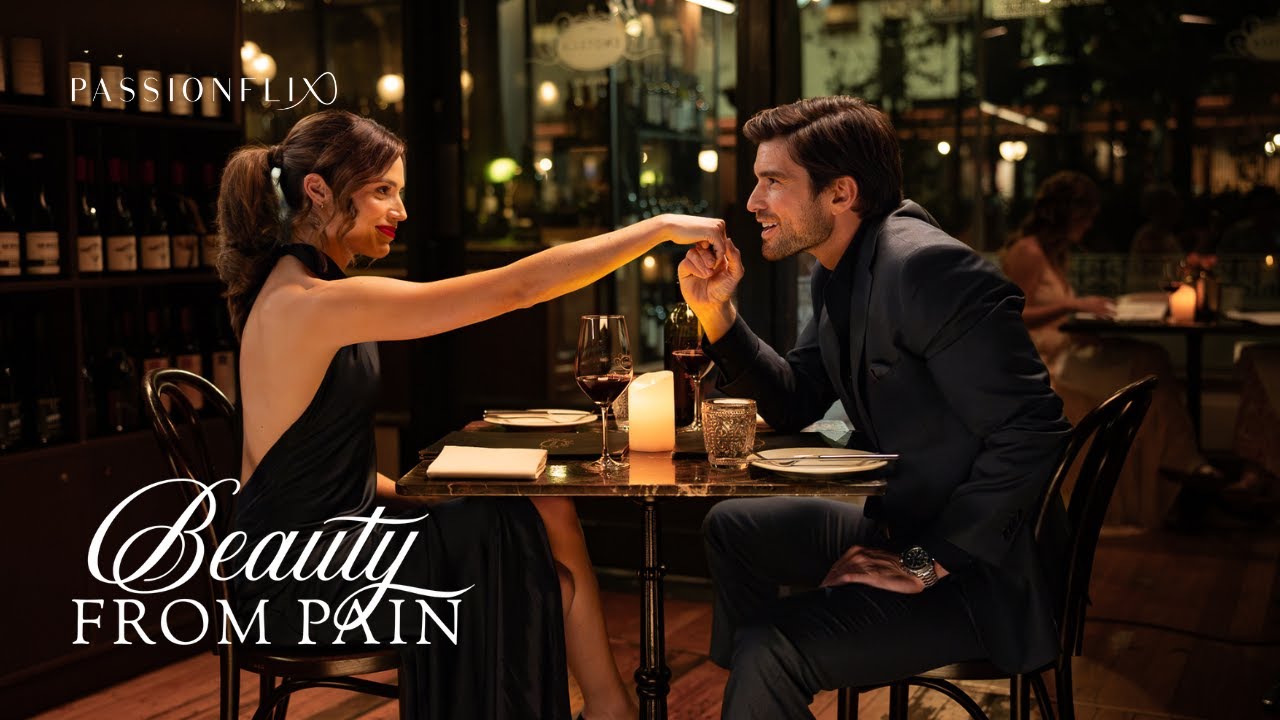
When Christine Luby’s Beauty from Pain came out in December 2025, it arrived as a quieter entry into the romance-drama landscape—the kind of film that doesn’t necessarily announce itself with massive marketing campaigns or box office fireworks, but rather earns its place through genuine storytelling and committed performances. With an unknown budget working against unknown returns, this wasn’t a tentpole production designed to dominate multiplexes. Instead, it was a character-driven piece that found its audience through word-of-mouth and the growing appetite for emotionally intelligent romantic dramas that refuse easy resolutions.
The film’s premise—following an aspiring musician navigating heartbreak and unexpected connection with a billionaire winemaker in Australia—could have been generic territory. But what Luby brought to the material was a directorial sensibility that treats romance not as escapism, but as excavation. She’s interested in how we rebuild ourselves after devastation, and more importantly, how vulnerability can coexist with self-preservation. The 1 hour 56-minute runtime is deliberately lean; there’s no fat here, no unnecessary subplot padding. Every scene serves the emotional architecture.
The Creative Collaboration That Made It Work
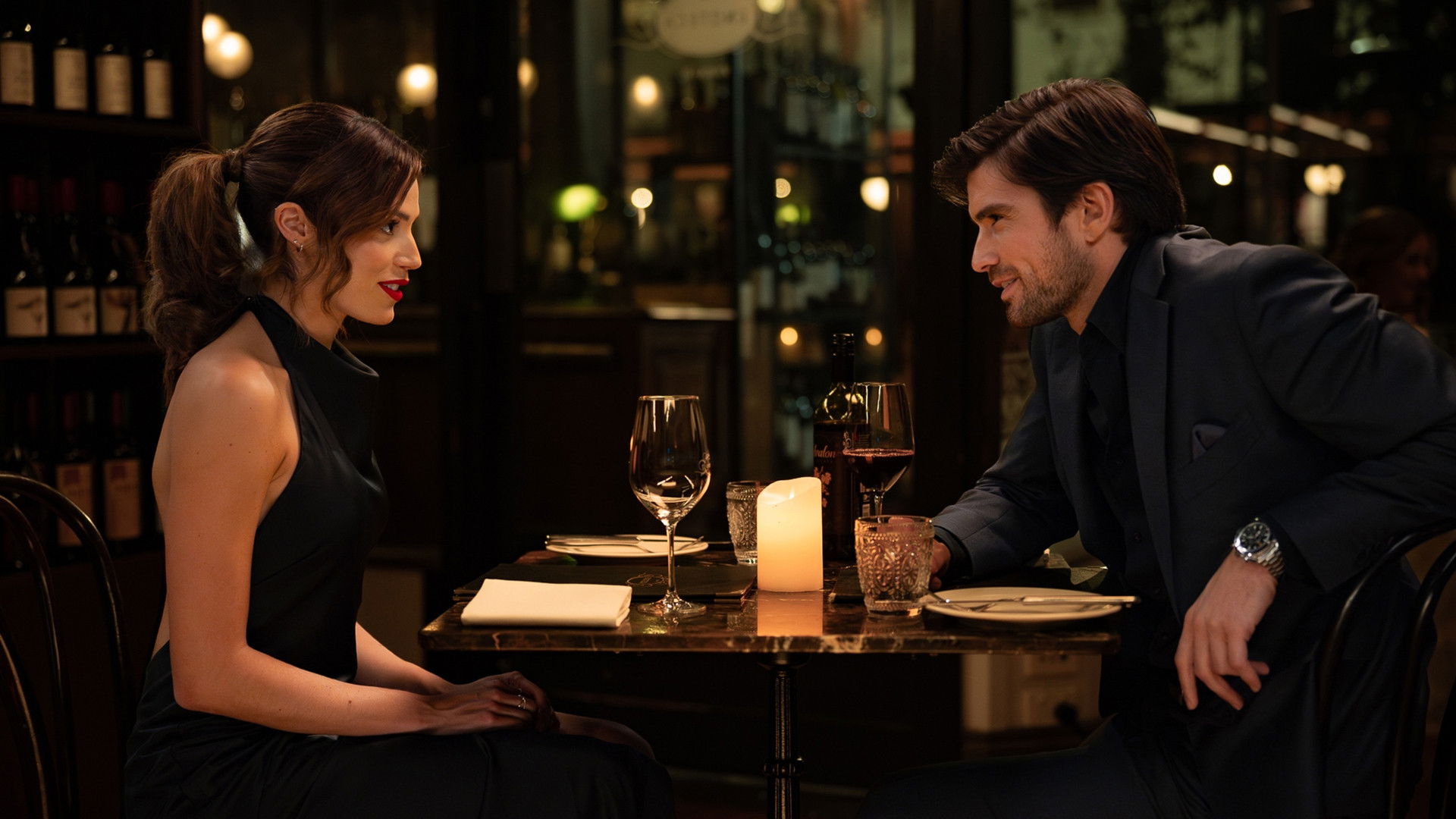
What elevates Beauty from Pain above standard romance fare is the chemistry and commitment from its central trio. Samantha Allsop carries the film with a nuanced performance that captures the contradictions of her character—someone simultaneously running toward and away from connection. She brings an authenticity to heartbreak that doesn’t tip into melodrama; you believe in her exhaustion, her resilience, her terror of repeating past mistakes. Jackson Gallagher’s portrayal of the billionaire could have devolved into fantasy fulfillment, but he grounds the character with genuine warmth and his own vulnerability. There’s no condescension in how he relates to his co-star; theirs is a relationship built on actual recognition rather than projection.
Arielle Cartwright provides essential balance as what might have been a thankless supporting role, but Luby and her cast ensure every character has interior life. The ensemble work creates a genuine sense of place and community, particularly in how the Australian setting becomes almost a character itself—not just backdrop but active participant in the emotional landscape.
> The film’s strength lies not in manufactured drama but in its willingness to let awkwardness, hesitation, and genuine confusion occupy the same space as romance.
Reception and What It Reveals About Audiences
The 7.3/10 rating from early voters tells an interesting story. It’s not the rapturous critical acclaim that makes headlines, but it’s respectfully solid—the kind of rating that suggests viewers recognized something worthwhile even if the film didn’t necessarily revolutionize their understanding of cinema. In an era obsessed with viral moments and extreme reactions, this measured appreciation is actually meaningful. It suggests Beauty from Pain found the audience it was made for, people who value emotional intelligence and character development over plot mechanics.
Given the film’s release through Jaggi Entertainment and PassionFlix—a studio partnership known for character-focused romantic content—the distribution strategy itself reflects confidence in a specific audience. There’s no apology in that approach; instead, there’s clarity about what the film is and who it serves.
Why This Matters in 2025’s Cinema Landscape
- Redefining Romance Cinema – The film arrives at a moment when audiences are increasingly fatigued by romance narratives that center grand gestures over genuine connection
- International Storytelling – Using Australia as a setting grounds the narrative in specificity rather than generic luxury tourism
- Female-Centered Agency – Allsop’s character drives her own narrative arc; the romance enhances her story rather than replacing it
- Modest Ambition, Genuine Execution – There’s integrity in knowing exactly what kind of film you’re making and committing fully to that vision
What Christine Luby understood is that real beauty emerges from honest storytelling. Beauty from Pain doesn’t try to be everything to everyone. It’s a focused exploration of two people learning whether connection can coexist with self-protection, whether we can be honest about what we need while remaining open to what we discover.
The film’s legacy may not be measured in box office records or industry awards—at least not yet, and perhaps that’s not the point. What matters is that it exists as a counterpoint to algorithmic content production, as evidence that audiences still respond to sincerity. In a year of cinema filled with franchises and spectacle, Beauty from Pain represents something increasingly valuable: a film confident enough to be intimate, smart enough to respect its viewers’ emotional intelligence, and brave enough to suggest that sometimes healing looks less like transformation and more like the courage to stay present.
That’s not nothing. That’s actually everything.