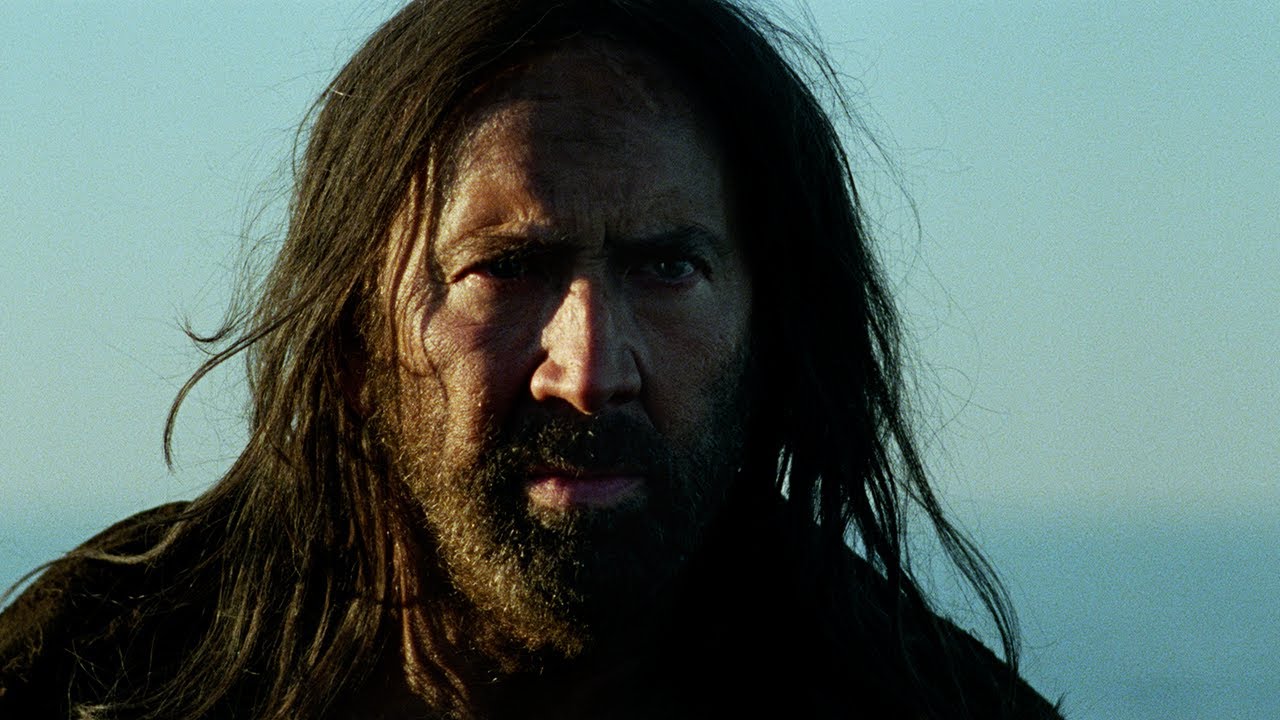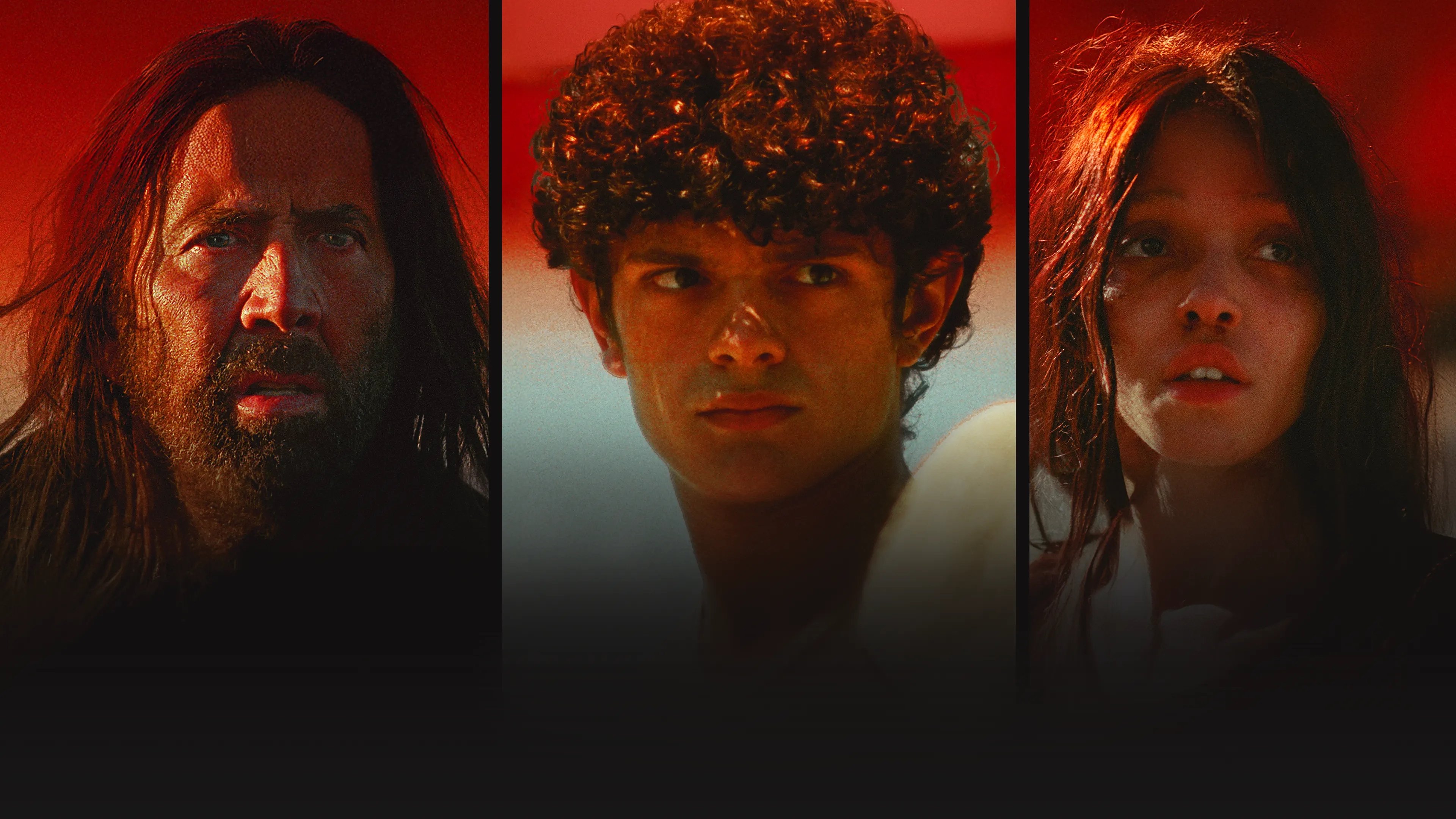
When The Carpenter’s Son was released in November 2025, it arrived with a premise audacious enough to ruffle feathers across multiple audiences—a horror film reimagining the teenage years of Jesus Christ, with Nicolas Cage as Joseph and a young, gifted Noah Jupe as the mysterious “Boy.” Director Lotfy Nathan crafted something genuinely transgressive here, a film that doesn’t just push genre boundaries but actively questions what religious storytelling can accomplish within the horror framework. In an era where faith-based cinema often plays it safe, Nathan’s refusal to do so feels almost revolutionary, even if the box office returns remained elusive.
The critical reception told a complicated story. With a 5.3 IMDb rating from early voters, The Carpenter’s Son clearly divided audiences and critics alike. This wasn’t a film designed to please everyone—and frankly, that’s precisely what makes it interesting to examine. The $10 million budget suggested a mid-tier production with genuine creative ambition rather than studio safeguards, and that creative freedom shows throughout the film’s tight 1 hour 34 minute runtime. There’s no fat here, no studio-mandated exposition dumps or manufactured plot threads. Everything serves the central tension: a guardian questioning his charge, a boy wielding inexplicable powers, and the creeping realization that something far more cosmic and terrifying is unfolding.
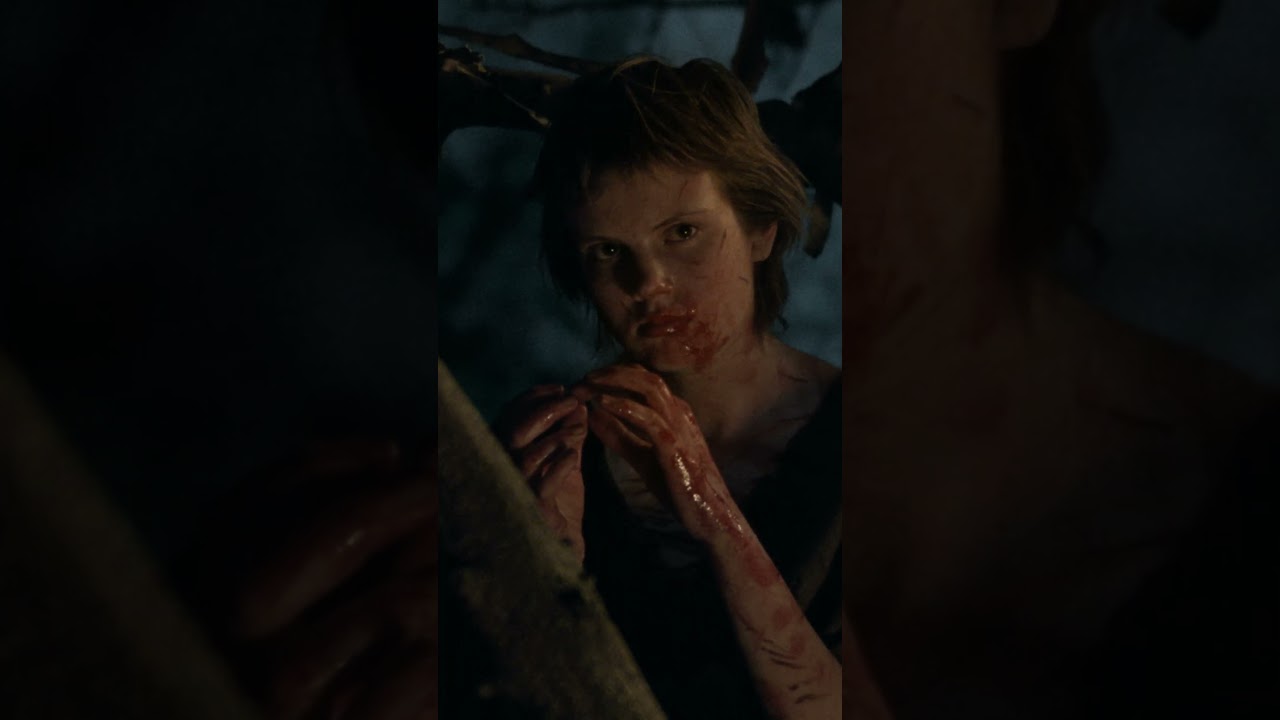
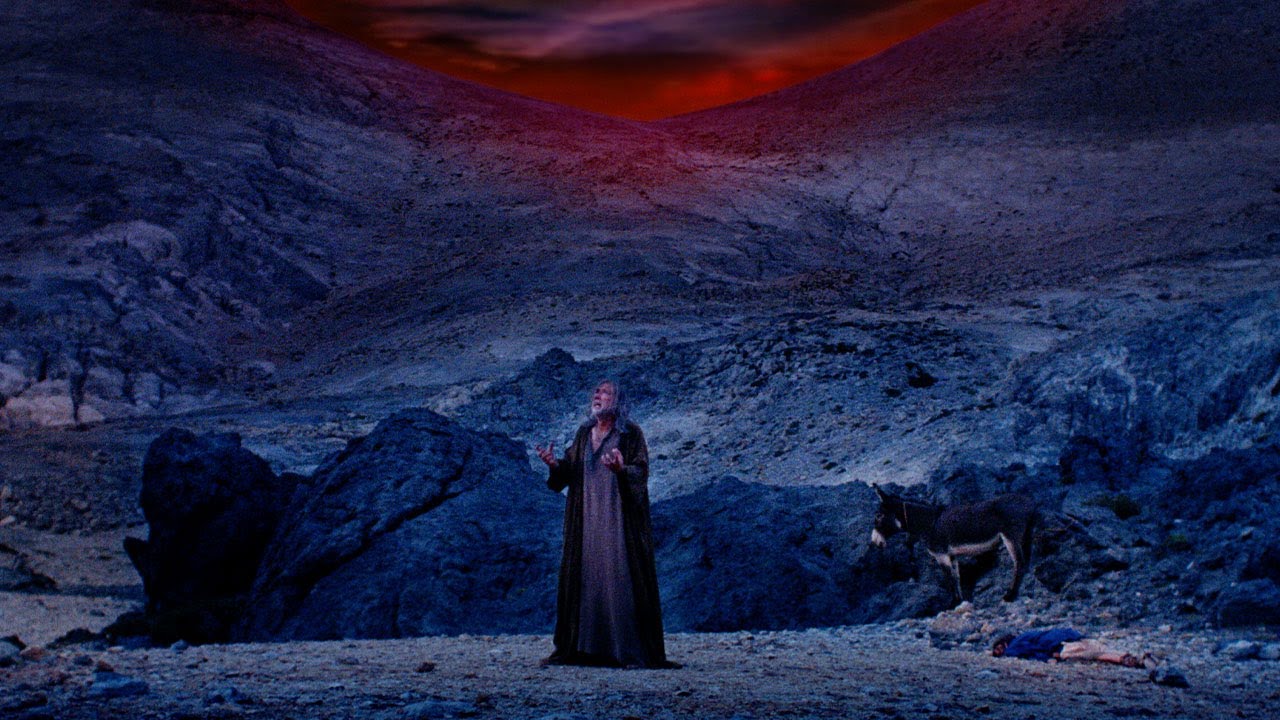
What Nathan achieves, regardless of audience reception, is a clear artistic vision. Rather than playing Jesus as myth or symbol, he grounds the story in teenage rebellion and supernatural horror. The “Boy” doesn’t know what he is or what he can do, and his powers—described as both natural and divine in origin—become increasingly dangerous as they manifest. Joseph faces the impossible task of protecting a child he doesn’t fully understand, creating a domestic horror scenario wrapped in theological dread.
> “Deliver us from evil” — the film’s tagline cuts to the heart of what Nathan is exploring: the question of whether salvation and damnation are products of divine will or something far more ambiguous.
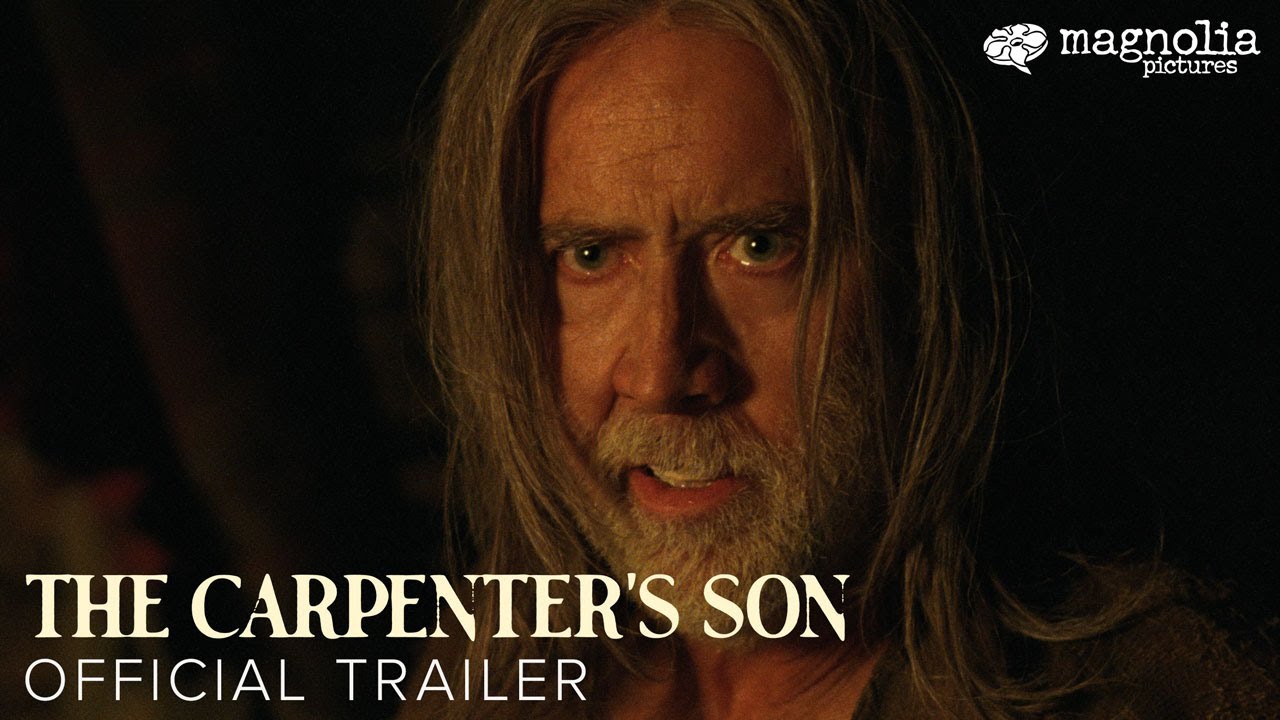
The casting choices themselves reveal Nathan’s strategic thinking about tone and credibility. Nicolas Cage brings a weathered gravity to Joseph that few actors could manage. Cage has long excelled at playing men pushed to the edge of reason—characters struggling against forces beyond their comprehension. Here, he anchors the film in a kind of desperate, fatherly bewilderment. Noah Jupe, meanwhile, has demonstrated remarkable range in projects like A Quiet Place and The Night Bites, and his performance as the Boy reportedly balances vulnerability with an unsettling otherworldliness. The inclusion of FKA twigs—an artist known for her own challenging multimedia work—suggests Nathan wasn’t interested in conventional dramatic performances. Twigs brings an avant-garde sensibility to whatever role she inhabits, adding another layer of artistic intentionality to the production.
The ensemble of production companies behind the film—Anonymous Content, Curious Gremlin, Cinenovo, Saturn Films, Spacemaker Productions, and BlueLight—represents exactly the kind of international, indie-minded coalition that enables ambitious projects to exist outside traditional studio frameworks. This wasn’t a tentpole film; it was a passion project with backing that understood the risk.
In terms of cultural impact and legacy, several elements stand out:
-
The film sparked significant discourse about the boundaries of religious subject matter in horror cinema. Whether you admired or detested the film, it forced conversations about what stories deserve telling and who gets to tell them.
-
Nathan’s approach influenced how subsequent indie horror filmmakers approached faith-based narratives—with intellectual rigor rather than reverence or mockery.
-
The film proved that Nicolas Cage’s career renaissance (accelerated through projects like Renfield and Dream Scenario) had opened doors for more experimental material from major actors willing to take risks.
-
The 94-minute structure became something of a case study for how to execute horror economy—proving you don’t need extended runtime to create genuine dread.
What makes The Carpenter’s Son worth returning to, beyond initial critical dismissal, is its refusal to apologize for its premise. Whether the film ultimately succeeds or fails on its own terms becomes almost secondary to the fact that it exists at all—that a director like Lotfy Nathan could assemble resources and talent to explore such provocative material. In an industry increasingly risk-averse, that matters.
The unknown box office performance actually adds another layer of intrigue to the film’s legacy. It didn’t become a breakout hit or a cultural phenomenon, which perhaps makes it more interesting as an artifact. It’s a film that exists on its own terms, evaluated by those curious enough to seek it out rather than those drawn by marketing momentum. That’s increasingly rare, and increasingly valuable.