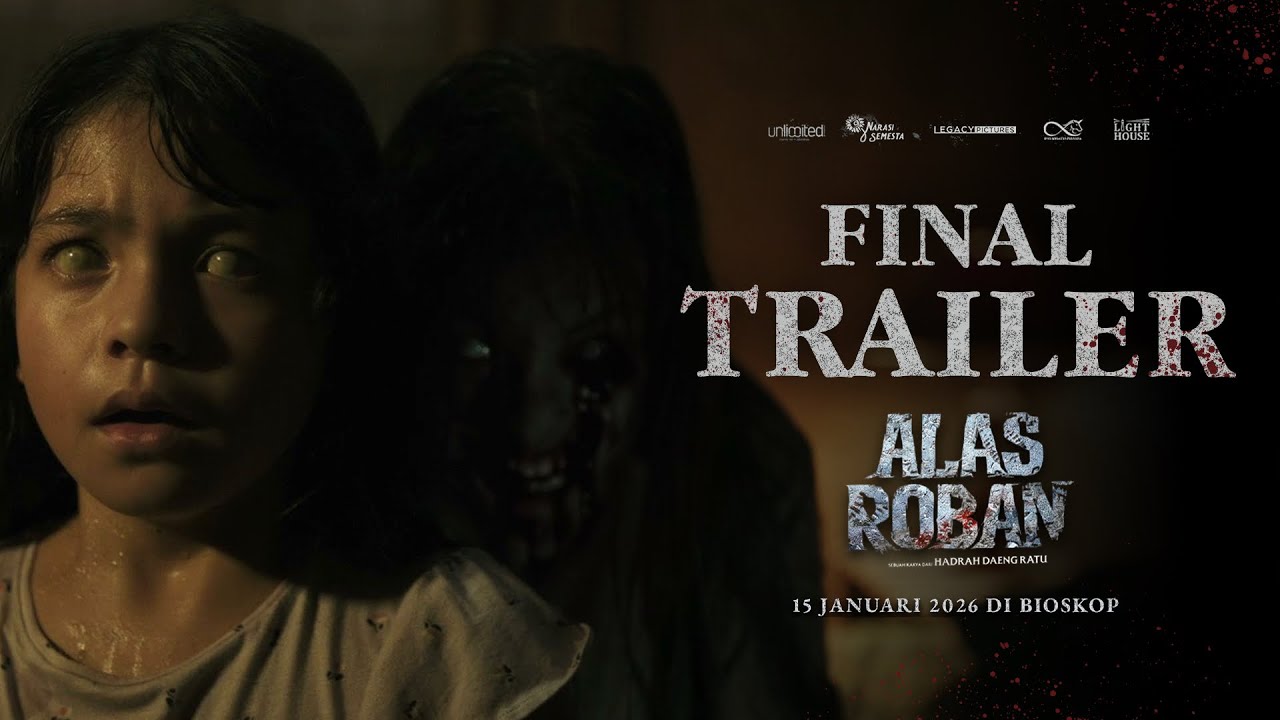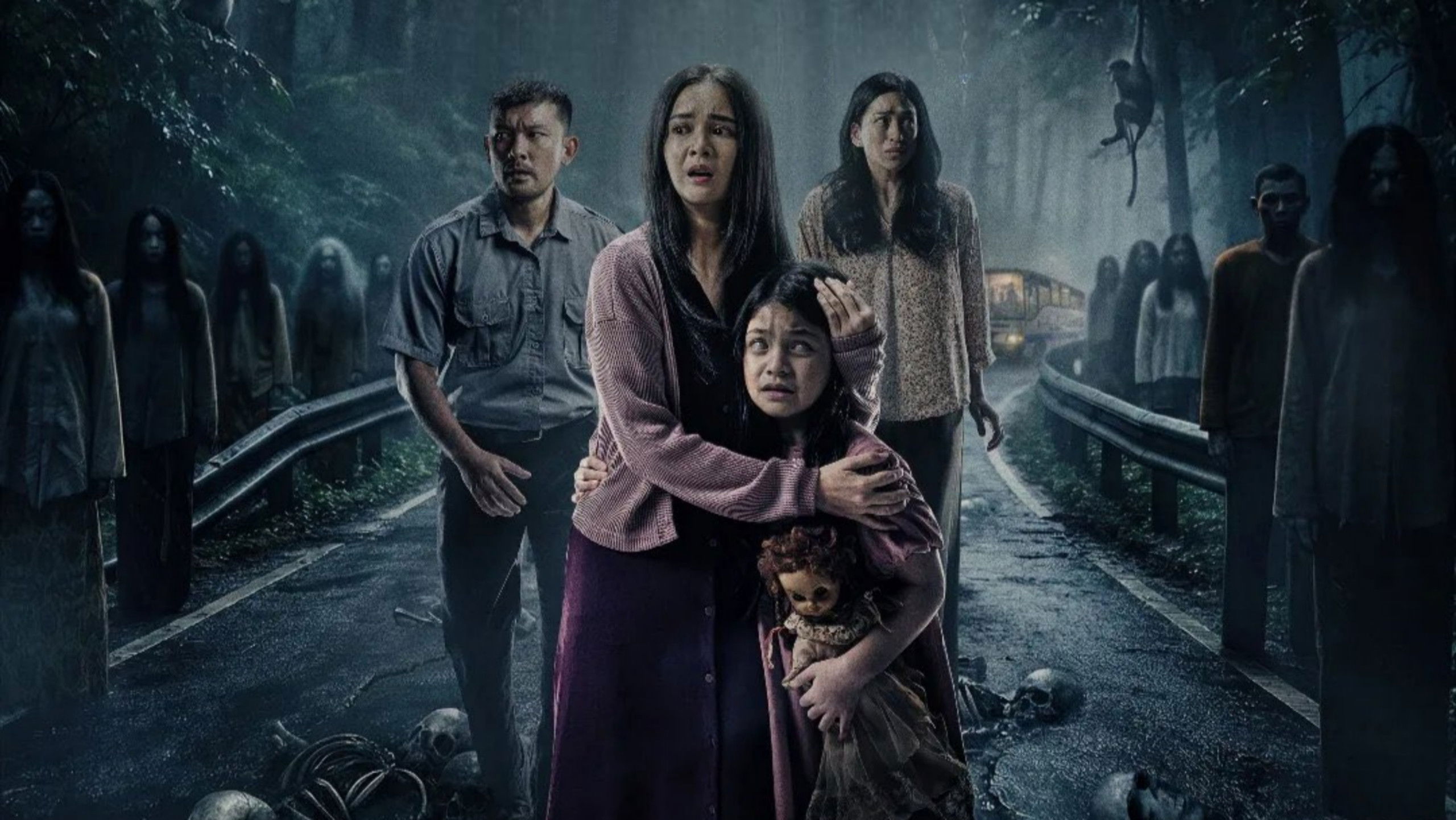
When Alas Roban premiered on January 15, 2026, it arrived with considerable momentum—176,000 viewers on opening day suggested audiences were hungry for what director Hadrah Daeng Ratu was offering. Yet what followed tells a more complicated story about the state of contemporary horror cinema and what happens when ambitious vision meets market expectations.
The film itself is a lean, focused piece of work. At just under two hours, Ratu constructs a taut narrative centered on Sita, a single mother, and her daughter Gendis as they experience increasingly disturbing supernatural occurrences after their bus breaks down on the notorious Alas Roban route. It’s a premise that taps into something genuinely unsettling—the vulnerability of being stranded, the terror of maternal helplessness, the creeping dread of an unfamiliar landscape. These aren’t new ingredients in horror, but they’re potent ones.
What makes Ratu’s approach worth examining is how deliberately he seems to work within the Indonesian horror tradition while attempting something slightly different. Rather than relying solely on jump scares or gore spectacle, Alas Roban appears invested in atmospheric tension and the psychological deterioration that comes from isolation. The horror here is as much about what the characters can’t do—escape, protect each other completely, understand what’s happening—as it is about what they encounter.
The ensemble cast brings considerable weight to this framework:
- Michelle Ziudith carries the film as Sita, tasked with embodying both maternal strength and creeping vulnerability
- Rio Dewanto and Fara Shakila round out a deliberately modest cast that keeps the focus intimate and claustrophobic
- The chemistry between leads suggests a familiarity that serves the family dynamic well
- Limited cast size actually works in the film’s favor, concentrating emotional stakes rather than diffusing them
Yet the critical reception—a 5.2/10 rating across early reviews—suggests audiences and critics found something to resist. The 176,000 opening day viewers represented curiosity more than word-of-mouth enthusiasm, and viewership declined notably afterward. This gap between initial interest and sustained engagement tells us something worth considering: what works theoretically doesn’t always translate to what works experientially.
This is where the film’s legacy becomes interesting precisely because it’s not a roaring success. Alas Roban arrived during a period when Indonesian horror was experiencing a creative renaissance of sorts, with filmmakers increasingly drawing on local folklore and regional anxiety rather than importing Western frameworks wholesale. Ratu’s film sits within this moment—produced by a coalition of studios including Unlimited Production, Narasi Semesta, Legacy Pictures, Dwi Abisatya Persada, and Lighthouse Capital Management—suggesting institutional confidence in the project.
The financial picture remains opaque (both budget and total box office were never publicly clarified), but the lukewarm critical reception likely sealed whatever commercial hopes existed. In an industry where word-of-mouth can make or break a film, a 5.2 rating essentially functioned as a barrier to sustained audience engagement.
> What’s worth asking isn’t whether Alas Roban succeeded, but what it reveals about the horror genre’s current state—both in Indonesia specifically and globally. The film’s failure wasn’t a failure of ambition or craft; it was a failure of connection, and that distinction matters.
Consider what Alas Roban attempted to do:
- Prioritize atmosphere over convenience—refusing easy explanations or cathartic resolutions
- Center maternal experience as the primary lens for horror, which remains relatively uncommon
- Respect audience intelligence by trusting audiences to sit with dread rather than resolving it
- Localize horror in ways that felt specifically Indonesian rather than generically “exotic”
These aren’t commercial instincts. They’re artistic ones. The fact that they didn’t connect with audiences in the way producers presumably hoped suggests something about what contemporary viewers want from their horror experiences—perhaps more clarity, more conventional narrative satisfaction, or simply different kinds of scares altogether.
The film’s legacy, then, might be less about what it achieved commercially and more about what it represents: a moment when ambitious filmmakers were still willing to make genuinely challenging horror in a landscape increasingly dominated by franchise requirements and algorithm-optimized content. Ratu’s collaboration with this ensemble of production companies created something that, whatever its flaws, refused to be entirely conventional.
For film historians and genre enthusiasts, Alas Roban functions as a useful artifact—a reminder that interesting work sometimes finds minimal audiences, that critical indifference doesn’t necessarily mean artistic failure, and that horror cinema remains a space where filmmakers can still take risks even when those risks don’t pay off. The fact that it came and went relatively quietly isn’t a tragedy. It’s simply the reality of ambitious mid-budget cinema in an era of infinite content options.