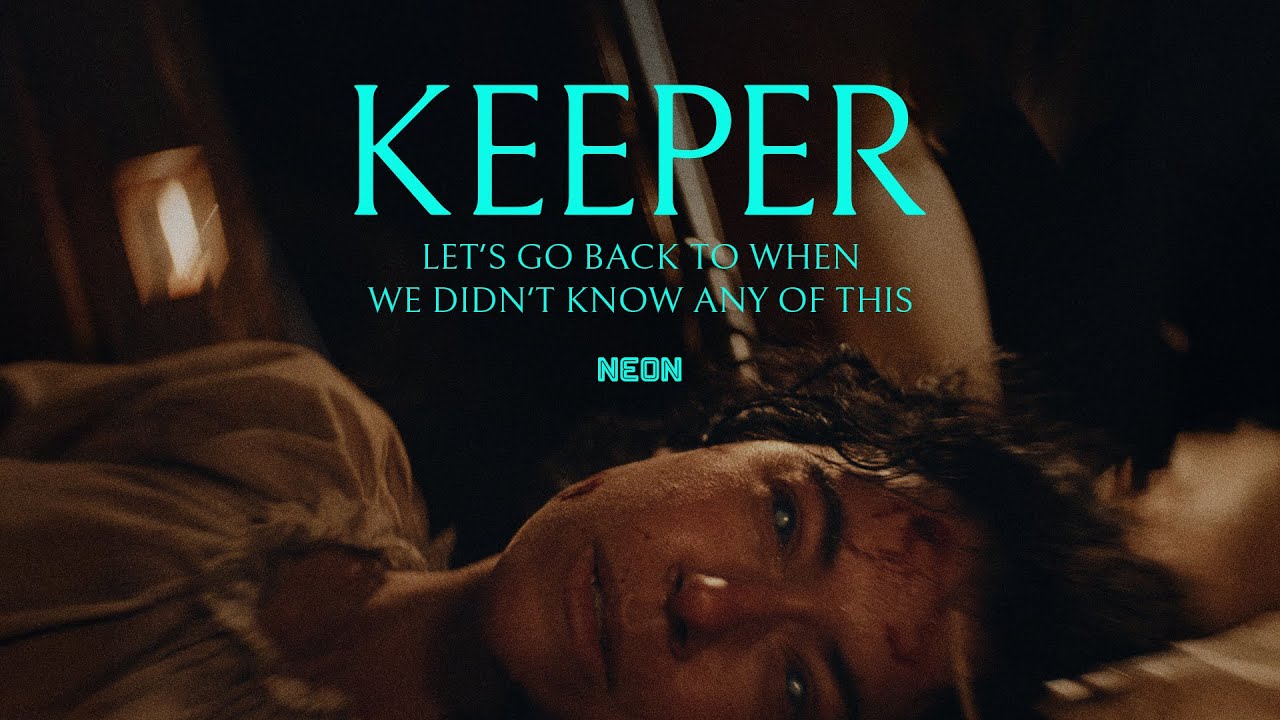
Osgood Perkins has built a career on films that occupy uncomfortable spaces—narratives that refuse easy answers and visuals that linger in your peripheral vision long after the credits roll. When Keeper premiered in November 2025, it arrived as something of a curious artifact: a $6 million horror-mystery that would ultimately gross just under $5.5 million worldwide, making it a financial disappointment that nonetheless demanded serious attention from anyone paying close attention to where horror cinema was heading.
The film’s box office performance tells a familiar story about distribution and timing. Released through Neon in mid-November, Keeper opened to a devastating $1.1 million domestic weekend—the lowest opening of Perkins’ theatrical releases to date. By its second weekend, the numbers had deteriorated further, pulling in a mere $2 million. Industry observers noted that Neon seemed to have handled the release with minimal promotional muscle, almost as if the studio had already decided the film’s fate before audiences could decide for themselves. That kind of studio apathy stings, especially for a 99-minute thriller that wasn’t made on a shoestring budget but still fell short of recouping its costs.
Yet here’s what matters about Keeper beyond its commercial struggles: the film represents something genuinely singular in contemporary horror cinema. Perkins has never been interested in jump scares or the mechanics that make audiences flinch. Instead, he constructs dread through implication, through what remains unsaid and unseen. In Keeper, that sensibility reached something like full expression, working with cinematography and sound design that prioritized psychological discomfort over obvious thrills.
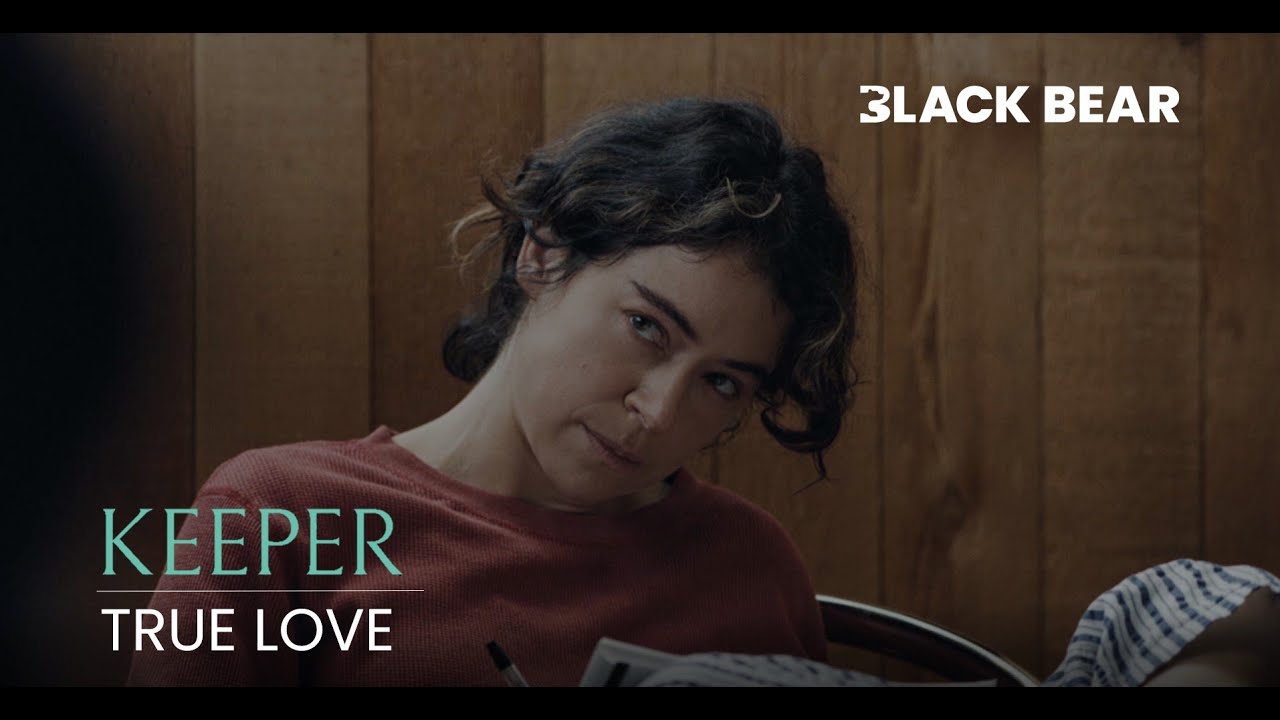
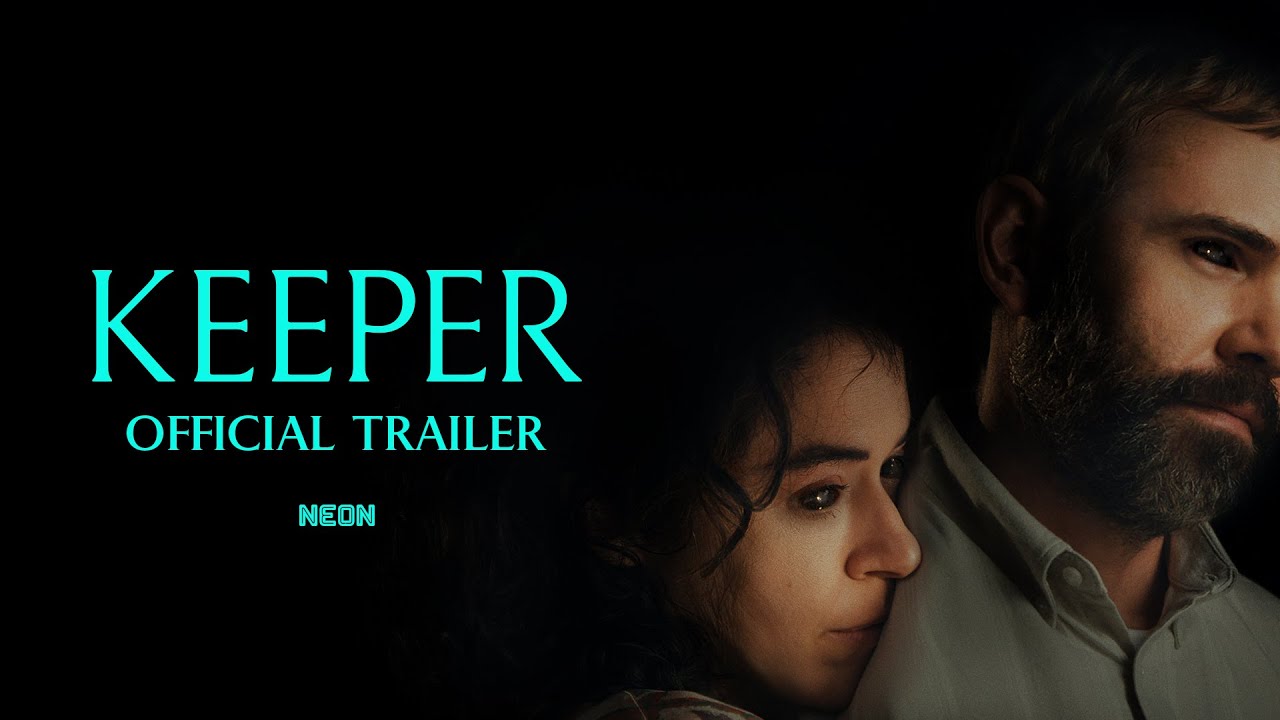
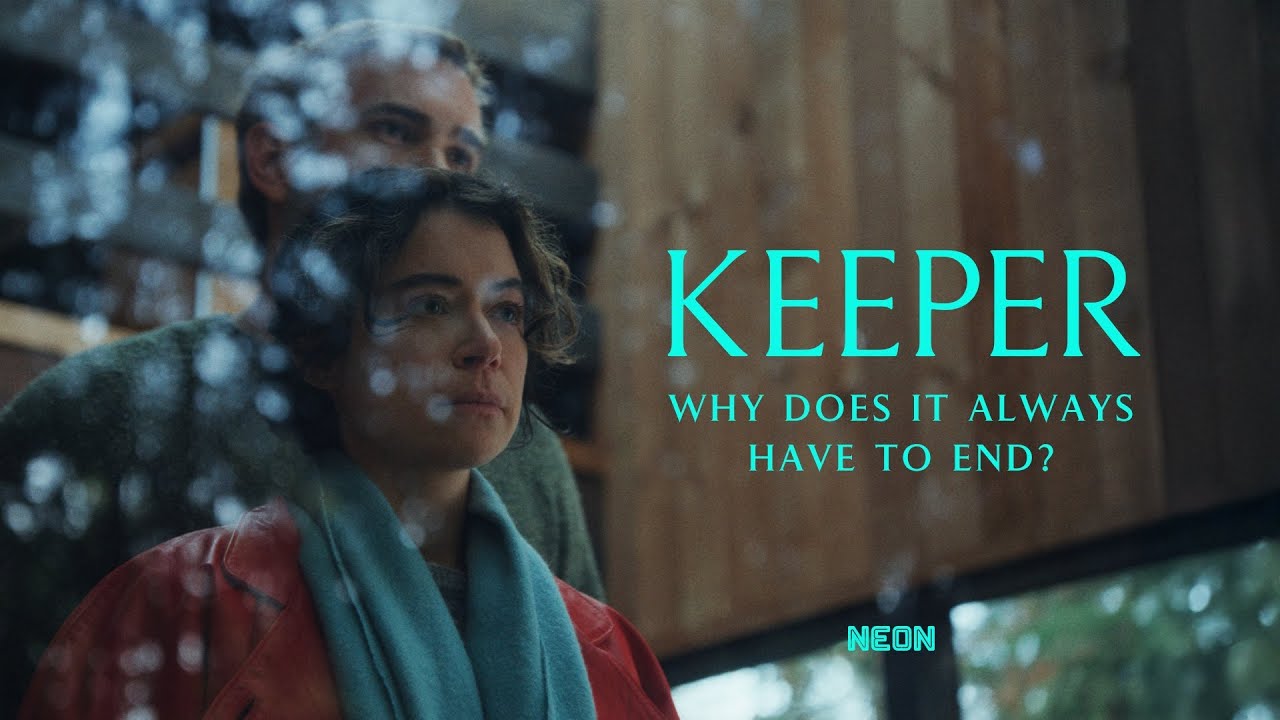
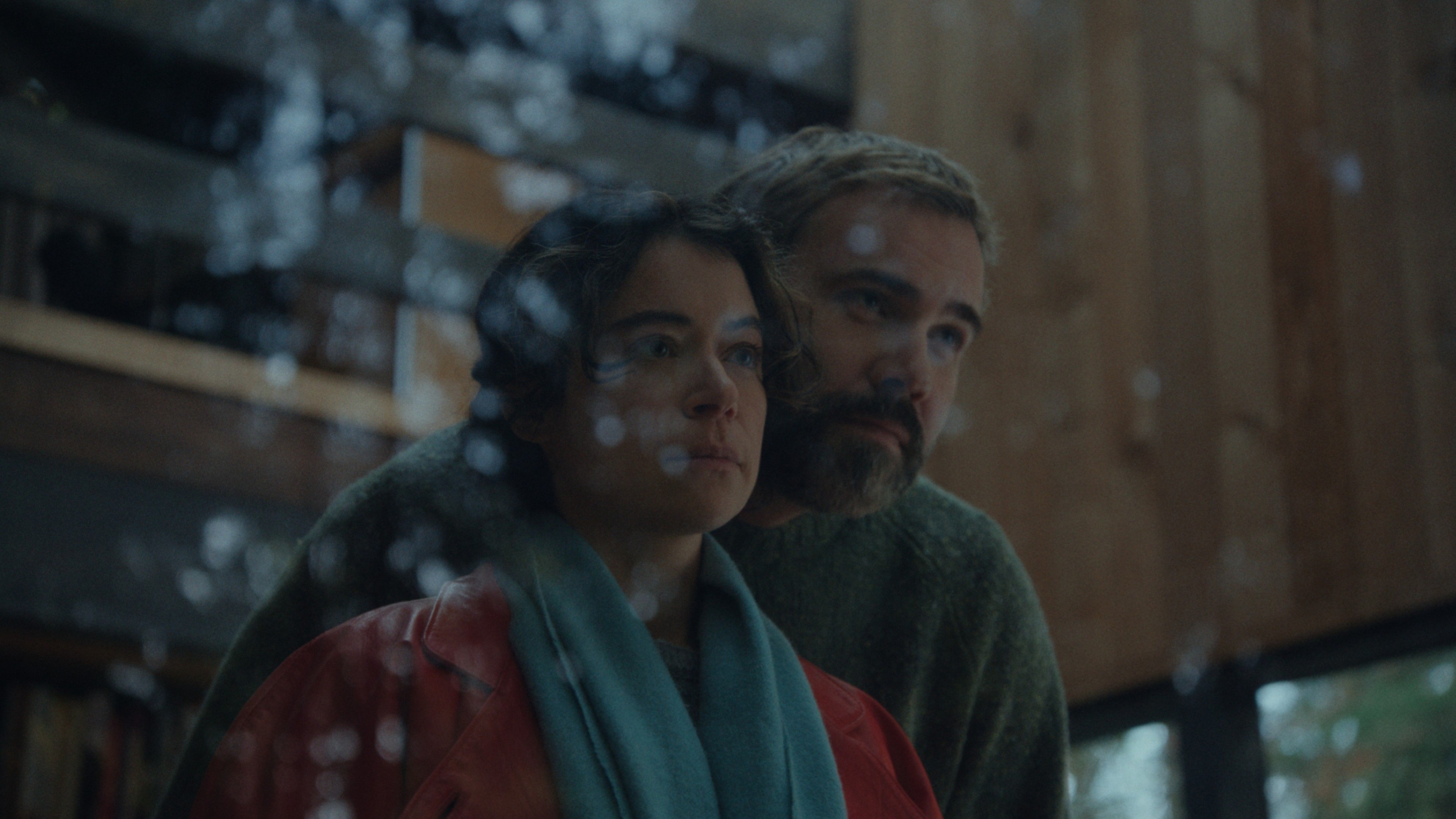
Tatiana Maslany carried the film with the kind of controlled vulnerability that’s become her signature. Best known for her chameleonic work in Orphan Black and her recent Marvel appearances, Maslany stepped into a leading role that demanded something different—a character caught in a situation that slides gradually from domestic unease into something far darker. Opposite her, Rossif Sutherland and newcomer Birkett Turton created a triangle of relationships that never quite resolved into comfortable patterns.
The creative collaboration between Perkins and his cast suggested something important:
- Perkins’ directorial approach relied on extended takes and minimal cutting, forcing actors to sustain tension through performance rather than editorial manipulation
- Maslany’s interpretation of her character avoided victimhood clichés, instead playing someone actively complicit in the film’s moral ambiguities
- The supporting cast operated within a register of understated menace, suggesting violence and control through glances and silences rather than explicit confrontation
- Runtime efficiency — at just 99 minutes, the film moved with purposeful momentum, avoiding the bloat that often weakens contemporary horror
What makes Keeper significant, ultimately, isn’t whether it succeeded at the box office or achieved a 5.5/10 critical consensus. It’s that the film arrived as evidence of Perkins’ continued commitment to a brand of horror that trusts audiences to sit with discomfort, to extract meaning from what’s implied rather than spelled out. In an era when horror increasingly chases data-driven audience reactions and algorithmically determined scares, Keeper felt genuinely countercultural.
> The film’s cultural legacy, if we’re being honest, will likely be discovered in retrospect rather than celebrated upon release. This is the pattern Perkins’ career has followed—initial dismissal or indifference, followed by gradual critical reassessment as cinephiles recognize what they initially overlooked.
The 109 votes and mixed reviews on aggregator sites tell a particular story: relatively few people watched Keeper, but those who did held divergent opinions. That kind of fractured reception suggests a film that resists consensus, that refuses to be easily categorized as either “good” or “bad” in traditional terms. Some viewers undoubtedly found the pacing glacial, the narrative opaque, the payoffs insufficient. Others recognized the deliberateness of these choices, the way Perkins was working against audience expectations.
What remains striking about the film—and what might ensure it a longer shelf life than its theatrical run suggested—is how it reflects larger tensions within contemporary horror cinema. The genre finds itself caught between two impulses: the industrial demand for products that test well with focus groups and perform predictably on streaming platforms, and the artistic impulse toward genuine uncertainty and moral ambiguity. Keeper exists firmly in that second camp, which is exactly why it struggled to find an audience in 2025 but may find one in the years to come.
The international market provided about 23% of the film’s revenue, suggesting that Perkins’ sensibility has some appeal beyond domestic audiences, even if it’s limited. These numbers matter less as commercial indicators and more as markers of where independent horror cinema stands—precarious, underappreciated, dependent on the faith of distributors and the devotion of dedicated viewers rather than mainstream embrace.
In the end, Keeper matters because it exists at all, because Perkins was able to make a film on his own terms with a substantial budget and creative control intact. Whether the film resonates with you personally becomes almost secondary to the fact that cinema this uncompromising still gets made, still reaches screens, still finds audiences willing to engage with it. That’s the real legacy—not box office totals or critical scores, but the stubborn insistence that horror can be more than product, that audiences can be trusted with uncertainty, and that sometimes the most important films arrive wearing the markers of failure.