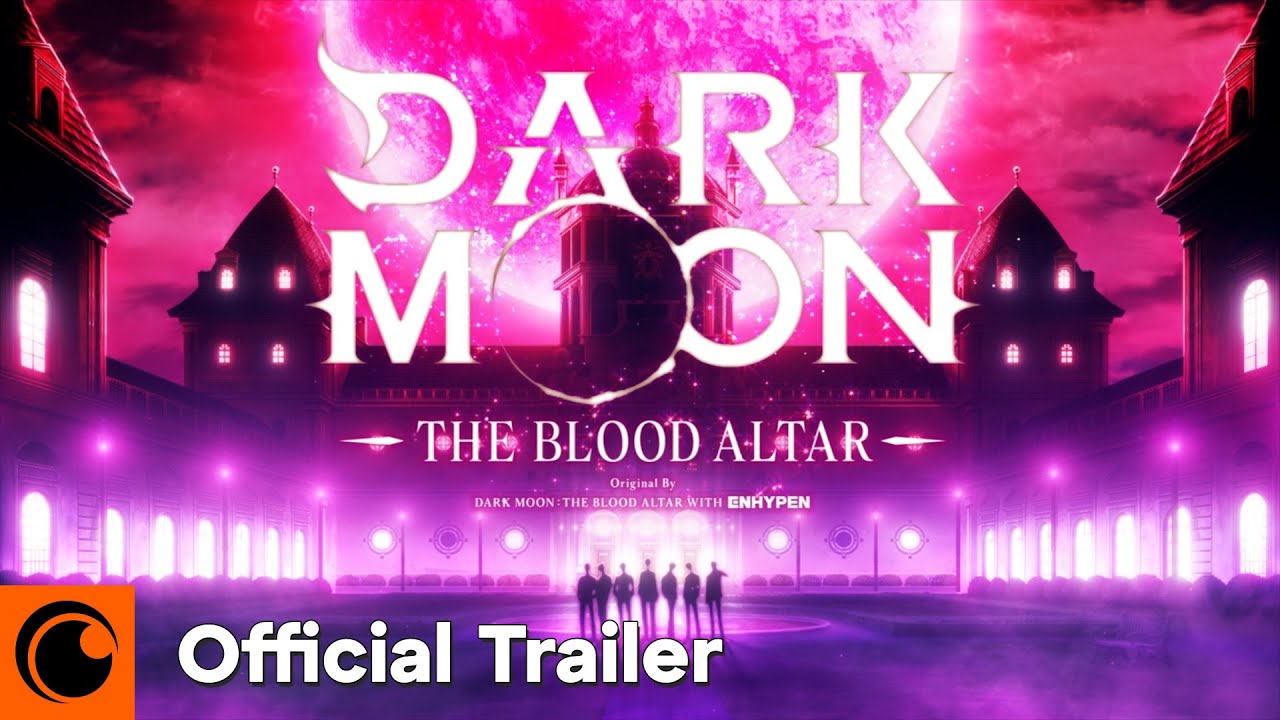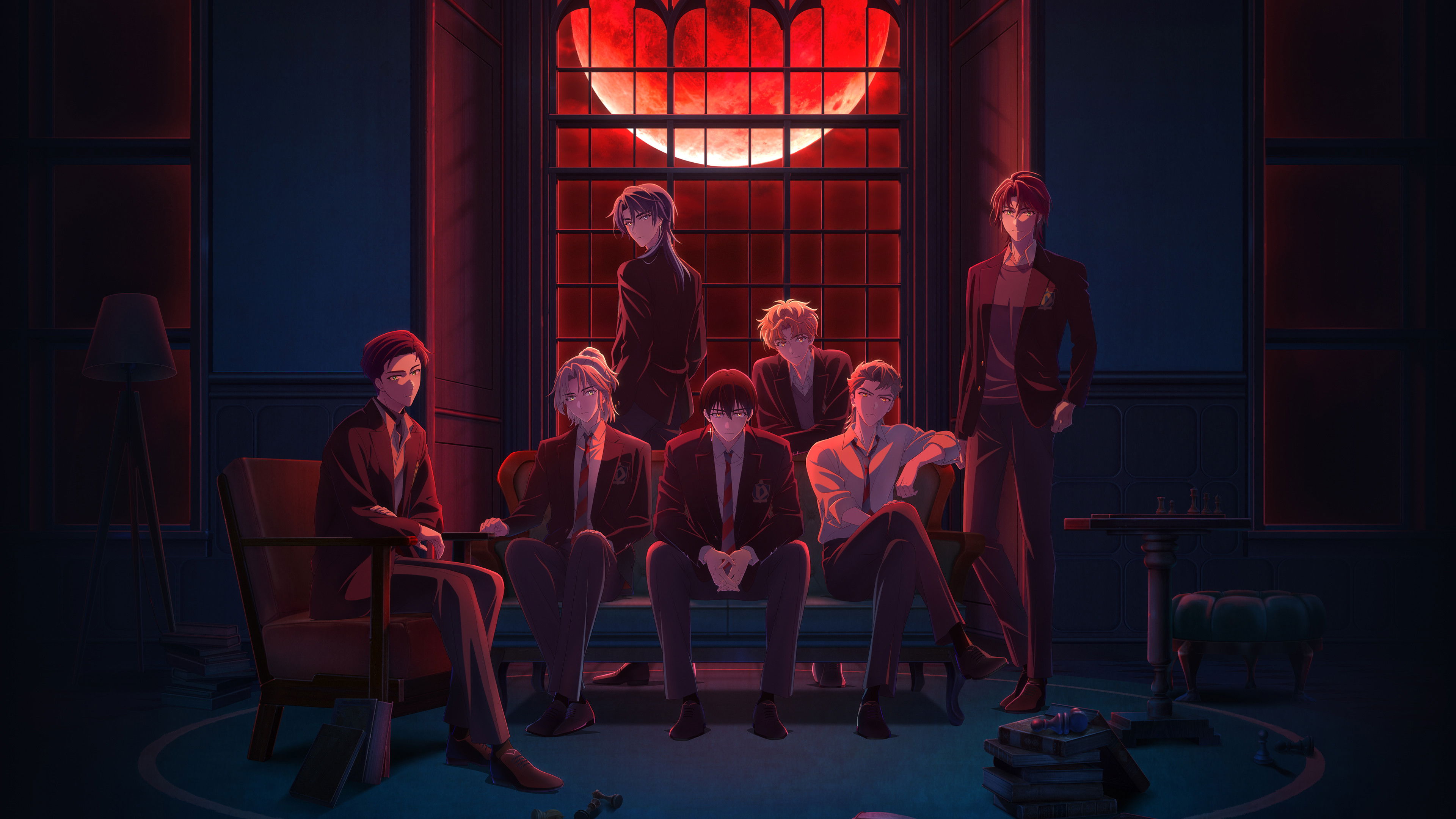
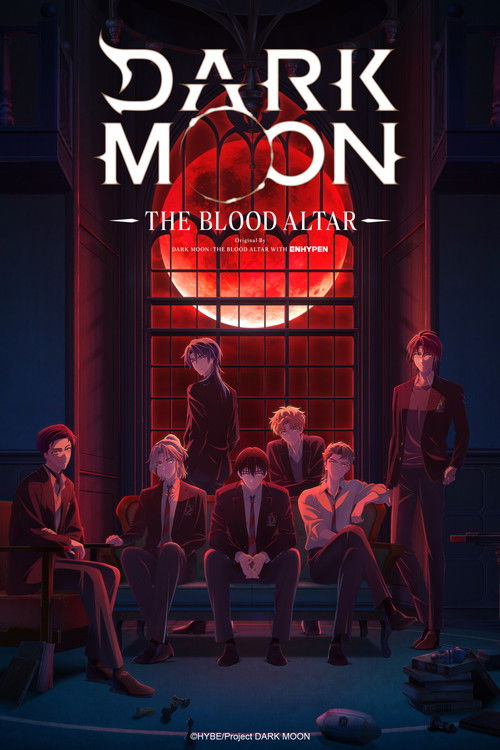
When Dark Moon: The Blood Altar premiered on January 10th, 2026, it arrived with the kind of anticipation that only comes when a beloved source material finds the right creative team. What unfolded across those 12 meticulously crafted episodes was something that transcended typical vampire romance fare—it was a masterclass in balancing supernatural intrigue with genuine emotional depth. The show didn’t just adapt its webtoon source; it transformed the medium itself, proving that animation could deliver nuanced character work alongside jaw-dropping visual spectacle.
The premise might sound familiar on its surface: seven vampire boys, each harboring shadows from their past, suddenly find their carefully constructed world disrupted by Sooha, a transfer student who despises vampires with every fiber of her being. But what makes this concept sing is the execution. Rather than defaulting to tired tropes about forbidden love or instant attraction, the series took time to explore how genuine connection forms between people whose existence should be fundamentally incompatible. The creative vision clearly rejected easy answers, instead asking harder questions about identity, acceptance, and what happens when your nature doesn’t define your worth.
What stands out most is how the show structured its narrative around mystery and revelation. Instead of frontloading exposition about these boys and their pasts, Dark Moon trusted its audience to piece together fragments—a lingering glance that suggests centuries of accumulated pain, dialogue that hints at shared traumas, visual storytelling that communicated what words couldn’t. This approach created something rare in animation: genuine suspense about character motivations rather than just plot developments.
The 9.6/10 rating speaks to how thoroughly the show connected with audiences, but numbers don’t capture the real story—fans were discussing specific character moments weeks after episodes aired, debating interpretations of ambiguous scenes, creating fan theories that circulated across platforms.
The cultural impact of Dark Moon: The Blood Altar became impossible to ignore almost immediately. Key moments from the series became instant talking points:
- The revelation scenes that fundamentally recontextualized earlier interactions between characters
- A particular episode dealing with vulnerability and trust that sparked widespread discussions about toxic masculinity in romance narratives
- Visual sequences that became iconic enough to be recreated in fan art within hours of airing
- The chemistry between Sooha and the ensemble cast, which defied the typical “chosen one” narrative structure
What made the show’s influence particularly significant was how it sparked conversations beyond typical anime fandom circles. The series engaged broader audiences interested in how supernatural romance could address real emotional themes—abandonment, self-worth, the desire for connection despite fear of harm.
From a purely technical standpoint, the creative achievement here cannot be overstated. Animation in the sci-fi and fantasy space often emphasizes scale and spectacle, but Dark Moon proved that intimacy was equally compelling. Close-up character animation conveyed emotional states with precision; subtle expressions told stories that dialogue could only support. The flexible runtime approach—adapting each episode’s length to serve the story rather than fitting predetermined constraints—allowed scenes to breathe, building tension and intimacy at a pace that felt organic rather than manufactured.
The seven vampire characters each emerged as fully realized individuals rather than archetypes filling narrative slots. The show’s writers understood that audiences would bond with these characters, and they rewarded that investment with complexity and growth. Whether viewers found themselves drawn to the stoic protector, the guilt-wracked leader, the irreverent jokester hiding genuine pain, or any of the others, there were meaningful character arcs that justified the emotional attachment.
The decision to conclude the first season while maintaining a “Returning Series” status was particularly shrewd storytelling. Rather than leaving massive cliffhangers or unresolved tensions, the show allowed its first arc to reach a genuine culmination while clearly establishing that these characters’ journeys were far from over. This gave audiences genuine closure while building anticipation for what comes next—a balance that many shows struggle to achieve.
The role that Crunchyroll’s streaming platform played in amplifying the show’s reach cannot be ignored. Animation from diverse sources reaching global audiences simultaneously created a synchronous fandom experience that felt fresh and vital. Discussions happened in real-time across time zones, with viewers from different cultural backgrounds bringing their own interpretations and insights to the narrative.
Looking back at the premiere and the 12 episodes that followed, it’s clear that Dark Moon: The Blood Altar succeeded because it respected both its source material and its audience. It understood that great storytelling isn’t about high concepts or elaborate premises—it’s about characters we care about making meaningful choices within compelling circumstances. The show pushed boundaries not through shock value but through emotional honesty and visual artistry working in concert.
As we anticipate the return of Dark Moon: The Blood Altar, it’s worth appreciating what the first season accomplished. It demonstrated that there’s genuine hunger for supernatural fantasy that prioritizes character and consequence. In a landscape sometimes overcrowded with content, this show proved that thoughtful, beautifully executed storytelling still cuts through—and audiences will find it, support it, and carry it forward into cultural conversations that extend far beyond the initial premiere date.


![Official Trailer 2 [Subtitled]](https://img.youtube.com/vi/knWebSSmDSA/maxresdefault.jpg)