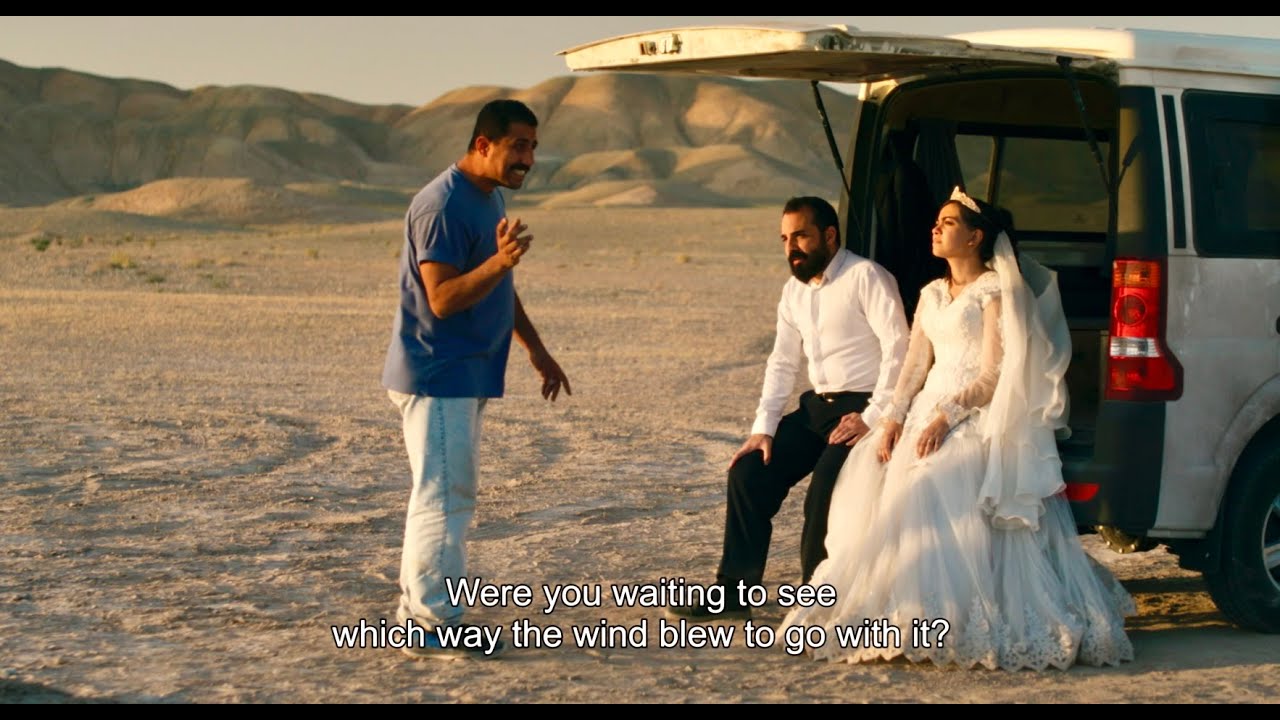
When Jafar Panahi’s It Was Just an Accident premiered at Cannes in May 2025, it felt like a moment cinema had been waiting for. Here was a filmmaker who’d spent years fighting against censorship, whose ban from filmmaking had only sharpened his artistic vision, finally returning to international competition with a work that didn’t just survive the struggle—it transcended it. The film’s Palme d’Or win wasn’t just recognition; it was validation that sometimes the most urgent stories come from those who’ve paid the deepest price for their art.
What makes this film so compelling is how deceptively simple its premise feels at first. On the surface, It Was Just an Accident presents itself as a thriller—a taut drama that unfolds over just 103 minutes with the precision of a Swiss watch. But Panahi does something far more ambitious here. He takes what could have been a conventional crime narrative and transforms it into something far more complex: an examination of morality, complicity, and the stories we tell ourselves to justify our actions. The title itself becomes ironic, a phrase we’ve all used to dodge accountability, yet the film refuses to let anyone off that easily.
The Creative Vision Behind the Film
Panahi’s approach to the material showcases his distinctive sensibility—that ability to find profound moral complexity in everyday moments. He’s always been interested in how ordinary people navigate extraordinary circumstances, and here that theme crystallizes beautifully. Working with cinematographer and production designer across international co-productions from France, Belgium, and beyond (ARTE France Cinéma, Les Films Pelléas, and others), Panahi created something that feels both intimately human and universally resonant.
Vahid Mobasseri carries the film with a performance of remarkable restraint, embodying a man slowly confronting the weight of his choices. There’s a quiet intensity to his work here—he doesn’t play for sympathy, which makes the character infinitely more compelling. Mariam Afshari and Ebrahim Azizi provide crucial counterbalances, their presences forcing the narrative to expand beyond any single perspective. Together, this ensemble created something rare: a thriller where we’re never quite sure who to trust, including ourselves.
> The film’s modest $6 million budget proved remarkably efficient, ultimately grossing $9.6 million worldwide and earning near-universal critical acclaim—a ratio that speaks volumes about the strength of Panahi’s artistic vision.
Why This Film Resonates Now
There’s something particularly potent about It Was Just an Accident arriving in 2025. We live in an age of competing narratives, where everyone constructs justifications for their actions, where accountability feels increasingly optional. Panahi’s film cuts through all that noise. It doesn’t offer easy answers, which is precisely why it matters. The 7.2/10 rating from audiences reflects something honest: this isn’t a film designed to comfort you. It’s designed to provoke, to question, to linger in your mind long after the credits roll.
What’s remarkable is how the film achieved such resonance without sacrificing narrative momentum. In under two hours, Panahi builds genuine tension while never losing sight of the human dimensions at play. Every scene serves multiple purposes—advancing the plot while deepening our understanding of character, exploring themes while maintaining thriller pacing. It’s the kind of economy that comes from a filmmaker who knows exactly what he’s doing.
International Recognition and Legacy
The film’s trajectory through major festivals and award bodies tells an important story. Beyond Cannes, It Was Just an Accident claimed dual honors at the Asia Pacific Screen Awards, with both best film and best director going to Panahi. This global recognition matters because it underscores something crucial: Panahi’s voice—forged through adversity, sharpened by censorship, refined through years of creative resistance—speaks to audiences everywhere. His is not a provincial vision; it’s a deeply human one that transcends geography.
The international production team assembled for this project reflects something significant about where cinema stands in 2025. When a filmmaker faces the kind of restrictions Panahi has endured, it takes courage from producers and distributors to support him. The collaboration between Jafar Panahi Productions and partners like Les Films Pelléas, Bidibul Productions, and ARTE France Cinéma represents cinema’s quiet resistance against cultural repression. These aren’t just commercial arrangements; they’re acts of artistic solidarity.
The Deeper Significance
What elevates It Was Just an Accident beyond a single accomplishment is how it functions as a capstone to a particular chapter in Panahi’s career while simultaneously opening new doors. This is a filmmaker working at the height of his powers, having survived attempts to silence him, returning with a work that’s both formally accomplished and thematically urgent. The film suggests that constraint, paradoxically, can generate creativity—that the struggle itself can become the source of artistic strength.
For audiences discovering this film, it offers something increasingly rare: a thriller that trusts viewers to sit with ambiguity, to grapple with moral questions that don’t resolve neatly. It refuses the comfort of clear villains and heroes, instead presenting a world where accidents happen, where consequences ripple outward, and where intention matters far less than we’d like to believe. In that refusal lies its power—and its lasting significance.


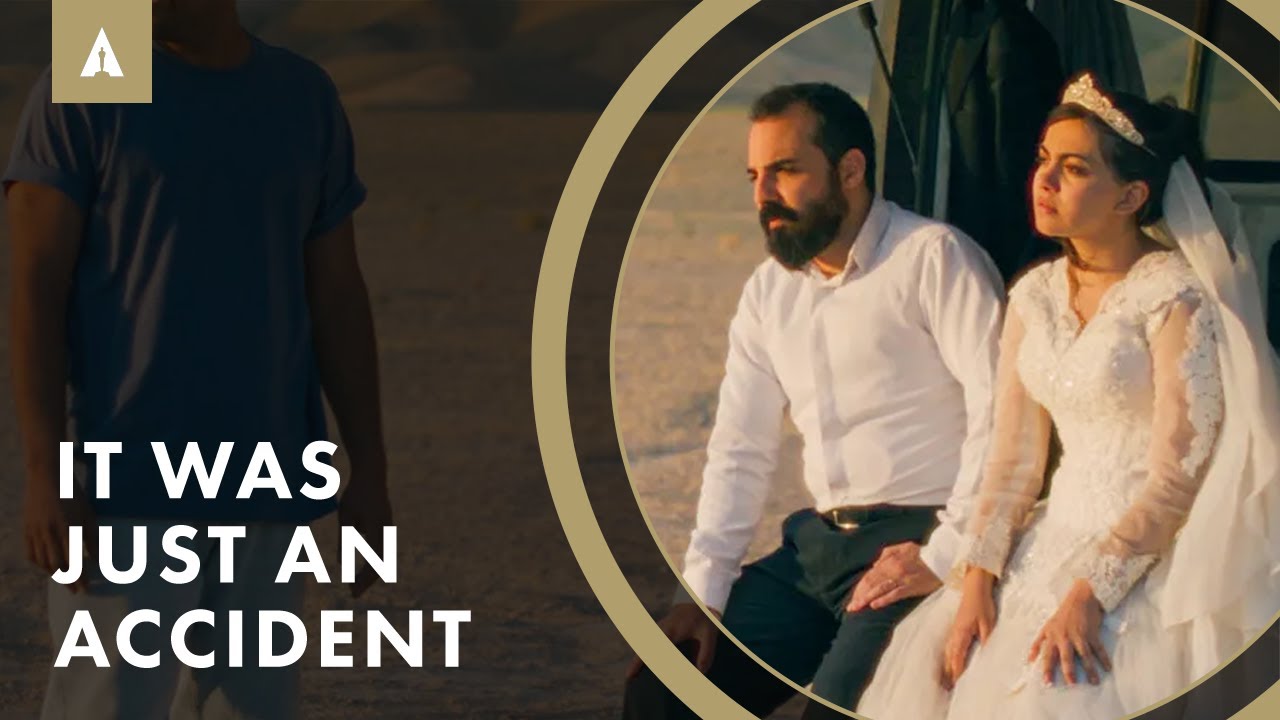
![Official International Trailer [Subtitled]](https://img.youtube.com/vi/9oHw2ubyWE4/maxresdefault.jpg)

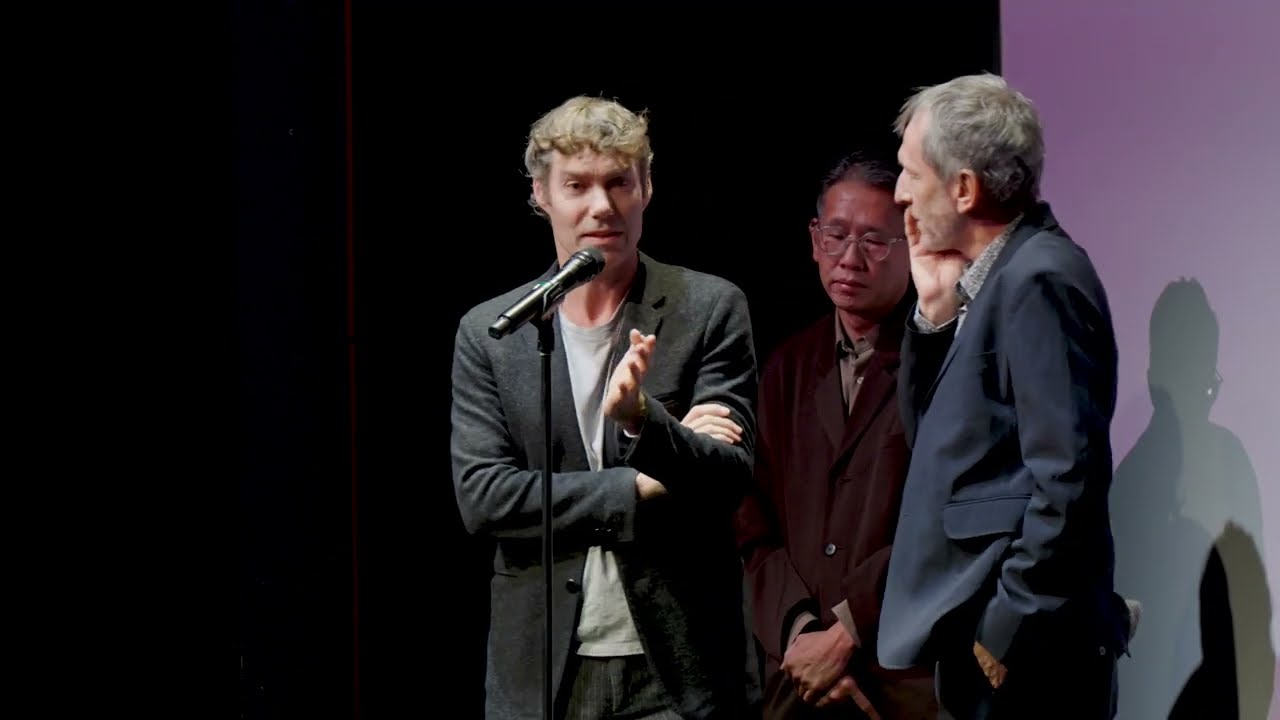

![Official Trailer [Subtitled]](https://img.youtube.com/vi/nF04v-ze2Yc/maxresdefault.jpg)