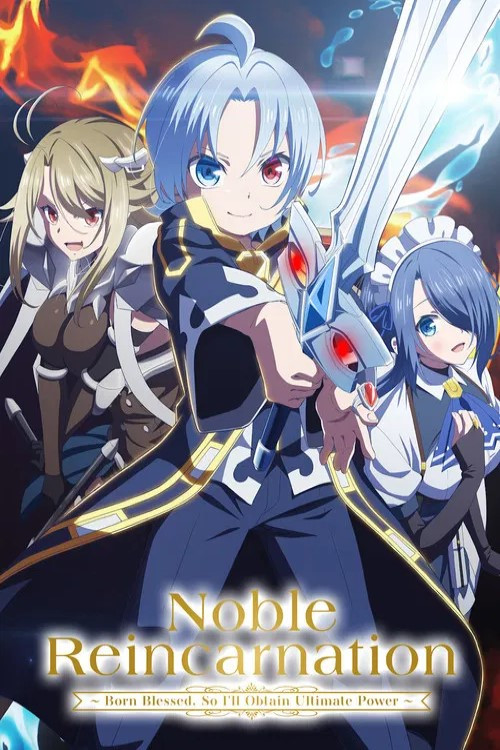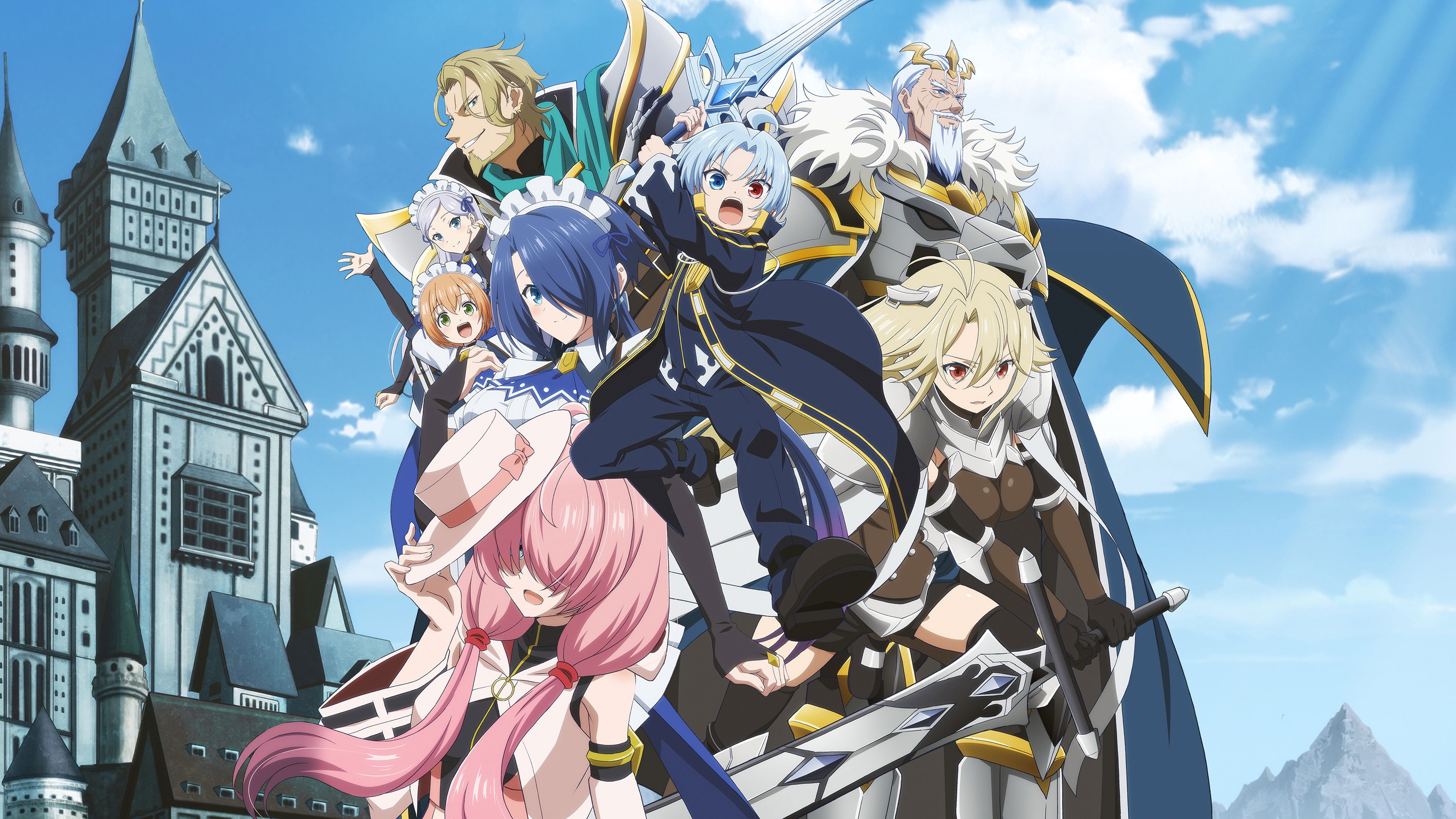
When Noble Reincarnation: Born Blessed, So I’ll Obtain Ultimate Power debuted on Tokyo MX on January 8th, 2026, it arrived amid a crowded landscape of isekai and reincarnation narratives. Yet something about this particular story—following the Thirteenth Imperial Prince Noah Ararat as he navigates a world where status windows reveal hidden potential—managed to cut through the noise and genuinely resonate with audiences. The show premiered to respectable numbers, but what’s truly remarkable is how it sustained viewer engagement across its lean 12-episode run, ultimately securing an 8.2/10 rating that speaks to something deeper than mere entertainment value.
What makes this series stand out is its commitment to treating the reincarnation premise not as a gimmick but as a genuine philosophical framework. Rather than wallowing in the typical power-fantasy beats we’ve grown accustomed to, the narrative uses Noah’s divine ability to perceive status windows as a lens through which to examine ambition, birthright, and what it actually means to be “blessed.” The show refuses easy answers, instead asking hard questions about whether innate talent is a gift or a burden when wielded without wisdom or purpose.
The creative decision to keep the episode runtime flexible likely served the storytelling well—it allowed each episode to breathe according to its narrative needs rather than conforming to rigid time constraints. This breathing room manifested in character moments that felt earned rather than rushed, giving viewers time to genuinely invest in Noah’s journey and the ensemble of nobles surrounding him. The pacing choices demonstrated confidence in the material, trusting that audiences would stay engaged without relying on constant action beats to maintain momentum.
“Born blessed doesn’t mean born complete.” This philosophical throughline became the show’s most memorable contribution to the isekai conversation, challenging the genre’s tendency toward instant gratification narratives.
The animation work by CompTown deserves particular mention. The visual presentation struck an impressive balance between dynamic action sequences and intimate character study. When the show needed to showcase the visceral thrill of combat or the spectacle of magical abilities revealing themselves through status windows, it delivered with genuine impact. But equally impressive were the quieter moments—conversations between characters where subtle expression changes conveyed internal conflict that dialogue alone couldn’t capture. This visual storytelling approach elevated what could have been a generic power-progression narrative into something with genuine emotional weight.
Audiences connected with this series for several interconnected reasons:
- The protagonist’s complexity — Noah isn’t a blank-slate self-insert; he’s a character with genuine fears and limitations despite his incredible potential
- The ensemble cast — Supporting characters received meaningful development rather than serving as mere obstacles or power-up mechanisms
- Thematic consistency — The show maintained its core philosophical questions throughout rather than abandoning them for spectacle
- The visual novel-inspired status window presentation — While not entirely original, the execution felt fresh and integrated seamlessly into the narrative rather than feeling like window dressing
The cultural footprint of Noble Reincarnation became most evident in how the fanbase engaged with its central tension: whether Noah would use his blessed status to serve others or himself. This moral ambiguity generated substantive discussions across streaming communities, with genuine debate about character motivations rather than simple celebration of power escalation. Certain episodes—particularly those exploring Noah’s relationship with his royal family and his emerging understanding that destiny isn’t predetermined—sparked conversations that rippled well beyond typical anime fandom spaces.
What’s particularly impressive is that the series accomplished this cultural resonance within its compressed 12-episode structure. Rather than padding the narrative or stretching thin concepts across multiple seasons, the creative team knew exactly what story they wanted to tell. Every episode advanced either Noah’s personal development or the world’s thematic exploration, resulting in remarkably little filler. In an era where streaming series often struggle with pacing, this efficiency felt almost revolutionary.
The show’s Returning Series status signals that creators and networks alike recognized they’d struck something valuable. The decision to return speaks to confidence in both the property and audience appetite for what comes next—there’s a sense that this first season established the foundation, explored its core questions, and now has space to push into more complex territory. This measured approach to continuation, rather than rushing to capitalize on success, suggests creators who respect both their material and their audience.
Looking back at the premiere and its aftermath, Noble Reincarnation: Born Blessed, So I’ll Obtain Ultimate Power succeeded because it remembered that reincarnation narratives work best when they’re fundamentally about transformation—not just power accumulation, but genuine character evolution. Noah’s journey resonated precisely because viewers could see a young man genuinely grappling with the weight of inherited advantage, trying to determine who he wanted to become rather than accepting who fate suggested he should be. That’s a story worth telling, and this series told it with intelligence, visual flair, and narrative discipline. For anyone interested in where anime’s storytelling is heading in 2026 and beyond, this show deserves your attention.