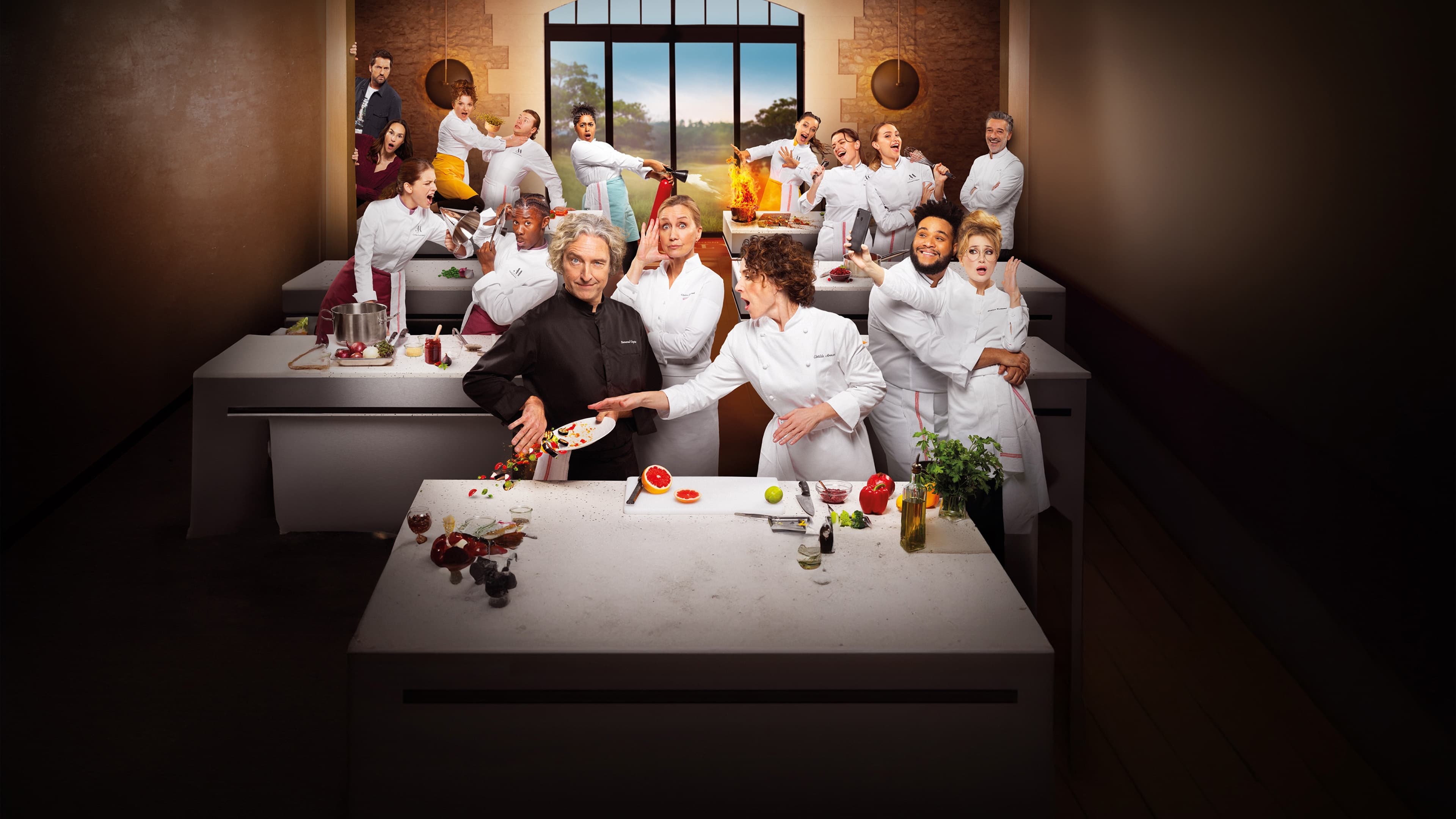
When Ici tout commence premiered on TF1 back in November 2020, it arrived at a moment when French television was hungry for something fresh—a show that could blend the comfort of familiar soap opera rhythms with genuine dramatic weight. What the creators Othman Mahfoud, Eric Fuhrer, and Coline Assous delivered was far more ambitious than a simple culinary drama. They crafted a universe where the kitchen becomes a crucible for human emotion, ambition, and family legacy, anchored by the compelling saga of a prestigious gastronomic school and the dynasty of chefs whose lives orbit around it.
The show’s foundation is deceptively simple: follow the trials and tribulations of a culinary school and the ambitious young chefs fighting to make their mark. But this premise opens doors to something richer. The 28-minute episode format—tight enough to maintain momentum, yet generous enough for character development—proved to be the perfect vessel for exploring both the high-stakes world of gastronomy and the deeply personal struggles of people learning to cook, love, fail, and grow. There’s an elegance to how these constraints shaped the storytelling; each episode needed to punch above its weight, delivering plot advancement while maintaining the soap opera’s essential emotional core.
What makes Ici tout commence particularly significant in the television landscape is how it managed to sustain itself across two seasons spanning an impressive 1,321 episodes. That’s not just longevity—that’s a commitment to world-building that genuinely engaged audiences. The show tapped into something audiences clearly craved:
- A multigenerational narrative exploring family bonds, professional rivalry, and culinary passion
- The chef’s world as character itself—the kitchen’s intensity becomes a metaphor for life’s pressures
- Romance woven into ambition—personal relationships constantly tested by professional dreams
- A sense of community where the school becomes as much a character as any individual
The 6.9/10 rating tells an interesting story about how audiences connected with the show. It’s not a universally acclaimed ratings juggernaut, and that’s actually refreshing. This isn’t a show designed to appeal to everyone equally; it’s unapologetically a soap drama with all the conventions that entails. The committed core audience that does embrace it understands exactly what Ici tout commence is offering: reliable emotional investment, compelling character arcs, and the guilty pleasure of watching beautifully shot kitchen sequences intertwined with genuine human drama.
> The show understood that in a gastronomic setting, every meal prepared carries emotional weight—a dish can represent ambition, love, redemption, or heartbreak all at once.
The cultural footprint of Ici tout commence extends beyond typical television consumption. In France particularly, the show became part of the fabric of TF1’s lineup, a reliable presence that viewers knew they could tune into for their weekly dose of culinary and romantic drama. The show sparked conversations about what it means to pursue excellence in a creative field, about family expectations, and about the human cost of ambition. These aren’t groundbreaking questions, but the show’s willingness to explore them with sincerity—without irony or detachment—resonated with audiences tired of postmodern exhaustion in their entertainment.
The creative vision behind Ici tout commence reveals a team that understood genre deeply. Rather than subverting soap opera conventions, Mahfoud, Fuhrer, and Assous leaned into them while elevating the execution. They recognized that what makes soap operas endure isn’t complexity for complexity’s sake, but rather the emotional honesty of watching characters navigate impossible situations repeatedly. The show’s setting in a culinary world provided visual richness that elevated the entire production—gorgeously plated dishes, steaming kitchens, and the sensory experience of cooking gave the soap opera format something television had largely left untapped.
The decision to continue as a returning series rather than conclude cleanly speaks volumes. This isn’t a show with a predetermined endpoint or a narrative designed to build toward some grand revelation. It’s a show that understands its power lies in the accumulation of moments, relationships, and small victories across hundreds of episodes. That’s either precisely what you want from television, or it’s precisely what you want to avoid—there’s little middle ground.
What’s particularly worth noting is how Ici tout commence succeeded in the streaming age without being initially designed for it. Arriving on the France Channel Amazon Channel, the show demonstrates that traditional broadcast television formats still possess cultural relevance and audience loyalty. The 28-minute runtime that once served commercial television breaks now works beautifully for streaming consumption—short enough to watch during a commute, yet substantial enough to feel satisfying.
The show’s journey since its November 2020 premiere has been a quiet success story. While it may never achieve the critical acclaim of prestige dramas or the explosive cultural impact of phenomenon series, Ici tout commence has done something arguably more impressive: it’s built a sustainable ecosystem where passionate storytelling about food, family, and ambition can thrive. For viewers who embrace it, that’s worth far more than any critic’s score.