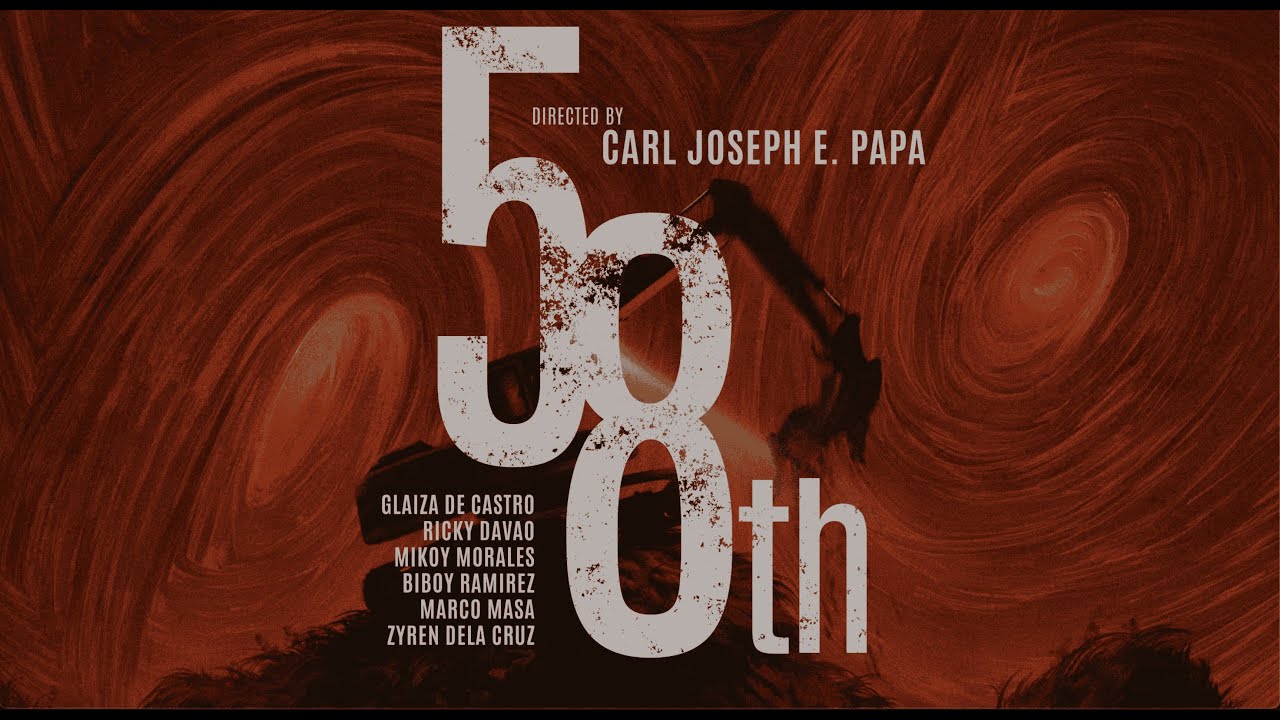
There’s something particularly compelling about a film that arrives at a moment when its subject matter feels urgently relevant. 58th, scheduled to release on January 31, 2026, is shaping up to be exactly that kind of project—an animated historical drama from director Carl Joseph E. Papa that’s built on a deceptively simple but profound question: How can you forget when the wounds of the past are still fresh? That tagline alone tells you this isn’t going to be a comfortable viewing experience, and that’s precisely why it matters.
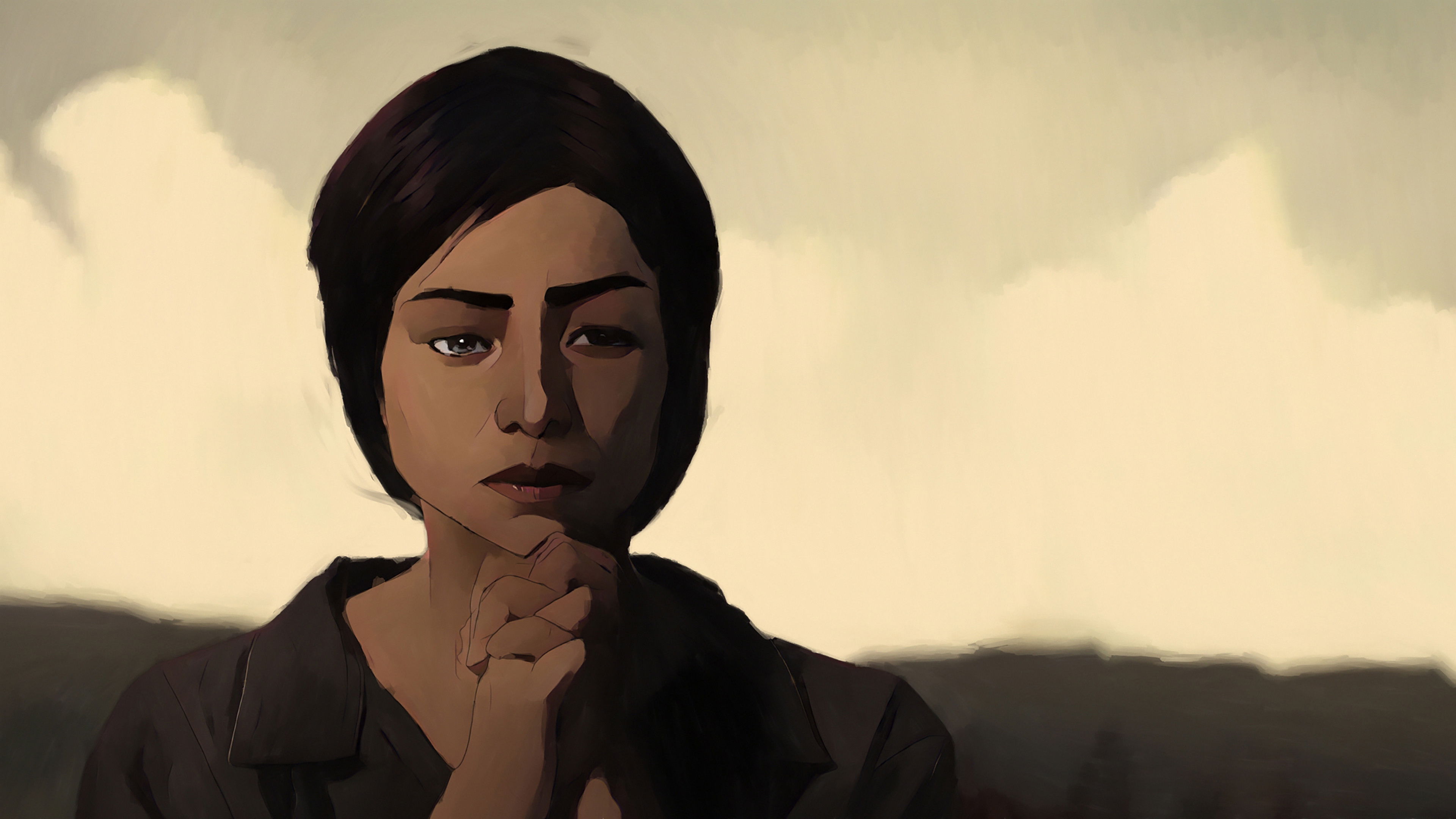
What makes 58th particularly intriguing right now is its commitment to animation as a vehicle for serious historical storytelling. We’re living in an era where animated films are increasingly proving they can tackle weighty subjects with the same gravitas as live-action cinema—sometimes even more effectively. By choosing animation as its medium, Carl Joseph E. Papa is making a deliberate artistic statement. Animation allows for a certain emotional distance that can paradoxically make difficult histories more accessible, while also offering visual possibilities that straightforward documentary or drama simply cannot achieve. The choice suggests this director understands that some stories demand more than just actors and sets.
The cast assembled for this project speaks volumes about its ambitions:
- Glaiza de Castro brings her considerable dramatic range and presence, having proven herself across multiple genres
- Ricky Davao is known for his ability to ground films with authentic emotional depth
- Mikoy Morales rounds out a trio that suggests careful consideration of who could best embody these characters
This isn’t a hastily assembled ensemble—these feel like intentional choices by a director who knows what he needs from his cast.
“How can you forget when the wounds of the past are still fresh?” — This question sits at the heart of 58th, suggesting a film deeply concerned with memory, trauma, and the responsibility we carry toward historical truth.
What’s particularly fascinating about 58th arriving now is the timing. With global discourse constantly circling back to questions of historical revisionism, national memory, and how we reckon with difficult pasts, this film enters a conversation that feels more urgent than ever. The production team—which includes the combined efforts of GMA News and Public Affairs alongside GMA Pictures—suggests a commitment to journalistic rigor mixed with cinematic storytelling. That’s a powerful combination when done right, and it hints that this won’t be propaganda in any direction, but rather an attempt to grapple honestly with complexity.
The runtime of just under 86 minutes is noteworthy too. This isn’t a sprawling epic—it’s focused and economical, which suggests every frame will need to earn its place. That kind of constraint can produce remarkable work, forcing filmmakers to distill their themes to their essential cores rather than indulging in excess. You’re looking at a film that knows exactly what it wants to say and has trimmed away everything that doesn’t serve that purpose.
Of course, it’s worth acknowledging that 58th currently shows a 0.0/10 rating with zero votes—simply because it hasn’t been released yet, and we’re all still waiting to see what Carl Joseph E. Papa has actually created. That’s the beautiful thing about a film still in the “Coming Soon” phase: it remains full of possibility. There’s no verdict yet, no critical consensus to either buy into or rebel against. All we have are the creative intentions visible in the project’s DNA and the trust we place in the artists involved.
Carl Joseph E. Papa, as director, will be the guiding artistic force here, and the fact that he’s chosen this particular story in this particular moment suggests something about his own concerns as a filmmaker. Animation directors often have a vision that extends beyond simply depicting reality—they’re interested in how we see and interpret reality. By animating what appears to be a historical narrative, Papa is making an argument about perspective and representation. These are choices that matter.
What conversations might 58th spark upon its January 2026 release?
- Memory and forgetting — How do nations and individuals choose what to remember and what to suppress?
- Animation’s capacity for historical storytelling — Can animated films tackle serious history as effectively as traditional approaches?
- The responsibility of artists — What do filmmakers owe their audiences when dealing with real, painful histories?
- Ongoing national reckoning — Whatever specific historical moment 58th addresses, it will inevitably connect to contemporary debates about truth and accountability
The film fits into a broader cinematic landscape where animated features are increasingly willing to tackle mature, complex themes. We’re well past the era where animation was assumed to be either children’s entertainment or comedic relief. 58th represents the continuing maturation of the medium itself, and its arrival on screens in early 2026 will be another data point in an ongoing argument about what cinema can be when we trust artists with both serious subject matter and innovative formal approaches.
In the end, 58th matters because it refuses easy answers. That tagline—asking how we can forget when wounds remain fresh—isn’t rhetorical. It’s genuinely interrogative, genuinely curious about what forgetting means and whether it’s even possible or desirable. That’s the kind of question cinema at its best is built to explore, and we’ll soon see how this particular creative team answers it.