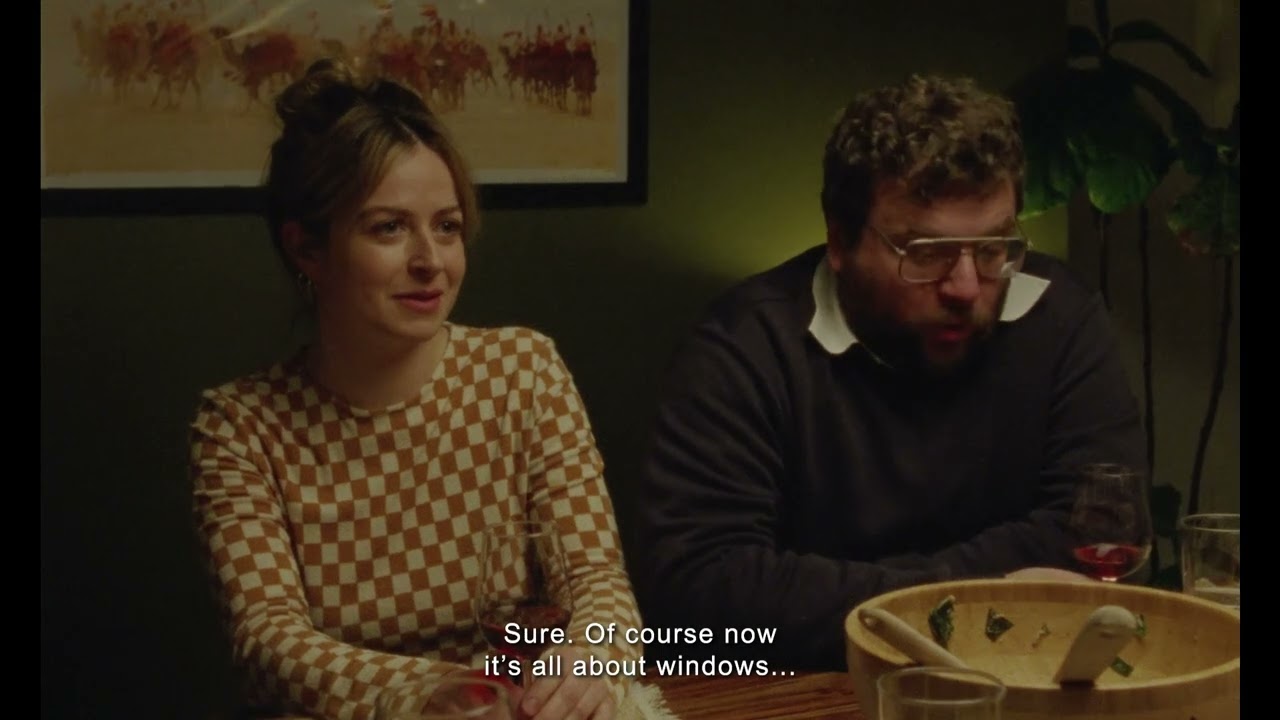
There’s something genuinely exciting brewing in the indie film world right now, and Follies is shaping up to be one of those under-the-radar gems that could really make people talk when it arrives on January 30, 2026. Now, I know what you might be thinking—another indie comedy-romance from a lesser-known studio—but hear me out. This isn’t just another film trying to capitalize on a familiar formula. This is a distinctly Canadian perspective on love, relationships, and the messy middle ground between commitment and freedom.
Éric K. Boulianne is pulling triple duty here as director, writer, and lead actor, which is either brilliantly ambitious or delightfully foolish. Honestly? It’s probably both, and that’s exactly why it matters. When a filmmaker decides to pour themselves into every layer of a project like this, you can feel it. There’s an intentionality, a personal stake that doesn’t come from studio mandates or algorithm-friendly casting choices. This is Boulianne’s vision, unfiltered, and coming from Coop Vidéo de Montréal—a production cooperative with serious independent credentials.
The film is being positioned as an “open relationship comedy,” which is refreshing terrain for contemporary cinema. We’re living in a moment where audiences are hungry for stories that interrogate traditional relationship structures with nuance rather than judgment. Rather than treating non-traditional partnerships as punchlines or moral failings, Follies seems interested in exploring them with actual emotional intelligence. That’s the kind of premise that can elevate a film from simple entertainment into something that generates real conversation.
The real magic happens when a film recognizes that modern love is complicated, contradictory, and often hilarious precisely because it defies easy answers.
What we know so far about the cast is promising. Alongside Boulianne, we have Catherine Chabot and Ambre Jabrane rounding out the ensemble. This isn’t an A-list Hollywood lineup, which is actually to the film’s benefit. When you cast actors based on their ability to inhabit authentic emotional moments rather than their box office draw, you tend to get performances that feel real. There’s a specificity to working with actors who are invested in character work rather than celebrity brand management.
The runtime of 1 hour 41 minutes is notably economical. This isn’t a bloated romantic dramedy that overstays its welcome. Boulianne seems to understand that sometimes the most effective stories are the ones that trust their audience to fill in emotional space rather than over-explain every feeling. That’s a sophisticated directorial choice, and it suggests he knows exactly what kind of film he’s making.
Here’s what’s particularly interesting from a festival perspective: Follies has already screened at significant venues like Locarno and Toronto, where it generated enough buzz for France’s Totem to pick up international sales rights. This is the kind of grassroots success that actually matters in the streaming age. It means the film connected with industry professionals, with programmers who see dozens of films annually, with critics who aren’t easily impressed. That kind of validation matters.
- Independent Production Values: Coming from a cooperative rather than a traditional studio means creative control stays with the filmmakers
- Festival Pedigree: Early screenings at Locarno and Toronto suggest legitimate artistic merit beyond the premise
- Thematic Relevance: Exploring relationship structures that audiences actually live with, rather than ones cinema has traditionally endorsed
- Intimate Scale: At under two hours, the film respects viewer attention and emotional investment
- Authentic Casting: Working with dedicated performers rather than name recognition
The genre designation as “Comedy, Romance” deserves some unpacking. Too many films market themselves as romantic comedies when they’re really just sentimental wish-fulfillment disguised as humor. The fact that Follies opens with the premise of an open relationship and treats that as a starting point rather than a scandal suggests the comedy and romance emerge from character rather than contrivance.
What makes this particularly timely isn’t that open relationships are trendy—it’s that cinema finally seems ready to explore them as normal rather than transgressive. Millennials and Gen Z audiences have grown up with friends, partners, and family members in all kinds of relationship configurations. They’re hungry for films that reflect actual lived experience rather than the sanitized relationship models Hollywood traditionally peddles.
Boulianne’s willingness to step in front of the camera while directing is worth discussing. It’s a risky move—attention can split between performance and vision—but when it works, it creates an authenticity that’s almost impossible to fake. He’s not directing actors playing characters; he’s creating a shared experience with them. That collaborative intimacy tends to show up on screen.
Films like Follies matter because they expand what romance, comedy, and human connection can look like in cinema. They plant seeds for what audiences will demand next.
The fact that this is scheduled for release in early 2026 puts it in interesting territory. It’s far enough away that anticipation can genuinely build, especially as word-of-mouth from festival circuits continues to spread. In an era of algorithm-driven recommendations and streaming saturation, there’s real power in a film that generates genuine curiosity from film enthusiasts before opening weekend.
When Follies arrives, it won’t be carrying the weight of major studio expectations or franchise obligations. It’ll just be a film by someone who cared enough to direct it, star in it, and shape its vision completely. That kind of creative confidence, combined with a premise that reflects how people actually live now, is exactly the kind of cinema that changes conversations. This is worth keeping on your radar.