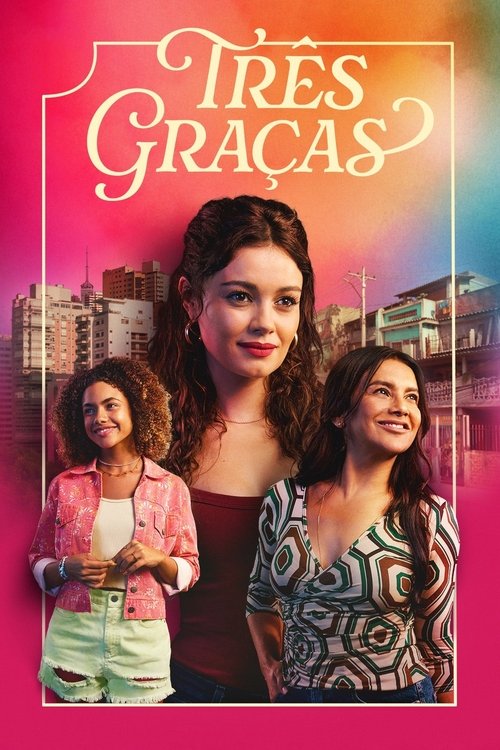
When Três Graças premiered on October 20, 2025, TV Globo delivered something that felt both timeless and urgently contemporary—a soap opera that refused to settle for predictable emotional beats. Created by the seasoned trio of Aguinaldo Silva, Virgílio Silva, and Zé Dassilva, the show announced itself as something worth watching immediately, and over its impressive first season of 179 episodes, it proved that soap opera storytelling could still surprise us.
The creative team understood something fundamental about their medium: the 25-minute runtime wasn’t a constraint but an opportunity. Rather than stretching thin plots across endless runtime, each episode felt purposeful. This tightness actually deepened the drama. When Josefa tells Gerluce the story of the Three Graces sculpture, it’s not throwaway exposition—it’s a thematic anchor that reverberates through the entire narrative. The mythology woven into the show’s DNA gives weight to what could have been melodrama, transforming it into something more resonant.
> The show’s genius lies in understanding that soap operas work best when they ground their chaos in genuine human stakes and real emotional vulnerability.
What makes Três Graças stand out in the crowded soap opera landscape is its commitment to character complexity over simple binaries. This isn’t a show of simple heroes and villains. When Raul finds himself frightened by the possibility of becoming a father, the show doesn’t use this for cheap comedy—it explores genuine masculine anxiety and the weight of responsibility. Similarly, the revelation that Gerluce is Viviane’s friend operates on multiple levels, creating fractured relationships and moral ambiguity that kept audiences invested.
The show achieved a 7.2/10 rating that speaks to something interesting: it found its audience and deeply satisfied them, even if it didn’t achieve universal acclaim. That rating reflects a show with devoted fans who appreciated its particular storytelling sensibility over broader commercial appeal. There’s honor in that specificity.
Key elements that defined the first season:
- Complex character relationships that shifted and evolved week to week
- The symbolic weight of the Three Graces mythology as thematic throughline
- Revelations about hidden friendships and secret connections
- Exploration of fatherhood anxiety and generational conflict
- A narrative momentum that justified 179 episodes without padding
What’s particularly striking about Três Graças is how it sparked genuine conversation. The show generated the kind of water-cooler moments that keep people engaged with television—not just watching it passively, but actively discussing character motivations, predicting outcomes, and debating moral positions. Episodes like the one where Josefa shares the Three Graces origin story became cultural touchstones that viewers referenced repeatedly across social media.
The decision by TV Globo to mark this as a Returning Series speaks volumes about confidence in the material and audience demand. A season of 179 episodes represents substantial narrative investment, and the choice to continue suggests the creators and network believe there’s more story worth telling. That’s rare validation in an era where many shows exhaust their premise far sooner.
Aguinaldo Silva, Virgílio Silva, and Zé Dassilva crafted something that honored the soap opera tradition while pushing gently against its conventions. They understood that modern audiences want emotional authenticity within entertaining frameworks. The show never apologizes for being melodramatic—that’s the genre’s DNA—but it grounds that melodrama in recognizable human psychology. When Raul confronts his fears about fatherhood, we’re not watching soap opera histrionics; we’re watching a man reckon with his own limitations and desires.
The cultural footprint extended beyond casual viewing. The show demonstrated that Brazilian television could still produce narratives that commanded sustained attention and emotional investment. In an entertainment landscape increasingly fragmented by streaming options and shorter attention spans, Três Graças proved that audiences still craved soap operas done with care and intelligence.
What keeps audiences returning—and what will likely drive the next chapter of this series—is the fundamental question the show poses across its 179 episodes: how do we navigate relationships, secrets, and personal growth when everything is interconnected? The Three Graces mythology isn’t just decorative; it’s structurally essential. These three women’s lives don’t exist in isolation; they’re bound together by history, revelation, and consequence.
The runtime of 25 minutes per episode created a particular pacing rhythm that became almost addictive. Unlike sprawling hour-long dramas, each episode of Três Graças delivered concentrated emotional impact. You could finish an episode and immediately feel the weight of what transpired, without the fatigue that sometimes accompanies longer formats. This efficiency is underrated in critical discussions but absolutely crucial to the show’s accessibility and rewatchability.
As this series moves forward with its returning status, what becomes clear is that Três Graças tapped into something essential about the soap opera form that modern television sometimes forgets: these stories matter because the people in them matter. Their confusion and growth, their revelations and regrets—these aren’t plot devices. They’re the entire point. That’s why audiences connected, why critics found it worthwhile despite the 7.2 rating being modest, and why this show deserves serious consideration in any conversation about contemporary Brazilian television drama. It proved that the form still has vitality, relevance, and power.