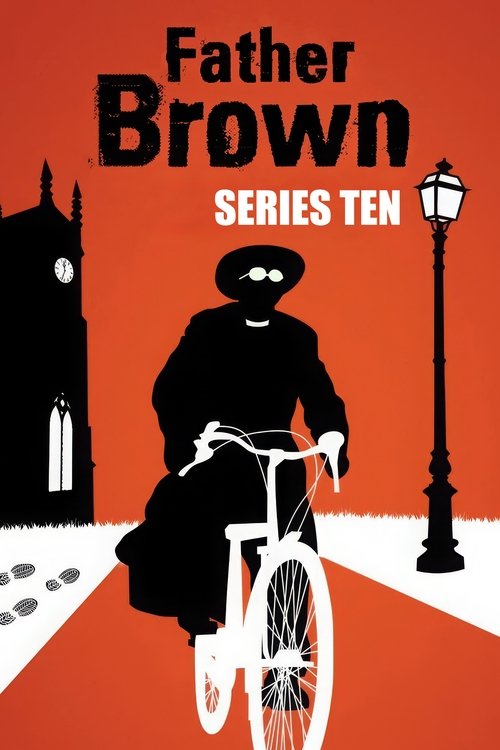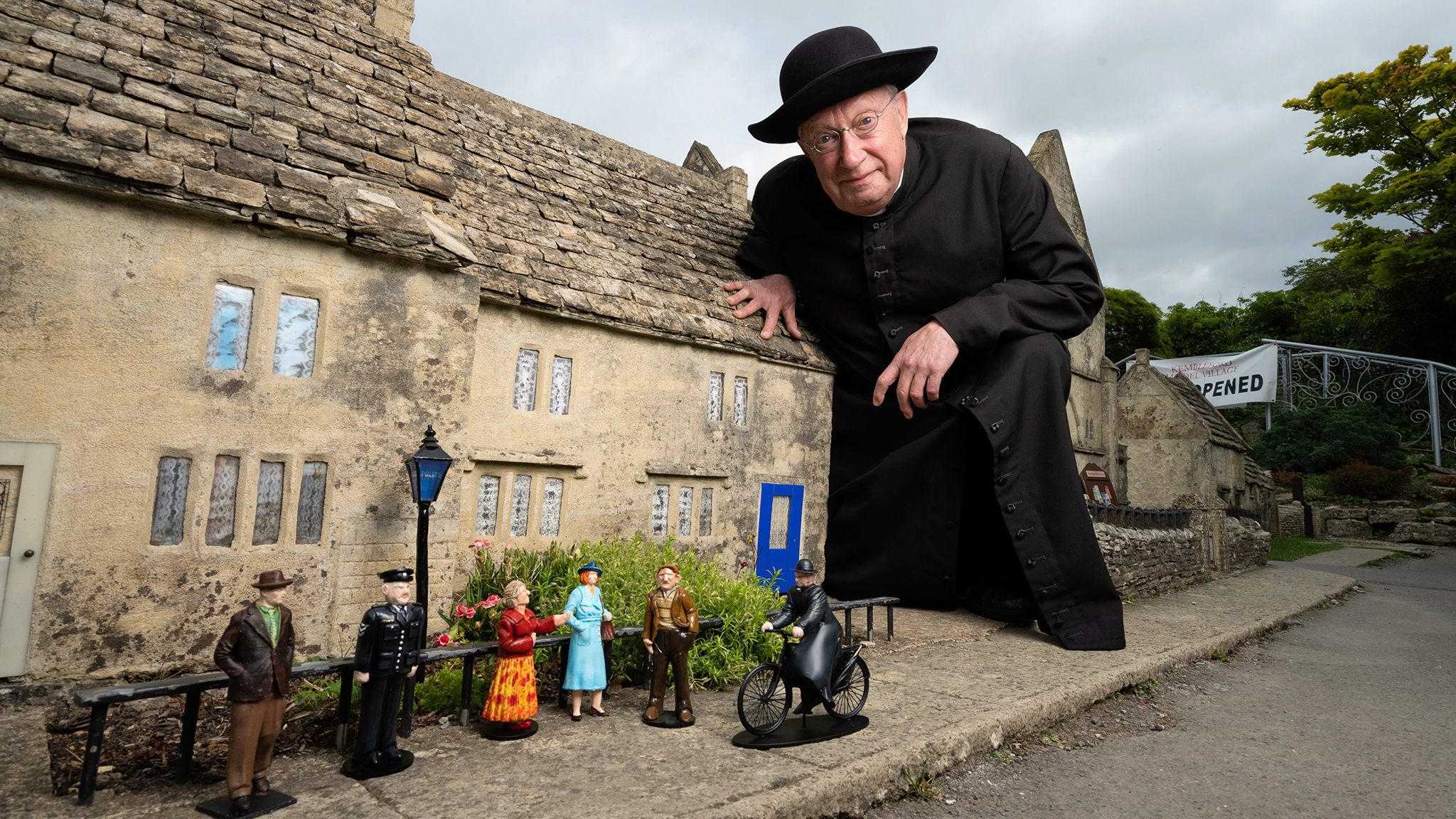
If you’re looking for a show that proves British television knows how to do mystery right, Father Brown deserves to be at the top of your watchlist. When it debuted on BBC One back in January 2013, it arrived with a refreshingly simple premise—a Catholic priest solving crimes—but what creators Tahsin Guner and Rachel Flowerday built from that concept was something far more layered and enduring than anyone might have anticipated. Over thirteen seasons and 140 episodes, the show carved out its own distinctive space in the crime drama landscape, and the fact that it’s still returning with new material speaks volumes about its staying power.
What makes Father Brown genuinely special is how it flipped the script on what a detective story could be. Rather than another gritty procedural dwelling in moral ambiguity, here was a show centered on a man of faith actively engaging with murder mysteries through a lens of compassion and curiosity. This wasn’t about being preachy or sanctimonious—quite the opposite. The show understood that Father Brown’s priesthood wasn’t a gimmick; it was the lens through which he saw human nature, which actually made him a better detective. That tension between spiritual contemplation and investigative logic became the show’s secret weapon.
The 45-minute runtime proved perfectly calibrated for this storytelling approach. It’s long enough to establish genuine mystery and character dynamics, but short enough to maintain momentum without letting episodes sag. In an era when streaming had begun fragmenting viewing habits, Father Brown showed that traditional episodic television could still command attention when the writing was tight and the central character was genuinely compelling.
> The show understood that Father Brown’s priesthood wasn’t a gimmick; it was the lens through which he saw human nature, which actually made him a better detective.
The Creative Vision Behind the Mystery
Guner and Flowerday seemed to understand something crucial that many mystery shows miss: the best whodunits aren’t actually about who did it, but about why we care that someone did. By grounding the series in a small English village setting and returning to recurring characters and locations, they created a community feel that elevated individual cases beyond mere plot mechanics. Each murder became a disruption of a social fabric we’d come to recognize and care about.
The show’s 7.6/10 rating, while respectable rather than stratospheric, actually reflects something interesting about its trajectory. Looking at the available data, those first seasons hit particularly strong numbers with audiences, establishing the core appeal that would sustain the show through thirteen seasons. Rather than chasing critics’ darlings or viral moments, Father Brown built something steadier—a show that people genuinely wanted to return to, season after season.
How It Connected with Audiences
What’s remarkable about Father Brown‘s longevity is how it avoided the trap of becoming formulaic despite its procedural structure. Yes, each episode involves investigating a crime, but the show resisted the urge to telegraph solutions or rely on cheap twists. There’s an earnestness to the storytelling that feels increasingly rare. The mysteries actually are mysteries, which means when they’re solved, viewers feel the satisfaction of genuine detective work rather than narrative manipulation.
The ensemble cast became absolutely crucial to this success. Father Brown existed within a rich tapestry of village characters who evolved across seasons, which meant returning to the show felt like visiting friends rather than rewatching strangers. This character-forward approach meant that even when individual mysteries might be slight, the emotional resonance carried through because we understood these people and their relationships.
Cultural Footprint and Television Influence
Father Brown didn’t spark the kind of massive cultural conversation that some shows generate, but that’s actually to its credit. It represents a different model of television success—one that thrives through consistent quality and loyal viewership rather than through social media storms or prestige critical acclaim. In a landscape increasingly dominated by limited series and high-concept premises, here was a show saying: “What if we just tell good stories well, week after week?”
The show’s journey from its 2013 premiere through thirteen seasons represents a kind of television resilience that deserves recognition. It’s telling that it’s returned as a “Returning Series” rather than being consigned to finished status—there’s still clearly an appetite for Father Brown’s particular brand of mystery and character-driven storytelling.
Why It Endures
- The Central Character: Father Brown works because he’s neither a superhero detective nor a troubled genius—he’s a thoughtful man of faith trying to do right by his community
- Village Setting: The recurring locations and characters create continuity and warmth that elevates individual cases
- Mystery Quality: The actual puzzles are legitimately engaging, not dependent on gimmicks or cheap reveals
- Tonal Balance: The show finds humor and warmth without sacrificing the genuine stakes of its crimes
If you haven’t discovered Father Brown yet, it’s available on BritBox and Apple TV, and honestly? It’s the kind of show that rewards binge-watching but also works beautifully as a weekly ritual. Across 140 episodes, you’re getting something increasingly rare in modern television: a show that trusts its audience, respects its characters, and understands that the best mysteries are ultimately about understanding people. That’s why it’s still returning to screens, and why it deserves your attention.