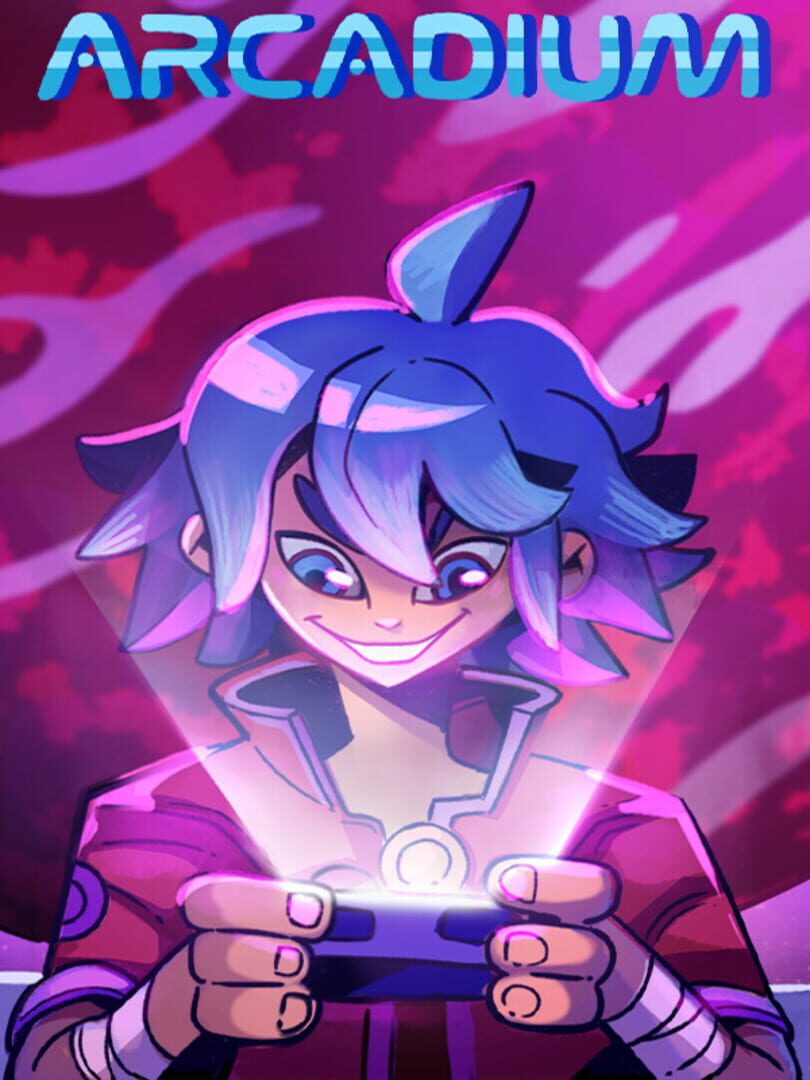
There’s something genuinely special happening in the indie gaming space right now, and Arcadium: Space Odyssey is poised to be one of those titles that reminds us why we fell in love with gaming in the first place. Luciano Bercini, a solo developer who’s poured four years of passionate, meticulous work into this project, is set to launch something that feels like a breath of fresh air in an industry increasingly dominated by bloated AAA releases and live-service monetization schemes.
What makes this particularly noteworthy is the commitment to quality and completeness that Bercini is bringing to the table. When Arcadium: Space Odyssey hits Steam on January 26, 2026, it will arrive as a full, finished product—no Early Access, no staggered roadmap, no promises of content that might come later. In an era where we’ve become accustomed to games launching half-baked and improving through patches and seasonal updates, this approach alone is refreshing. It signals a developer who believes in their vision enough to complete it before asking players to invest their time and money.
The game is being positioned as part of what’s been dubbed the “Bullet Heaven 2.0” movement within indie gaming—a renaissance of fast-paced, skill-based gameplay that draws inspiration from classic arcade sensibilities while bringing contemporary design sensibilities to the formula. The RPG framework combined with the indie ethos suggests we’re looking at something that will prioritize player agency and mechanical depth over flashy graphics or cinematic presentation.
What We’re Anticipating
Let’s be honest—a 0.0/10 rating right now is telling, but not in the way cynics might assume. This reflects the simple fact that the game hasn’t been released yet, meaning there are no player reviews to aggregate. What is telling is the genuine buzz building in gaming communities ahead of launch. The Reddit announcement, the YouTube preview coverage, the Steam Curator program participation—these aren’t manufactured hype trains. They’re the organic reactions of people who’ve gotten hands-on time with what Bercini has created.
When a solo developer spends four years on a single project, you have to ask: what’s driving that commitment? It’s rarely the promise of quick cash or viral moments. More often, it’s vision—a specific creative goal that demands the time and iteration necessary to realize it properly. That kind of dedication tends to result in games with remarkable coherence and intentionality baked into their DNA.
The scheduling speaks volumes too. Launching on PC via Steam as a complete product, with no phased rollout or platform staggering, suggests confidence in what’s being delivered. Bercini isn’t hedging bets or testing the waters—this is a full commitment to seeing his vision realized on the platform where his audience lives.
The Creative Vision Behind the Odyssey
What Luciano Bercini appears to be pursuing is something increasingly rare: a game designed by one person, for people like that one person. There’s a purity to that creative process that’s hard to fake. When you’re not balancing committee feedback, publisher demands, or marketing department directives, your game becomes a genuine expression of artistic intent.
The space opera setting of Space Odyssey paired with RPG mechanics and bullet-heaven gameplay suggests a developer interested in:
- Mechanical elegance — taking established gameplay concepts and refining them to their essence
- Narrative ambition — weaving a coherent story through the action-oriented gameplay
- Visual coherence — creating an aesthetic that serves the experience rather than overshadowing it
- Player agency — building systems that reward skill, strategy, and experimentation
Indie developers like Bercini represent something vital in gaming—the opportunity for singular visions to reach audiences without needing to compromise to committee consensus or shareholder expectations. When that independence is combined with four years of focused development, the results can be genuinely memorable.
Impact and Legacy Potential
A solo developer releasing a complete, polished game in 2026 is itself a statement about values and craftsmanship in an industry that often prioritizes volume over quality.
What Arcadium: Space Odyssey stands to accomplish extends beyond its own success metrics. If Bercini’s approach resonates—a four-year solo passion project that launches complete and fully-realized—it contributes to a broader conversation about sustainable indie development and the value of patience in game design. Every successful solo-dev project that reaches the market whole and uncompromised is a vote for a different way of making games.
For the gaming landscape specifically, this title will likely find its audience among players hungry for mechanical depth, genuine challenge, and creative confidence. The bullet-heaven genre has been gaining serious traction lately, and Space Odyssey appears positioned to be a significant entry in that conversation. Whether through streamers discovering its nuances, speedrunners optimizing its systems, or simply word-of-mouth from satisfied players, this game has the potential to become one of those indie darlings that punches well above its weight in cultural impact.
As we count down to the January 26, 2026 launch, Arcadium: Space Odyssey represents something worth celebrating preemptively: the completion of a solo developer’s ambitious vision. That alone deserves our attention and anticipation.


