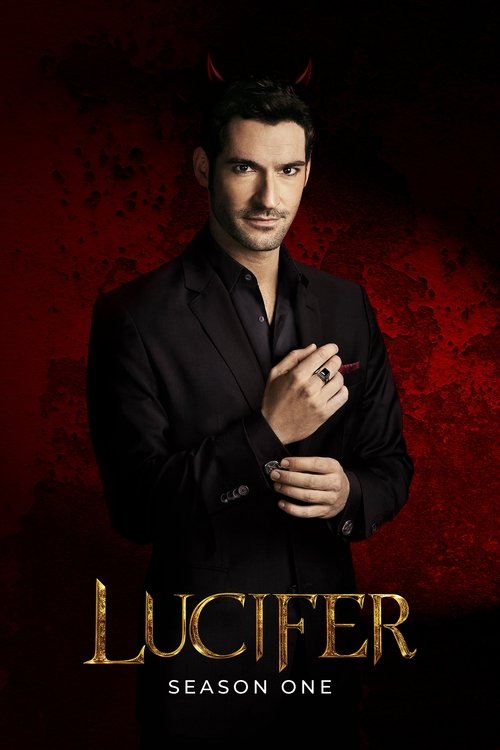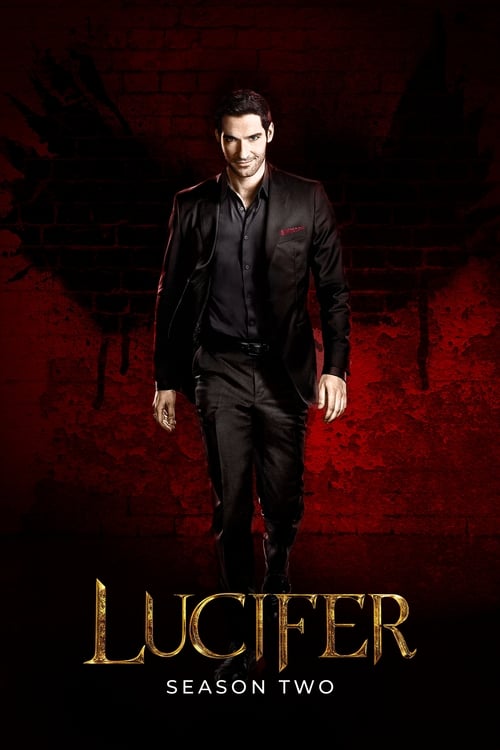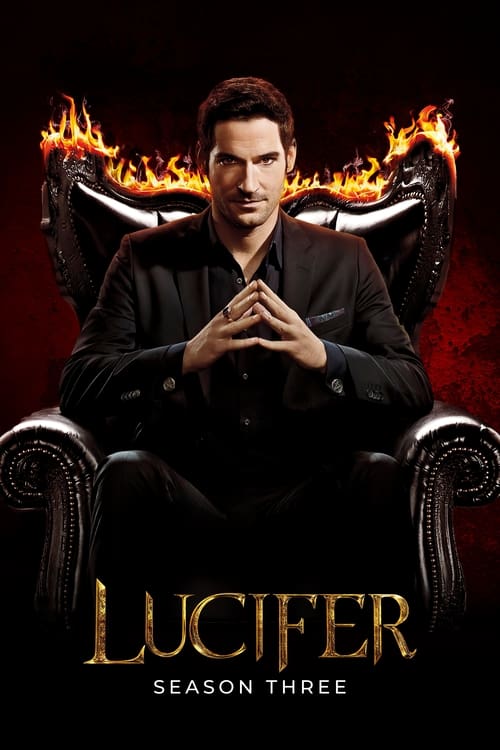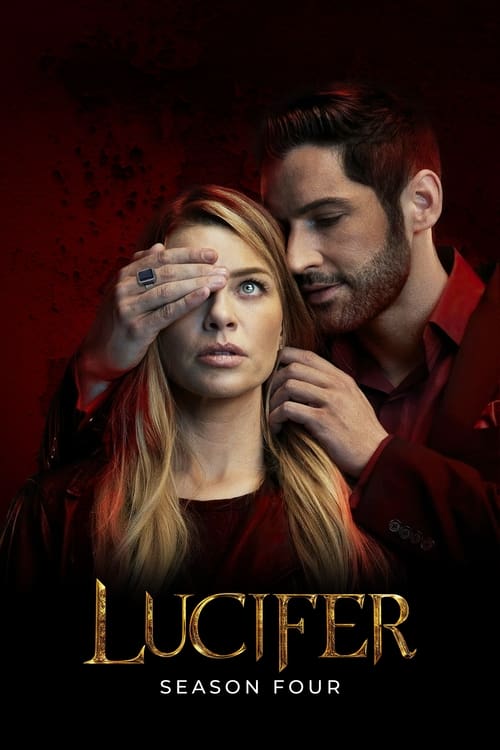
When Lucifer premiered on Fox back in January 2016, nobody could have predicted it would become one of television’s most devoted fandoms—or that it would eventually outlive its original network home to find a second life on Netflix. What started as a clever high-concept crime procedural gradually evolved into something far more ambitious: a show that genuinely wanted to explore theology, morality, and human connection through the lens of the devil himself taking a vacation in Los Angeles. That’s a premise that could’ve been ridiculous in less capable hands, but Tom Kapinos understood exactly how to make it sing.
The show’s foundation was deceptively simple—Lucifer Morningstar, tired of ruling Hell, decides to abandon his throne and open a nightclub in LA, where he eventually teams up with a determined LAPD detective to solve murders. But what made this formula work across 93 episodes and six seasons was the willingness to let that premise genuinely evolve rather than tread water. The crime-of-the-week structure, utilizing that snappy 45-minute runtime, gave each episode purpose while the larger mythology deepened in the background, building toward something genuinely consequential.
> The show understood that the best supernatural storytelling isn’t about spectacle—it’s about what these extraordinary circumstances reveal about ordinary human struggles.
What really set Lucifer apart in the crowded landscape of procedurals and genre shows was its emotional intelligence. Chloe Decker wasn’t just a love interest or a plot device; she was a fully realized character with her own agency, vulnerabilities, and growth arc. The dynamic between her and Lucifer created something magnetic—you were watching two fundamentally broken people slowly learn to trust each other while navigating the increasingly chaotic collision of Heaven and Hell literally invading their lives. That character work made the show’s 8.4/10 rating feel earned rather than inflated.
The show’s four-season arc on Fox demonstrated remarkable storytelling resilience. Despite some ratings fluctuations—Season 4 on Netflix actually peaked at 9.1, showing what the show could achieve with the streaming platform’s freedom—the creators never lost sight of what made the series tick. They juggled mythology, crime drama, romance, and genuine philosophical questions about redemption and identity without letting any element completely eclipse the others.
Key aspects that made the show resonate:
- The genuine chemistry between Tom Ellis and Lauren German, which elevated every scene they shared
- A willingness to take emotional risks with its characters, particularly Lucifer’s journey toward vulnerability and self-awareness
- Supporting characters like Amenadiel, Maze, and Linda Martin who developed into fully dimensional people with their own compelling arcs
- Smart handling of its supernatural elements, keeping them grounded in emotional truth rather than visual spectacle
- A genuine exploration of faith, doubt, and redemption that felt earned rather than preachy
When Lucifer moved to Netflix for its final three seasons, something shifted. The show could breathe a bit more, take bigger swings, and frankly, deliver the conclusion fans deserved. That transition itself became part of the show’s legacy—a rare instance where a network show found new life and new audiences precisely because it found a platform more willing to support its ambitions. The fanbase that mobilized to save the show from cancellation became almost as famous as the show itself, a testament to how deeply people connected with these characters.
The crime procedural elements deserve credit too. Rather than being mere scaffolding for the supernatural story, the cases actually mattered. They revealed character, advanced relationships, and often connected thematically to what was happening in the larger mythology. Kapinos and his writing team understood that the best genre television respects both elements—the episodic hook and the serialized heart need to feed each other, not compete.
What the show accomplished across its 93 episodes:
- Proved that a supernatural crime drama could sustain genuine character development without losing its genre identity
- Elevated Tom Ellis from character actor to leading man status
- Demonstrated how a devoted, passionate fanbase could actually influence network decisions
- Created iconic moments and relationships that have staying power in pop culture conversation
- Showed that complex conversations about religion, identity, and morality could live in prime-time television without feeling didactic
Six seasons might seem like a perfect window for a show like this, and there’s something satisfying about Lucifer concluding before it overstayed its welcome. The show’s rating stability—hovering in that quality range across all seasons—reflects a show that knew how to evolve without losing its core identity. It never became a parody of itself, never betrayed its central characters for easy shock value, and never forgot that at its heart, this was a show about two damaged people learning to love and trust each other.
If you haven’t caught Lucifer yet, it’s streaming on Netflix, and the entry point is genuinely inviting. Start with Season 1 if you want to experience the full journey, but don’t be surprised if you end up binging multiple seasons. There’s a reason this show inspired such passionate devotion—it earned every bit of it through smart writing, stellar performances, and a genuine respect for its audience’s intelligence and emotional investment.