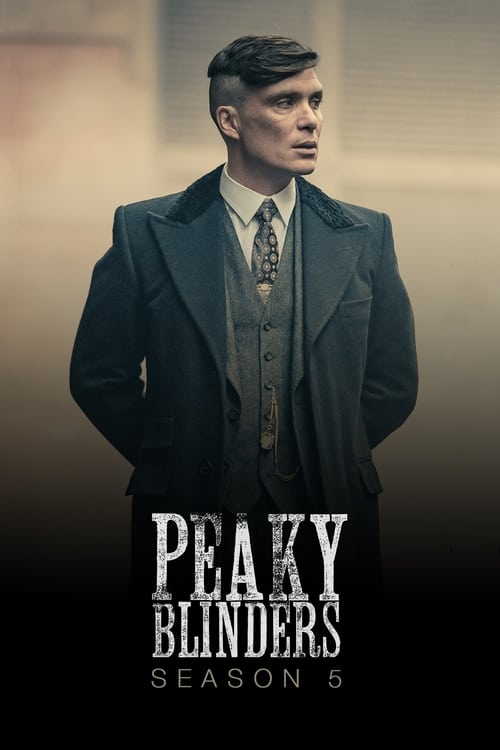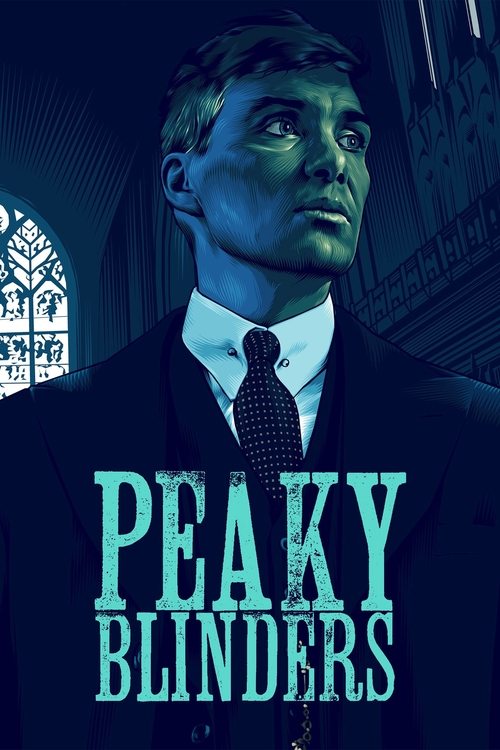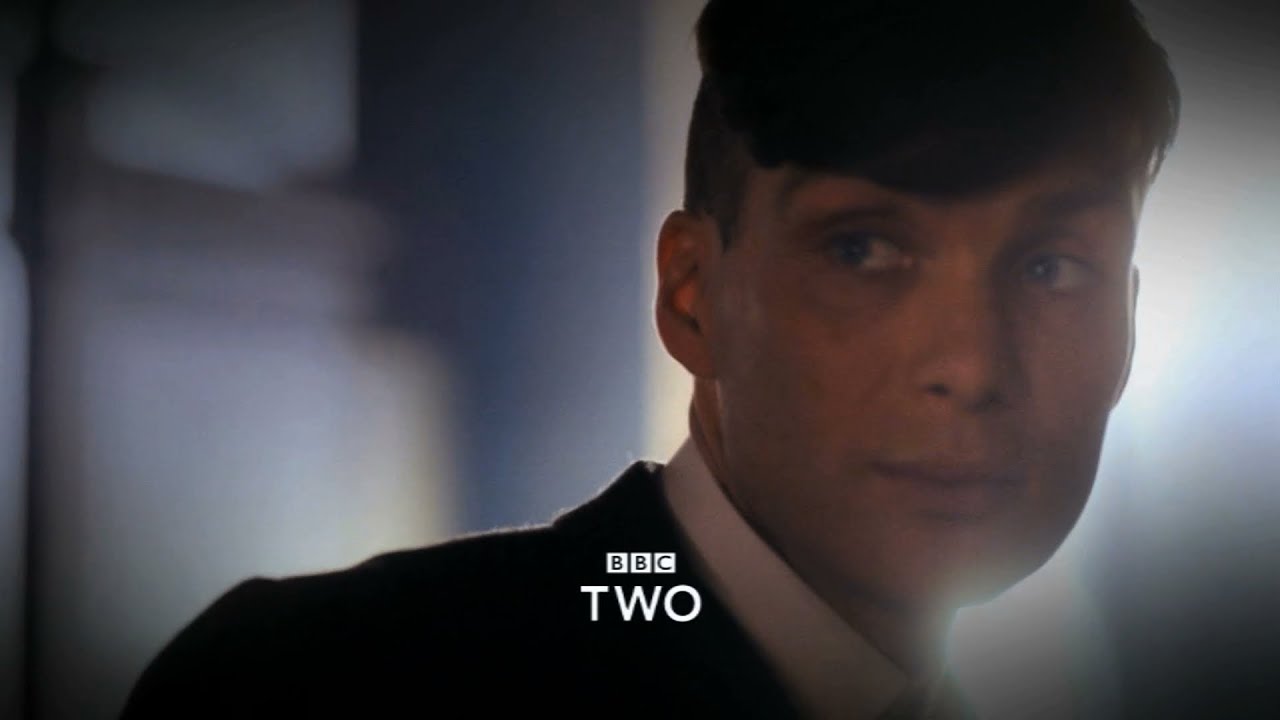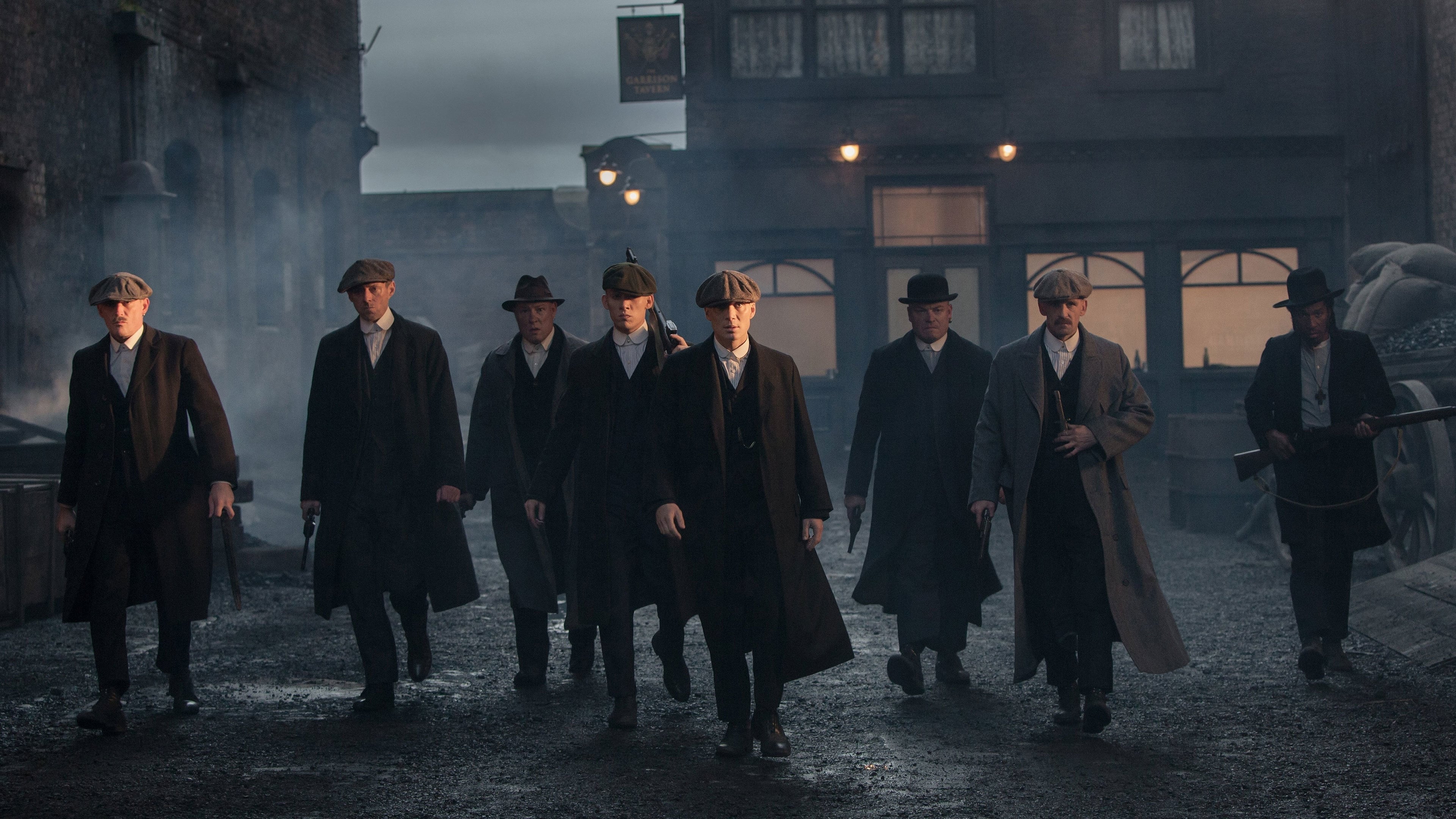
When Peaky Blinders debuted on September 12, 2013, few could have predicted it would become the cultural juggernaut that defined a generation of British television. Steven Knight created something genuinely revolutionary—a show that took the gangster crime drama, set it in post-World War I Birmingham, and infused it with a visual language so distinctive and a narrative ambition so bold that it immediately announced itself as essential viewing. Six seasons and 36 episodes later, with a commanding 8.5/10 rating that barely dips across its entire run, Peaky Blinders stands as proof that television drama could be as artistically ambitious as any film or novel.
What makes Peaky Blinders truly exceptional is how Knight refused to play it safe. This wasn’t a show content to simply deliver crime procedurals or glorify its gangsters. Instead, it grounded itself in meticulous historical detail while simultaneously pushing the aesthetic boundaries of what TV drama could look like. The unconventional episode structure—with runtimes that varied unpredictably—meant that scenes weren’t constrained by commercial breaks or predetermined lengths. A tense negotiation could breathe and simmer. A moment of violence could hit with genuine impact. This creative flexibility fundamentally shaped the storytelling, allowing Knight to prioritize narrative momentum over format conventions.
> The show demonstrated that British television could compete with the most ambitious American dramas while maintaining its own distinctive voice and sensibility.
The core appeal centered on Tommy Shelby, a character so intricately drawn that he became the template for an entire generation of antiheroes. But what separated Tommy from countless other crime drama protagonists was his complexity—he wasn’t simply smart or ruthless; he was a man haunted by war, driven by ambition yet paralyzed by doubt, capable of extraordinary tenderness alongside shocking brutality. This psychological depth resonated with audiences in a way that transcended typical crime drama fandom.
The show’s cultural footprint became impossible to ignore. Entire fashion movements sprung from it—the Peaky Blinders aesthetic of flat caps, waistcoats, and sharp tailoring became a genuine trend. But more significantly, Peaky Blinders sparked conversations about masculinity, trauma, class, and power that extended far beyond typical fan forums. People debated Tommy’s choices, analyzed his psychology, and genuinely invested in whether he could ever escape his circumstances. The show achieved that rare quality of making viewers genuinely care about the moral trajectories of its characters.
The trajectory of the seasons tells its own compelling story:
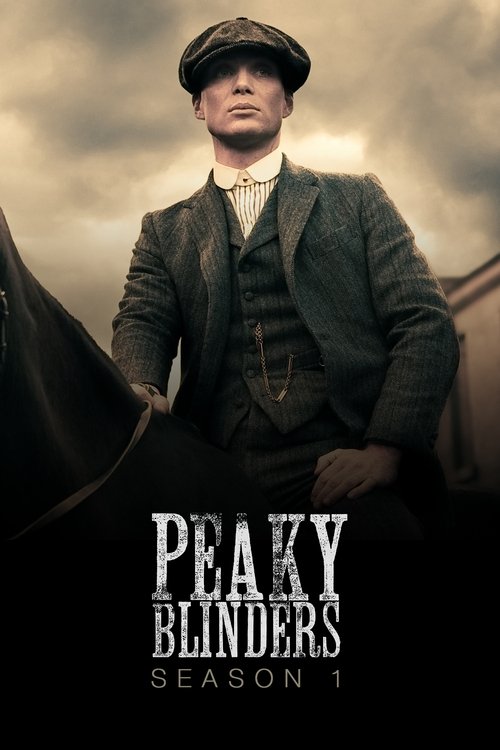
- Season 1 (8.5/10) introduced us to the Shelby family and established the show’s visual language—a stunning blend of period authenticity and contemporary filmmaking sensibility
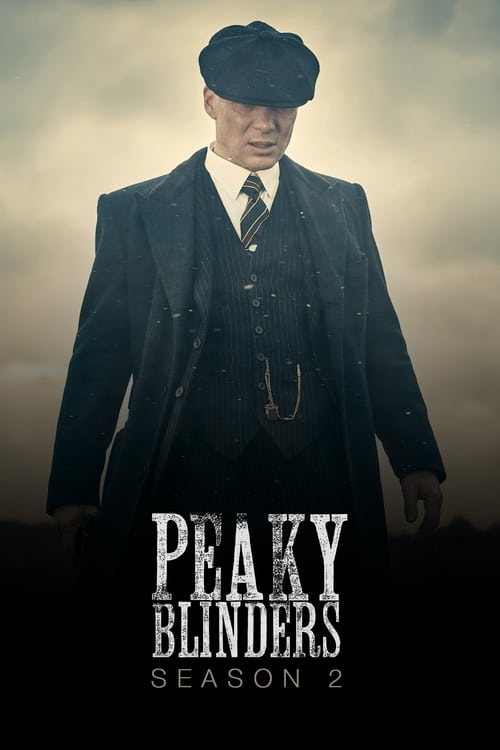
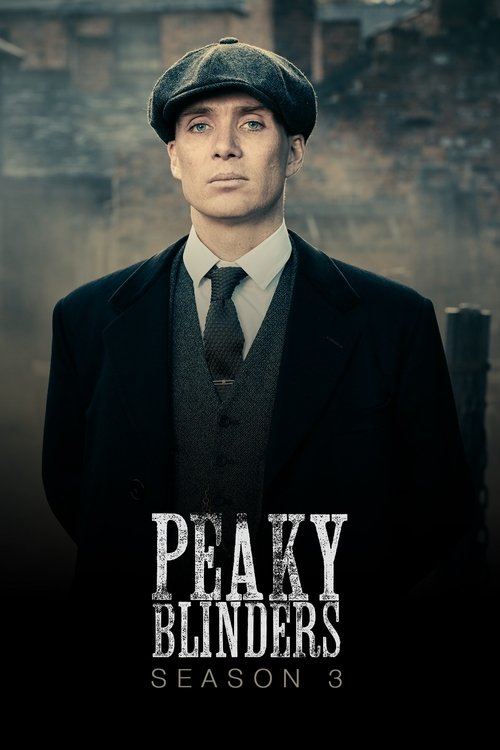
- Seasons 2-3 (8.6/10 each) deepened the mythology, expanding the scope from Birmingham’s streets to national political intrigue
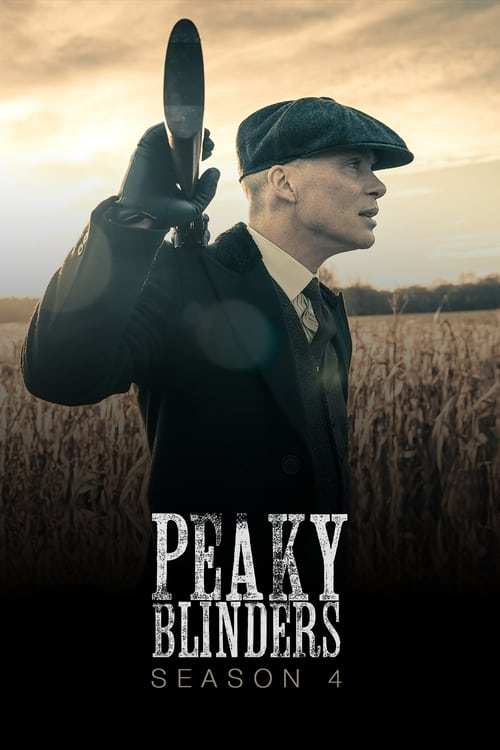
- Season 4 (8.9/10) represented a creative peak, where the show’s ambitions felt fully realized and the stakes felt genuinely existential
- Seasons 5-6 (8.6 and 8.4 respectively) brought the saga toward closure while maintaining quality that never dipped below excellence
This consistency is genuinely remarkable. In an era where shows often struggled to maintain quality across extended runs, Peaky Blinders remained compulsively watchable precisely because Knight refused to compromise on characterization or thematic exploration.
What Knight accomplished was nothing short of redefining how crime dramas could function. Rather than relying on plot mechanics or shock moments, Peaky Blinders invested in character development with an almost literary sensibility. The show proved that audiences were hungry for dense, complicated narratives with flawed protagonists navigating morally ambiguous situations. Every decision Tommy made carried weight because we understood the psychological architecture that shaped those choices.
The show’s influence on subsequent television cannot be overstated. It demonstrated that period dramas could be kinetic and contemporary in their execution. It proved that British television could command international audiences without diluting its distinctiveness. It showed that a character study could function as genuinely compelling crime drama. Countless shows that followed learned from Peaky Blinders‘ playbook—the importance of visual consistency, the power of character-driven narrative, the value of taking your audience seriously.
The iconic moments accumulated across its run:
- Tommy’s psychological unraveling as his ambitions spiraled
- The explosive violence that erupted when the Shelby family’s control fractured
- Quiet moments of introspection that revealed the emotional cost of Tommy’s choices
- Family scenes that grounded the gangster mythology in genuine human stakes
By the time Peaky Blinders concluded, it had become something more than a television show—it was a cultural touchstone that people referenced, debated, and genuinely mourned when it ended. The final season brought narrative threads to their conclusion while maintaining the quality and thematic ambition that defined the series.
Steven Knight created television that mattered. Not in the sense of being preachy or didactic, but in how it genuinely expanded what audiences believed television could achieve. Peaky Blinders treated viewers as intelligent, demanding viewers who wanted complexity, nuance, and visual artistry alongside their entertainment. In an increasingly crowded streaming landscape, that remains its most enduring legacy—a reminder that television drama, when executed with vision and commitment, can be absolutely transcendent.