When Back to the Past premiered on December 31st, 2025, it arrived at a curious moment in cinema history—a time when the regional box office was struggling, audiences were skeptical, and the action-comedy-sci-fi hybrid seemed like an unlikely savior. Yet somehow, director Ng Yuen-Fai managed to create something that reminded people why they still love going to the movies. In a year that saw the Hong Kong and Greater China box office down significantly, this film became a genuine cultural event, breaking opening day records and proving that the right creative vision, paired with the right cast, can still move audiences in ways that transcend market trends.
What makes Back to the Past particularly fascinating is how it plays with expectation. The film’s tagline—”To save tomorrow, they must survive yesterday”—promises a time-travel adventure, but Ng Yuen-Fai’s approach is anything but conventional. At just 1 hour and 47 minutes, the film refuses to overstay its welcome, moving with the kind of kinetic energy that feels increasingly rare in contemporary action cinema. Rather than drowning viewers in exposition or getting lost in the mechanics of time travel, the director keeps the momentum brisk and purposeful, letting character and humor carry as much weight as spectacle.
The casting of Louis Koo and Raymond Lam Fung at the film’s center was inspired, a kind of meta-commentary on Hong Kong action cinema itself. These are actors who embody different eras of the industry—Koo bringing a weathered gravitas that feels earned, Lam offering a kind of infectious charisma. Their chemistry works because it doesn’t feel forced; there’s a genuine ease between them that suggests they understand the material and each other implicitly. Bai Baihe rounds out the ensemble, adding a dimension that prevents the film from becoming insular or nostalgia-obsessed.
> The film’s true significance isn’t just in what it achieved financially, but in how it reminded both Hong Kong and international audiences that local filmmaking still has something vital to say.
Here’s where the box office numbers become part of the narrative: Back to the Past opened to HK$11.54 million (approximately $1.48 million) on its debut day, making it the biggest opening day in Hong Kong that year. In a market that had contracted by 15-16% overall, this wasn’t just success—it was defiance. The film brought much-needed momentum to a region that had seen its theatrical exhibition ecosystem challenged repeatedly. Yet rather than purely chasing commercial metrics, the critical response settled around a solid 7.0/10, suggesting that audiences and critics appreciated what the film was doing, even if opinions varied on execution.
The creative collaboration between the studios—One Cool Films, Huace Pictures, China Star Movie Limited, and Big Honor Entertainment—represented the kind of pan-regional partnership that feels increasingly essential in modern filmmaking. These weren’t companies working in isolation; they were pooling resources and vision toward a singular goal. Ng Yuen-Fai’s direction unified these efforts into something coherent, a film that understood its own DNA while refusing to be bound by it.
What Back to the Past accomplished culturally extends beyond its opening weekend numbers. Consider these elements that made it culturally significant:
- A love letter to Hong Kong cinema itself — without being corny or overly referential, the film celebrates the action sensibilities that made the region famous
- Proof of international appeal — the film’s North American release demonstrated that well-crafted action-comedy could cross borders when paired with genuine craft
- A statement about runtime efficiency — in an era of three-hour epics, a tightly-wound 107 minutes felt almost radical
- Character-driven action — the film prioritized who these people were over what they could destroy
The legacy of Back to the Past likely resides in what it represented rather than any specific technical innovation. This was a film that arrived when pessimism about theatrical cinema felt justified, when regional markets seemed on the brink, and when audiences had grown weary of franchise fatigue. Ng Yuen-Fai offered an alternative: genre entertainment that respected the audience’s intelligence, action that breathed, humor that landed because characters actually mattered.
As the film heads toward its North American release and wider international distribution, it serves as a reminder that audiences will show up for films that feel alive and purposeful. The box office may tell one story, but the cultural resonance tells another—this is a film that reminded Hong Kong that its voice still matters, that its filmmakers still have something to contribute to global cinema, and that sometimes the best time-travel adventure is one that looks backward with affection while moving boldly forward.


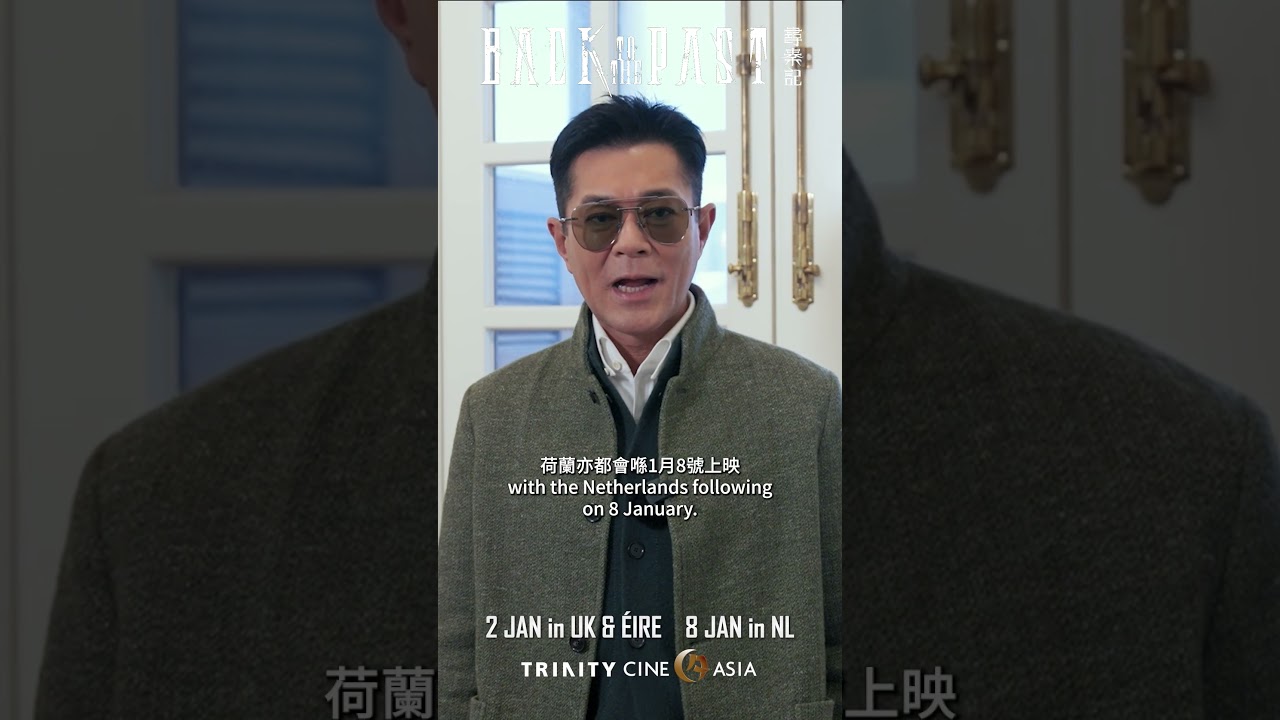
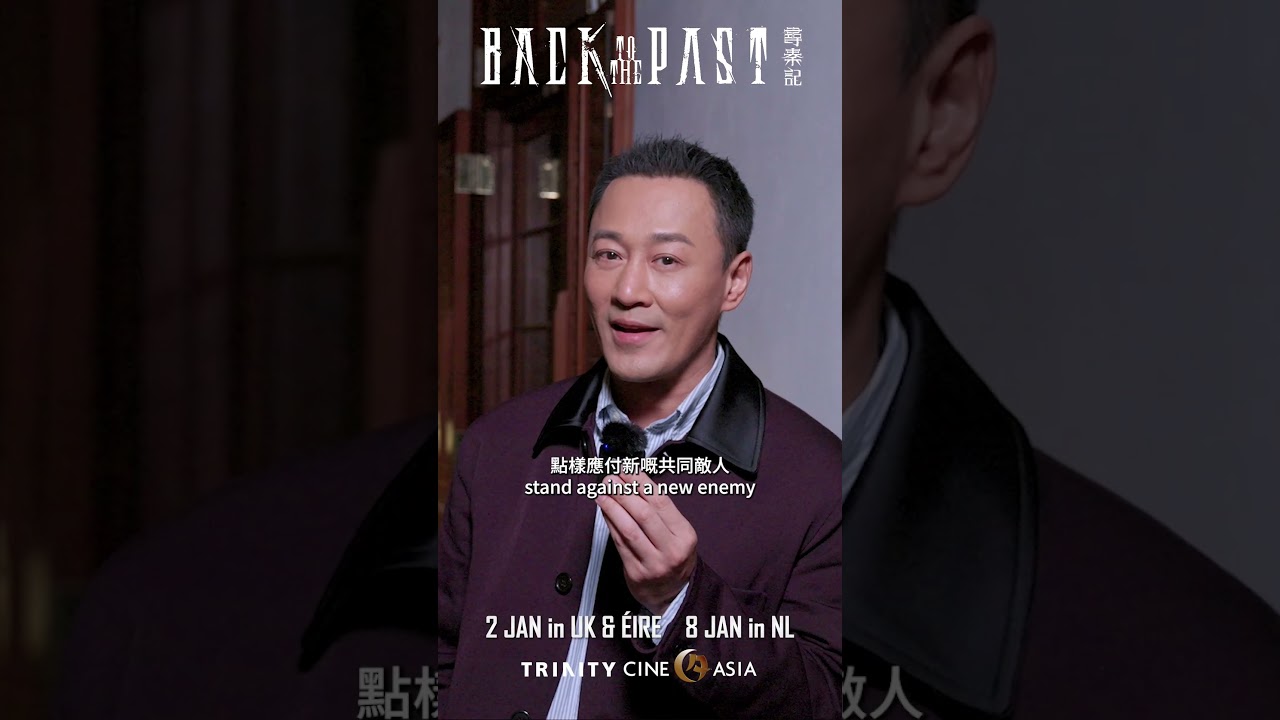
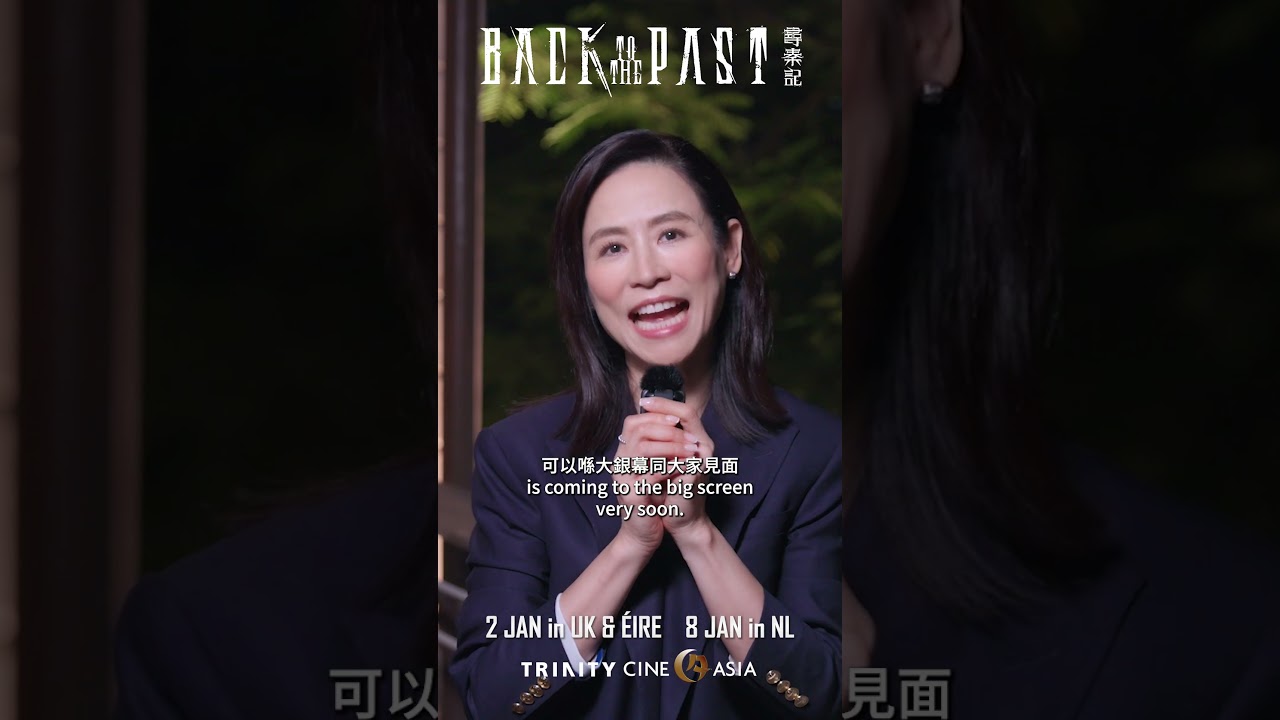
![1 min Promo [Subtitled]](https://img.youtube.com/vi/4GshVhMhm58/maxresdefault.jpg)
![Trailer (UK, Ireland & Netherlands) [Subtitled]](https://img.youtube.com/vi/O22WwXOhb5w/maxresdefault.jpg)