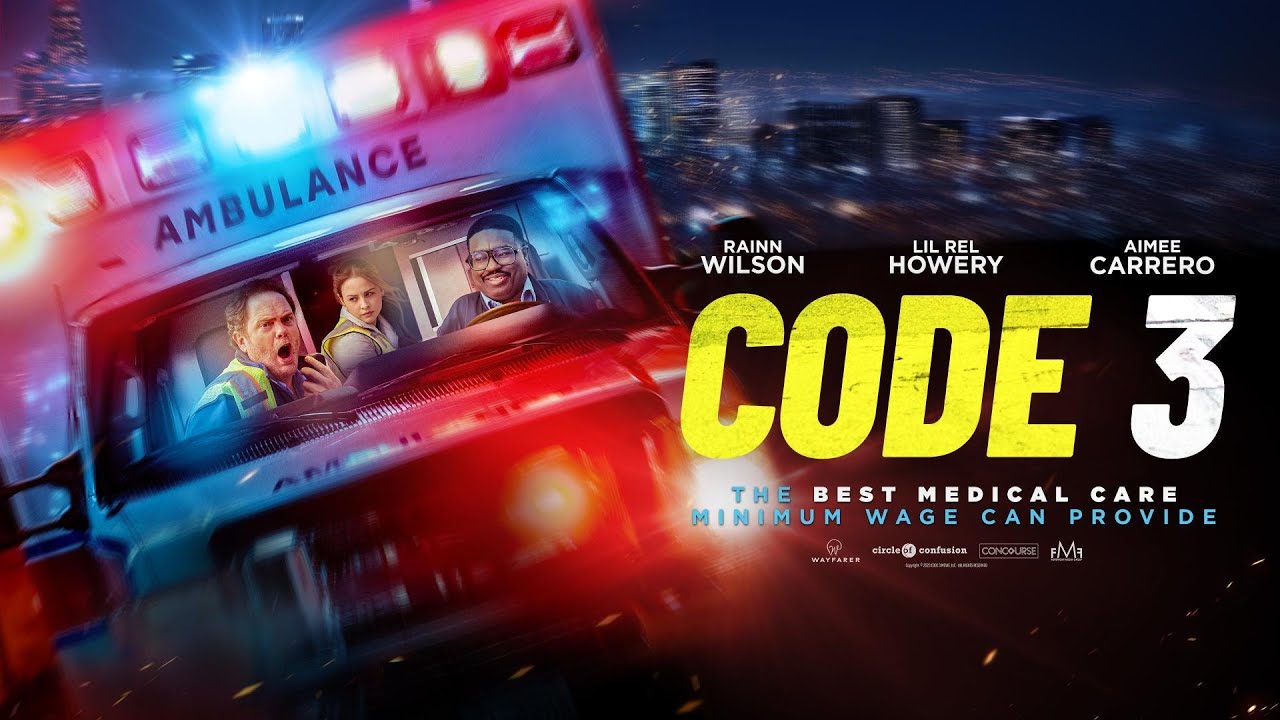
When Code 3 premiered at SXSW and eventually made its way to theaters in September 2025, it arrived with all the hallmarks of a scrappy indie project—minimal budget, a tight runtime of just 1 hour and 40 minutes, and a premise that could’ve easily been forgettable. But something clicked. Director Christopher Leone crafted a comedy-drama that found its audience not in multiplexes but in the places where word-of-mouth matters most: streaming platforms, late-night conversations, and the corners of the internet where people actually care about cinema beyond spectacle. The film’s theatrical run may have netted only $12,140 at the box office, a number that tells you everything about where mainstream audiences’ attention was divided in 2025, but that figure doesn’t capture the real story of what this film became.
> “The best medical care minimum wage can buy.”
That tagline deserves to be quoted because it encapsulates the entire ethos of Leone’s vision. Code 3 isn’t interested in glorifying paramedics through the lens of network television heroics. Instead, it peers directly into the chaos, exhaustion, and absurdity of emergency response work—the unglamorous reality of showing up to save lives while running on fumes and bureaucratic indifference.
What makes this film significant in the landscape of contemporary comedy-drama is its refusal to choose a lane. Most films trying to balance humor with social commentary end up feeling schizophrenic, but Leone’s script and direction maintain a consistent tonal identity throughout. The ensemble cast—headlined by Rainn Wilson alongside Lil Rel Howery and Aimee Carrero—grounds what could’ve been cynical satire in genuine human moments. Wilson, who has spent years building a reputation as someone willing to take on darker, more complex material, delivers a performance that honors both the comedy and the crushing weight of systemic failure.
The collaboration between these three leads creates the film’s backbone. Rainn Wilson brings his particular brand of comedic anxiety—that nervous energy that makes him relatable even when he’s playing someone fundamentally flawed. Lil Rel Howery serves as the conscience of the piece, his natural charisma preventing scenes of real despair from tipping into melodrama. And Aimee Carrero? She’s the film’s secret weapon, providing moments of levity and grounded wisdom that prevent the whole thing from collapsing under its own weight. Together, they feel less like actors executing a script and more like people who’ve genuinely lived through these circumstances together.
The critical reception tells an interesting story about audience expectations in 2025. At 6.9/10 across 181 votes, the film sits in that middle territory that should probably frustrate its creators but honestly feels about right for what Leone achieved. This isn’t a film designed to win over universal acclaim. It’s deliberately uncomfortable, intentionally funny in ways that don’t always land cleanly, and deeply committed to its perspective that the American emergency medical system is fundamentally broken. That specificity of vision is precisely why it resonates with audiences who’ve encountered that system firsthand.
What’s fascinating is how Code 3 found its second life on streaming. The theatrical numbers might suggest commercial failure, but the film’s trajectory mirrors a larger shift in how cinema reaches audiences in the mid-2020s. Leone and his production partners—working across Wayfarer Studios, Circle of Confusion, Electro Corduroy Entertainment, Realdream, and Silver Hearts Productions—created something specifically designed for intimate viewing. A 100-minute comedy-drama about bureaucratic nightmare and human endurance doesn’t require a 40-foot screen. It requires attention, empathy, and a willingness to sit with discomfort.
The film’s cultural impact extends beyond its modest metrics in several meaningful ways:
- It demonstrated that there’s still an audience for cinema that interrogates systems rather than celebrating individuals
- It proved that ensemble casts with genuine chemistry matter more than star power in the streaming era
- It showed that the comedy-drama hybrid, when handled with intelligence and restraint, can explore subjects that pure drama would approach too solemnly
Leone’s direction deserves specific recognition here. Rather than leaning into visual pyrotechnics or performance histrionics, he keeps the camera relatively close, the moments relatively intimate. This approach might seem invisible to casual viewers, but it’s actually meticulous. Every scene choice, every moment of levity, every beat of silence communicates the film’s thesis: these people matter, their exhaustion is real, and our indifference to their situation is the actual emergency.
What makes Code 3 linger isn’t that it’s perfect—the 6.9 rating suggests it isn’t—but that it’s honest in a way that feels increasingly rare. In an era of IP-driven filmmaking and franchise construction, Leone created something genuinely original, genuinely angry, and genuinely committed to its characters’ humanity. The film didn’t set the box office on fire, and it won’t be getting Oscar consideration, but it exists now as a marker of what independent filmmaking can accomplish when talented people refuse to compromise their vision for commercial palatability.
That’s the legacy that matters.