When Kaouther Ben Hania’s The Voice of Hind Rajab premiered at the Venice Film Festival in September 2025, it arrived with a weight that transcended typical festival buzz. This was a film that demanded to be seen not because of star power or spectacle, but because of its moral urgency. In just 89 minutes, Ben Hania created something that feels simultaneously intimate and monumental—a reconstruction of real emergency calls that turned a tragedy into testimony, and in doing so, reshaped what we expect cinema to accomplish when confronting impossible realities.
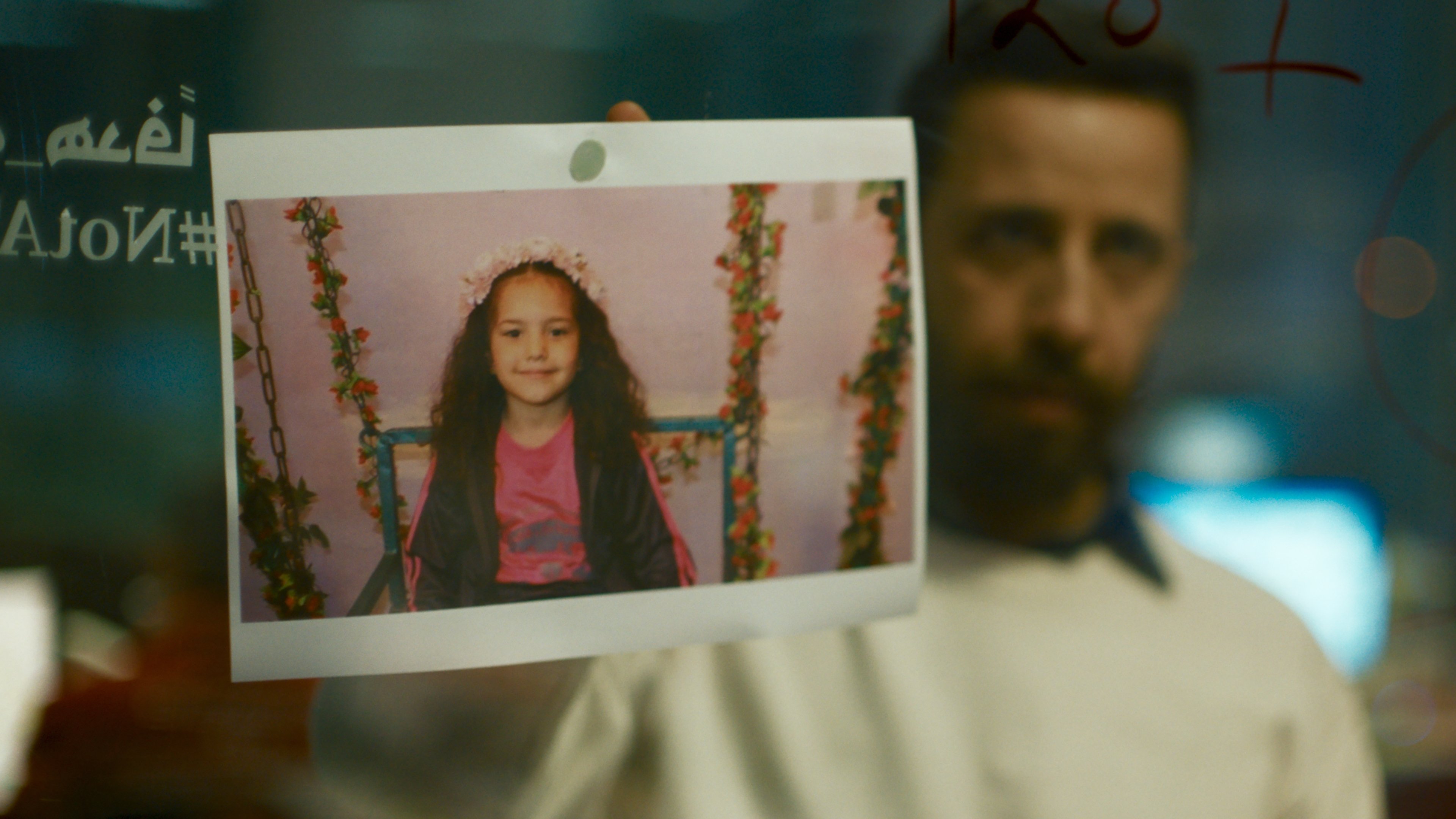
The premise itself is devastating in its directness: the film reconstructs the actual distress calls made by Hind Rajab, a six-year-old girl trapped under fire in Gaza, pleading for rescue while the world listened helplessly. This isn’t a narrative drama with invented conflict or character arcs—it’s a docudrama that honors the specificity of one child’s voice while standing as a window into a much larger tragedy. That’s a risky creative choice. It could have felt exploitative or heavy-handed. Instead, under Ben Hania’s direction, it became something closer to a memorial and a condemnation, a film that uses the power of reconstruction to bear witness.
What makes Ben Hania’s approach so effective is her refusal to look away. The runtime—just 89 minutes—works in the film’s favor, creating an experience that’s visceral without being gratuitous. This is precision filmmaking, where every minute serves the story rather than diluting it. The brevity also reflects the actual duration of those calls, making the viewing experience echo the real experience of those moments of desperation. Time becomes a character itself, slipping away with unbearable momentum.
The performances from Motaz Malhees, Saja Kilani, and Amer Hlehel anchor the reconstruction with a specificity that prevents the material from becoming abstraction. These actors don’t perform in the traditional sense—they inhabit the roles of people responding to crisis, people trying to help, people carrying the weight of what they heard and couldn’t prevent. Their work is quiet and devastating, the kind of acting that disappears into authenticity.
> The film’s recognition at Venice—winning the Silver Lion Grand Jury Prize, one of the festival’s highest honors—wasn’t ceremonial appreciation. It was institutional acknowledgment that cinema has a role to play in preserving human dignity when systems fail.
The box office tells its own story here. Without knowing the production budget, we see that The Voice of Hind Rajab earned $3,095,917 internationally (with some sources citing higher figures), which is remarkable for a film of this nature. This wasn’t a tentpole release with massive marketing spend. Instead, it traveled through festivals and word-of-mouth, reaching audiences who recognized that they were encountering something necessary. The 8.2/10 rating from viewers reflects not just appreciation, but something closer to gratitude—people grateful that someone made this film, that this story was being told with such care and urgency.
The constellation of production companies behind this project speaks to something important about contemporary cinema: The Voice of Hind Rajab was a collaborative effort that required belief from multiple sources. Studios like Mime Films, Tanit Films, Film4 Productions, and Plan B Entertainment, alongside foundations like the Giustra International Foundation and others, collectively invested in a project that had no guarantee of commercial success. This is cinema made from conviction, not market calculation.
What resonates most powerfully, looking back on the film’s journey through 2025, is how it refused to let the moment pass. While other films competed for attention in crowded festival seasons and awards races, The Voice of Hind Rajab maintained its moral clarity. When it blocked what might have been a sweeping international Oscar victory for another distributor, it wasn’t through superior technical craft or narrative innovation—it was through insistence on importance. The film essentially said: this story matters more.
The legacy of The Voice of Hind Rajab will likely shape how filmmakers approach trauma, testimony, and the responsibility of reconstruction. It suggests that cinema doesn’t need elaborate fictionalization to be powerful; sometimes the most radical artistic choice is to honor what actually happened with formal precision. In an era where documentaries and docudramas compete for cultural attention, Ben Hania’s film demonstrates that the form works best when it serves something beyond itself—when it becomes a vessel for voices that otherwise might fade.
This is cinema at its most essential: not entertaining us, but challenging us. Not allowing us to look away, but refusing to let us forget. The Voice of Hind Rajab will endure because it does what only cinema can do—it makes us sit with another person’s reality, unbuffered and undeniable, for 89 minutes that feel like they matter for something far longer.



![Official Trailer [Subtitled]](https://img.youtube.com/vi/JkeKrG0YONQ/maxresdefault.jpg)

![First Clip [Subtitled]](https://img.youtube.com/vi/vaZx7nNsLC8/maxresdefault.jpg)