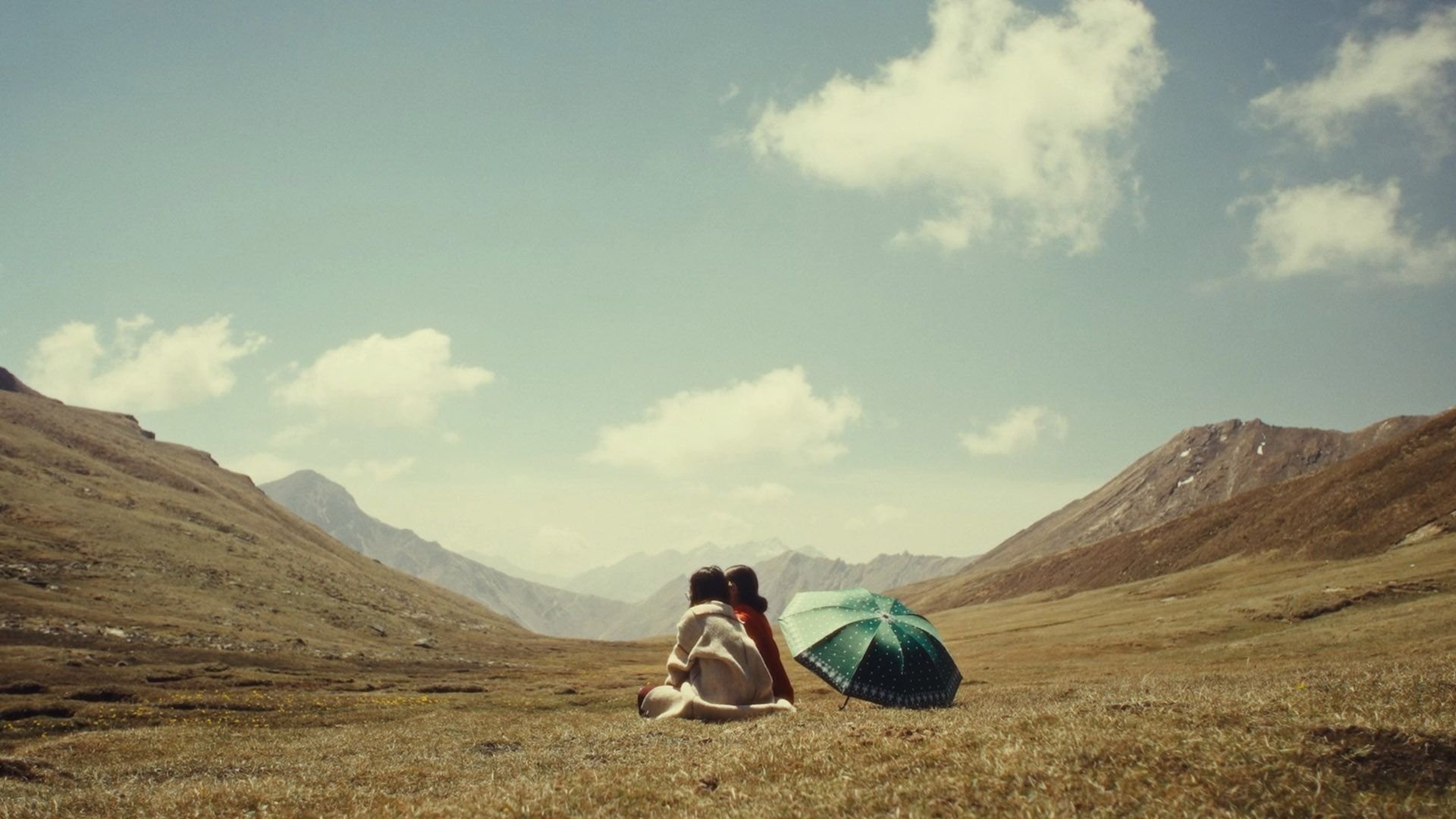
There’s something genuinely special brewing in the documentary world right now, and Goodbye Sisters is shaping up to be one of those films that reminds us why intimate, character-driven storytelling matters. Directed by Alexander Murphy, this Nepalese-French production is set to be released on February 18, 2026, and it’s already generating considerable buzz within festival circuits and among documentary enthusiasts who’ve caught wind of its compelling premise.
What makes this particular film so anticipated is its rare combination of elements. At its core, Goodbye Sisters is a family story—specifically centered on three sisters: Jamuna Budha Magar, Anmuna Budha Magar, and Anjali Budha Magar. But it’s not just any family narrative. These women’s lives unfold against the breathtaking backdrop of the Himalayas, a setting that inherently carries profound symbolic weight. The filmmaking team at Goodseed Productions seems acutely aware that they’re documenting something beyond the personal—they’re capturing a moment in time where tradition, identity, and modernity collide in one of the world’s most visually stunning regions.
The early reception speaks volumes. Since its world premiere at the Tallinn Black Nights Film Festival (PÖFF), audiences and critics have responded to what seems to be a perfectly calibrated balance of aesthetic beauty and emotional depth. Here’s what stands out about the film’s anticipated impact:
- Authentic representation – Rather than imposing an external narrative, Murphy appears to let his subjects lead, creating space for their voices and experiences to emerge naturally
- Visual storytelling – The cinematography has already been highlighted as “spectacular,” elevating what could have been a standard documentary into something visually meditative
- Cultural significance – The film captures a specific moment in Himalayan life that speaks to broader questions about family, obligation, and personal choice
- Female-centered narrative – Placing these three women at the center offers perspectives that often go underrepresented in cinema
Alexander Murphy’s directorial vision here is worth examining more closely. He’s created something that resists easy categorization—it’s neither a pristine nature documentary nor a conventional human-interest piece. Instead, it exists in that rich middle ground where landscape and lived experience become inseparable. The choice to center on these three sisters, rather than fragmenting focus across a broader community, demonstrates a filmmaker confident enough to find the universal within the specific.
The film’s strength lies in its understanding that the most profound stories often emerge from the smallest, most intimate moments—a conversation overheard, a glance exchanged, a decision made in solitude.
The casting, if we can call it that in documentary terms, is essential to understanding why this project feels so vital. Jamuna Budha Magar, Anmuna Budha Magar, and Anjali Budha Magar aren’t playing characters—they’re living their lives in front of the camera. This distinction matters enormously. Their authenticity can’t be manufactured or performed; it either exists or it doesn’t. Early accounts suggest these three bring an naturalness and openness that allows Murphy to explore deeper questions about sisterhood, duty, and personal agency without ever feeling exploitative or voyeuristic.
What’s particularly intriguing about Goodbye Sisters—and what will likely resonate when it reaches wider audiences upon its February 2026 release—is how it engages with the complexities of modern life in rural communities. This isn’t a film that presents the Himalayas as some romantic, timeless space frozen outside history. Instead, it seems genuinely interested in how these women navigate contemporary pressures while remaining rooted in their cultural identity and family bonds. That tension, that push-and-pull between different worlds, is where some of the most honest filmmaking happens.
The collaboration between Murphy and Goodseed Productions suggests a commitment to thoughtful, purposeful documentary work. Rather than chasing trends or manufactured urgency, this production team appears invested in the kind of slow cinema that trusts its audience to sit with complexity and ambiguity. That’s increasingly rare, and it’s part of why anticipation is building ahead of the film’s broader release.
Consider what this film might accomplish in broader conversations. Documentary cinema has tremendous power to shift how we understand lives different from our own, to complicate stereotypes, and to remind privileged viewers of perspectives they might never otherwise encounter. Goodbye Sisters seems positioned to do exactly that—not through heavy-handedness or didacticism, but through the simple act of spending time with its subjects, allowing their humanity to speak for itself.
As we move closer to February 18, 2026, there’s a real sense that this is the kind of film festival circuits have been waiting to discover. It’s earned its place in international competition through genuine merit rather than hype, and that’s the surest indicator that audiences are in for something worthwhile. When it eventually reaches a wider audience, Goodbye Sisters has all the hallmarks of becoming a reference point in contemporary documentary cinema—the kind of film that reminds us why filmmakers make documentaries in the first place: to bear witness, to honor complexity, and to expand our understanding of what it means to be human across this beautifully diverse world.