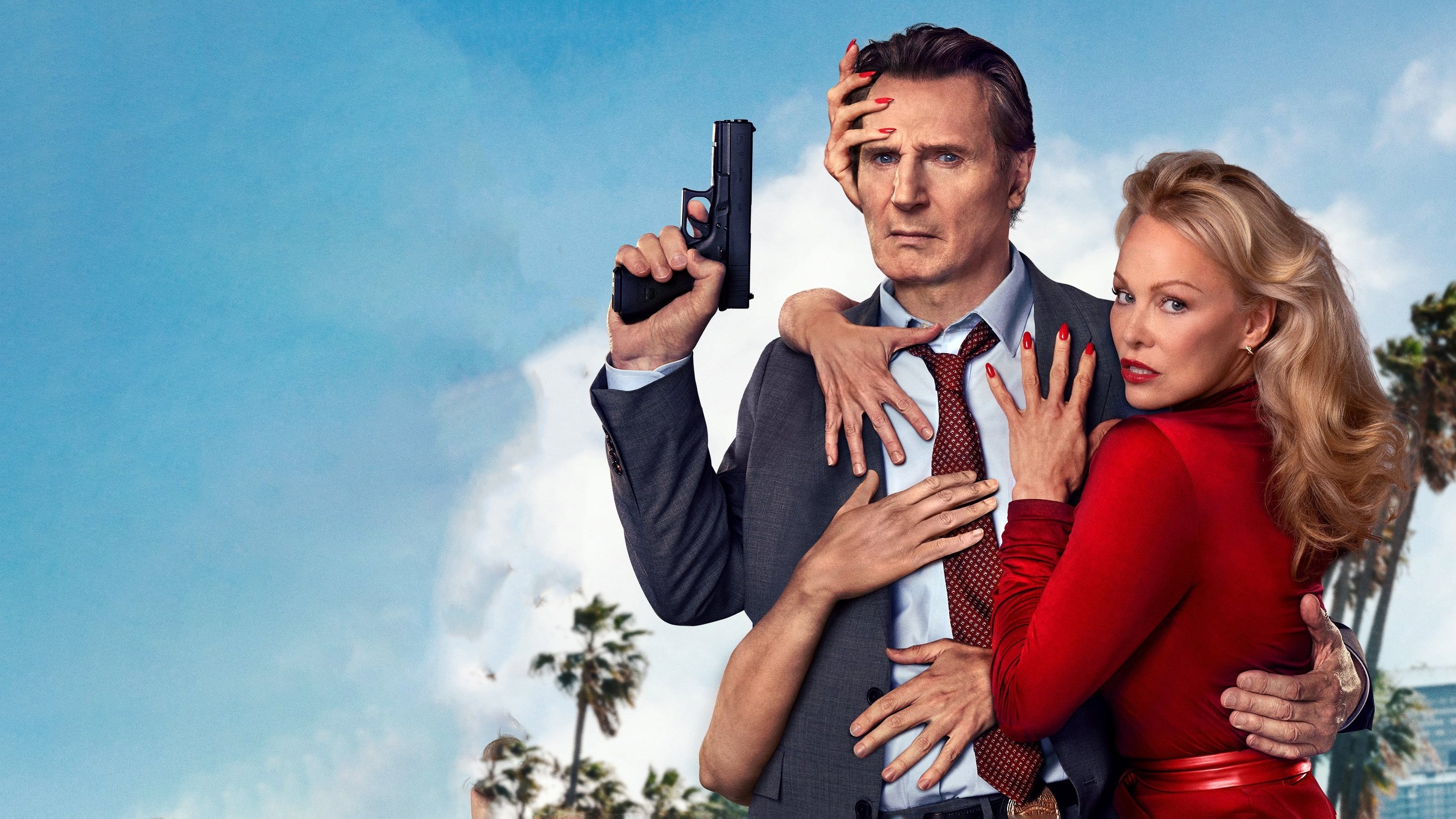
When The Naked Gun was released in July 2025, it arrived with a specific mission: prove that the absurdist comedy formula could still work in a landscape increasingly dominated by IP nostalgia and safe reboots. What director Akiva Schaffer delivered wasn’t just a competent revival of the classic ’90s franchise—it was a genuine creative statement that reminded audiences why slapstick satire, when done with intelligence and commitment, remains genuinely subversive cinema.
The film’s journey from $42 million investment to $102.1 million worldwide box office gross tells an interesting story about modern audiences. This wasn’t an explosive opening weekend phenomenon; instead, it demonstrated the kind of steady, word-of-mouth momentum that suggests something actually worked. A brisk 1 hour and 25 minutes of runtime meant audiences could consume the entire experience without feeling bloated—a directorial choice that’s become increasingly rare in comedy, where filmmakers often confuse length with value.
What makes this reboot significant isn’t just its commercial success, but how it navigates the cultural space it occupies:
- It revives a franchise that many assumed was permanently dormant, proving the property still held cultural relevance
- It demonstrates that satirical comedy about institutional incompetence resonates even stronger in our current moment
- It repositioned Liam Neeson, primarily known for action-thriller gravitas, as a genuine comedic lead
- It reminded studios that casting can elevate material—Pamela Anderson and Paul Walter Hauser brought unexpected dimensions to their roles
Schaffer’s vision for the project centered on something crucial: respecting the original DNA while letting contemporary sensibilities reshape it. The film wasn’t trying to “fix” the previous Naked Gun films or distance itself from their absurdist legacy. Instead, it leaned into that legacy while updating the satirical targets. Where the original films skewered institutional incompetence in law enforcement, this version could sharpen that critique with 2025’s particular anxieties about surveillance, bureaucratic failure, and the gap between public persona and private reality.
The casting of Liam Neeson as Frank Drebin represented a calculated creative risk. Neeson brings an inherent world-weariness and physical credibility to his roles—qualities that made him perfect for Taken and its ilk. But what Schaffer recognized is that those same qualities, deployed in a comedic context, create a specific kind of humor: the gap between how Drebin sees himself (as a competent detective) and how the world actually perceives him (as a walking disaster). It’s a performance that requires an actor comfortable looking foolish while maintaining absolute conviction, and Neeson committed fully to that tonal balancing act.
Pamela Anderson’s return to comedy felt like a cultural reset button. Her presence carried weight beyond mere casting—it acknowledged the franchise’s legacy while suggesting evolution. Paul Walter Hauser, increasingly recognized for his ability to find pathos in comedic supporting characters, brought unexpected texture to what could have been stock roles. These weren’t disinterested performances from fading stars phoning it in for a paycheck; this was ensemble work that suggested everyone involved believed in Schaffer’s vision.
> “The law’s reach never stretched this far.” The tagline captures something essential about the film’s satirical approach: it’s interested in how authority figures fail precisely because they overreach, because their ambitions exceed their actual competence.
The critical reception—a respectable 6.4/10 across 1,336 votes—reflects the particular challenge of comedy criticism. Comedy divides audiences more than almost any other genre; what lands brilliantly for one viewer feels labored to another. What’s significant is that the film didn’t collapse under critical indifference. It maintained legitimacy, which matters when discussing cultural longevity. More tellingly, the film’s award recognition—including the Critics Choice Award for Best Comedy Movie—suggested that institutional critics recognized something more than just competent crowd-pleasing was happening.
The film’s lasting significance may ultimately rest not in its individual scenes or performances, but in what it argued about comedy’s current place in cinema. In an era where comedy often functions as secondary texture in blockbuster franchises, The Naked Gun insisted on comedy’s right to occupy the center. It refused to apologize for its commitment to absurdism, refused to hedge its satirical targets with ironic distance, and refused to assume audiences had moved beyond slapstick when executed with intelligence.
What this film potentially influences going forward:
- The viability of reviving dormant comedic franchises with real creative purpose rather than mere nostalgia harvesting
- The willingness of prestige actors to anchor comedic material without fear of career contamination
- The argument that satirical comedy can address contemporary institutional failures with more precision than straightforward drama
- The possibility that shorter, tighter comedies might outperform bloated alternatives
The film’s enduring relevance stems from something simple but increasingly rare: it trusted its audience’s intelligence while demanding nothing but their laughter. In a cultural moment fractured by algorithmic filtering and narrowcasting, that combination—smart satire delivered with genuine comedic craft—feels almost radical. The Naked Gun didn’t just succeed financially or critically; it succeeded by doing what good comedy always does: it reflected our world back at us in ways that were simultaneously ridiculous and uncomfortably true.