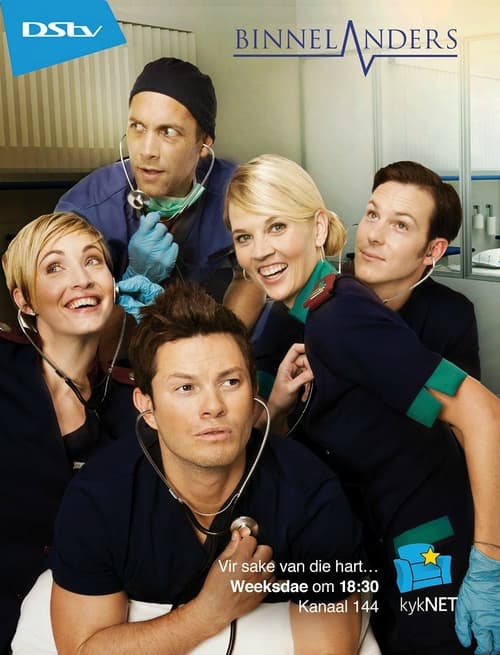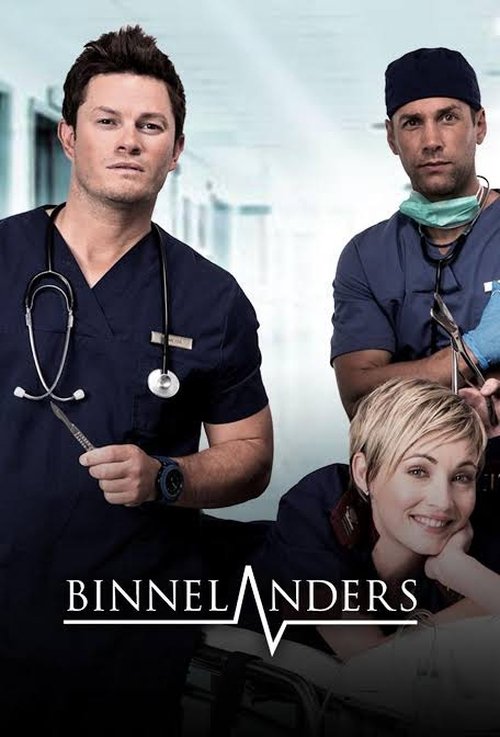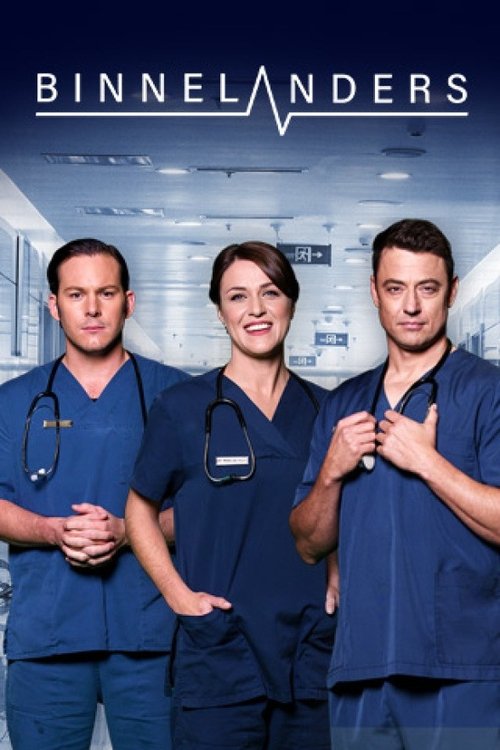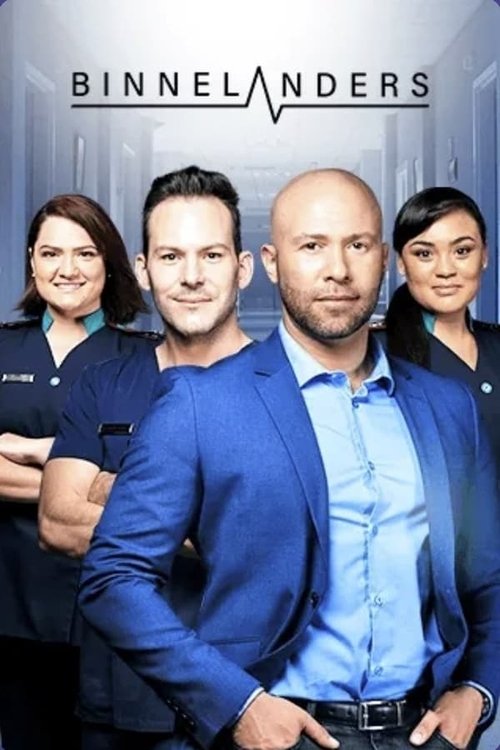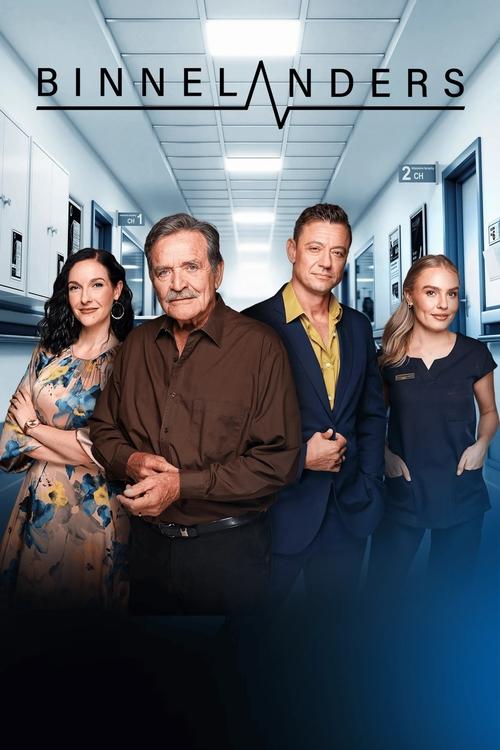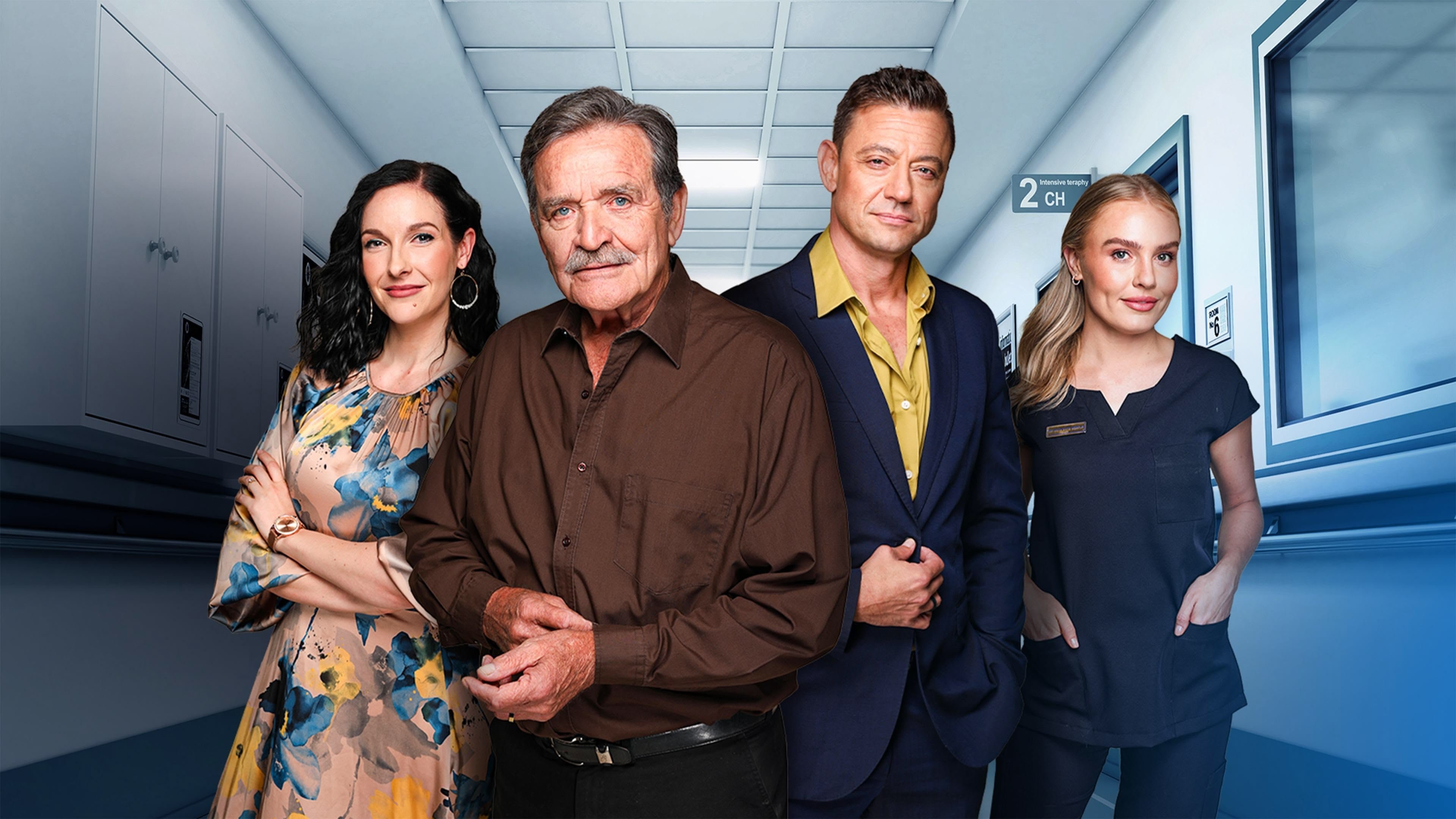
When Binnelanders premiered on October 13, 2005, on M-Net, it arrived with a specific mission: to create a soap opera that could genuinely reflect the lives of South African audiences while maintaining the dramatic momentum that keeps people coming back week after week. What Human Stark and Elsje Stark created wasn’t just another melodrama—it was a cultural institution that would eventually span over two decades and deliver more than 5,100 episodes of interconnected storytelling.
The show’s setting within the fictional Binneland Kliniek private hospital in Pretoria proved brilliant from a storytelling perspective. By anchoring the narrative around a medical facility, the creators built in natural story engines: emergencies that interrupt personal dramas, professional relationships that blur into personal ones, and the kind of high-stakes situations that genuine soap opera thrives on. That constraint—rather than limiting the writers—actually became the show’s greatest strength, allowing them to explore how people navigate romance, betrayal, ambition, and ethics within a defined space.
What’s particularly striking about Binnelanders is how it achieved sustained audience connection across 21 seasons. Yes, the 5.5/10 rating might seem modest on paper, but context matters enormously. This isn’t a show chasing trending topics or viral moments—it’s building something far more durable: genuine emotional investment. The fact that new viewers report feeling immediately familiar with the show after just a few episodes speaks to a rare creative achievement. The storytelling is accessible without being condescending, complex without being impenetrable.
The longevity itself tells us something important about what audiences actually want from their television. In an era obsessed with limited series and self-contained narratives, Binnelanders quietly proved that there’s an enduring appetite for:
- Character-driven narratives where relationships deepen over years rather than episodes
- Continuity that respects viewer intelligence—long-form storytelling that pays off investments made seasons earlier
- Local storytelling that speaks directly to its cultural context rather than chasing international appeal
- Ensemble casts where supporting characters develop rich inner lives rather than serving as mere plot devices
What made Binnelanders culturally significant wasn’t necessarily about breaking boundaries in the traditional sense. Rather, it demonstrated that thoughtful soap opera—grounded in genuine emotion and character development—could sustain an audience’s attention across decades. The show became a conversation piece in South African television precisely because it took its audience seriously.
> The real measure of Binnelanders‘ success isn’t found in ratings databases but in water cooler conversations and family viewing traditions.
The unknown episode runtime actually worked in the show’s favor, allowing flexibility in storytelling. Some episodes could breathe when needed, developing complex emotional beats; others could zip along when plot demanded momentum. This flexibility, rather than constraint, gave the writers and producers remarkable freedom to prioritize story over format—a luxury many serialized dramas never enjoy.
Over 21 seasons, Binnelanders created the kind of cultural touchstones that define a television legacy. Memorable character moments became shared cultural references within its audience. The show’s ability to balance soap opera melodrama with genuine emotional realism—finding drama in the everyday alongside the extraordinary—became its signature approach. Whether exploring a doctor’s involvement in an accident, personal suspicions that drive wedges between friends, or the shock of discovering uncomfortable truths about loved ones, the show understood that the best drama emerges from character rather than circumstance.
The creative vision behind the series proved remarkably durable. Rather than jumping the shark or chasing novelty, the Starks and their creative team understood something fundamental: audiences develop emotional investments in well-crafted characters, and those investments can sustain engagement across hundreds of hours if maintained with consistency and care. This philosophy kept Binnelanders returning season after season, building an increasingly complex web of relationships and histories.
The show’s returning status speaks to something television often overlooks: the genuine hunger for serialized storytelling that respects both continuity and character. In a landscape fragmented across streaming services and fractured attention spans, Binnelanders continues proving that audience loyalty doesn’t require constant reinvention or shock value. It requires competent writing, committed performances, and genuine care for the stories being told.
For television enthusiasts, Binnelanders represents something increasingly rare—a show that doesn’t need international recognition or critical acclaim to justify its existence. It exists for its audience, serves them faithfully, and continues evolving within the framework that makes it distinctive. That’s not modest success; that’s sustained artistic achievement. After nearly two decades, it’s still finding new stories to tell, new emotional territory to explore, and new reasons for viewers to care deeply about the residents of Binneland Kliniek.