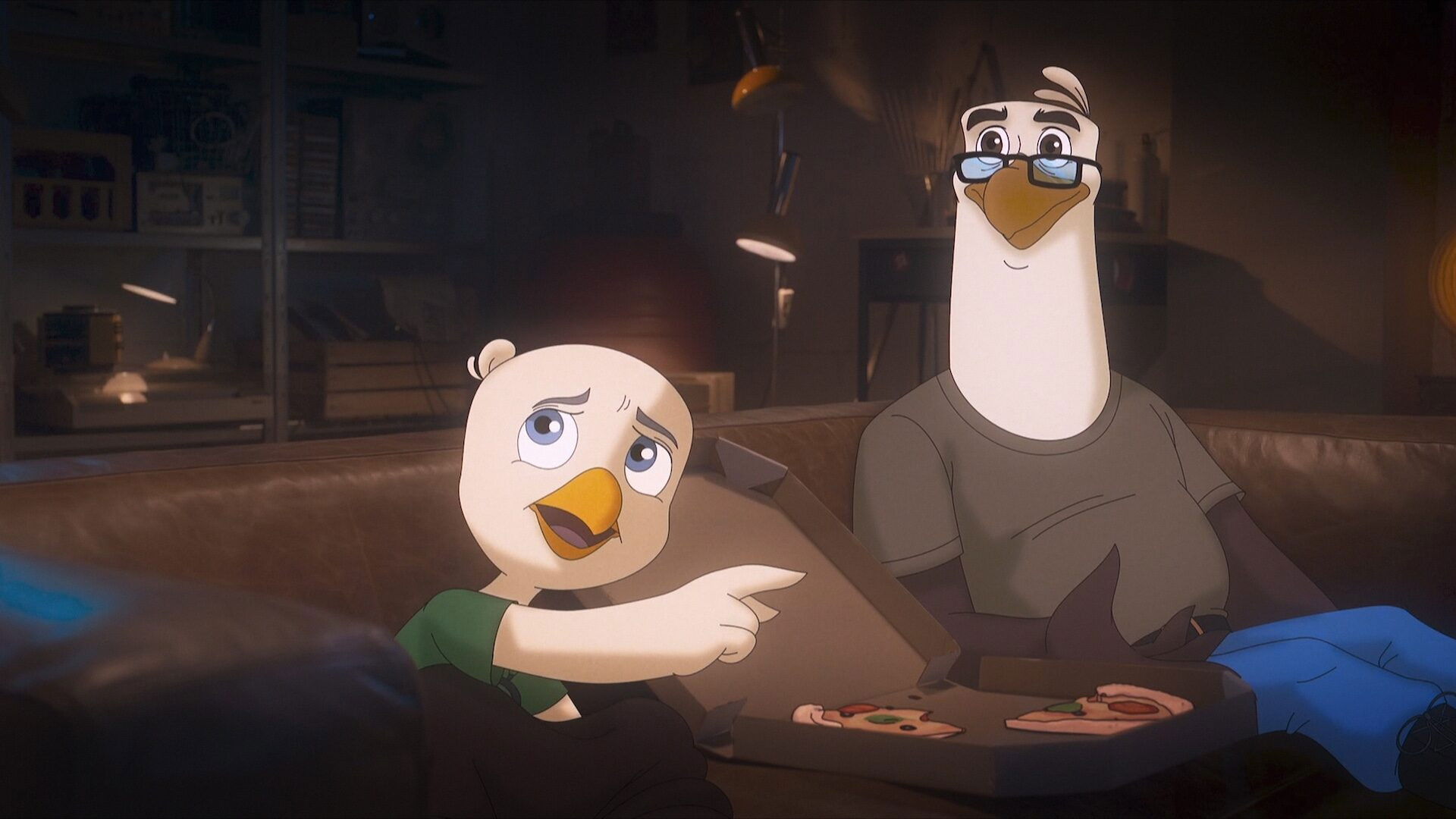
There’s something genuinely exciting brewing in the world of animation right now, and Iggy the Eagle is shaping up to be one of those projects that deserves your attention. Director Bartek Kędzierski is bringing this adventure to life, and what’s particularly intriguing is the collaborative muscle behind it—this isn’t some quietly produced indie project, but rather a coordinated effort involving multiple respected Polish studios: Horus Movies, Orangeanimation, Studio Filmowe Kineskop, Juice, and Studio Orka. That kind of production infrastructure suggests ambition, resources, and a genuine belief in the material.
The film is scheduled for release on February 6, 2026, and while it hasn’t yet landed in theaters, the anticipation is building steadily. What we’re looking at here is a science fiction-fantasy animated adventure aimed at families—a genre blend that’s become increasingly rare in mainstream animation. Most studios play it safe with contemporary comedies or fairy tale adaptations, so the willingness to lean into science fiction and fantasy elements for a family audience shows creative confidence.
What Makes This Collaboration Special
The casting choices reveal a lot about the project’s ambitions. Piotr Adamczyk, Agnieszka Dygant, and Danuta Stenka aren’t just names thrown at an animated project—these are accomplished Polish performers who bring genuine dramatic weight to their roles. Voice acting in animation often gets overlooked as a craft, but these actors understand nuance, timing, and emotional authenticity in ways that elevate the material.
- Piotr Adamczyk brings established credibility and emotional depth to his character work
- Agnieszka Dygant’s versatility suggests a complex female character worth investing in
- Danuta Stenka’s presence indicates multi-generational appeal in the narrative
- The ensemble suggests character-driven storytelling rather than celebrity voice-casting
The Production Context
What’s worth noting is that this project exists in a fascinating moment for Polish cinema and animation. European animation has been experiencing a creative renaissance over the past decade, with studios from Poland, Germany, and Scandinavia producing increasingly sophisticated work that doesn’t feel obligated to mimic American animation styles. Studio Filmowe Kineskop and Orangeanimation in particular have track records of investing in visually distinctive projects.
The runtime of 1 hour and 25 minutes is notably lean by modern family film standards. There’s no bloat here—this suggests a filmmaker confident enough to tell a focused story without padding. That’s refreshing in an era when animated features often stretch toward the two-hour mark regardless of narrative necessity.
The real question isn’t whether Iggy the Eagle will succeed, but what it will say when it arrives. What conversations will it spark about storytelling, animation craft, and what family audiences actually want to see?
What Lies Ahead
As we approach the February 2026 release, there’s something valuable about discussing films before they premiere and before review aggregation sites cement them in the collective consciousness. Right now, the film sits at 0.0/10 with zero votes—which makes sense given it hasn’t been released yet. This is genuinely virgin territory. There’s no baggage, no discourse, no predetermined narrative about whether it succeeded or failed.
That blank slate matters because it allows us to focus on what the filmmakers are attempting rather than what critics will eventually decree. Bartek Kędzierski is clearly building something intentional here. The genre blend alone—mixing science fiction, fantasy, adventure, and family sensibilities—requires careful tonal balancing. It’s the kind of project that could feel either wonderfully imaginative or tonally confused, and that’s precisely why the skill of the director and cast becomes so crucial.
The Broader Cinematic Landscape
Iggy the Eagle arrives at a moment when animated family entertainment is genuinely fractured. You have the Marvel-adjacent animated properties, the streaming algorithm-optimized content, and then you have films like this—projects that seem to emerge from a genuine creative vision rather than a market analysis spreadsheet. The involvement of multiple studios suggests this is the kind of project that required passion to assemble.
- It represents European animation’s continued creative vitality
- It demonstrates faith in original IP in the family animation space
- It signals that ambitious genre-blending remains viable for animated features
- It showcases how respected dramatic actors elevate voice work
The film’s existence itself—the fact that these studios coordinated to bring this specific story to screen—matters more than any pre-release hype cycle. This is the kind of project that becomes either a beloved cult favorite or a touchstone for animation enthusiasts, and honestly, that’s worth more than blockbuster status.
Why This Matters Now
There’s genuine value in approaching Iggy the Eagle with curiosity and openness rather than skepticism. The animation landscape benefits when filmmakers take risks with tone, genre, and scope. When Kędzierski and his cast take the screen on February 6, 2026, they’re not just releasing another family film—they’re making a statement about what animation can be when given resources, talented performers, and creative freedom.
That’s something worth paying attention to.