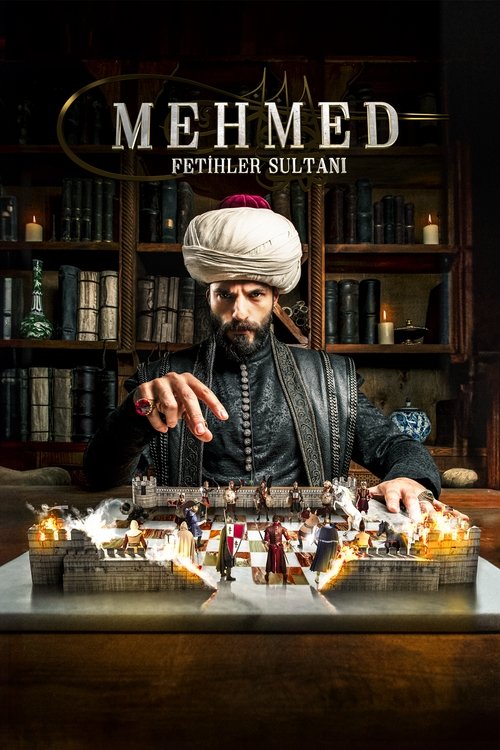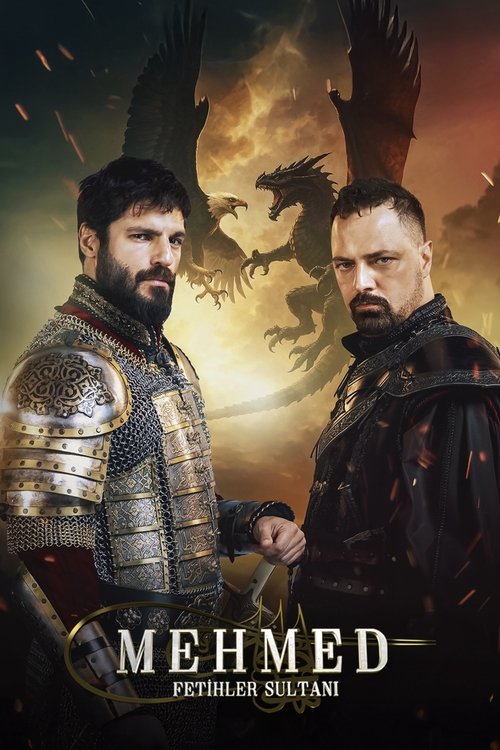
When Mehmed: Sultan of Conquests premiered on February 27, 2024, on TRT 1, it arrived with the kind of narrative ambition that television doesn’t often attempt anymore. Here was a show willing to dedicate itself entirely to one of history’s most transformative figures—Fatih Sultan Mehmed—and more importantly, willing to give that story the runtime and scope it genuinely deserved. At 160 minutes per episode, creator Eyüp Gökhan Özekin wasn’t making television for casual consumption; he was crafting what amounts to historical cinema, episodic and ongoing, demanding viewer commitment in an age of three-minute TikToks and attention-fragmented streaming.
The decision to work with that extended runtime reveals itself as foundational to everything the show accomplishes. Where typical dramas compress political intrigue into neat 45-minute packages, Mehmed unfolds its palace conspiracies, military strategies, and character conflicts with genuine breathing room. This isn’t padding—it’s the difference between watching a chess game and understanding it. When Mehmed navigates enemies both inside and outside palace walls, when he orchestrates the path toward conquering Istanbul, when he manages the delicate psychology of leadership, the show doesn’t rush. It inhabits these moments. That runtime becomes an artistic statement in itself, pushing back against the notion that prestige drama requires brevity.
What genuinely stands out in the television landscape is how the show manages to be simultaneously massive in scope yet intimate in character work. This is War & Politics drama done with theatrical ambition. The series doesn’t treat the conquest of Constantinople as a historical inevitability to be checked off; instead, it interrogates the human cost, the political calculations, the religious significance, and the personal struggle of a young man ascending to absolute power. Over three seasons and 67 episodes, viewers have experienced something increasingly rare: a complete dramatic arc for a historical figure, rather than scattered episodes or a rushed narrative trying to fit everything into a predetermined season count.
The 8.4/10 rating tells you something about how audiences received this work. That’s not the spike you see with a viral moment or a shocking twist—that’s the steady appreciation of viewers who recognized they were watching something substantial. The Returning Series status confirms there’s more story to tell, which means audiences remain invested not out of obligation but out of genuine engagement with what Özekin and his team have constructed.
> The show has sparked genuine conversations about how Ottoman history gets told, how power operates in closed systems, and whether we’ve underestimated what historical drama can achieve on television.
Culturally, Mehmed has become something of a touchstone in discussions about representation and perspective in historical storytelling. When international audiences encounter Turkish television tackling Ottoman history with this level of production value and creative sophistication, it challenges certain Western-centric narratives about historical drama. The show has consistently generated engagement—from episode discussions to character analysis—precisely because it takes its source material seriously while never becoming a dry textbook. Viewers have returned week after week not just to see what happens next, but to understand how it happens, to sit with the philosophical and strategic dimensions of leadership under extraordinary pressure.
The series has proven particularly compelling in how it handles the palace politics angle. Rather than reducing Ottoman court dynamics to stereotype or simplification, the show presents:
- Complex relationships between sultans, viziers, and military powers
- The precarious balance between religious authority and political control
- The psychological weight of inherited expectations and absolute responsibility
- Intimate character moments that ground historical events in human stakes
- Strategic warfare that reflects genuine historical military thinking
What makes Özekin’s vision distinct is his refusal to separate these elements. The conquest of Istanbul isn’t just about cannons and ships; it’s about a sultan who must convince his people, manage his generals, eliminate rivals, and maintain his own psychological equilibrium while pursuing an objective that could define or destroy his legacy. That’s sophisticated storytelling, the kind that justifies the 160-minute commitment it demands from viewers.
The production itself deserves recognition—this is clearly a significant investment, whether we’re discussing costumes, set design, or the orchestral scope of the storytelling. TRT 1’s backing of this project signals that there’s room in global television for prestige historical drama made outside the typical Anglo-American production centers. The show has become almost a proof of concept: audiences worldwide will engage with carefully constructed historical narratives told from different cultural perspectives when the craftsmanship is evident.
The creative risk-taking extends to how the show manages tone. It never feels like melodrama, though it certainly contains dramatic moments. It never feels like tedious historical recreation, though it clearly respects historical detail. Instead, it occupies that rare space where entertainment and artistry reinforce each other rather than competing for dominance. When episodes have achieved ratings near 8.8, it’s not because of shock value—it’s because the storytelling has earned emotional investment through character work and thematic depth.
As Mehmed: Sultan of Conquests continues its journey as a Returning Series, it represents something worth celebrating in contemporary television: the idea that audiences remain hungry for ambitious, lengthy, sophisticated drama that respects both history and human complexity. The show has proven that extended runtimes aren’t indulgences but tools, that historical figures deserve narrative exploration rather than biographical summary, and that television made outside traditional English-language centers deserves consideration in conversations about what the medium can achieve. It’s the kind of series that reminds you why people still gather around television—not as background noise, but as genuine art.