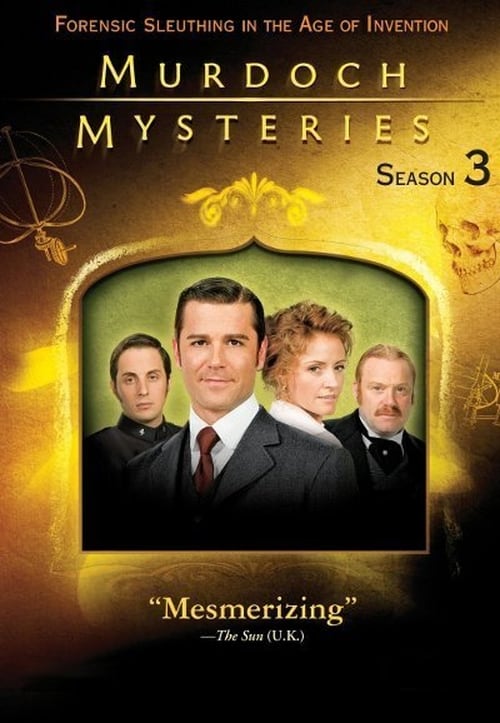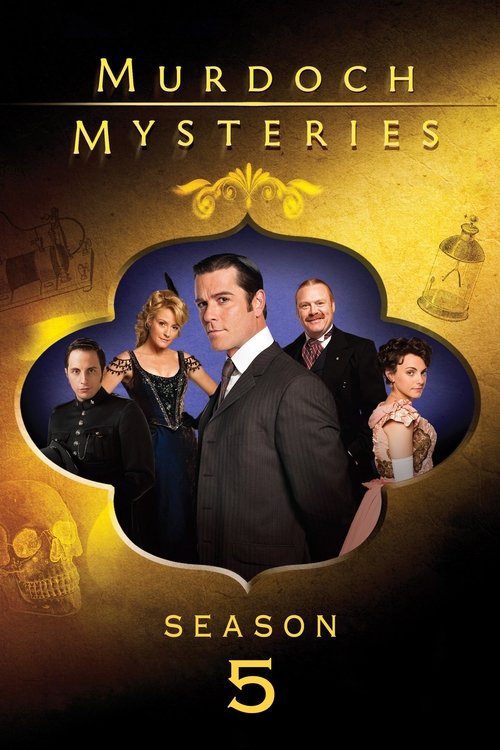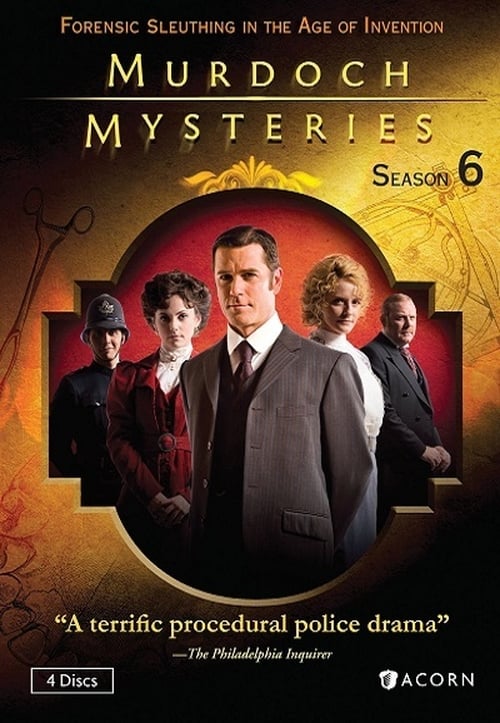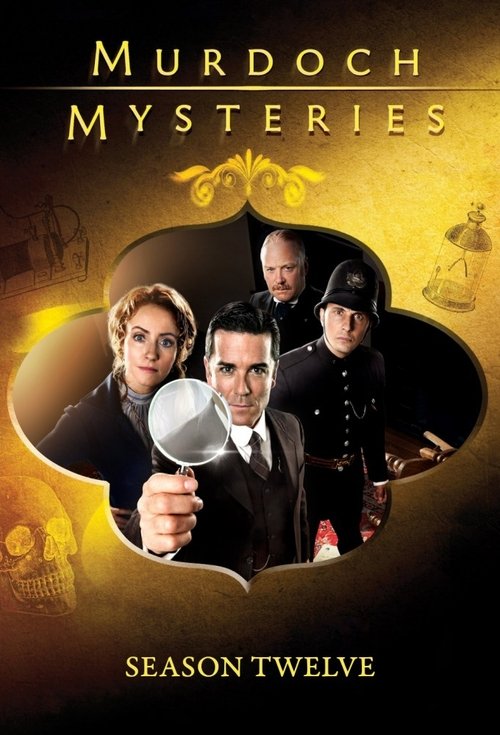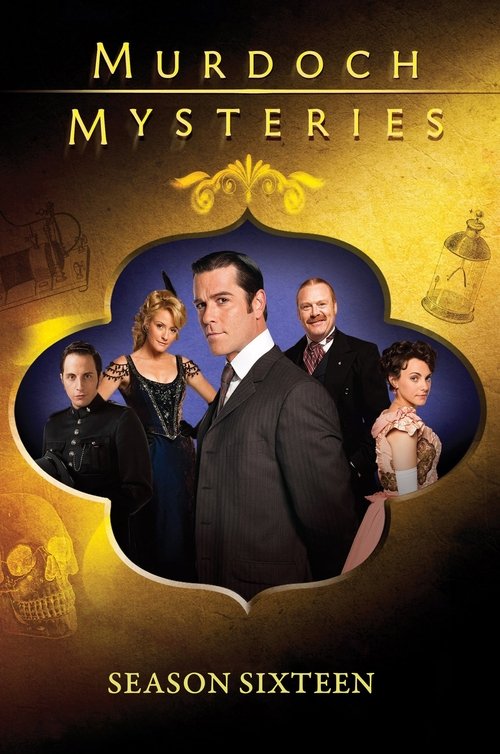
If you’re looking for a mystery series that manages to feel both intellectually rigorous and deeply human, Murdoch Mysteries is exactly the kind of show that deserves a permanent spot on your watchlist. Since it premiered back in January 2008, this Canadian drama has quietly built something remarkable—a 19-season run spanning 323 episodes that consistently delivers smart storytelling without sacrificing character development or genuine emotional stakes. It’s the kind of show that could’ve faded after a season or two, but instead it’s become one of television’s most dependable gems, and there are some genuinely compelling reasons why.
The Innovation Behind the Concept
Creator Maureen Jennings built the show on a deceptively elegant premise: what if a detective in 1890s Toronto had access to forensic techniques that were decades ahead of his time? Rather than treating this as a gimmick, the series uses William Murdoch’s revolutionary approach to investigation—fingerprinting, trace evidence analysis, early photography—as a genuine narrative framework. What makes this work is that these techniques don’t solve every mystery instantly. Instead, they create tension. Murdoch’s methods are often dismissed by his superiors, doubted by colleagues, and occasionally even prove unreliable. The show treats forensic science as something still being invented, which gives every investigation a real sense of stakes.
The 60-minute runtime proved crucial to what Murdoch Mysteries became. Unlike procedurals that cram resolution into 42 minutes, this series had breathing room. It could develop character arcs across episodes, let relationships simmer, and explore the historical and social context of Toronto in a way that felt organic rather than educational. You’re not watching a detective solve a crime; you’re watching a man navigate a world that doesn’t quite believe in his methods yet, set against the backdrop of rapid technological and social change.
> This is mystery television that trusts its audience to care about people, not just puzzles.
Building a Sustainable Success
Looking at the ratings trajectory—starting at 7.6 in season one and climbing to 8.1 by seasons three and four—you can see the moment audiences fully connected with what the show was doing. Those early years established something solid: a reliable cast of characters who grew together, a Toronto setting that became a character itself, and a commitment to balancing procedural satisfaction with serialized storytelling. By the time the ratings settled into the high 7s (where they’ve remained, currently holding at 7.7/10), Murdoch Mysteries had already proven it could sustain itself.
That longevity matters. Nineteen seasons is no accident. This isn’t a show that’s running on empty or desperately reinventing itself every other season. Instead, it’s found a rhythm where individual cases matter, but they’re always in service of larger character journeys. William Murdoch’s relationship with Station House Four, his partnership with Detective Brackenreid, the will-they-won’t-they with Dr. Julia Ogden—these threads evolve across seasons without feeling forced or melodramatic.
The Cultural Moment It Created
What’s particularly interesting about Murdoch Mysteries is how it carved out space for a specific kind of television storytelling. When it premiered in 2008, prestige television was either gritty procedurals or serialized dramas. There wasn’t much room for something that was fundamentally optimistic about human ingenuity and progress, but also deeply thoughtful about how change disrupts communities. The show has always acknowledged the dark side of technological advancement—how the same techniques that catch criminals can be misused, how progress leaves people behind—while maintaining faith in people like Murdoch who believe understanding the world is inherently good.
- The tonal balance: Mystery episodes that are genuinely puzzling, not just variations on a theme
- Character consistency: Supporting players who grow and change rather than reset weekly
- Historical setting as storytelling: 1890s Toronto feels lived-in, not like a costume drama
- Willingness to take risks: From the notorious “aliens” episode referenced in the episode list to dramatic season finales that actually carry weight
The show has also quietly become a masterclass in diverse representation, though it never makes a big deal about it. It reflects the actual Toronto of that era—immigrant communities, women working in emerging fields, class conflict—without turning any of it into an after-school special.
Why It Endures
Here’s what keeps Murdoch Mysteries fresh across 323 episodes: it genuinely likes its characters. There’s no cynicism here, no assumption that audiences need moral ambiguity to stay invested. William Murdoch can be brilliant and earnest and occasionally naive, and the show doesn’t punish him for it. Dr. Ogden can be ambitious and compassionate. Inspector Brackenreid can be a man of his time who’s slowly being pushed toward progress. These aren’t contradictions; they’re people.
The mystery elements remain genuinely satisfying because Jennings understood something crucial: the puzzle matters, but it’s never the point. The point is always how people respond to mystery, to the unknown, to evidence that challenges their assumptions. By keeping the runtime generous and refusing to rush toward resolution, the show created space for that kind of storytelling.
A Show Worth Your Time
Murdoch Mysteries has spent nearly 16 years building something that television often overlooks: a consistent, intelligent drama that respects both its characters and its audience. It premiered on CBC Television and has since found homes on Citytv, various streaming platforms, and networks internationally, proving there’s genuine hunger for this kind of storytelling. With its Returning Series status, there’s every indication it’ll keep going, and honestly? That feels right. This is a show that knows what it is, does it exceptionally well, and somehow manages to feel like it’s just getting started.