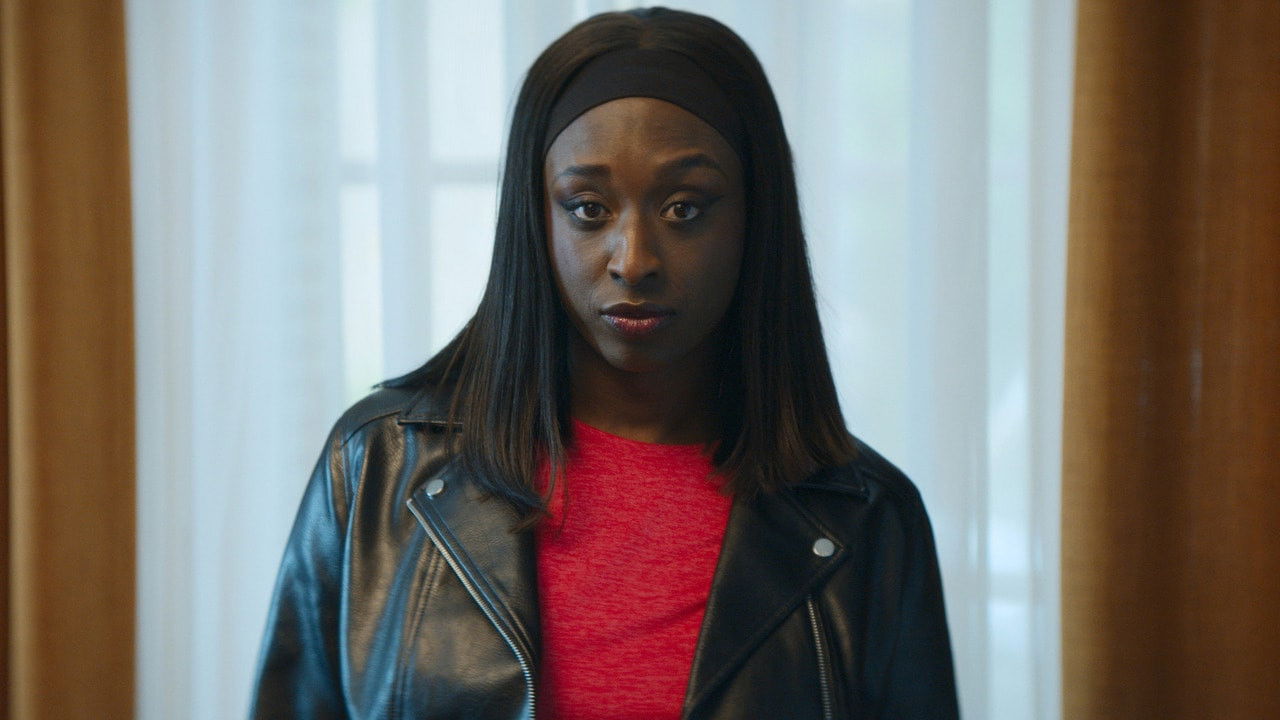
There’s something genuinely exciting happening with Ahmed Sylla’s L’infiltrée, and it’s the kind of project that reminds you why French comedy remains such a vital force in cinema. Set to release on February 11, 2026, this film is positioned to be a refreshing entry in the comedy landscape, bringing together a carefully curated cast and a creative vision that feels both timely and purposefully absurd.
What makes this production particularly intriguing is the dual role Sylla has taken on—not only directing but also starring as a bumbling police officer assigned to go undercover. That’s the kind of commitment that signals a filmmaker with something specific they want to say, even within the confines of a comedy. There’s a particular French tradition of self-directed performance comedy that goes back decades, and Sylla seems to be tapping into that lineage while bringing his own contemporary sensibility to the material.
The ensemble cast tells us something about the film’s ambitions. Pairing Sylla with Michèle Laroque, a seasoned performer known for her sharp comic timing and dramatic nuance, suggests the filmmakers aren’t settling for surface-level humor. Laroque brings gravitas to whatever project she touches, and her presence alongside Amaury de Crayencour indicates a film willing to balance its comedic elements with actual character work. These aren’t just punchline delivery systems—they’re actors capable of grounding even the most ridiculous scenarios in genuine human behavior.
The film’s tagline—“She is the man for the job!”—hints at the thematic core here. There’s wordplay embedded in that statement, a suggestion of gender dynamics and role reversal that’s become increasingly relevant in contemporary cinema. This isn’t just a throwaway gag; it’s signaling that the film is probably playing with expectations around who gets to be the hero, who gets to be competent, and who we’re supposed to be rooting for. That’s the kind of subtext that elevates a comedy from mere entertainment to something worth discussing afterward.
At 95 minutes, the film respects the viewer’s time while allowing enough space for proper story development. There’s an art to comedy pacing that gets overlooked in criticism—too long and the jokes wear thin, too short and nothing lands with resonance. This runtime suggests Sylla understands that sweet spot where you can build genuine character momentum while maintaining comedic momentum.
What’s particularly noteworthy about this production is its involvement with 74 Films, a studio that’s been increasingly selective about its projects. This isn’t a factory-line production designed purely for box office calculation. That level of creative partnership suggests the filmmakers had a clear vision and found collaborators willing to trust that vision.
The anticipation building around L’infiltrée isn’t just about spectacle or star power—it’s about what this film represents in terms of French comedy evolution.
Consider the timing and context: we’re in an era where comedy is often fragmented across streaming platforms, where the theatrical comedy experience has become something of an endangered species. A film like this—with genuine production value, a respectable ensemble, and a director willing to stake his own performance on the material—is precisely what the theatrical ecosystem needs. It’s a statement that comedy still matters as a cinematic experience.
The production also signals something about where French cinema is heading creatively:
- Genre blending: The film appears to merge comedy with elements of the thriller (the undercover cop narrative), suggesting a more sophisticated approach than straight comedic fare
- Character-driven humor: Rather than relying on broad physical comedy or crude jokes, the material seems rooted in character contradiction and situational irony
- Gender dynamics: The tagline and casting suggest an engagement with contemporary conversations around identity and professional competence
- Ensemble storytelling: The careful casting indicates a film that trusts ensemble dynamics over star vehicles
There’s also something refreshing about a filmmaker who’s willing to appear vulnerable on screen. Sylla’s character is described as “bumbling”—that’s not the typical heroic archetype. It’s the choice of a director willing to foreground human weakness and incompetence as a pathway to comedy and meaning. That takes confidence, both as a filmmaker and as a performer.
As we approach the 2026 release date, what’s notable is that this film already exists in completed form, yet there’s minimal social media chatter or typical prestige-circuit visibility. That’s either a marketing strategy of restraint or a sign that the distributors are confident enough in the material to let it speak for itself upon release. Either way, it suggests a film made with conviction rather than algorithm.
The real value of L’infiltrée will likely emerge in how it handles the tension between its comedic premise and whatever genuine stakes it constructs around its central character. Can Sylla balance laughs with something approaching pathos? Can the film suggest that incompetence isn’t just funny—it’s sometimes the most honest human response to impossible situations? Those are the questions that will determine whether this remains merely entertaining or becomes genuinely meaningful.