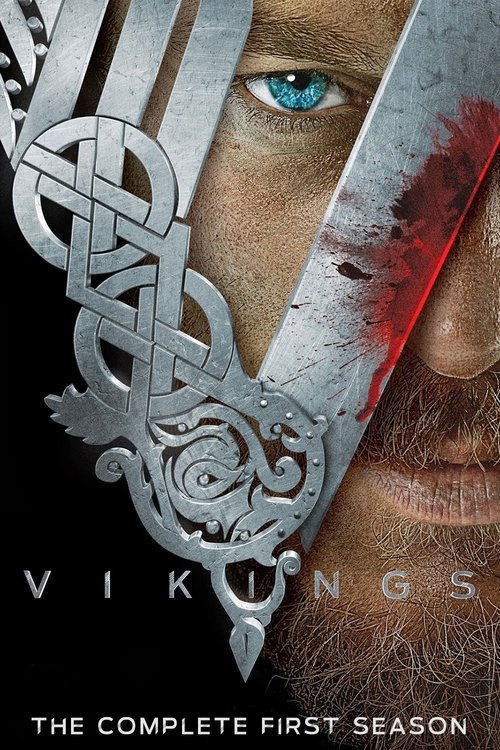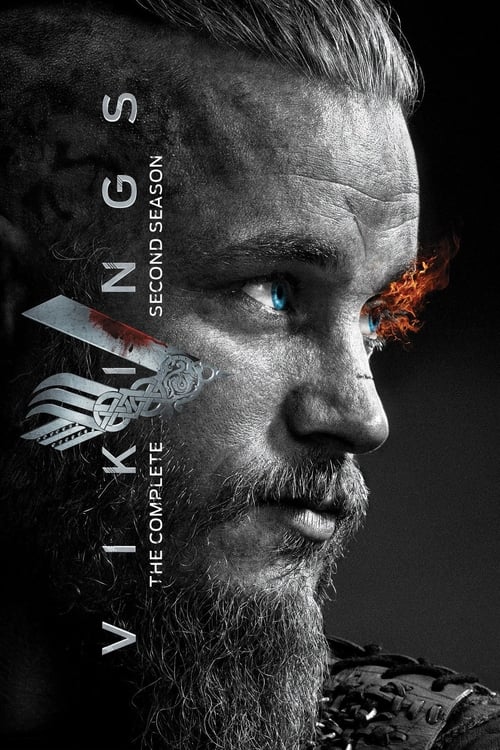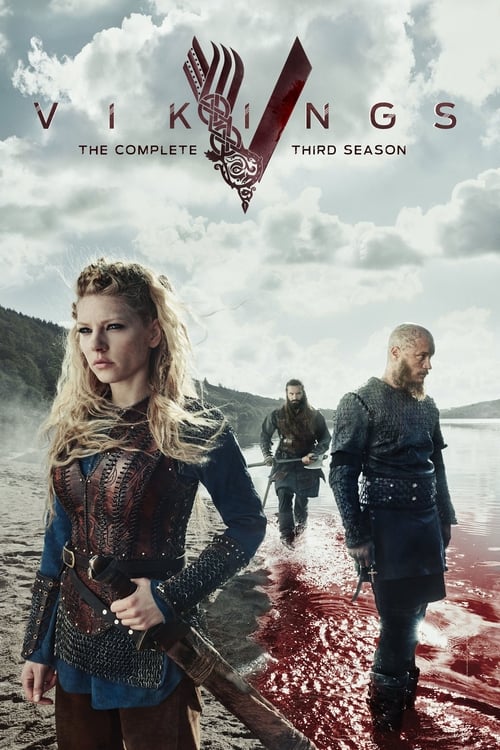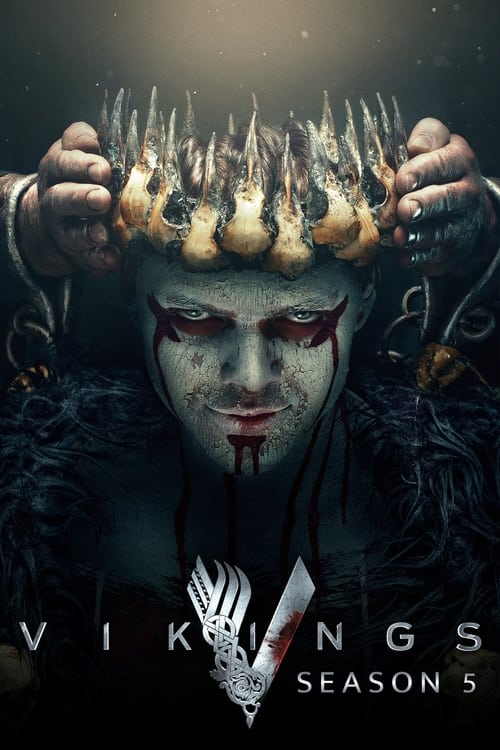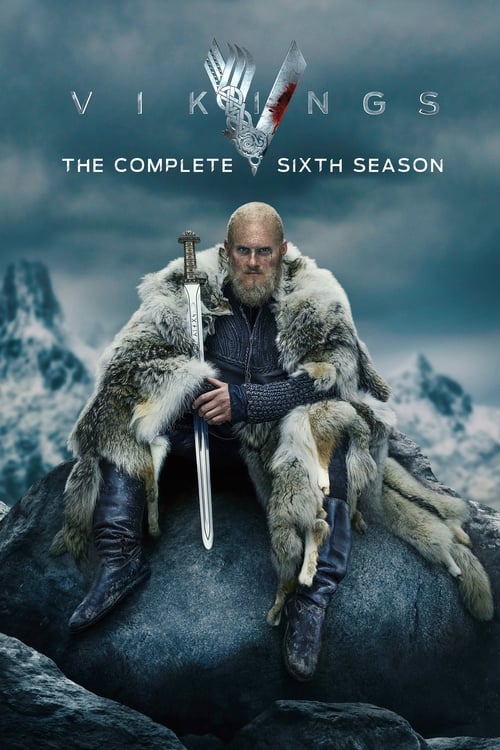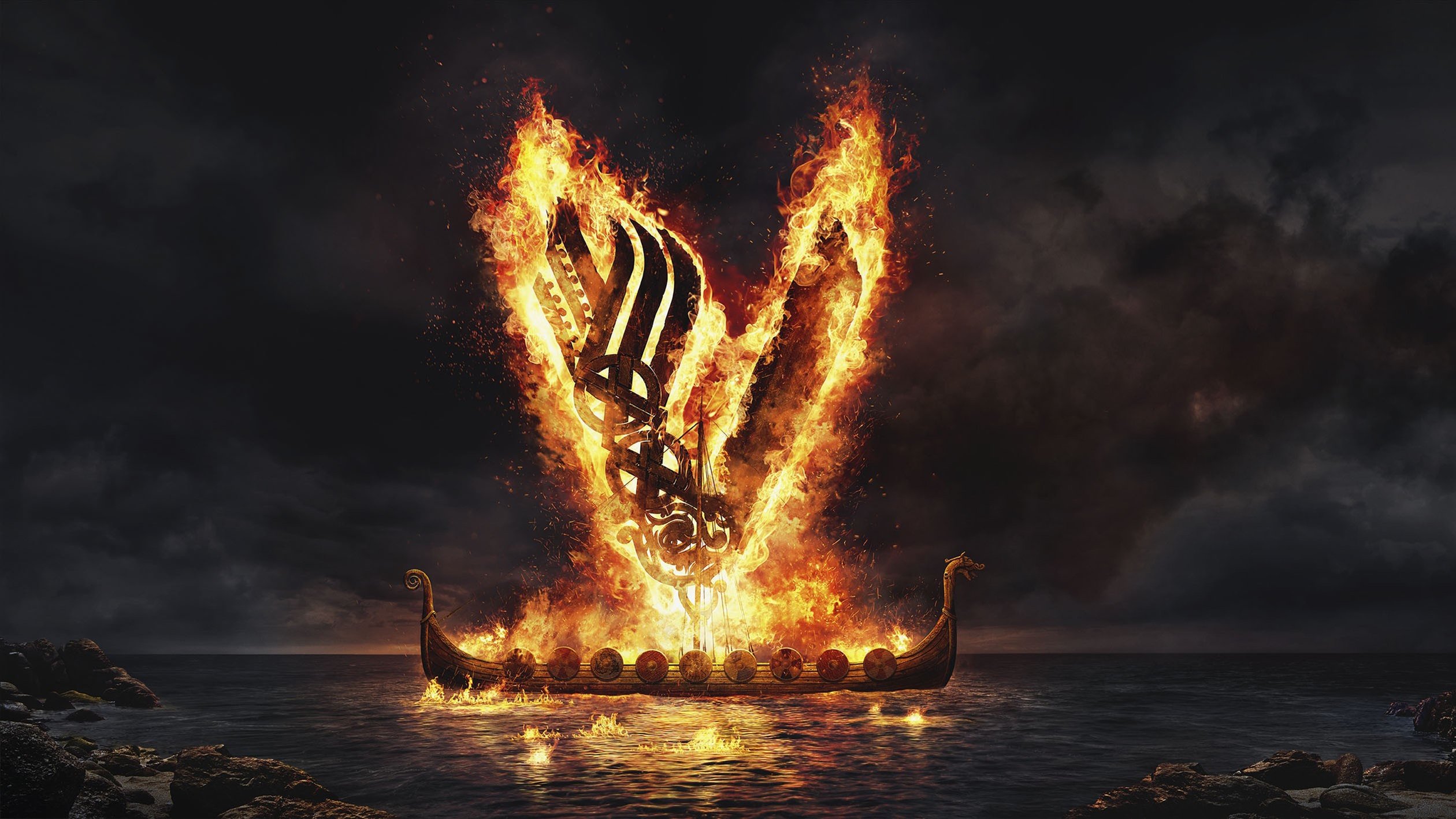
When Vikings premiered in March 2013, television audiences weren’t quite ready for what Michael Hirst was about to deliver. This wasn’t a sanitized, family-friendly take on Norse mythology—it was gritty, visceral, and unapologetically ambitious. Over six seasons and 89 episodes, the show evolved from a niche historical drama into a cultural phenomenon that fundamentally changed how networks approached the action-adventure genre. The fact that it maintained an 8.1/10 rating across its entire run speaks volumes about its ability to sustain compelling storytelling while constantly pushing creative boundaries.
The Show That Changed What Historical Drama Could Be
What made Vikings so revolutionary was its refusal to treat history like a costume party. Hirst crafted a world where historical accuracy mattered, where the Viking expeditions to England and beyond felt consequential, and where characters bore the genuine weight of their decisions. This wasn’t just about sword fights and Norse mythology—it was about exploring themes of ambition, faith, legacy, and the collision between cultures that defined an era. The show’s variable runtime (freed from the constraints of strict episode lengths) allowed stories to breathe naturally, whether that meant spending time on intimate character moments or extending battle sequences to their full, devastating impact.
> The genius of Vikings lay in its willingness to treat Viking warriors not as barbarian caricatures, but as complex human beings navigating duty, desire, and destiny.
The early seasons particularly demonstrated this commitment. Ragnar Lothbrok, brought to life by Travis Fimmel, wasn’t presented as a one-dimensional conqueror but as a visionary wrestling with his own limitations and the expectations placed upon him. The supporting cast—from Lagertha’s fierce independence to Floki’s unhinged spirituality to Rollo’s opportunistic pragmatism—created a rich tapestry of motivations that made you genuinely care about outcomes that history had already determined.
A Cultural Moment That Extended Far Beyond the Screen
The show’s influence on popular culture was remarkable. Vikings sparked genuine conversations about feminism in historical narratives—Lagertha became an icon, a shield-maiden who claimed agency in a male-dominated world and refused to be sidelined. This wasn’t performative; it was baked into the storytelling from the beginning, and audiences responded by making the character one of television’s most beloved warriors. The show became appointment television, generating the kind of passionate fan theories and heated discussions that typically accompany fantasy epics rather than historical dramas.
What’s particularly striking is how the show navigated its later seasons. As it progressed into seasons five and six, ratings naturally dipped (dropping from the 8.4-8.5 range into the 7.5-7.7 range), but rather than compromising its vision to chase ratings, the show deepened its thematic exploration. The narrative split between Ragnar’s legacy and the new generation of Vikings showed ambition—not every show commits to that kind of generational storytelling shift when it could have simply milked the original dynamic.
The Architecture of Great Storytelling
Hirst’s approach demonstrated something crucial: historical fiction doesn’t need to choose between accessibility and complexity. Vikings wove together political intrigue, religious conflict, personal vendettas, and epic warfare into a narrative structure that felt both intimate and sweeping. The show understood pacing in a way that many contemporary dramas struggle with. A trial episode could be just as gripping as a siege episode because the character stakes remained paramount.
Key narrative achievements that defined the series:
- Ragnar’s journey from farmer-visionary to legendary king and the tragic consequences of his own mythology
- Lagertha’s evolution from wife to independent leader to complex antagonist in her own right
- The expansion beyond Scandinavia, introducing England, France, and the Mediterranean to the narrative scope
- The clash between paganism and Christianity, a genuine theological conflict rather than a convenient plot device
- Generational legacy, exploring how the children of Vikings must forge their own identities
Why This Show Will Endure
The announcement of a Netflix sequel series underscores something important: Vikings created a universe compelling enough to expand beyond its conclusion. The original series earned its ending. Six seasons allowed the narrative to reach genuine closure rather than overstaying its welcome—a rarity in television that commands respect. The show knew when to exit, which is perhaps the greatest creative achievement of all.
Looking back at its journey from 2013 to its 2020 conclusion, Vikings proved that historical drama could be both critically acclaimed and wildly popular, that it could tackle serious themes without becoming pretentious, and that it could maintain artistic integrity while satisfying the visceral pleasures audiences crave. Whether you’re drawn to the political machinations, the character development, the battle sequences, or the thematic depth, there’s something genuinely exceptional here—and that’s precisely why it deserves to be part of any serious television conversation.