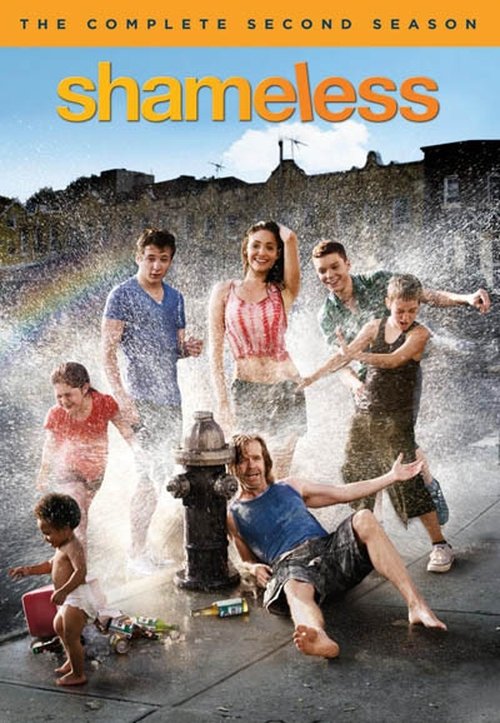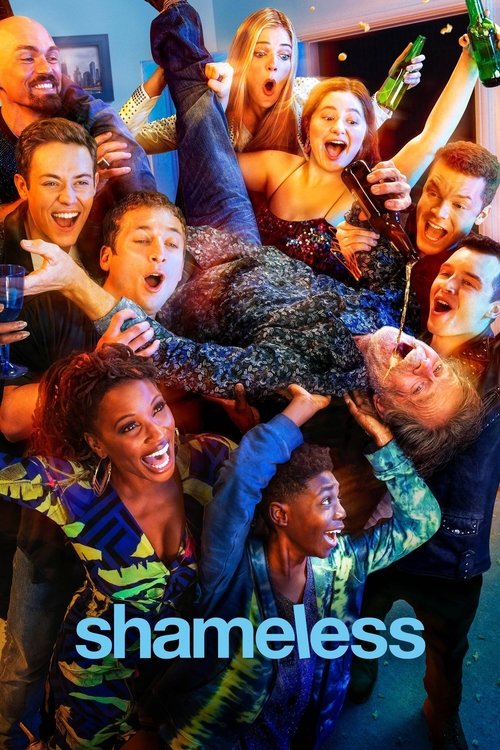
When Shameless premiered on Showtime back in January 2011, few could have predicted it would become one of the most defining dramedies of its generation. What started as a darkly comedic dive into the messy lives of the Gallagher family—a chaotic South Side Chicago clan struggling with poverty, addiction, and dysfunction—evolved into something far more significant: a show that fundamentally changed how television could balance heartbreak with humor, degradation with dignity. Over eleven seasons and 134 episodes, creators Paul Abbott and John Wells crafted something that didn’t just entertain audiences; it challenged them to see humanity in people society often ignores.
The genius of Shameless lies in its refusal to sentimentalize poverty or judge its characters for their survival tactics. This was revolutionary for mainstream television. While other shows might have treated the Gallaghers as cautionary tales or objects of pity, Shameless treated them as fully realized human beings—flawed, hilarious, heartbreaking, and utterly real. That 8.2/10 rating across 134 episodes speaks to a show that maintained remarkable consistency in quality while never losing its edge. The ensemble cast—from Emmy Rossum’s Fiona to William H. Macy’s Frank to Jeremy Allen White’s Lip—created characters that felt less like television archetypes and more like people you actually knew.
What made Shameless stand out in the prestige television landscape was its tonal dexterity. Most dramas treated comedy as relief from darkness; Shameless wove them together so seamlessly that you’d find yourself laughing through tears. Consider the show’s approach to Frank Gallagher—a character who could have been played as simply contemptible. Instead, the writers and Macy created a portrait of addiction and self-destruction so layered that audiences developed genuine affection for this irredeemable man. That’s not easy television to make.
> The show didn’t ask its audience to love the Gallaghers despite their circumstances—it asked them to love them because of their resilience in those circumstances.
The cultural footprint of Shameless extended far beyond ratings and streaming numbers. This show sparked genuine conversations about class, mental health, LGBTQ+ identity, and disability representation. When Cameron Monaghan’s Ian came out as gay, it wasn’t a after-school special moment—it was organic, messy, and real, reflecting how many people actually discover and navigate their sexuality. The show’s portrayal of Fiona’s mental health struggles, her role as de facto parent to six siblings, and her eventual burnout from emotional labor resonated powerfully with viewers who’d lived similar trajectories. These weren’t plot points designed for Emmy consideration; they were lived experiences rendered with specificity and honesty.
The show’s comedic timing deserves particular praise. The unknown runtime of individual episodes actually gave the writers and directors freedom that traditional formatting might have constrained. Whether an episode ran 47 minutes or 53 minutes, the story could breathe and develop organically. You’d have moments of pure slapstick—Frank waking up in increasingly ridiculous scenarios—sitting comfortably next to scenes of profound vulnerability. This balance is harder to achieve than it appears, and Shameless executed it brilliantly across its entire run.
From a production standpoint, Paul Abbott’s original vision (adapted from the British series) and John Wells’ stewardship created a show that knew exactly who it was. Some shows lose themselves trying to chase prestige or awards; Shameless stayed true to its core mission: showing us people we weren’t supposed to root for and making us root for them anyway. The ratings trajectory across seasons tells this story—holding steady in the 8.3-8.7 range demonstrated that audiences connected deeply with these characters from beginning to end.
The show’s ending in 2021 came after the Gallaghers’ story had fundamentally evolved. Early seasons felt like survival mode; later seasons explored what happens when characters start to escape their circumstances, only to discover that breaking generational cycles is infinitely more complicated than survival itself. Monica’s return in the show’s final chapters exemplified this—she wasn’t a villain but a reminder of trauma inherited and choices that echo across decades. These nuanced portrayals elevated Shameless beyond entertainment into something approaching social commentary.
What Shameless understood that many prestige dramas didn’t was that working-class stories didn’t need to be grim to be serious. The show could be wildly funny—genuinely laugh-out-loud comedic—while still exploring genuine pain and systemic inequality. Characters like Svetlana’s betrayal or the constant cycle of financial crisis weren’t treated as melodrama; they were the texture of actual lives. The show trusted its audience to hold complexity, to laugh at characters while sympathizing with their situations, to find beauty in struggle.
The legacy of Shameless endures because it expanded what television could be. It proved that a show about poor people, set in a working-class neighborhood, with an ensemble of imperfect protagonists, could sustain audience investment for over a decade. It demonstrated that comedy and drama aren’t opposing forces but complementary tools for truth-telling. For anyone curious about what makes contemporary television matter, Shameless remains essential viewing—a show that didn’t just tell stories but bore witness to lives television had historically ignored.