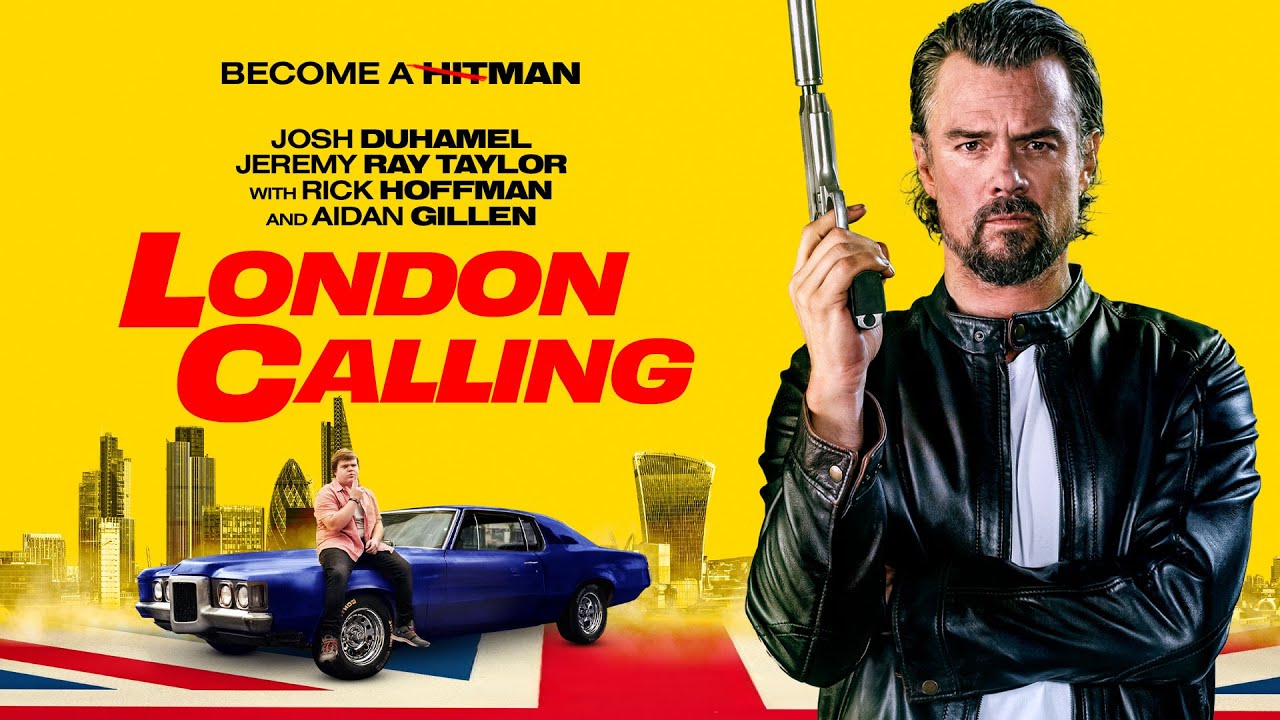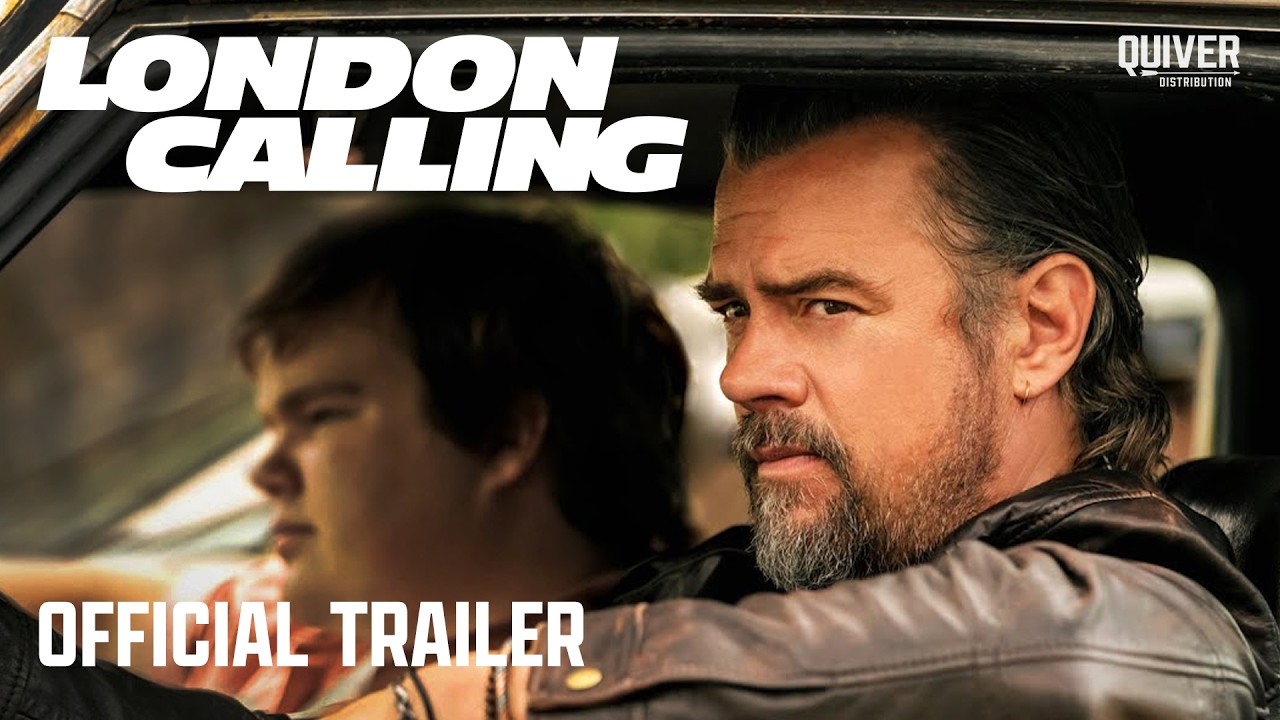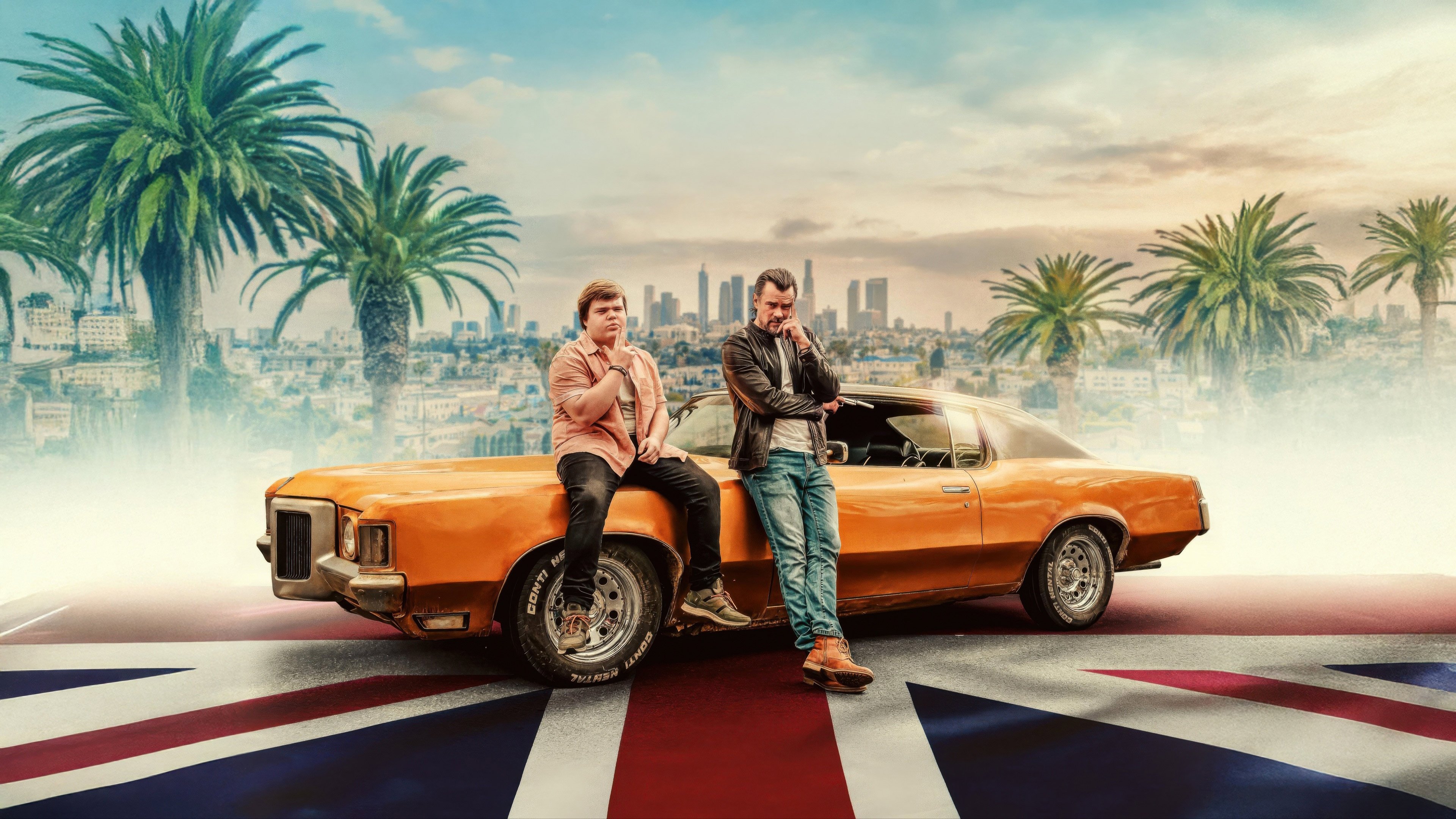
When London Calling came out in September 2025, it arrived with an interesting proposition: what if we took the hitman-on-the-run thriller—a genre we’ve seen executed countless times—and filtered it through the lens of unexpected mentorship and dark comedy? Director Allan Ungar managed to craft something that feels both familiar and refreshingly irreverent, a film that refuses to take itself too seriously even as it delivers genuine thrills. The premise alone is disarmingly simple: a hitman flees London after a botched job and finds himself saddled with babysitting his new boss’s teenage son while teaching him “how to become a man.” It’s the kind of logline that could’ve been played completely straight, but Ungar understood that the real gold was in the friction between these two worlds colliding.
Josh Duhamel carries the film with the kind of world-weary charm that’s become increasingly valuable in action-comedy hybrids. He’s not trying to reinvent the wheel—instead, he’s leaning into what he does best: playing a character caught between exhaustion and reluctant responsibility. There’s something genuinely endearing about watching a seasoned action lead embrace the comedic beats without undermining the thriller elements. Aidan Gillen, bringing his considerable talent from prestige television, grounds the story by playing the crime boss with just enough menace to make the stakes feel real, even when things get absurd. Jeremy Ray Taylor, meanwhile, provides the wild card energy that a character like this requires, bringing youthful unpredictability to what could’ve been a one-note teen sidekick role.
The runtime of just under two hours is actually a smart choice here. There’s no unnecessary bloat—the film moves with purpose, understanding that the odd couple dynamic works best when it’s given room to breathe but not so much room that audiences start checking their watches. Ungar keeps the pacing brisk enough that when the film pivots between action sequences and character moments, neither feels like it’s eating into the other’s time.
> The film’s cultural positioning is where things get interesting. London Calling wasn’t a massive box office juggernaut, but it also wasn’t trying to be. Its quiet release through Quiver Distribution and modest international performance told a story about a film that found its audience through word-of-mouth and festival buzz rather than through tentpole marketing.
What makes this film matter in the larger context of modern action cinema comes down to a few key elements:
- Genre-blending done right — It refuses to pick a lane, treating action, crime, comedy, and thriller elements as equally valid storytelling tools
- Character-driven action — The plot hinges on genuine character development rather than just set pieces strung together by exposition
- Self-awareness without cynicism — The humor comes from situations and character dynamics, not from winking at the audience
- A willingness to be small — The film understands that not every story needs to save the world; sometimes personal stakes are enough
The critical reception—hovering around a 6.9/10 based on early votes—tells us something important about how audiences received it. This wasn’t a universally beloved masterpiece, nor was it dismissed outright. Instead, it seemed to occupy that interesting middle ground where reasonable people could disagree about its execution while acknowledging its ambitions. Some viewers loved the tonal balance; others felt the comedy and action didn’t always mesh seamlessly. That kind of division is often more interesting than universal praise, because it means the film was trying something rather than playing it safe.
What Ungar brought to this project was a refreshingly pragmatic approach to filmmaking. He wasn’t interested in reinventing action cinema or making some grand statement. Instead, he understood that audiences are hungry for character-driven stories wrapped in genre packaging, and he delivered exactly that. The collaboration between his directorial sensibility and the cast’s willingness to commit to both the humor and the danger created something that feels lived-in and earned.
The legacy of London Calling may not be measured in awards or box office records—and that’s perfectly fine. Its significance lies in what it represents: a mid-budget action-comedy that trusted its premise and its actors, refused to apologize for mixing tones, and delivered something that didn’t feel like everything else in the marketplace. In an industry increasingly dominated by franchise films and IP-driven projects, there’s real value in a movie that’s simply good at what it does without needing to be extraordinary. It’s the kind of film that finds its life through streaming services, that gets recommended by friends who’ve discovered it, that might actually gain cultural resonance through sustained viewership rather than opening weekend performance.