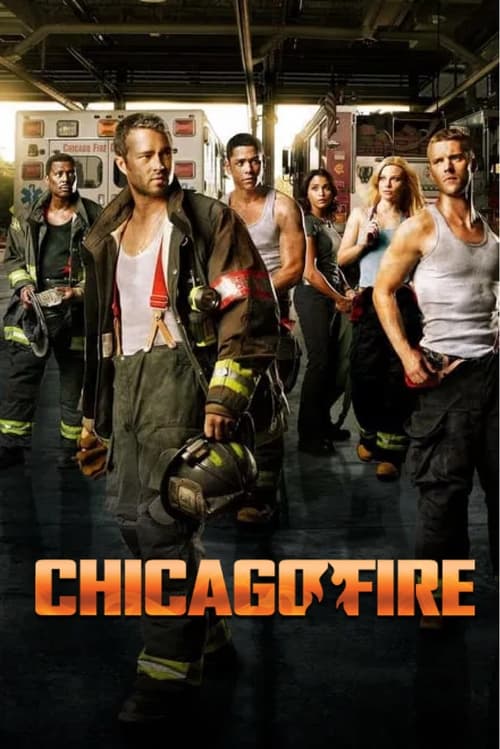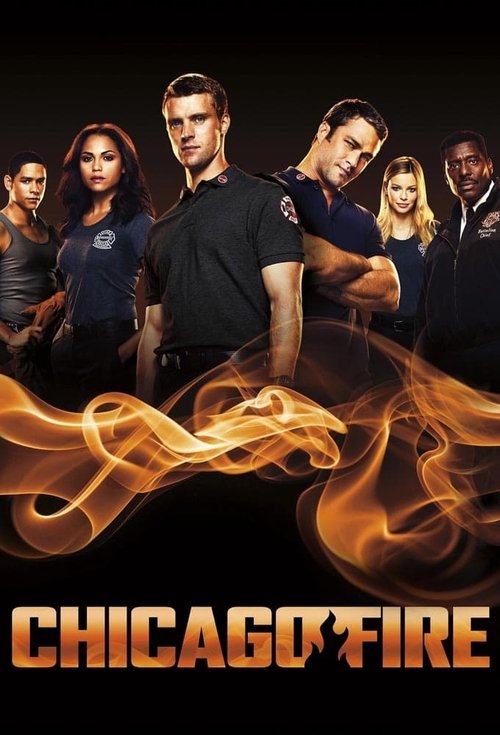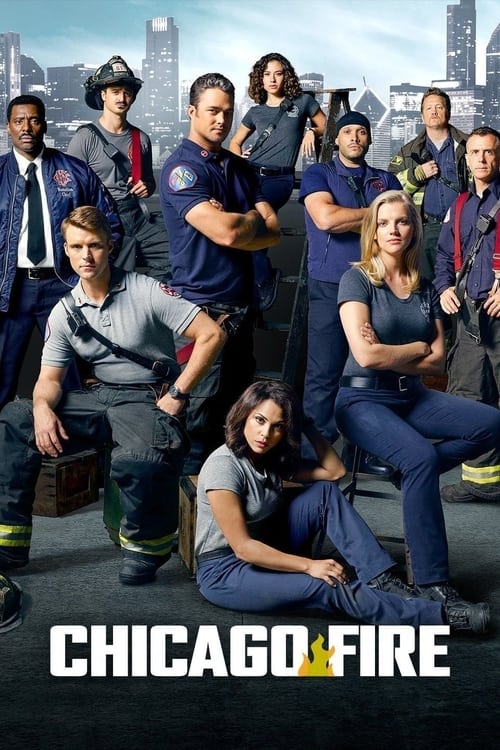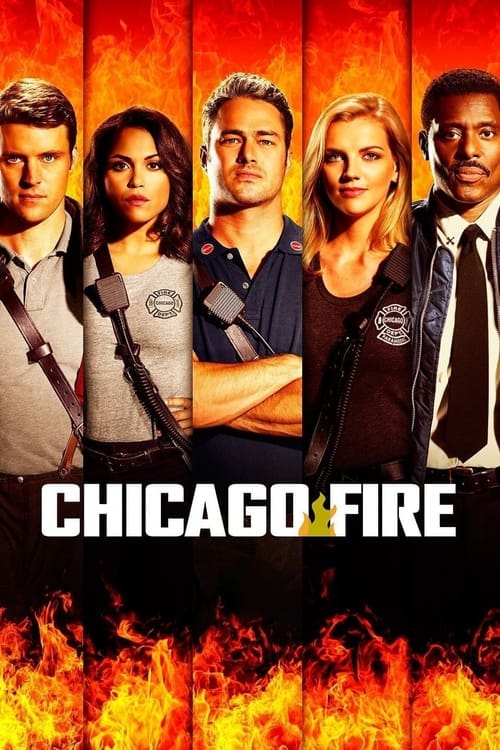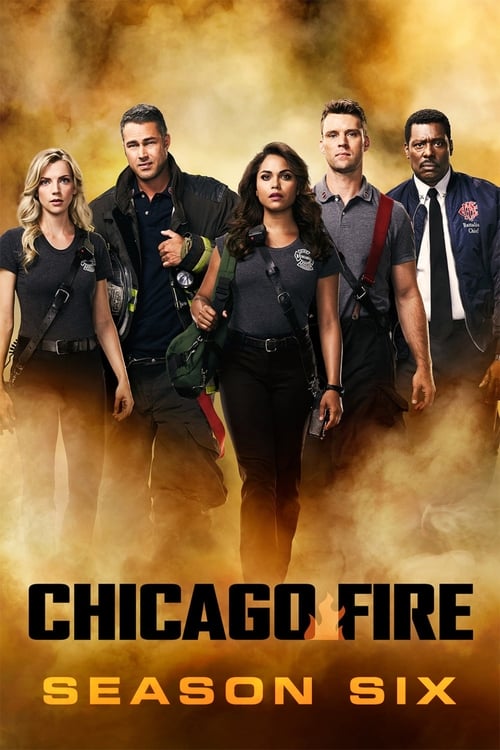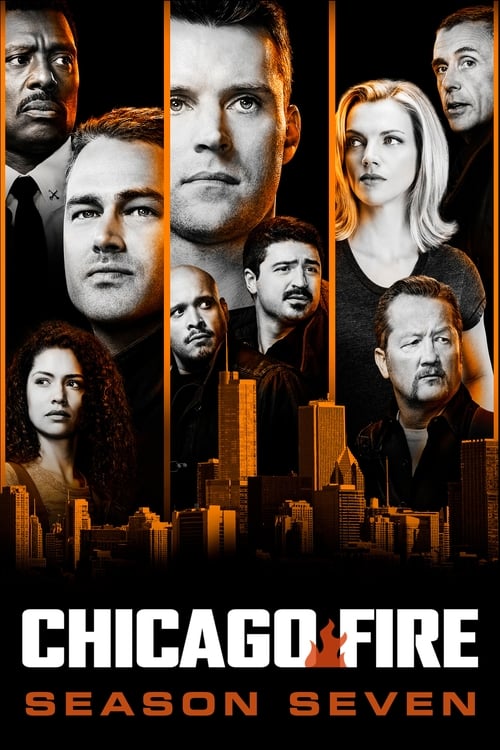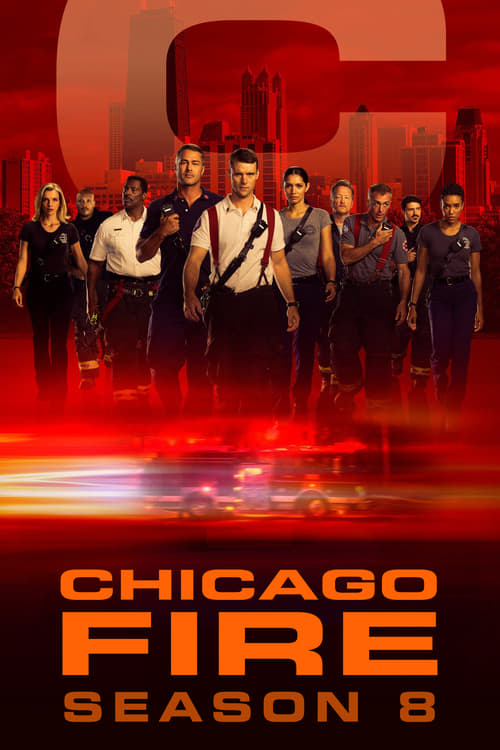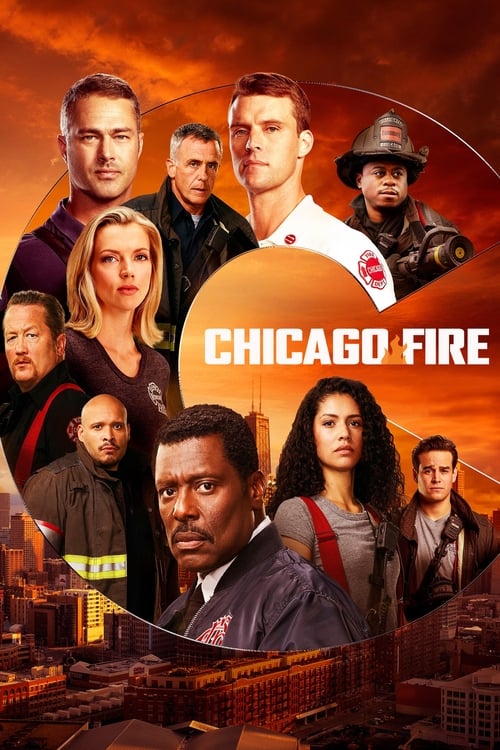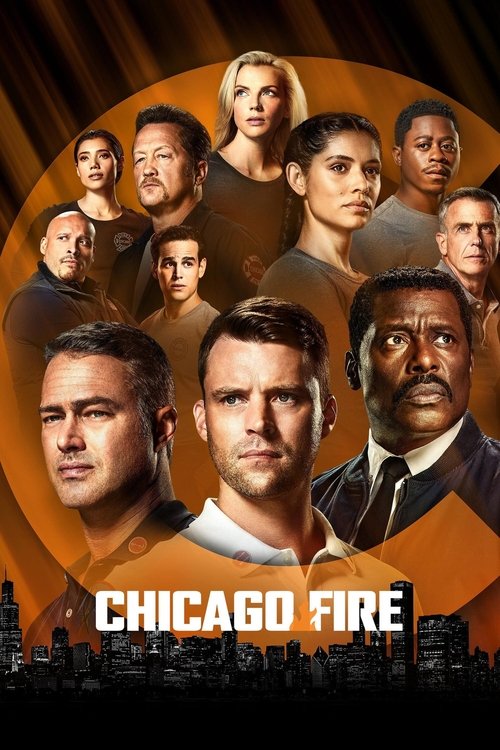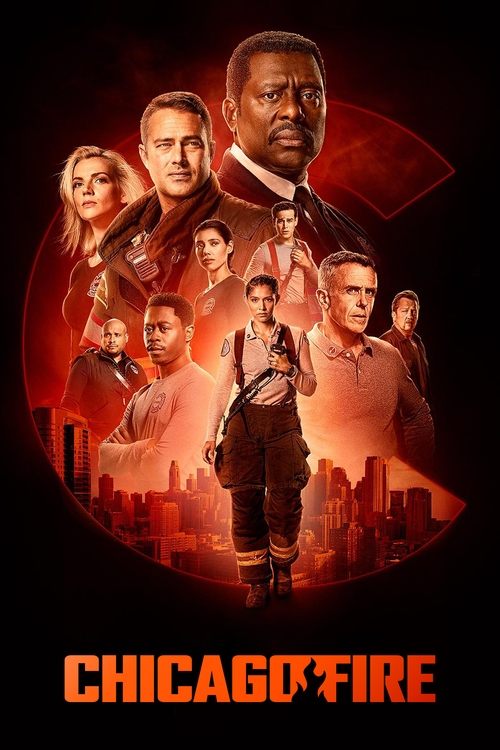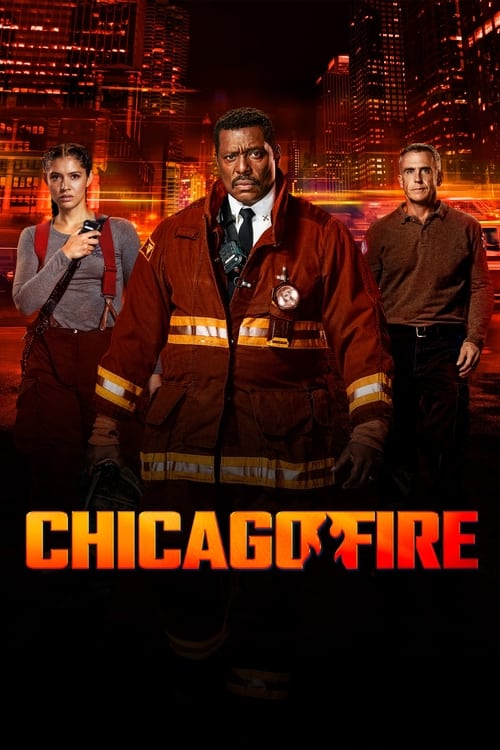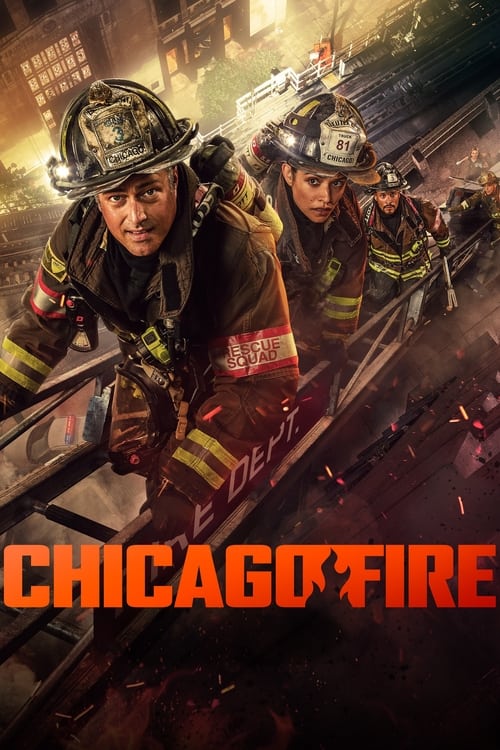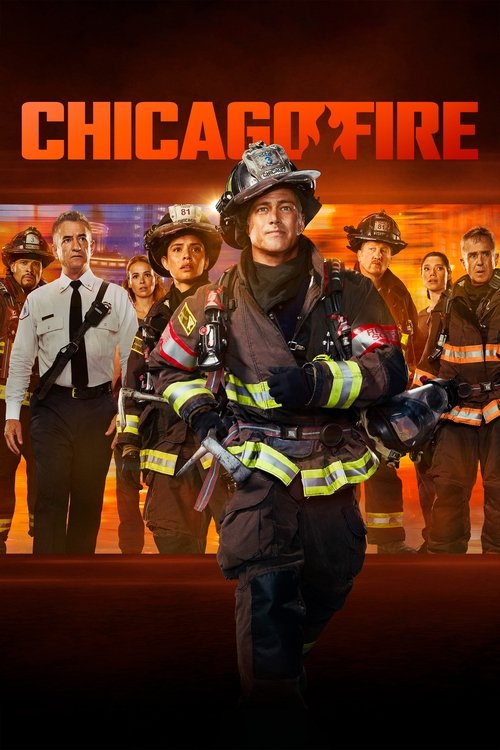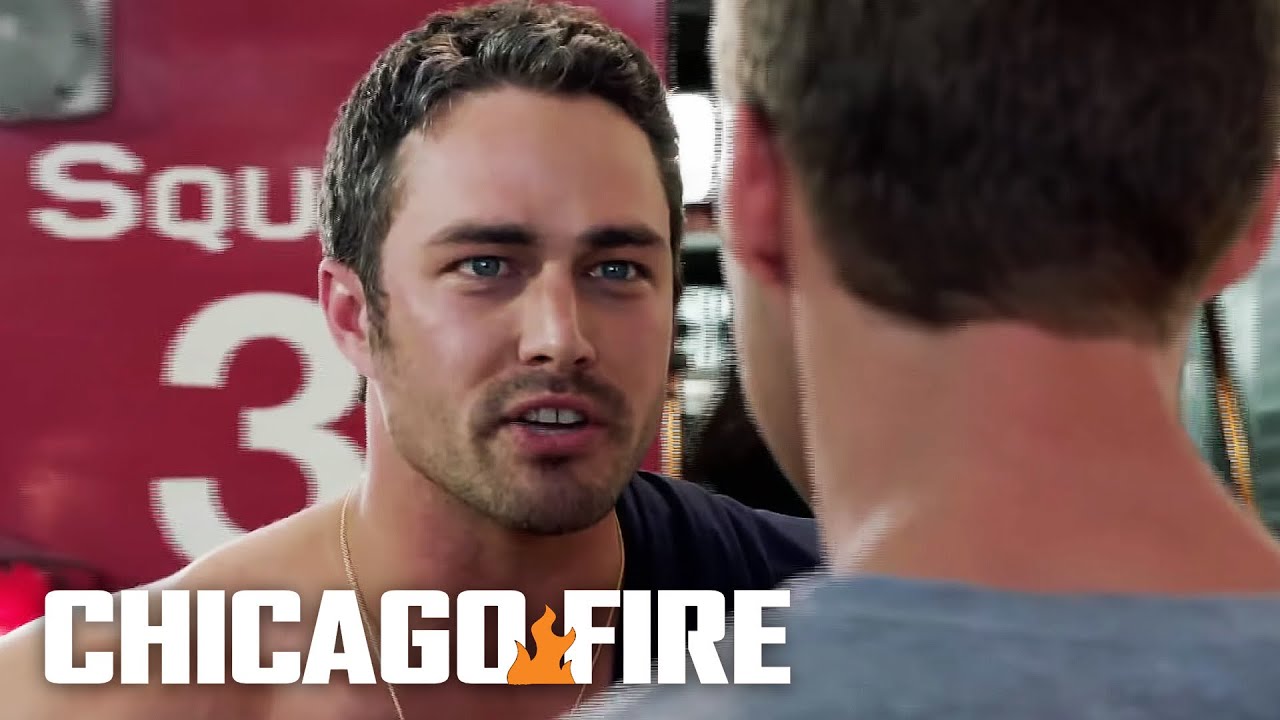
When Chicago Fire debuted back in October 2012, it arrived on NBC as part of what would become a network cornerstone—a procedural drama that looked deceptively straightforward on paper. Yet over fourteen seasons and 285 episodes, Derek Haas and Michael Brandt created something far more nuanced than the typical firefighter show. What started as a premise about the everyday heroes of the Chicago Fire Department evolved into a deeply character-driven exploration of duty, sacrifice, and the human cost of heroism. The show maintains a solid 8.4/10 rating across its entire run, which speaks volumes about its ability to keep audiences invested through genuinely compelling storytelling.
The genius of Chicago Fire lies in how Haas and Brandt understood that the real drama wasn’t just in the fires themselves. Sure, the 42-minute runtime gave them space to structure exciting rescue sequences and building emergencies—but those scenes serve as the backdrop for what truly matters. The show’s framework allows each episode to explore the psychological and emotional toll of the job, the fractured relationships that develop within firehouse families, and the moral ambiguities that arise when personal desires conflict with professional duty. This balance between action and introspection is what separates the show from countless other procedurals that have come and gone.
> The show succeeds because it refuses to let its characters exist in a vacuum. Every decision has consequences, and every emotional beat is earned through genuine character development rather than melodrama for its own sake.
What makes Chicago Fire particularly significant in the television landscape is how it established itself as a launching pad for an entire universe. The success of Firehouse 51 didn’t just create compelling television—it spawned a franchise that expanded to Chicago P.D. and Chicago Med, creating a shared universe where stories could intersect and characters could crossover. But before it became a flagship, the show had to prove it could sustain an audience through genuine storytelling, and it did exactly that. The ratings journey tells an interesting story: starting strong at 777.1 in Season 1, the show settled into a stable viewership that demonstrated loyal, dedicated fans rather than trend-chasers.
The Cultural Footprint
What’s remarkable is how Chicago Fire sparked conversations beyond typical water-cooler talk about cliffhangers and romantic entanglements. The show tackled systemic issues within fire departments, explored the PTSD that comes with the job, and gave serious weight to the professional and personal lives of its ensemble cast. Characters weren’t simply defined by their duties; they were complex individuals navigating identity, ambition, and relationships while simultaneously carrying the weight of saving lives.
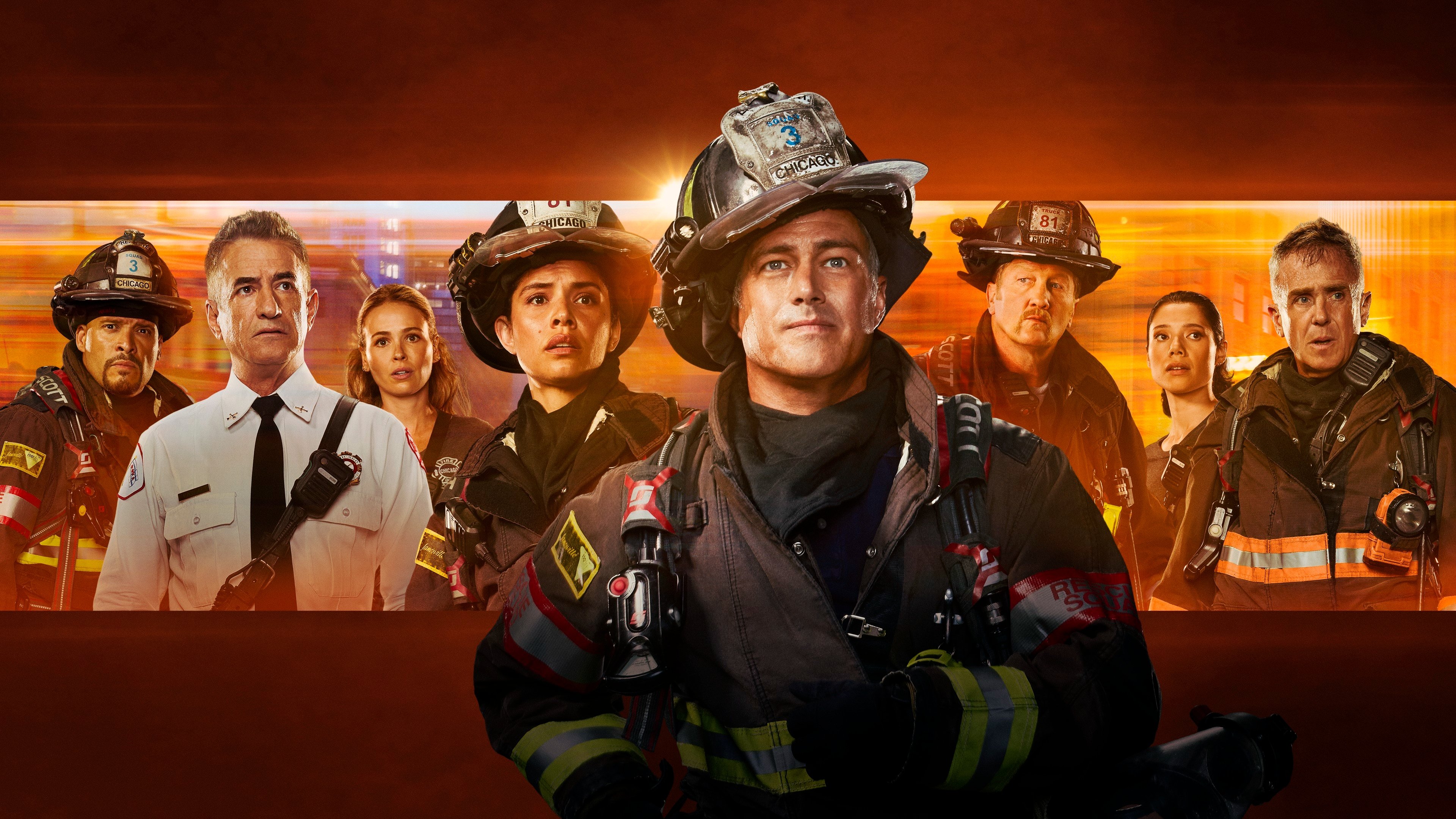
The ensemble approach was crucial to the show’s staying power. Rather than relying on a single star vehicle, Haas and Brandt built a true ensemble where:
- Casey evolved from hothead lieutenant to a leader learning wisdom
- Dawson developed from idealistic firefighter-paramedic to someone grappling with motherhood and her place in the profession
- Herrmann became the emotional center—the veteran whose struggles with mortality and legacy grounded the entire show
- Shay and Severide provided the interpersonal dynamics that made the firehouse feel like an actual family
Each character’s arc mattered, and the show trusted its audience to care deeply about people who weren’t solving crimes or performing surgery—they were simply trying to do their jobs without dying in the process.
The Creative Vision
What Derek Haas and Michael Brandt accomplished was deceptively sophisticated. They created a framework where procedural storytelling (the fire/emergency of the week) coexisted with serialized character development. A single 42-minute episode could contain a thrilling rescue sequence and a devastating personal revelation. This dual structure meant the show never felt repetitive despite its basic premise—each episode was both standalone and part of a larger narrative tapestry.
The streaming availability across fuboTV, Peacock Premium, and YouTube TV speaks to how the show adapted to changing viewing habits. Chicago Fire doesn’t require a rigid viewing schedule; it invites people to discover it on their own terms, and that accessibility has likely contributed to its current status as a Returning Series heading into new seasons. The show proved it could thrive in traditional broadcast television while simultaneously finding new audiences in the streaming era.
Why It Endures
Perhaps the most telling indicator of Chicago Fire’s success is simple: after fourteen seasons, it hasn’t run out of stories worth telling. The show maintains creative momentum because it understands that its characters’ lives don’t follow neat narrative arcs. People struggle, grow, regress, and evolve in unpredictable ways. The firehouse setting provides structure, but the show’s true subject is always the people inhabiting that space.
For anyone hesitant about watching a firefighter drama, Chicago Fire rewards attention with genuine character development, earned emotional moments, and storytelling that respects both its cast and audience. It’s sustained itself this long not through gimmicks or shock value, but through consistently compelling television about people trying to be better—at their jobs, in their relationships, and in their lives.