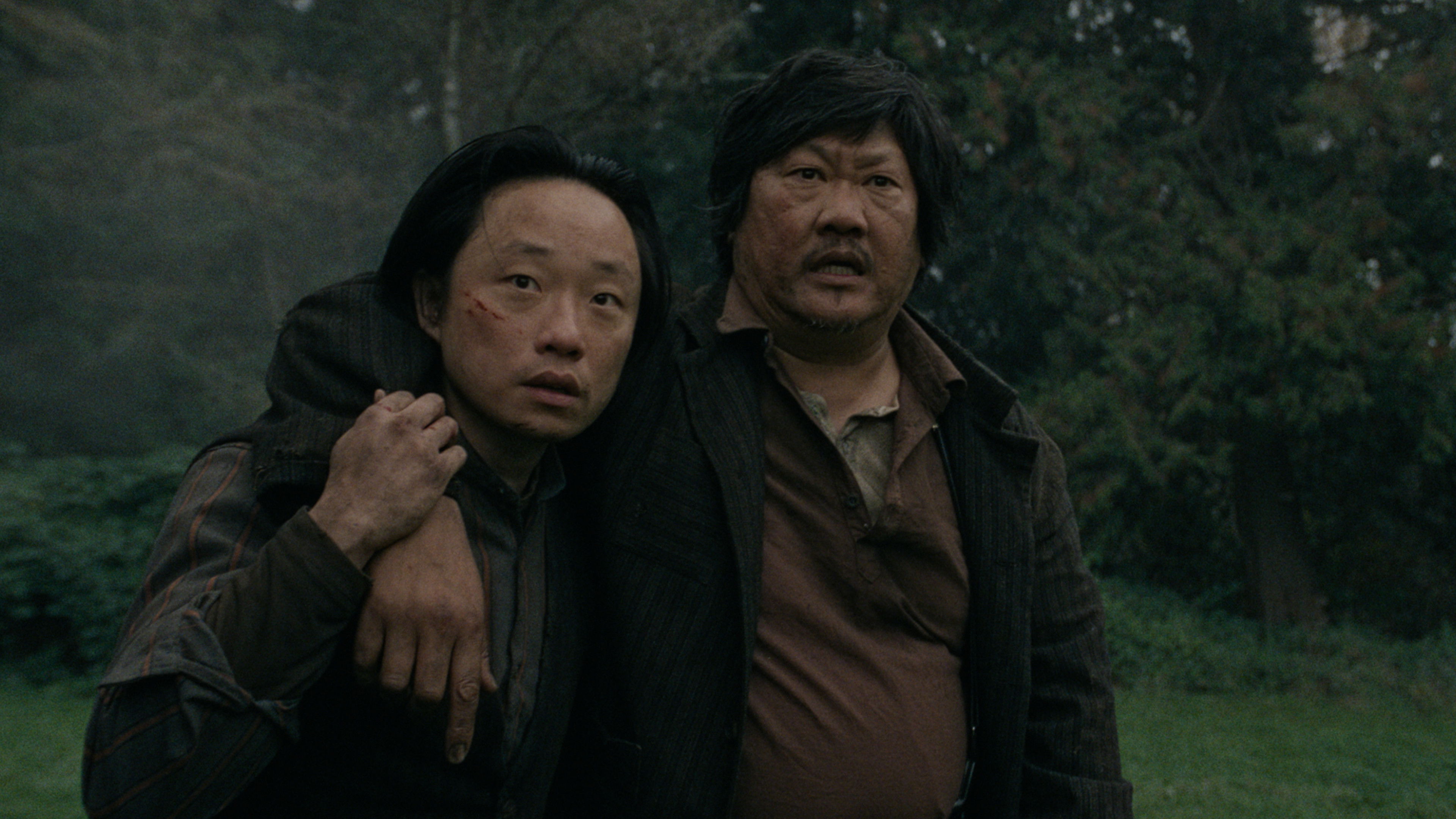
There’s something particularly exciting about horror films that sneak up on you—the ones that don’t announce themselves with massive marketing campaigns but instead build buzz organically through the festival circuit and word-of-mouth. Rock Springs is shaping up to be exactly that kind of film. Scheduled to premiere at the prestigious Sundance Film Festival on January 25, 2026, this horror feature is already generating considerable anticipation, and for good reason.
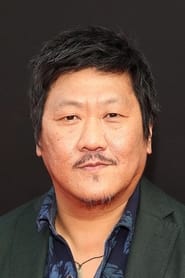
At the helm is director Vera Miao, a filmmaker whose vision clearly attracted some genuinely compelling talent. The cast features Kelly Marie Tran, known for her nuanced dramatic work and willingness to take on challenging material; Benedict Wong, who brings an understated intensity to every role he inhabits; and Jimmy O. Yang, an actor whose comedic timing and dramatic depth have made him increasingly sought after in prestige projects. This isn’t a random assembly of names—it’s a carefully curated ensemble that suggests Miao has a very specific story to tell and knew exactly who could tell it with her.
What’s Generating the Buzz
The fact that Rock Springs is premiering at Sundance itself speaks volumes. Sundance has become the launchpad for films that go on to define conversations in cinema—it’s where the industry goes to discover what’s next. The film’s selection for the festival lineup, particularly in the horror category, indicates that programmers saw something genuinely distinctive in what Miao has created.
What we’re hearing about the film’s premise—something undefined but ominous, fitting of that wonderfully vague “something monstrous” descriptor—suggests this won’t be a straightforward jump-scare exercise. There’s an implication of depth, of something thematic lurking beneath the surface. That’s the kind of horror that sticks with you, the kind that sparks conversations in coffee shops and on social media long after the credits roll.
The Creative Team’s Promise
Vera Miao’s directorial approach seems to favor subtlety and atmosphere. By assembling a cast of this caliber for what appears to be a modestly scoped project (at 1 hour and 36 minutes, this is lean storytelling), she’s clearly prioritizing performance and character over spectacle. That’s a bold choice in contemporary horror, where there’s often an inclination to maximize budget through technical effects rather than human drama.
The production companies backing this project tell us something too. MACRO, Juniper Productions, Mandalary Pictures, Counterculture, and Gold House represent a mix of established industry players and companies known for championing diverse voices and stories that might not otherwise find mainstream distribution. This collaborative approach suggests that Rock Springs exists at an intersection of artistic ambition and genuine industry support—the kind of project that could genuinely matter.
Why This Matters for Horror Right Now
Horror as a genre has been experiencing a remarkable Renaissance over the past several years. We’ve moved beyond a period where horror was considered the disposable genre and into an era where it’s become a vehicle for serious filmmaking. Directors like Ari Aster, Robert Eggers, and Karyn Kusama have proven that horror can be both commercially viable and artistically uncompromising.
Rock Springs appears positioned to continue this trajectory. Here’s what makes it significant:
-
Diverse representation behind and in front of the camera — Horror has historically been a space where stories centered on white protagonists dominated. Films like this help reshape whose fears, whose stories, whose perspectives we see reflected on screen.
-
A runtime that suggests disciplined storytelling — At 96 minutes, this is a film that trusts its material enough not to overstay its welcome. There’s confidence in that concision.
-
Festival premiere positioning — Sundance premieres often become cultural touchstones. They signal that a film has something to say beyond mere entertainment.
The Anticipation Before Release
It’s worth noting that as of now, Rock Springs sits at a 0.0/10 rating on most platforms—simply because it hasn’t been seen yet by the general public. That’s not a criticism; it’s just the reality of pre-release films. What matters is that critics and industry insiders are already discussing it as an awards contender, which is remarkable for a horror film that most casual moviegoers haven’t even heard about yet.
The true test of a film’s cultural significance often comes not from opening weekend box office, but from how it’s discussed at festivals, how it influences conversations within the industry, and whether it creates reverberations that extend well beyond its theatrical window.
That’s where Rock Springs seems to be heading.
Looking Forward
January 25, 2026, is going to be an important date for horror cinema. This isn’t a film that’s trying to be everything to everyone—it’s a specific creative vision from a director who’s attracted serious collaborators. Whether Rock Springs ultimately becomes a major cultural phenomenon or remains a critical favorite with a devoted following, what’s clear is that it represents the kind of filmmaking that keeps cinema vital.
Horror, when it’s done with intelligence and artistry, does more than scare us. It makes us feel something deeper—whether that’s dread, recognition, catharsis, or profound unease. Based on everything we know so far about Rock Springs, Vera Miao’s film seems poised to deliver exactly that.