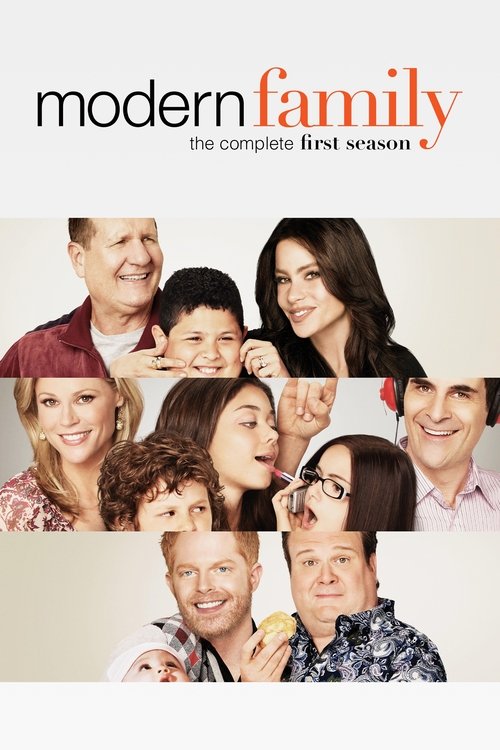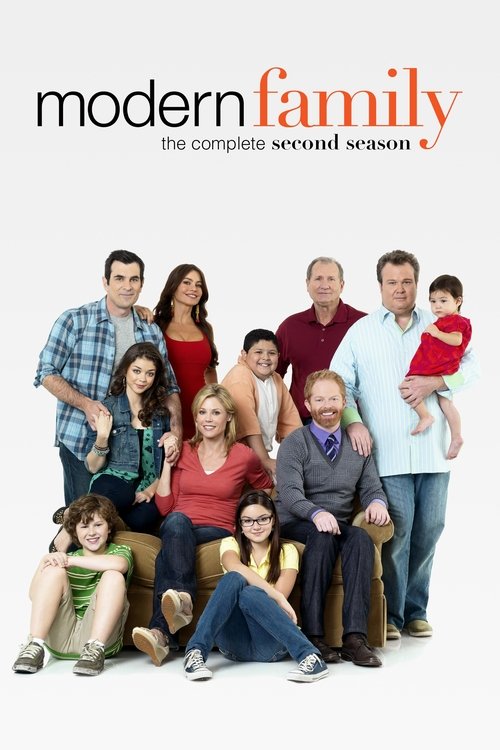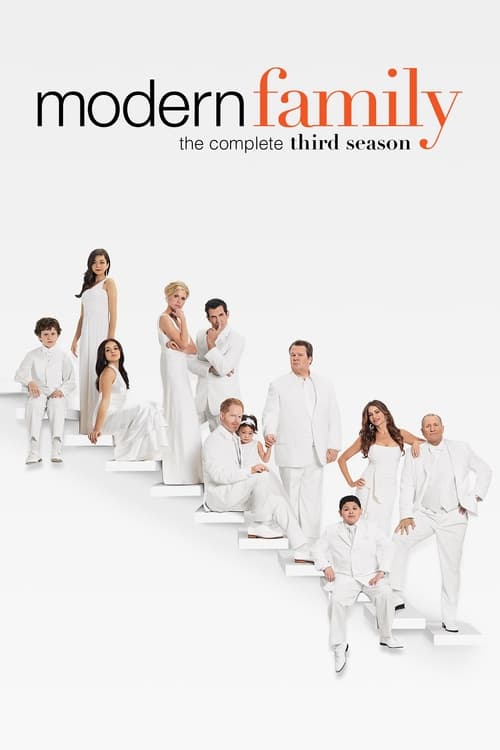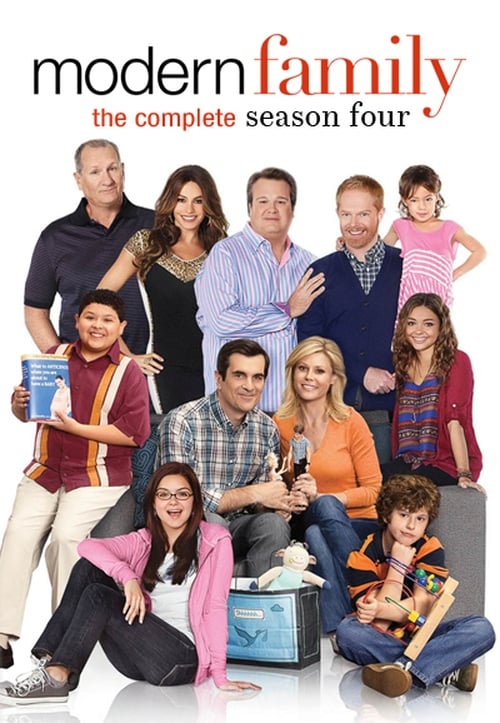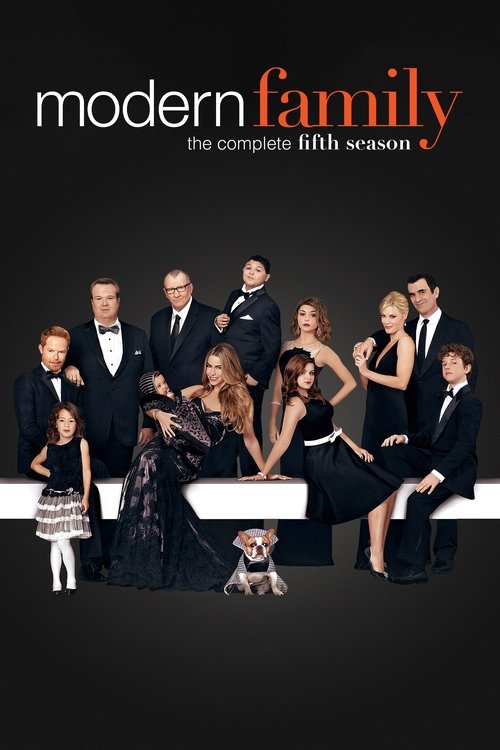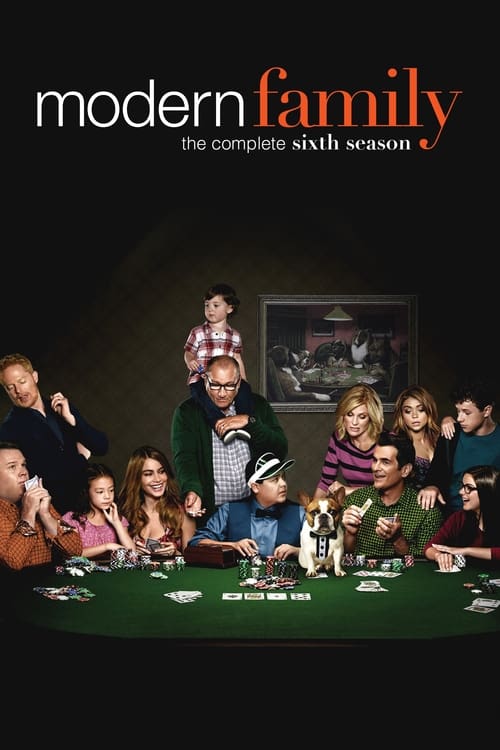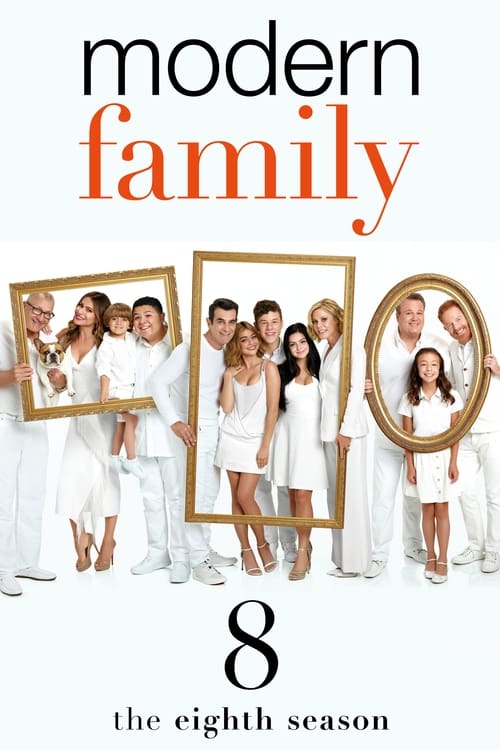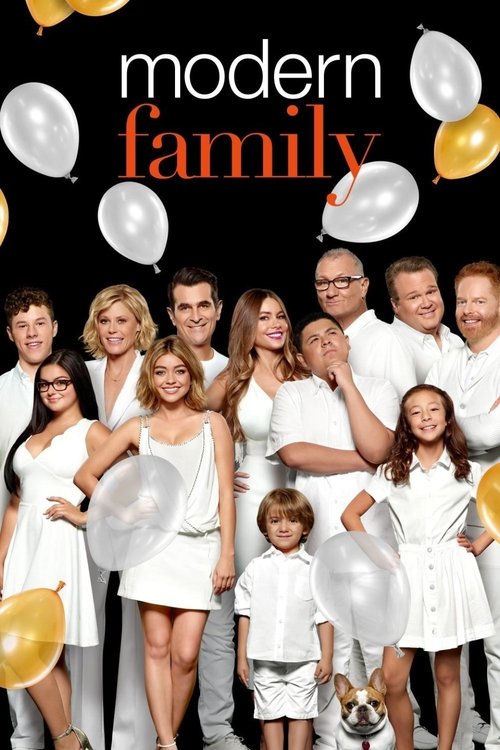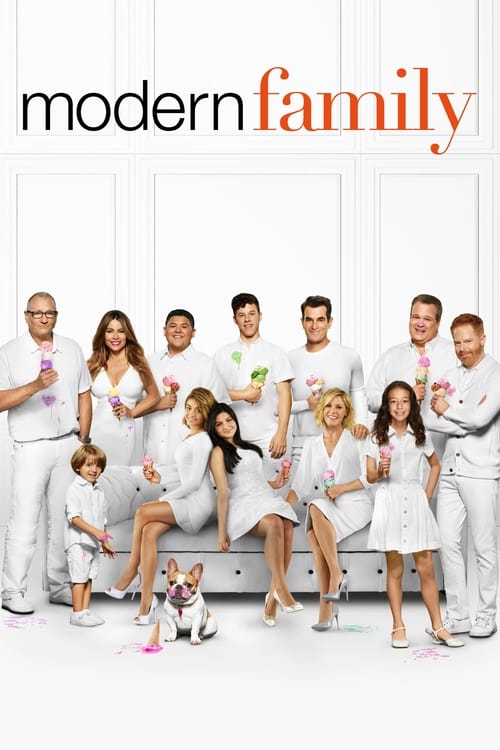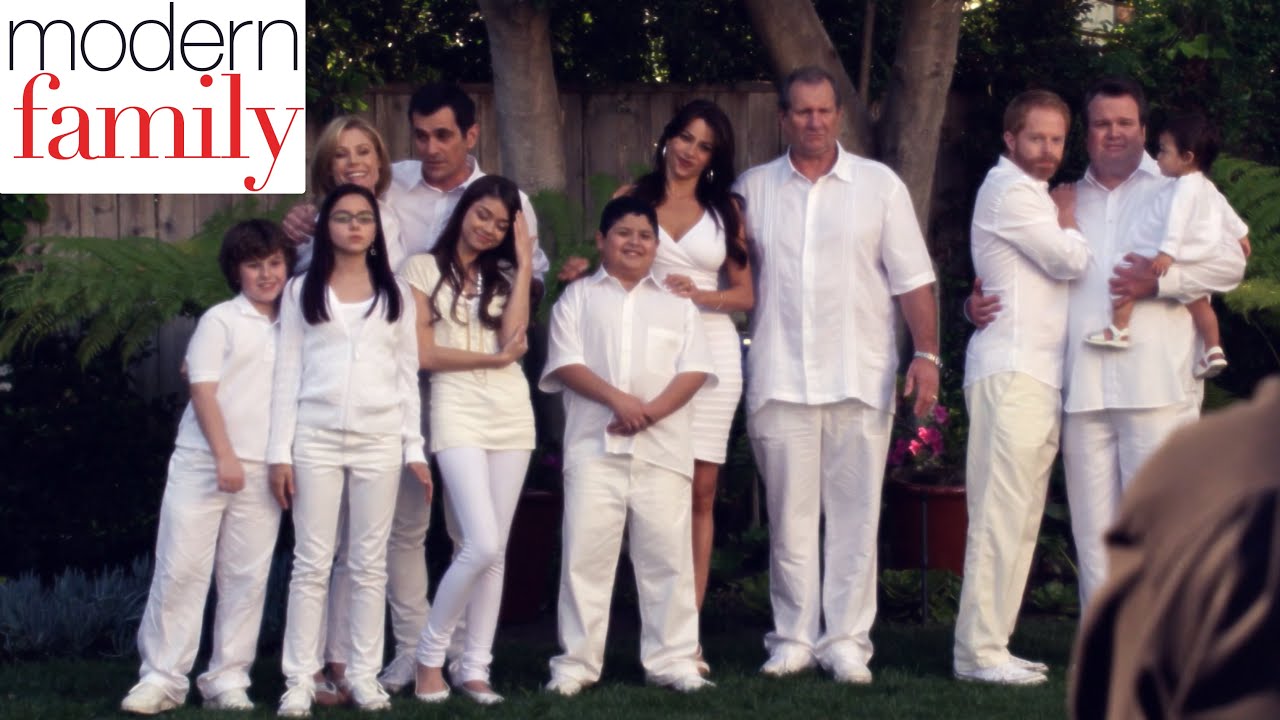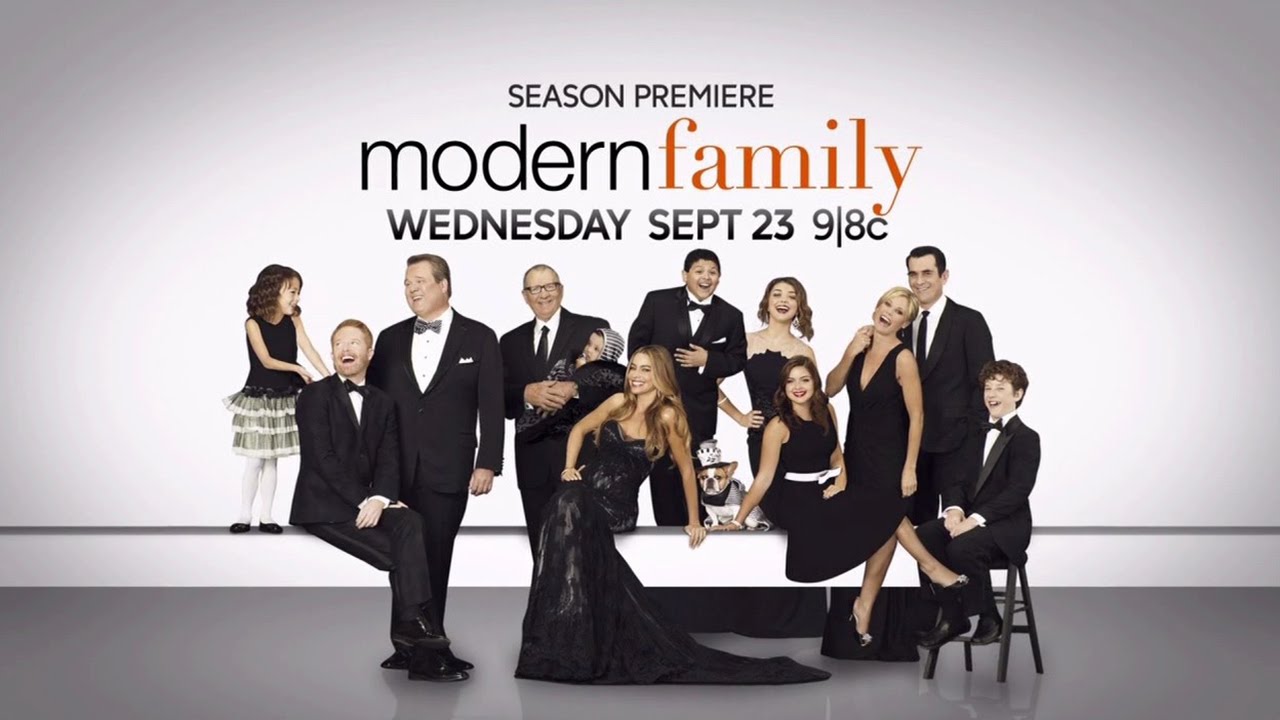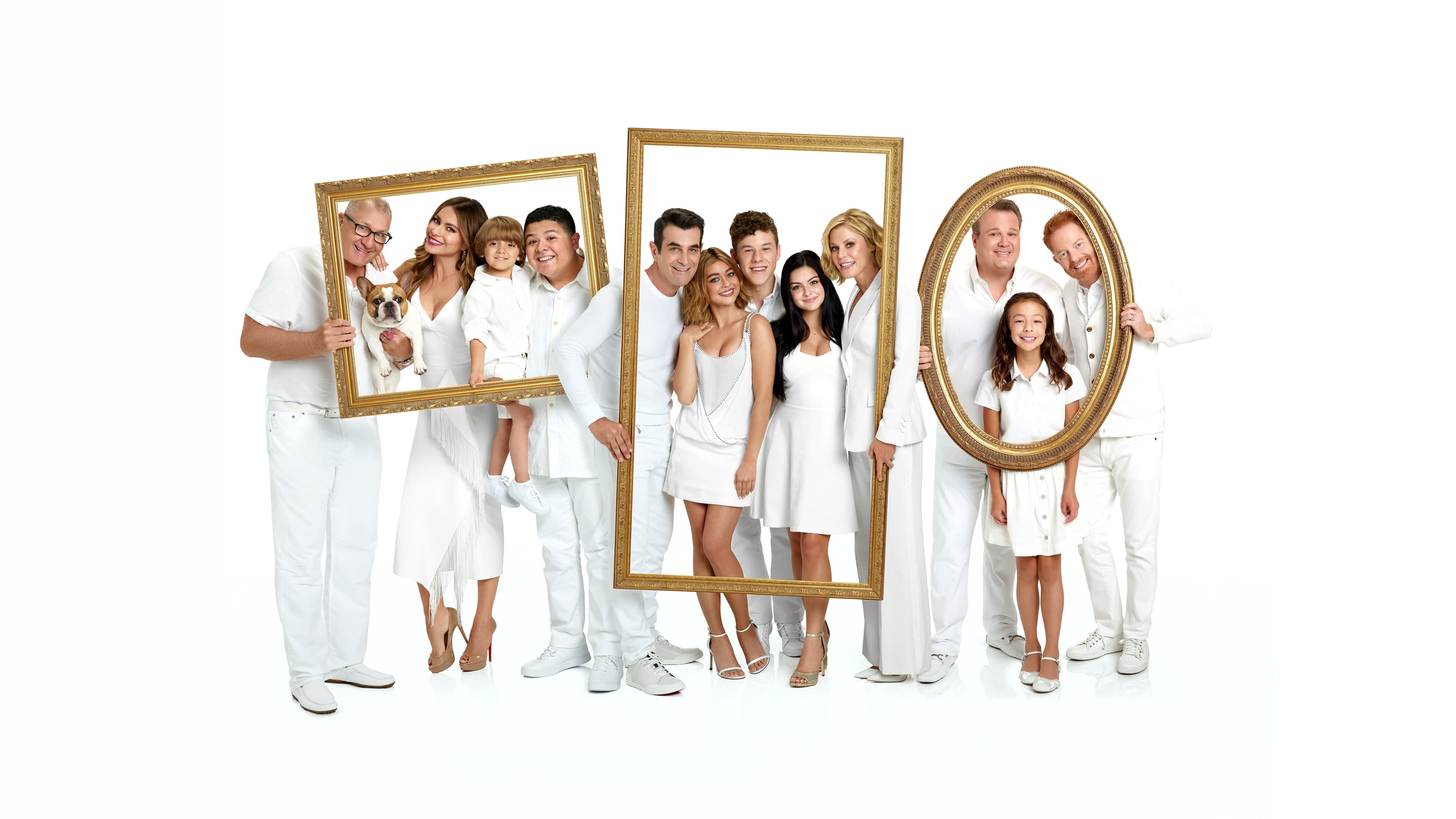
When Modern Family premiered on September 23, 2009, it arrived with a premise that seemed almost too familiar: a comedy about a multigenerational family navigating life in suburbia. But creators Steven Levitan and Christopher Lloyd had something different in mind. They wrapped their ensemble comedy in a mockumentary format that felt fresher than anything on network television at the time, and what emerged over eleven seasons and 250 episodes became one of the defining comedies of the 2010s. The show didn’t just tell jokes—it fundamentally changed how television could talk about family, diversity, and what it means to belong.
The genius of Modern Family lay in its willingness to expand what a family could look like on primetime television. The series introduced audiences to three distinct family units: Phil and Claire with their kids, Jay and Gloria with Manny, and Mitchell and Cameron with Lily. This wasn’t revolutionary by accident. Levitan and Lloyd deliberately crafted a show where a same-sex couple adopting an international child felt as natural as a middle-aged man having a midlife crisis. In 2009, that mattered enormously. The show became a cultural touchstone precisely because it normalized conversations that mainstream media often sidestepped, all while maintaining the comedic warmth that made audiences fall in love with these characters week after week.
> The mockumentary format proved to be the secret weapon that set Modern Family apart from its competition. Those direct-to-camera moments and confessionals gave the show an intimacy that traditional sitcoms couldn’t match.
What made the 25-minute runtime particularly effective was how the writers used those confined moments to build emotional depth alongside the laughs. Each episode could juggle multiple storylines—a signature move that rarely felt cluttered—and the format allowed characters to comment on their own absurdity. Phil’s elaborate schemes, Jay’s old-school stubbornness, Cameron’s theatrical dramatics—the show’s greatness came from characters who knew themselves well enough to be genuinely funny about their own flaws. This self-awareness, woven throughout 250 episodes, kept the comedy sharp without ever becoming mean-spirited.
The cultural footprint of Modern Family extended far beyond its 7.9/10 rating, which itself represented a remarkable consistency across its entire run. The show sparked genuine conversations about representation in family structures, parenting philosophies, and intergenerational relationships. Parents watched it and saw their own chaos reflected back with humor and heart. LGBTQ+ audiences found validation in Mitchell and Cameron’s relationship—messy, funny, and deeply loving in ways that felt authentic. The show proved that mainstream comedy could celebrate diverse families without sacrificing genuine laughs or dramatic depth.
The character work remained the foundation of everything that worked. Consider what Levitan and Lloyd achieved across eleven seasons:
- Phil Dunphy evolved from bumbling but well-meaning dad into a character whose insecurity and desperate need for approval generated both comedy and surprising vulnerability
- Gloria Delgado-Pritchett transcended the potential stereotype of the young second wife into a complex woman navigating cultural identity, motherhood, and partnership
- Mitchell Pritchett and Cameron Tucker gave audiences a relationship that felt lived-in, comfortable, and realistic rather than performative
- Alex Dunphy grew from overlooked middle child into a character whose dry wit and academic ambition inspired audiences
- Haley Dunphy transformed from vapid popular girl into a surprisingly nuanced portrait of someone finding her way
Each of these characters could anchor entire episodes, and the show’s ensemble approach meant that weaker installments were rare.
The show’s trajectory across its seasons reveals something important about long-form storytelling. While early seasons (particularly Season 1 and 2, both at 8.0) hit with maximum creative freshness, the slight decline through the middle seasons (hovering around 7.8-7.9) doesn’t reflect creative failure—it reflects the natural challenge of sustaining a comedy for over a decade. What’s remarkable is that Modern Family maintained this quality level for so long. Most comedies don’t age this gracefully.
The mockumentary format initially seemed like a gimmick that could’ve worn thin, but Levitan and Lloyd understood that style served story. Those talking-head moments weren’t just comedy breaks; they were character development opportunities. When Phil explained his latest failed scheme directly to the camera, we weren’t just laughing—we were understanding his worldview. When Mitchell confessed his anxieties about fatherhood, the camera became a confidant. This approach elevated Modern Family beyond typical sitcom mechanics.
The streaming availability across Hulu, Peacock Premium, YouTube TV, and other platforms means new audiences continue discovering the show, which speaks to its enduring appeal. The humor ages well because it was never dependent on dated references or topical comedy. Instead, it rooted itself in the eternal messiness of family relationships—the tensions between parents and adult children, the way marriage requires constant negotiation, the particular chaos of blended families. These dynamics don’t become dated; they become more relatable.
What ultimately makes Modern Family deserving of sustained attention is how it balanced competing demands that most comedies can’t juggle simultaneously. It was genuinely funny, consistently heartfelt, beautifully acted, and culturally progressive without ever feeling preachy. Across 250 episodes, Levitan and Lloyd created a show that entertained millions while also shifting conversations about whose stories television felt obligated to tell. That’s not just a successful comedy—that’s a cultural achievement that extended well beyond the half-hour format into the fabric of how we understand ourselves and each other.