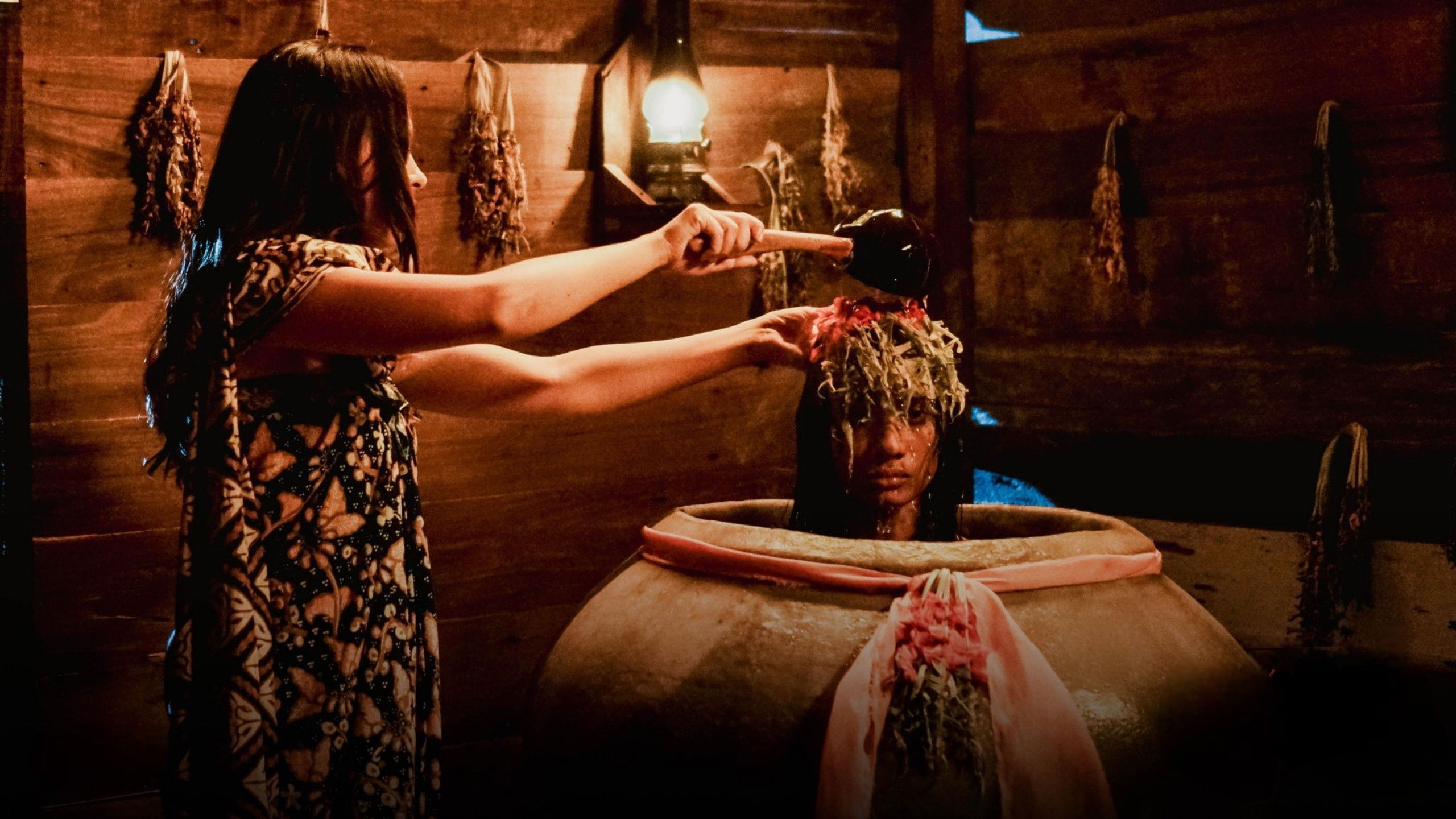
There’s something quietly intriguing brewing in the Indonesian film landscape with Kuyank, the upcoming drama-horror-mystery that will be released on January 29, 2026. While the film hasn’t yet arrived in theaters, it’s already generating the kind of anticipatory buzz that suggests director Johansyah Jumberan and his creative team have something genuinely compelling to show us. In an industry moment where Asian cinema is commanding increased global attention—particularly given the recent shifts in major awards ceremonies and festival schedules—Kuyank arrives as a timely entry into conversations about where regional filmmaking is heading.
What makes this project particularly noteworthy is the convergence of talent involved. Rio Dewanto, a name increasingly familiar to international audiences, leads a cast that includes Putri Intan Kasela and Ochi Rosdiana—performers who bring their own credibility and depth to the material. The fact that DHF Entertainment is backing this production suggests a studio commitment to elevating Indonesian genre cinema beyond traditional boundaries. With a runtime of just 1 hour and 40 minutes, Jumberan appears to be crafting something lean and purposeful, where every frame carries weight.
The genre blend itself deserves attention. Horror-drama-mystery hybrids are notoriously difficult to balance—too much of one element and you lose the others entirely. Yet when they work, they create something that lingers with audiences in unexpected ways. We’re living in a period where horror cinema from Southeast Asia has proven it can achieve global resonance while maintaining deep cultural specificity. Kuyank is positioned to potentially tap into both currents, offering something that speaks to local audiences while possessing the kind of atmospheric and thematic depth that travels across borders.
What’s particularly interesting about Kuyank‘s positioning is how it arrives during a moment of significant transition in film industry infrastructure and celebration mechanisms.
The broader context here matters more than it might initially seem. The Asian Film Awards are undergoing substantial restructuring for 2026, having paused competitive categories in light of recent geopolitical circumstances. This shift, while logistically challenging, has inadvertently created more space for diverse voices and unconventional projects to gain attention through alternative channels. Kuyank doesn’t need a traditional awards circuit coronation to find its audience—its strength will likely lie in word-of-mouth momentum, festival circuits, and organic discovery among viewers hungry for authentic regional storytelling.
Johansyah Jumberan’s directorial vision appears focused on creating something that respects its audience’s intelligence. There’s no indication here of manipulation or easy answers. Instead, what we’re anticipating is a filmmaker willing to hold tension—whether psychological, emotional, or narrative—and trust viewers to sit with discomfort. In an era where streaming platforms often favor easily digestible content, theatrical releases that demand active engagement feel increasingly rare and valuable.
The casting choices reveal deliberate thinking:
- Rio Dewanto brings maturity and a track record of nuanced character work to anchor the narrative
- Putri Intan Kasela and Ochi Rosdiana suggest a focus on ensemble dynamics rather than hierarchical star power
- The chemistry between these performers will likely be crucial to how the mystery and horror elements land emotionally
What’s worth noting is that despite the film’s scheduled release being imminent, it currently holds a 0.0/10 rating with zero votes on the database. This isn’t a statement about quality—it’s simply a reflection of how early we are in the film’s public journey. In fact, this blank slate presents an opportunity. Kuyank will arrive without predetermined expectations or critical baggage. It will stand or fall on its own merits, which is increasingly rare for any film in our pre-release review culture.
The Indonesian film industry has been experiencing something of a renaissance in recent years, with filmmakers finding ways to honor traditional narratives and cultural concerns while employing contemporary cinematic language. Kuyank, though still shrouded in mystery regarding its specific plot details, seems positioned within this movement. The film’s ambiguity—we don’t yet know the precise nature of its horror elements or what mysteries drive its narrative—actually works in its favor. It suggests Jumberan and his team are more interested in thematic resonance than in marketing puzzle-box premises.
Consider what Kuyank represents in the larger ecosystem:
- A mid-budget production from a regional studio willing to take genre risks
- A director with enough creative authority to pursue a personal vision
- An ensemble approach to casting that values performance over celebrity alone
- A commitment to theatrical distribution and the communal cinema experience
- Timing that capitalizes on growing international appetite for Southeast Asian storytelling
The real significance of Kuyank won’t become clear until audiences experience it, yet that’s precisely why it matters. In a moment where so much film discourse happens before the work even arrives—through trailers, critic previews, and algorithm-driven recommendations—there’s something refreshing about a project that still maintains genuine mystery. When it releases on January 29, 2026, viewers will have the opportunity to discover something without having had every emotional beat pre-digested for them.
What we’re essentially waiting for is a filmmaker’s genuine attempt to say something true through the vehicle of genre cinema. Whether Johansyah Jumberan fully succeeds remains to be seen, but the architectural elements suggest he’s built something worth paying attention to. Kuyank is the kind of film that could very well define part of 2026’s conversation about where regional cinema is finding its voice.