There’s something refreshing about seeing an action thriller that isn’t afraid to lean into its genre conventions while still bringing genuine star power and directorial vision to the table. Hellfire, scheduled to arrive on January 27, 2026, is shaping up to be exactly that kind of film—a straightforward, no-nonsense action vehicle that’s generating real anticipation in the lead-up to its release. What makes this project particularly intriguing is the convergence of talent involved and what it signals about where action cinema is heading.
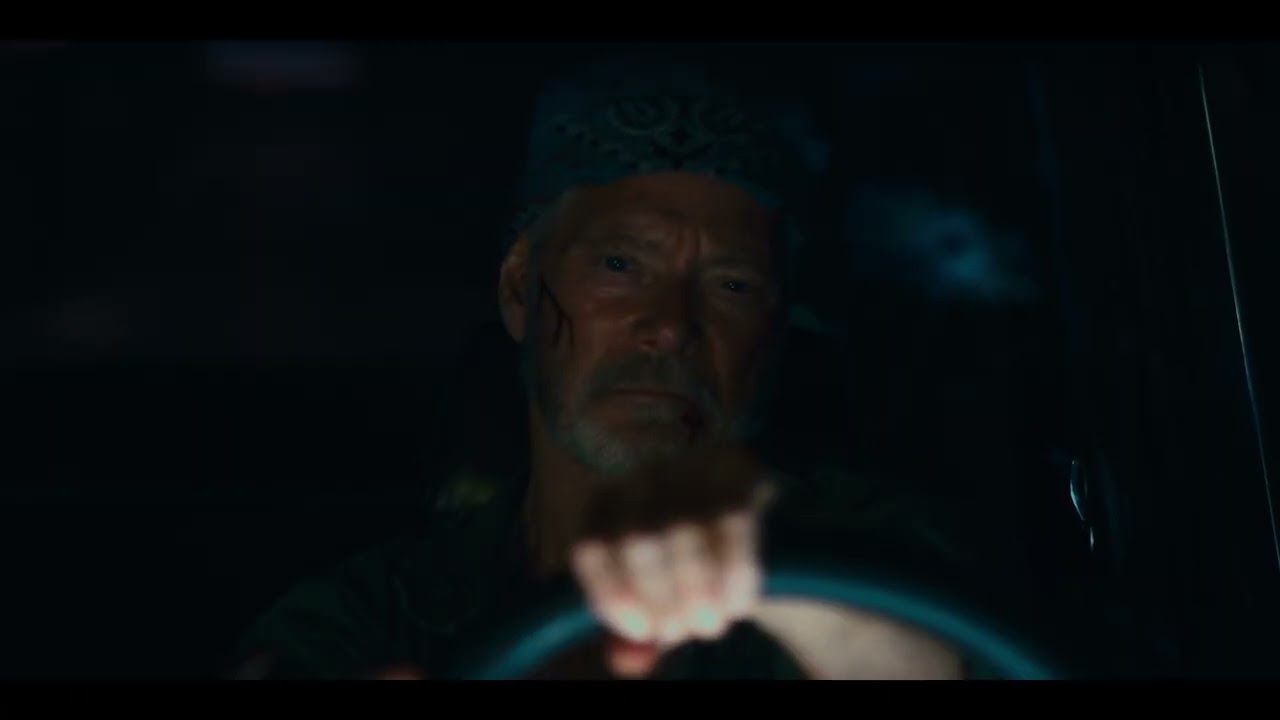
Let’s start with the most compelling element: Stephen Lang taking the lead as an ex-Green Beret protagonist. If you’ve seen Lang in recent years, particularly in the Avatar sequels, you know he’s evolved into something we don’t talk about enough—a genuinely magnetic screen presence capable of carrying a film. This isn’t a comeback narrative; it’s more like a recalibration.
Lang has the gravitas, the physicality, and the dramatic chops to anchor an action thriller in ways that feel earned rather than nostalgic. The premise—where his character must start a war to free his town—suggests a moral complexity underneath the explosive surface, and that’s exactly the kind of tension that separates memorable action films from forgettable ones.
Then there’s the matter of his collaborators. Dolph Lundgren and Harvey Keitel joining the cast isn’t just about star stacking; it’s about intentional ensemble construction. Lundgren brings decades of action credibility and a screen presence that commands attention, while Keitel—perhaps the most respected dramatic actor in this lineup—adds a layer of legitimacy and complexity. This trio suggests the filmmakers are after something with thematic weight, not just kinetic spectacle.
The creative vision here belongs to Isaac Florentine, a director whose track record speaks volumes about his understanding of action cinema as a craft.
Florentine has built his reputation on delivering tight, efficiently told action narratives. He understands the grammar of the genre—how to frame a fight, how to build tension, how to make a 94-minute runtime feel purposeful rather than rushed. This matters more than casual filmgoers might realize. In an era where action blockbusters frequently bloat past two hours, there’s something disciplined about a film that respects its audience’s time.
The production landscape around Hellfire is also worth examining:
- Multiple production companies involved (Price Productions II, Skipstone Pictures, Millman Productions, Ron Lee Productions, and others) suggest a project that generated genuine interest and investment
- Saban Films picking up worldwide distribution rights indicates confidence in the material’s commercial viability
- A sub-100-minute runtime suggests the filmmakers have made deliberate choices about pacing and narrative economy
- The tagline—“To free the town he’ll start a war”—promises a morally complex scenario rather than a simple good-versus-evil setup
What’s particularly interesting is how Hellfire arrives at a moment when audiences are reassessing what they want from action cinema. We’re past the era where spectacle alone suffices; we’re craving character, intention, and filmmaking that respects the intelligence of the viewer. The presence of a writer like Richard Lowry (who understands how to blend action with character development) suggests this script prioritizes story alongside stunt work.
The fact that this film is still building anticipation as we approach its 2026 release date speaks to something genuine in the cinema community. There’s buzz because the elements align in a way that feels intentional:
- An actor (Lang) at a career inflection point ready to prove his range
- A director (Florentine) with proven competence in the action space
- Supporting talent (Lundgren, Keitel) that elevates the material
- A premise that promises moral complexity wrapped in action-thriller packaging
- A runtime that respects audience time and suggests editorial confidence
Looking ahead, Hellfire has the potential to matter in ways that extend beyond its opening weekend box office. It could serve as a template for how to construct a contemporary action thriller without requiring superhero IP or franchise recognition. In an industry increasingly obsessed with universes and sequels, a standalone original film with this level of craftsmanship and casting deserves attention.
The 0.0/10 rating currently attached to the film on most databases is simply a function of it not yet being released—there’s nothing to rate until audiences actually see it. That blank slate is actually promising. There’s no negative word-of-mouth to overcome, no preconceived notions about whether the film works. All that exists right now is potential.
What Hellfire represents is a kind of filmmaking we should be encouraging: lean, focused, purposeful action cinema anchored by strong performances and directorial confidence. When it arrives on January 27, 2026, it will land in a marketplace hungry for films that understand their own DNA and commit to executing that vision cleanly. That’s worth anticipating.