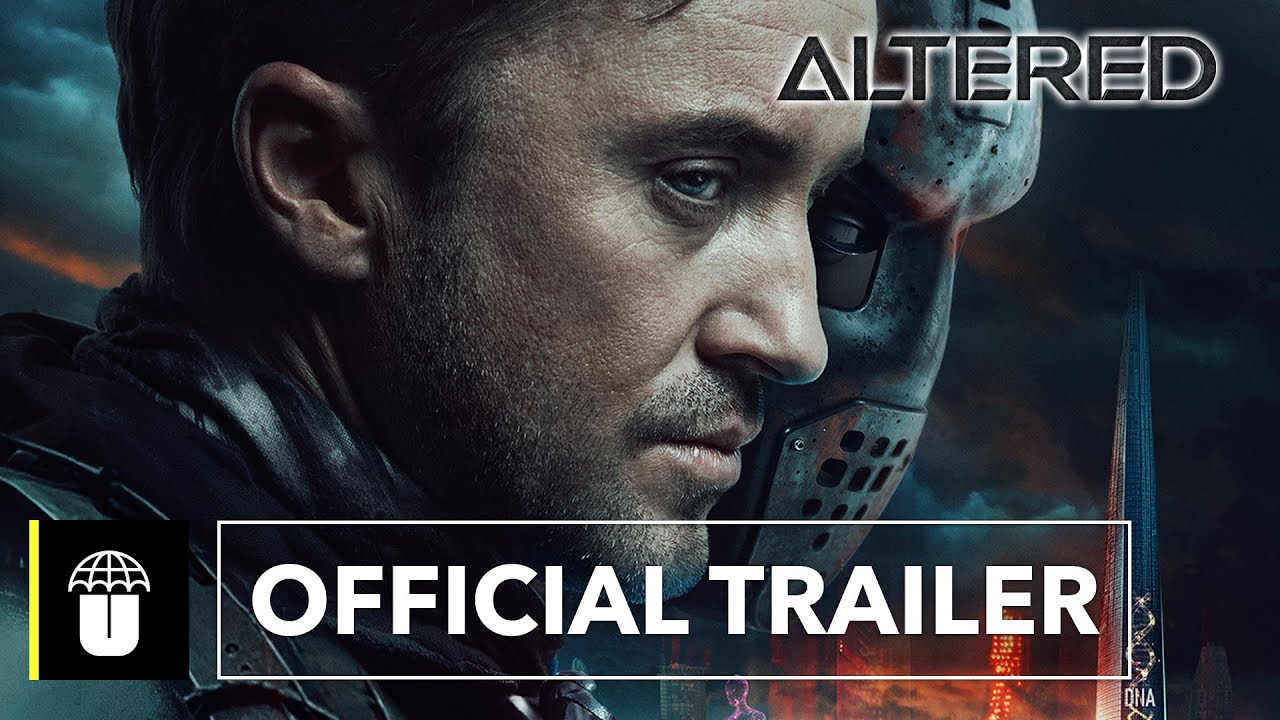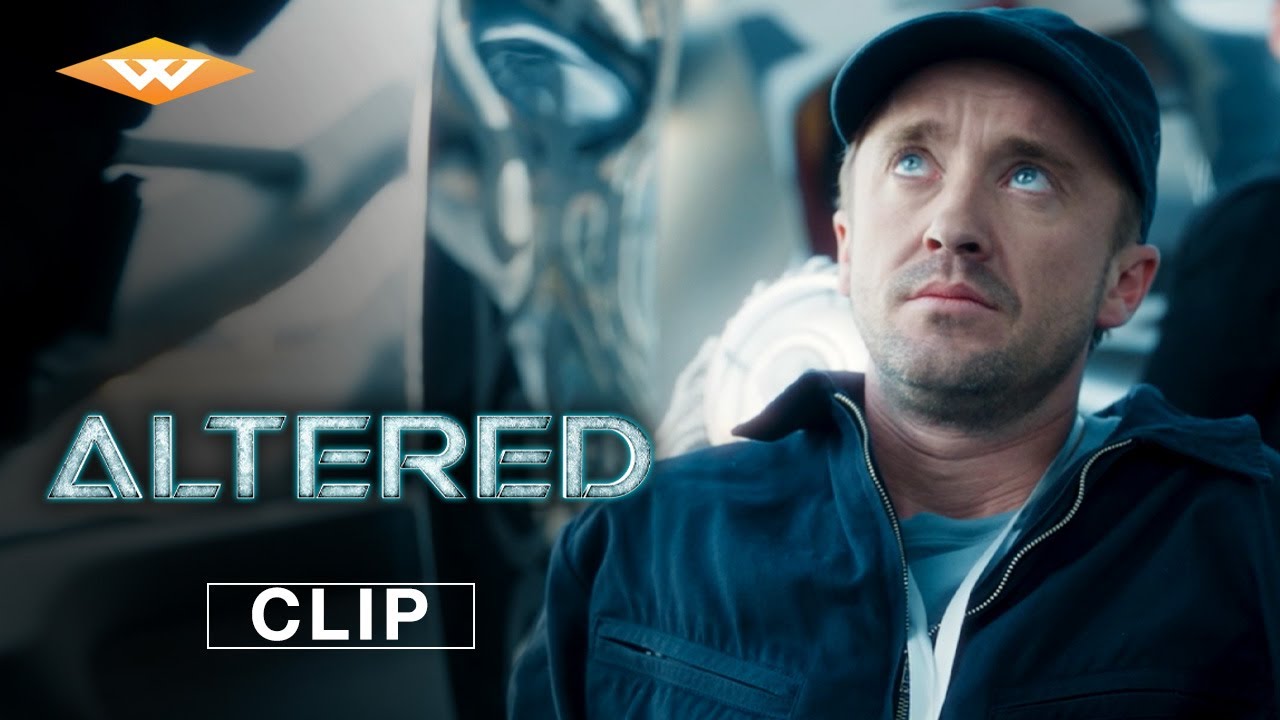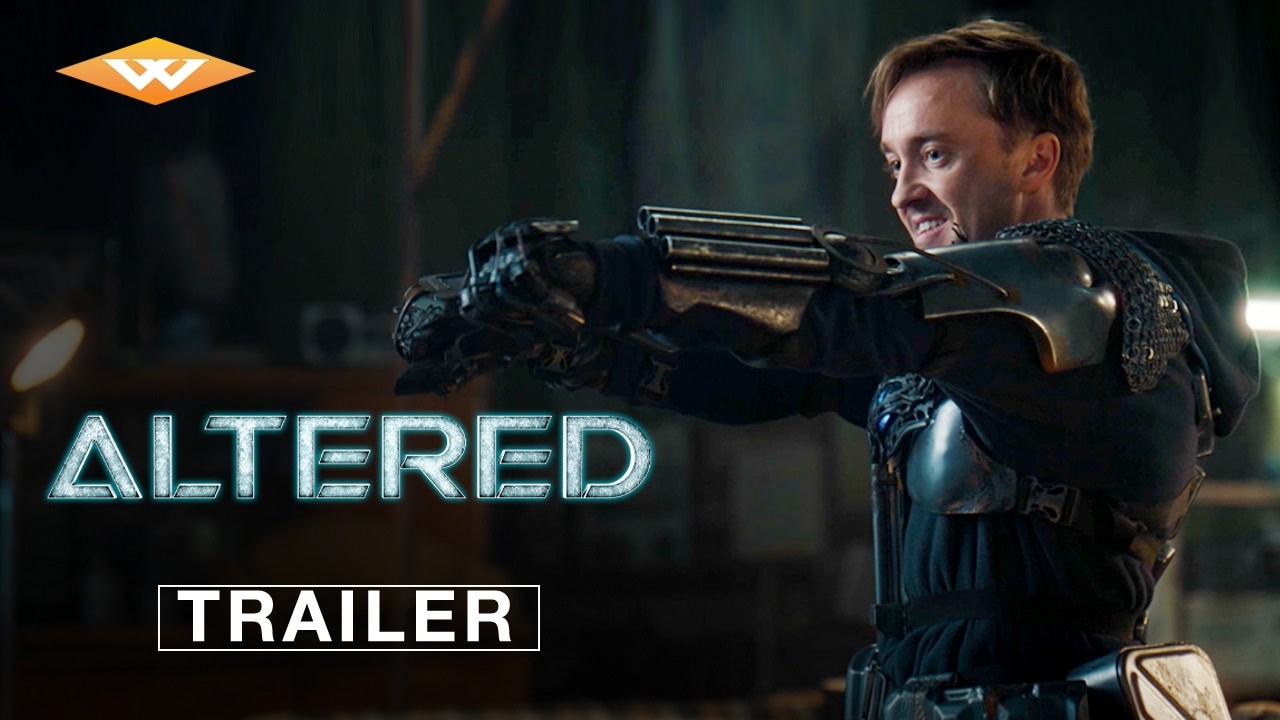
When Altered came out in September 2025, it arrived as a quietly ambitious science fiction project with a mission statement baked right into its tagline: “Fight the system. Change the world.” What makes that statement interesting isn’t necessarily what the film accomplished at the box office—where it struggled significantly, earning just $346,774 against a $15 million budget—but rather what it attempted to say about resistance, transformation, and the price of defiance in a world built on control.
Director Timo Vuorensola has always been someone who thinks bigger than his budgets might suggest. He brought that sensibility to Altered, crafting what amounts to a lean, urgent thriller packed into a brisk 1 hour and 25 minutes. That runtime becomes part of the film’s DNA—there’s no fat here, no unnecessary exposition or prolonged sequences. It’s a film designed to move like its protagonists need to move: quickly, with purpose, and always looking over their shoulder.
The Creative Vision Behind the Chaos
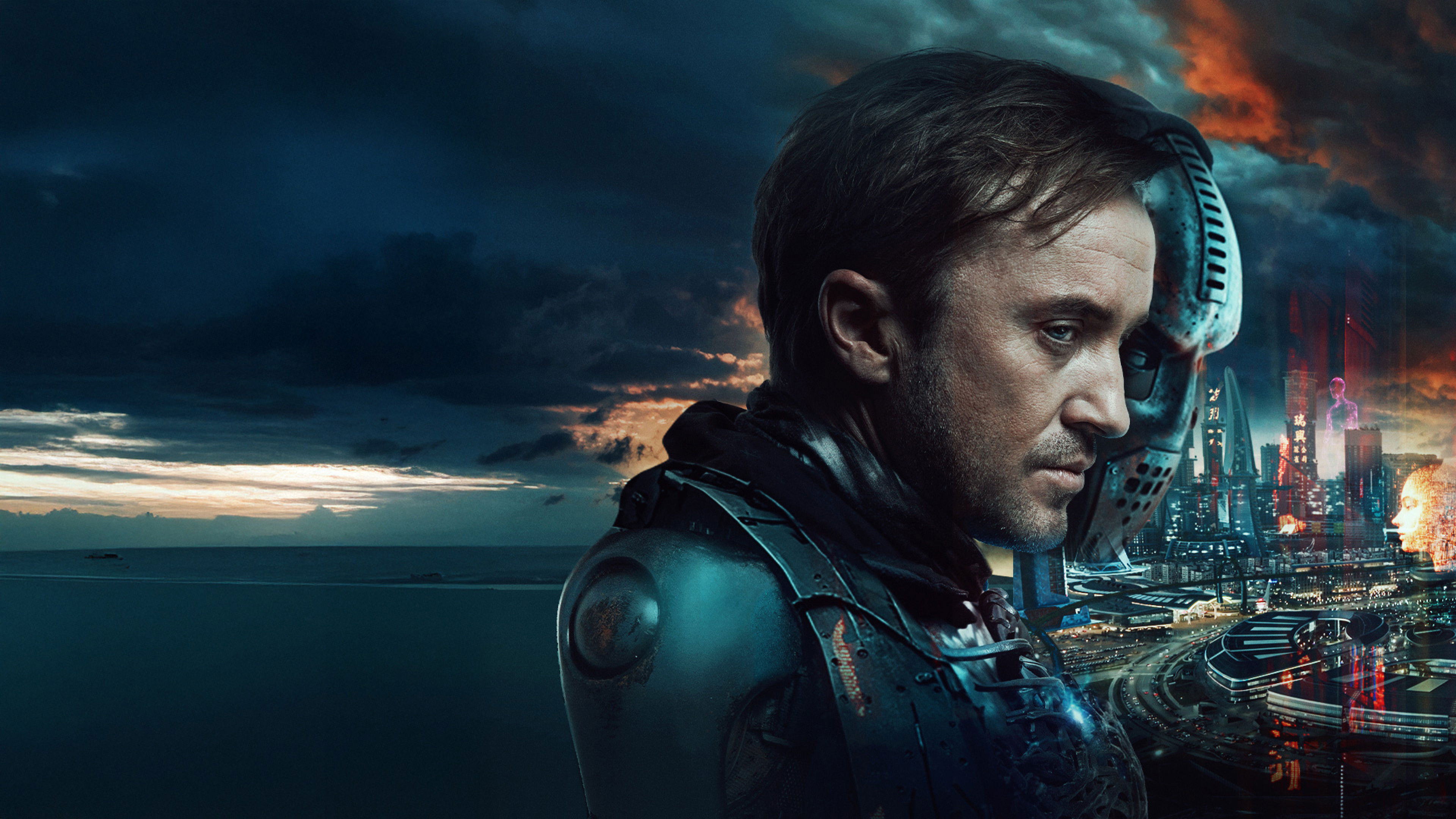
What Vuorensola seemed interested in exploring was a fairly classic sci-fi premise executed with contemporary urgency. The casting of Tom Felton in the lead role signaled something deliberate—here’s an actor known for playing complex, morally ambiguous characters, someone audiences remember from playing a villain audiences could understand. Felton brought that same nuanced energy to Altered, embodying a protagonist who isn’t simply fighting against a system, but grappling with what fighting that system actually costs.
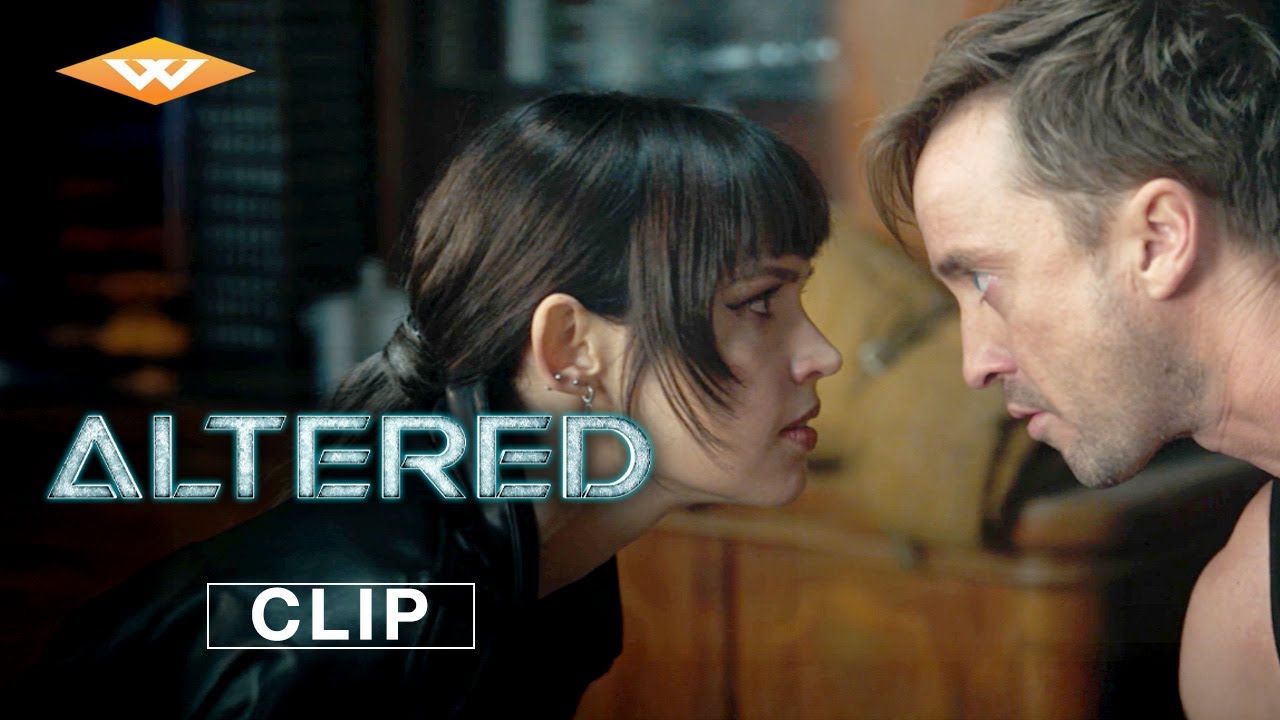
Alongside Felton, Aggy K. Adams and Elizaveta Bugulova created a cast that felt less like a traditional action ensemble and more like a collection of people trapped together by circumstance. The chemistry between these leads suggested that Vuorensola was more interested in character dynamics than spectacle—which, given the budget constraints, was probably a wise creative decision. What emerged was an intimate, high-stakes narrative where the real tension came from relationships fracturing under pressure rather than from CGI setpieces or elaborate stunts.
> The film’s greatest strength might be its refusal to overstay its welcome. At 85 minutes, Altered makes its point and exits, leaving audiences with questions rather than answers.
The Numbers Tell a Story—But Not the Whole Story
Let’s talk about the elephant in the room: the box office performance was genuinely devastating. A $15 million film that grosses under $350,000 represents a kind of commercial failure that usually ends careers and studio relationships. But here’s what’s worth considering—the distribution picture for Altered was fragmented from the start. Film Mode Entertainment’s acquisition of worldwide sales rights (excluding Germany, Benelux, North America, and CIS territories) suggests this was never intended as a wide theatrical release. The film was positioned for international festival circuits and limited engagements, which fundamentally changes how we should evaluate its reach.
The critical reception—a 6.0/10 rating from 82 votes—lands in that frustratingly middling territory where a film is acknowledged as competent but not quite transcendent. That score reflects something genuine about Altered: it’s a film with interesting ideas that doesn’t always fully realize them, with ambitions that occasionally exceed its resources. But middling scores from a small voter pool also suggest limited visibility, which circles back to the distribution challenges rather than fundamental creative failure.
Where Significance Lies
Altered matters less as a game-changer for science fiction and more as a document of where independent sci-fi filmmaking was heading in 2025. In an era of bloated tentpoles and streaming algorithmic decision-making, here was a filmmaker willing to make a lean, character-driven sci-fi film for theatrical release. That’s increasingly rare.
The film’s legacy, if it has one, probably lies in how it demonstrated that you could tell stories about systemic resistance without:
- Massive action sequences requiring massive budgets
- Dystopian world-building that requires three films to fully explain
- A charismatic lead who carries the entire emotional weight
- Cynicism about whether change is actually possible
The Lasting Question
What lingers about Altered is less about what it achieved commercially or critically, and more about what its very existence suggests about cinema in 2025. In a year when film studios were increasingly cautious with mid-budget science fiction, when streaming services were consolidating power, and when theatrical releases were becoming events rather than the default—Vuorensola made Altered anyway.
It didn’t work as hoped. The audiences didn’t find it, or the distribution channels didn’t reach them effectively, or the film itself had limitations that prevented it from resonating widely. But the attempt itself—to make a film about fighting systems with a system-fighting budget, released through complicated international channels, starring actors willing to take on morally complex roles—that attempt deserves acknowledgment.
Altered may ultimately be remembered as a noble failure, a reminder that not every ambitious film finds its audience, but that making ambitious films anyway remains necessary work.