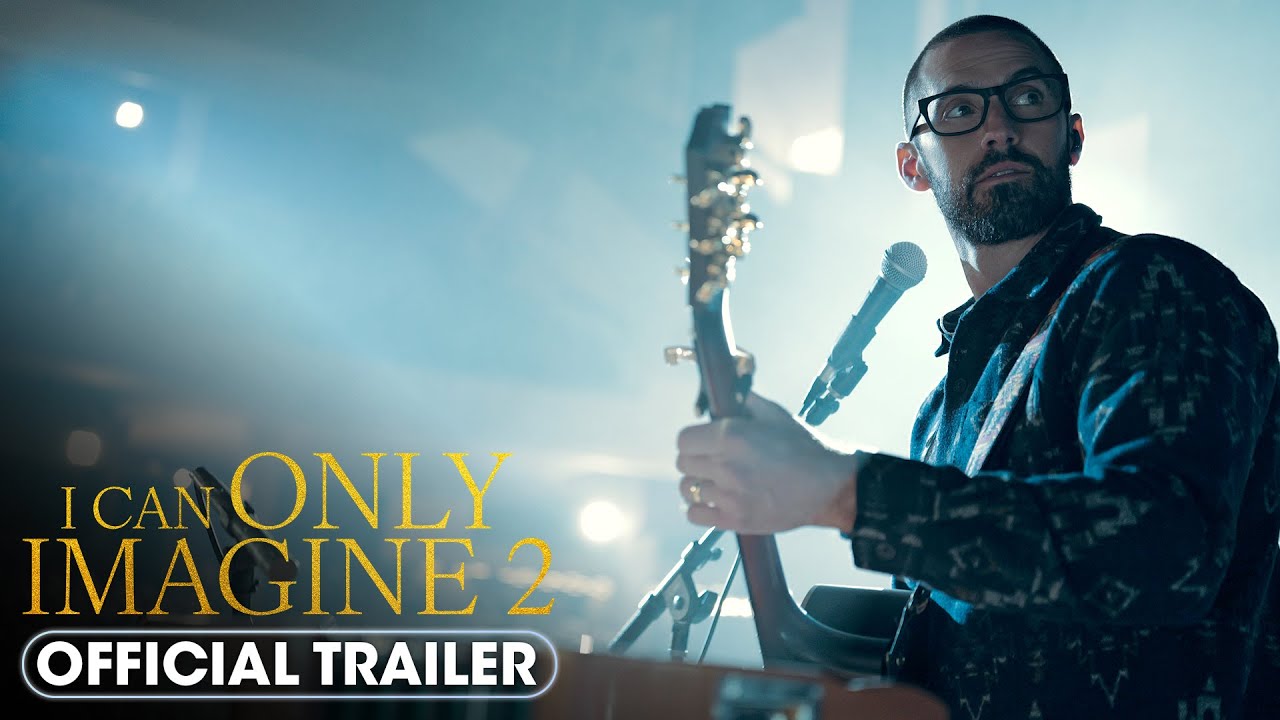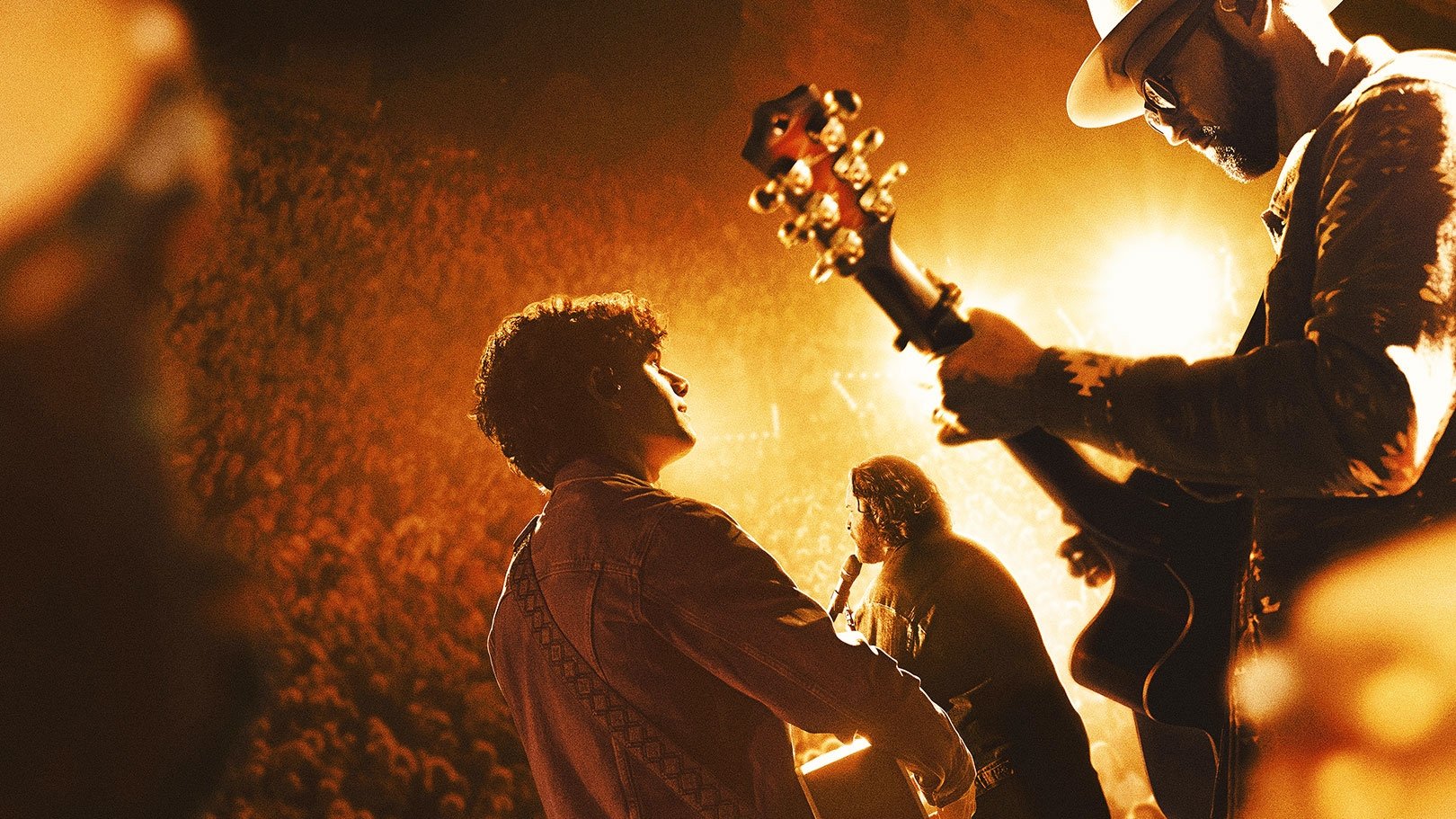
There’s something genuinely compelling about a sequel that doesn’t feel obligatory—and I Can Only Imagine 2 is shaping up to be exactly that kind of film. When the original I Can Only Imagine hit theaters back in 2018, it became a cultural phenomenon that surprised even the most optimistic industry observers. Built on the true story behind MercyMe’s megahit song, it connected with audiences in a way that transcended typical faith-based cinema. Now, with this sequel scheduled to release on February 20, 2026, we’re getting a chance to revisit these characters and explore deeper, more complex terrain—which is precisely what makes this project worth paying attention to.
The decision to move the film’s release up from its originally scheduled March 20 date speaks volumes about studio confidence. Kingdom Story Company and Mission Pictures International clearly believe they have something special on their hands, and moving to an earlier weekend suggests they’re positioning this as a genuine event film rather than an afterthought. The fact that I Can Only Imagine 2 will be the only wide release on its new February weekend makes this choice even bolder—they’re not hiding; they’re staking their claim.
What’s particularly interesting about this sequel is its willingness to go darker and more introspective. Rather than simply rehashing the feel-good formula that made the first film work, the story centers on Bart Millard facing a personal crisis at the peak of his success. This is mature filmmaking territory. Success doesn’t automatically bring peace, and the film seems ready to grapple with that uncomfortable reality. It’s exploring faith, family, and finding God not in triumph, but in struggle—which feels more honest and ultimately more resonant than a straightforward victory narrative.
The creative team assembled here deserves serious consideration:
- J. Michael Finley returns as Bart Millard, and he’ll be tasked with portraying a character experiencing genuine spiritual and emotional turmoil
- Milo Ventimiglia brings considerable dramatic weight to any project he touches, and his presence signals this isn’t a lightweight undertaking
- Sophie Skelton adds another dimension to the ensemble, suggesting meaningful family dynamics will be central to the narrative
- Director Brent McCorkle is taking the helm, bringing fresh creative vision to continue the story
“Some stories deserve an encore.” The film’s tagline captures something essential about why sequels like this matter—it’s not about cashing in on nostalgia, but about continuing a conversation that audiences found meaningful.
The underlying true story deserves particular attention here. The sequel is based on the true story behind MercyMe’s song “Even If”—which itself emerged from profound struggle and doubt. This isn’t random source material; it’s another chapter from the same spiritual journey that produced one of contemporary Christian music’s biggest hits. That kind of authenticity is rare in cinema, and it grounds everything the filmmakers are attempting to do.
What makes this project significant within the broader cinematic landscape is harder to articulate but equally important:
- It respects its audience’s intelligence by not retreating into pure inspiration-porn territory, but instead exploring genuine spiritual crisis
- It demonstrates that faith-based cinema can evolve, tackling more nuanced emotional and psychological territory
- It proves there’s an audience for sophisticated character work within the faith community, not just triumphalist narratives
- It positions filmmaking as a legitimate space for exploring doubt, not just certainty
The conversations this film will spark likely extend beyond typical critical discourse. In faith communities, it may actually open doors for discussing struggle and doubt as legitimate spiritual experiences rather than failures. In secular film circles, it represents an opportunity to engage with faith-based cinema on its own artistic terms rather than dismissing it categorically. That’s the kind of cultural work that matters—films that create unexpected bridges between different communities.
The anticipation building toward the February 20 release will be fascinating to monitor. With zero votes and a 0.0 rating currently on film databases, we’re truly in uncharted territory—the slate is blank, waiting to be written by actual audience reception and critical response. That’s actually refreshing in an era where films are often pre-judged before release. This gives I Can Only Imagine 2 room to surprise us, to define itself through its own merit rather than inherited expectations.
Brent McCorkle’s directorial vision will be crucial here. Helming a sequel to a beloved original carries distinct challenges—there’s the weight of audience affection for what came before, but also the opportunity to take creative risks precisely because the foundation is already established. The tagline “Some stories deserve an encore” suggests McCorkle understands this balance. He’s not remaking lightning in a bottle; he’s continuing a conversation that matters to the people who engaged with it initially.
There’s an intangible quality to films that genuinely grapple with faith and doubt in honest ways. They tend to endure because they speak to something real in human experience. I Can Only Imagine 2 is positioned to do exactly that when it releases in February 2026. Whether it fully achieves that ambition remains to be seen, but the ingredients are certainly in place—the talent, the source material, the creative confidence, and a story worth telling. That’s enough to make this one worth watching for.