When A Time for Bravery premiered on December 18th, it arrived as something quietly confident—a film that didn’t feel the need to shout about its ambitions, yet managed to say something meaningful about courage, friendship, and the messy business of doing the right thing. Director Ariel Winograd took what could have been a straightforward remake and instead created something more layered, a project that respects its source material while charting its own course through contemporary storytelling.
What’s particularly interesting about this film is how it exists in that sweet spot where genre expectations meet character depth. On the surface, A Time for Bravery operates as a comedy-action hybrid—the kind of thing that promises laughs and thrills in equal measure. And it delivers on both fronts, but never at the expense of genuine human moments. The 1 hour 47 minute runtime is telling; Winograd understands that modern audiences don’t need bloat, they need purpose. Every scene earns its place, which is rarer than you’d think in this genre.
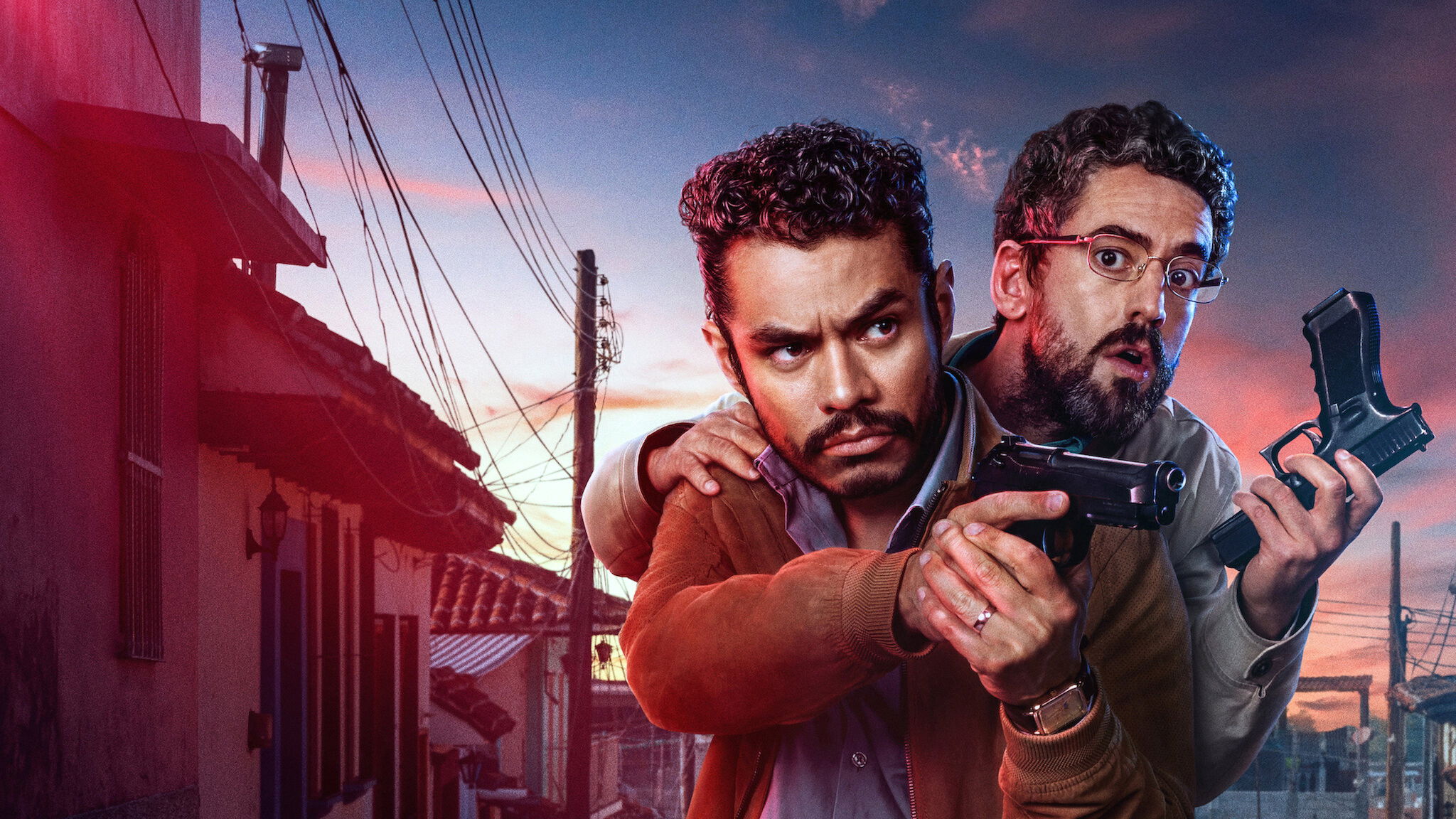
The ensemble cast brought something special to this project:
- Luis Gerardo Méndez carries much of the film’s emotional weight, grounding the action and comedy in real vulnerability
- Memo Villegas brings a different energy entirely—more explosive, unpredictable, the perfect counterbalance
- Christian Tappán completes the dynamic with a presence that suggests there’s always more happening beneath the surface
The chemistry between these actors isn’t the manufactured kind you see in some buddy comedies. There’s a genuine sense that these characters are discovering things about each other as we watch them.
> The film’s real achievement lies in how it balances irreverence with sincerity—it’s willing to be funny without being cynical, and brave without being self-important.
What makes Winograd’s approach distinctive is his understanding of context. Rather than wholesale copying what came before, he’s remolded the material through a contemporary lens, drawing from Damian Szifron’s Tiempo de valientes while extending it into new thematic territory. This is adaptation as conversation rather than reproduction. The film asks updated questions about loyalty, morality, and what it means to actually stand for something in an age where standing for anything feels increasingly complicated.
The critical reception—a solid 7.6 out of 10—speaks to a film that found its audience even if it didn’t ignite the kind of universal acclaim that turns movies into cultural phenomena. But there’s something honest about that score. It’s the rating of a film that does what it sets out to do without pretending to be something it’s not. It’s neither overrated nor undervalued; it’s simply well-made and purposeful.
Without knowing the specific box office and budget figures, what we can observe is that A Time for Bravery arrived as a release from K & S Films, a project that didn’t come burdened with the crushing weight of mega-studio expectations. In some ways, that freedom is liberating. There’s room to take risks, to let characters breathe, to trust that audiences will come along for genuine storytelling rather than spectacle chasing.
The film’s legacy might not be one of revolutionary change—it’s not rewriting the rules of action-comedy or inventing new cinematic language. But it’s doing something equally important: proving that you can honor tradition while creating something fresh, that you can be funny without being hollow, and that bravery isn’t just about external conflicts but internal ones.
Here’s what A Time for Bravery accomplishes that matters:
- It respects its audience’s intelligence — treating them as people capable of understanding nuance and subtext
- It understands tonal balance — moving between humor and weight without feeling schizophrenic
- It builds character relationships that feel earned — not just assembled for plot convenience
- It suggests that remakes and adaptations can be more than retreads — they can be dialogues with their sources
- It demonstrates that a film doesn’t need unlimited resources to have impact — execution and vision matter more
As we move deeper into 2025 and beyond, A Time for Bravery will likely serve as a subtle influence on how filmmakers approach the buddy-comedy-action space. It’s the kind of film that doesn’t announce itself as important but quietly establishes a standard—a reminder that the most memorable movies are often the ones that seem effortless, that trust their material and their audience, and that understand the difference between being entertaining and being meaningful.
In the end, that’s what bravery looks like in cinema: the courage to make something genuine in a landscape that often rewards spectacle over substance. Winograd and his cast found that balance, and the result is a film worth your time.