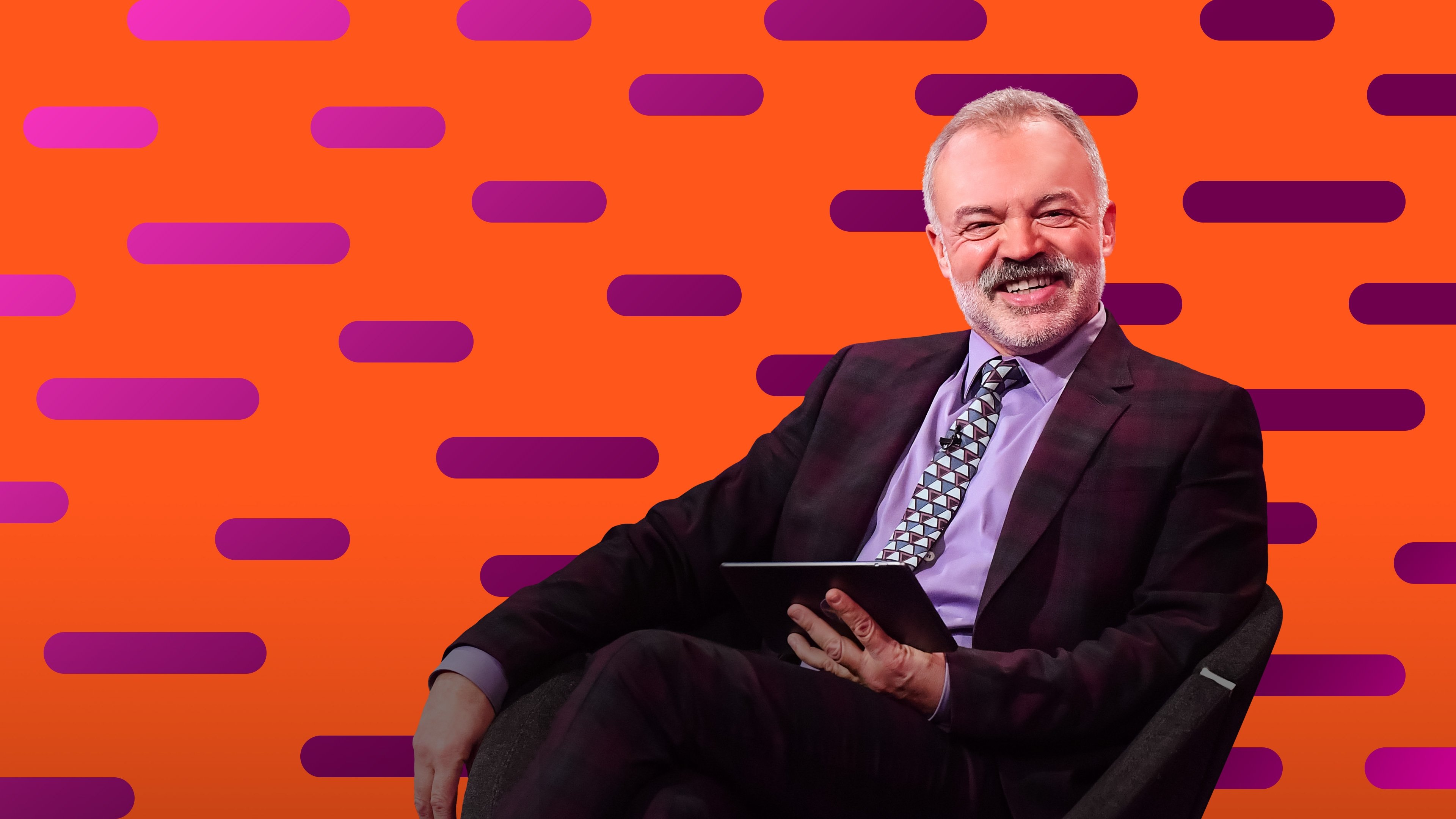
If you’ve ever experienced that perfect moment when a late-night talk show stops being merely a vehicle for celebrity promotion and becomes genuine, unfiltered entertainment, then you understand why The Graham Norton Show has become such a beloved fixture in television. When this Irish comedian’s chat show debuted on February 22, 2007, nobody quite anticipated that it would evolve into one of the most consistently entertaining programs on television—a show that now spans 33 seasons and 539 episodes, maintaining a solid 7.2/10 rating that speaks to its reliable quality rather than fleeting viral moments.
What makes The Graham Norton Show so distinctive is its fundamental rejection of pretense. This isn’t a show built on rigid interview formats or carefully rehearsed anecdotes. Instead, Graham Norton created something far more chaotic and human—a space where the unexpected becomes the entire point. The 49-minute runtime gives the show just enough breathing room to let conversations meander, to let awkwardness bloom, and crucially, to let guests reveal genuine moments of themselves rather than polished versions.
The show’s cultural footprint really crystallized around one specific element that became iconic in its own right.
- The Red Chair transformed studio chaos into an art form, sending unsuspecting audience members flying backward with stories that could embarrass A-list celebrities
- The celebrity interactions became genuinely unpredictable, with A-list guests finding themselves genuinely surprised rather than performing scripted banter
- Live musical performances added an element of spontaneity that many talk shows had lost
- The studio’s intimate yet energetic atmosphere created a vibe that felt like attending the best party rather than watching a taping
What The Graham Norton Show understood that many competitors didn’t was that audiences craved authenticity over polish. We didn’t need another show where everyone knew exactly what would happen. We needed a show where anything could.
The genius of Norton’s approach becomes clearer when you consider the competitive landscape of late-night television. While other talk shows moved toward increasingly elaborate production values and celebrity management, The Graham Norton Show doubled down on spontaneity and genuine interaction. This wasn’t about creating viral moments—though plenty happened organically—it was about creating a space where conversations could surprise both the guests and the host.
Consider how the show’s longevity speaks volumes about its creative foundation. Thirty-three seasons isn’t achieved through gimmicks or novelty—it’s achieved through understanding what actually engages audiences. The ratings have remained remarkably consistent throughout its run, hovering around that 7.2 range, which suggests the show found its voice early and has maintained it faithfully. This consistency matters because it indicates the show isn’t chasing trends or reinventing itself desperately with each season.
The creative team behind The Graham Norton Show envisioned something radically simple: what if we just let people be people? In an era of carefully controlled celebrity narratives and social media management, the show became a refuge for unfiltered moments. Graham Norton’s Irish perspective—both his comedic sensibility and his outsider position within British television—provided the perfect lens through which to observe celebrity culture with affection but without deference.
The show’s influence on the television landscape has been substantial, even if it operates somewhat outside the mainstream American discussion. Consider these key impacts:
- Redefined the talk show format by proving that loose, conversational energy could outperform scripted precision
- Established Norton as a genuine personality rather than a mere interviewer, breaking down the fourth wall constantly
- Influenced how international television approached entertainment programming, particularly in the UK and Europe
- Demonstrated the value of physical comedy and studio chaos in an era moving toward digital-first entertainment
- Created a template for genuine guest interaction that other shows have attempted to replicate with varying degrees of success
What’s particularly impressive is how the show maintained its essential character while remaining available across an astonishing array of platforms—from traditional BBC broadcasts to streaming services like AMC Plus, Apple TV, Acorn TV, and YouTube TV. This multi-platform presence speaks to the show’s enduring appeal and its ability to find audiences across different viewing habits.
The storytelling achievement here—and yes, The Graham Norton Show tells stories, just not linear ones—lies in its embrace of narrative chaos. Every episode unfolds as its own complete story, with moments building from celebrity interviews, to audience interactions, to unexpected eruptions of laughter or embarrassment. The 49-minute format proved to be the perfect length: long enough to develop genuine rapport between Norton and his guests, short enough to maintain momentum and prevent self-indulgence.
The show’s 7.2/10 rating isn’t a ceiling—it’s a reflection of a show that knows exactly what it is and serves its audience faithfully without pretending to be something it’s not.
As the show continues its Returning Series status into its fourth decade, what becomes clear is that The Graham Norton Show succeeded by understanding a fundamental truth: people connect with authenticity far more than they connect with production value. In an entertainment landscape increasingly fragmented by algorithms and niche audiences, The Graham Norton Show maintained something increasingly rare—a show that works precisely because it refuses to optimize itself into sterility. That’s not just television; that’s a genuine achievement worth celebrating.