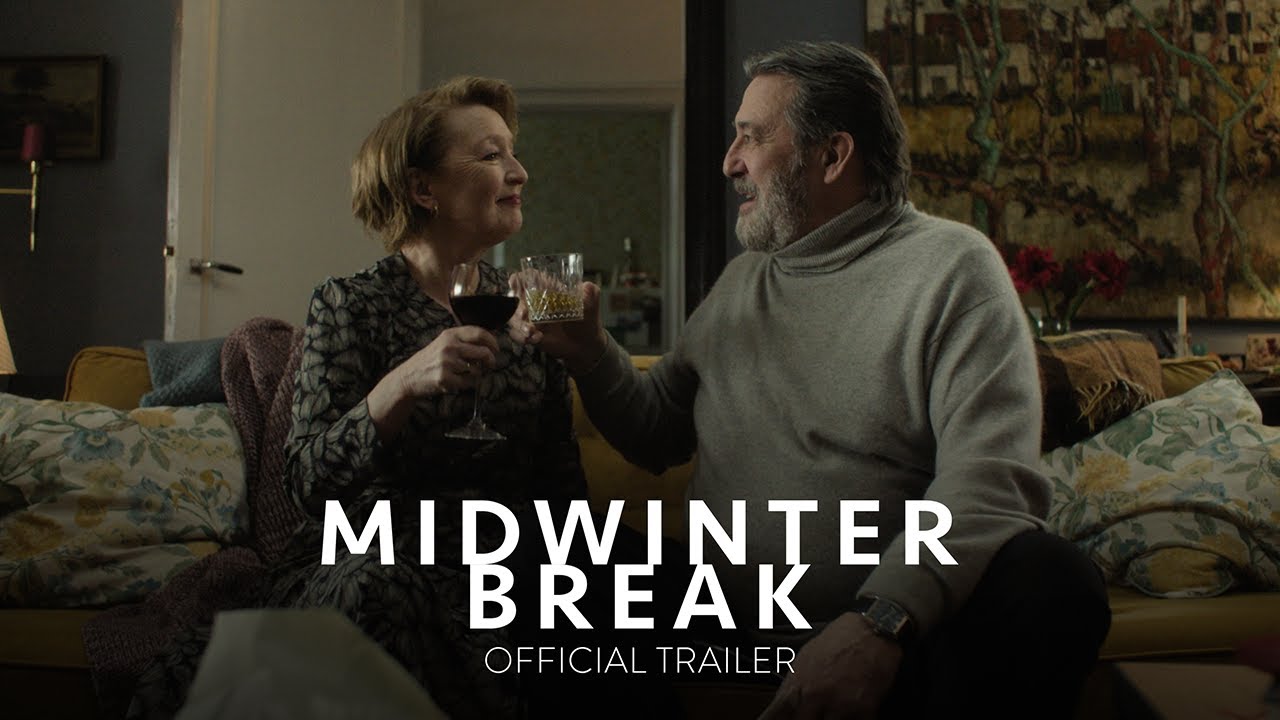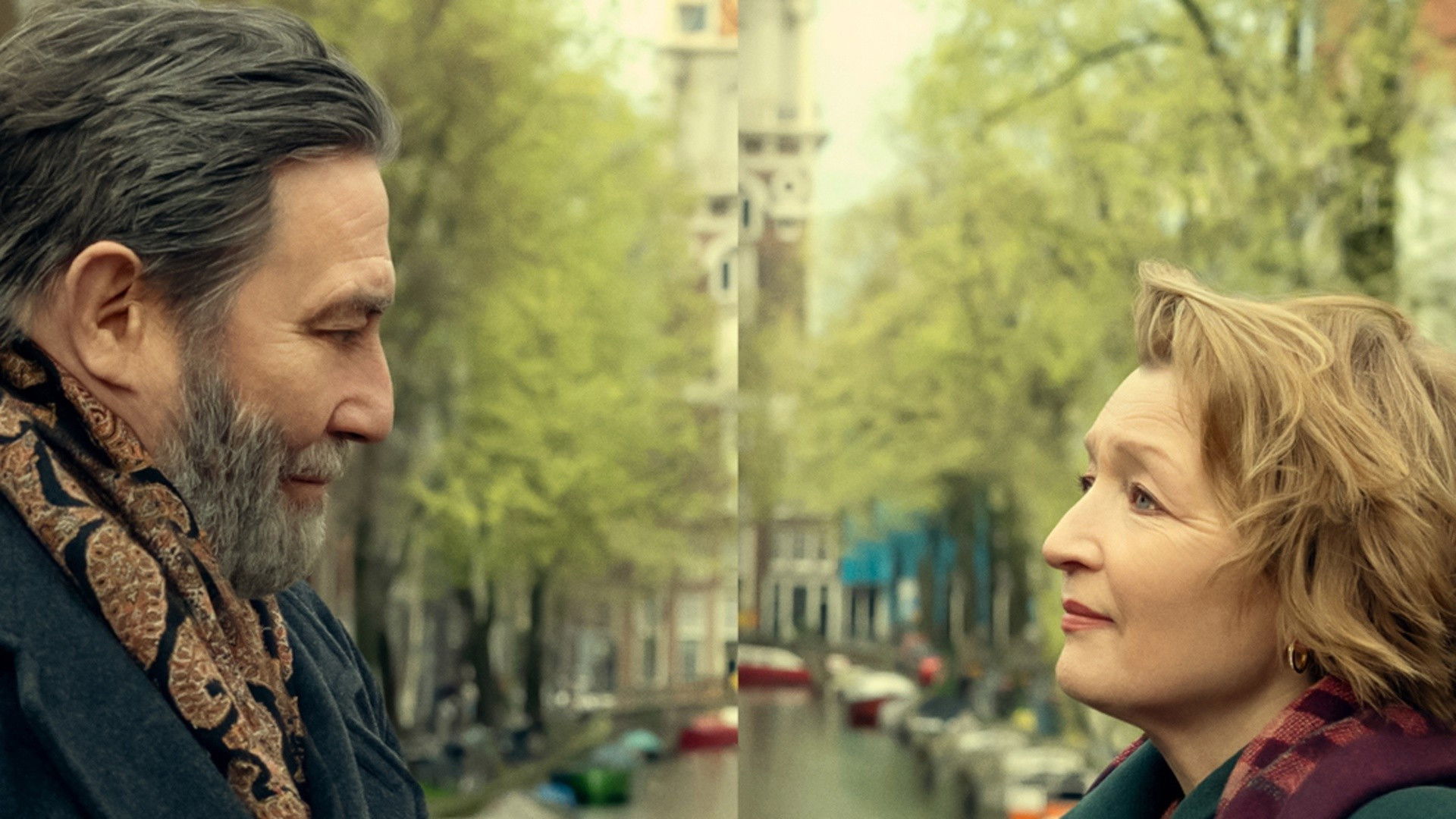
There’s something quietly magnetic about a film that promises to excavate the messy emotional terrain beneath an ordinary surface. Midwinter Break, scheduled for release on 2026-02-20, is shaping up to be exactly that kind of picture—the type that sneaks up on you precisely because it doesn’t announce itself with explosions or spectacle, but with the weight of accumulated silence and regret. With Polly Findlay directing and a cast featuring Lesley Manville, Ciarán Hinds, and Niamh Cusack, this is a project that’s already generating considerable buzz in the lead-up to its festival premiere at Glasgow Film Festival, and for good reason.
The setup is deceptively simple: a retired couple travels to Amsterdam for what should be a peaceful winter break. But as anyone who’s ever tried to escape their own history knows, geography doesn’t actually solve anything. The premise—drawn from Bernard MacLaverty’s novel of the same name—taps into something universally resonant about how the past has a way of materializing when we least expect it, particularly within the intimate space of a long marriage.
What makes this particularly exciting from a creative standpoint is the convergence of talent involved. Findlay, whose work in theatre and film has established her as a director with profound sensitivity to character and psychological complexity, brings a perspective that prioritizes the internal over the external. This isn’t a filmmaker interested in dramatic set pieces; rather, she’s drawn to the tremors beneath quiet moments, the unspoken negotiations between people who’ve spent decades together.
Consider what each member of this ensemble brings to the table:
- Lesley Manville has repeatedly demonstrated her capacity to convey entire emotional landscapes through the subtlest shifts in her performance—think of her work in Another Year or Phantom Thread
- Ciarán Hinds carries a particular gravitas and worldliness that suggests depth and lived experience
- Niamh Cusack brings intelligence and interiority to every role she inhabits
A day they can’t forget. A truth they can’t escape.
This tagline isn’t cryptic so much as it’s precise. It suggests that whatever surfaces during this Amsterdam interlude isn’t some manufactured plot twist, but rather something that was always there, waiting beneath the surface of their carefully maintained equilibrium.
The production itself carries legitimate weight behind it. The backing includes Film4 Productions (a consistent champion of intelligent adult drama), Shoebox Films, Family Affair Films, and an impressive international consortium of support including Randan Film and Television Productions and Screen Scotland. This kind of infrastructure matters because it signals that filmmakers and financiers alike believe in the value of character-driven narratives that trust their audiences to sit with discomfort and complexity.
What’s particularly intriguing is how this film fits into a broader conversation about cinema in 2026. In an landscape increasingly dominated by franchise tentpoles and formulaic content, there’s something radical about a film that’s willing to be quiet, introspective, and fundamentally concerned with emotional truth over narrative convenience. The mystery here isn’t what happens, but rather what it means—and what it costs to finally confront it.
The Glasgow Film Festival premiere adds another dimension to the anticipation:
- Festival premieres generate critical attention from serious film journalists and industry observers
- Scottish backing (through Screen Scotland’s involvement) creates regional pride and investment in the film’s success
- Timing in February 2026 places it strategically in awards consideration season, suggesting confidence in the material
- The festival context emphasizes artistic merit over commercial calculation
There’s also something worth noting about the fact that this currently sits at a 0.0/10 rating on most platforms—not because the film is poor, but simply because it hasn’t been released yet. Every viewer who eventually experiences it will be contributing to that score with genuine, informed perspective rather than hype or prejudgment. In a media environment saturated with discourse before films even premiere, there’s something almost refreshing about that blank slate.
Ultimately, what makes Midwinter Break matter—what makes it worth anticipating—is that it represents a commitment to cinema that values emotional intelligence, ensemble performance, and the belief that audiences are sophisticated enough to engage with ambiguity and introspection. It’s the kind of film that won’t necessarily dominate box office conversation, but it will haunt certain viewers long after they leave the theatre. It will become the film people recommend quietly to friends they think will understand it. And in a cultural moment where prestige filmmaking often feels embattled, that feels genuinely important.
The wait until February 20, 2026 will be worth it—not because of spectacle, but because of what Findlay, Manville, Hinds, and Cusack are promising us: a film that dares to suggest that sometimes the most dramatic truths are the quietest ones.