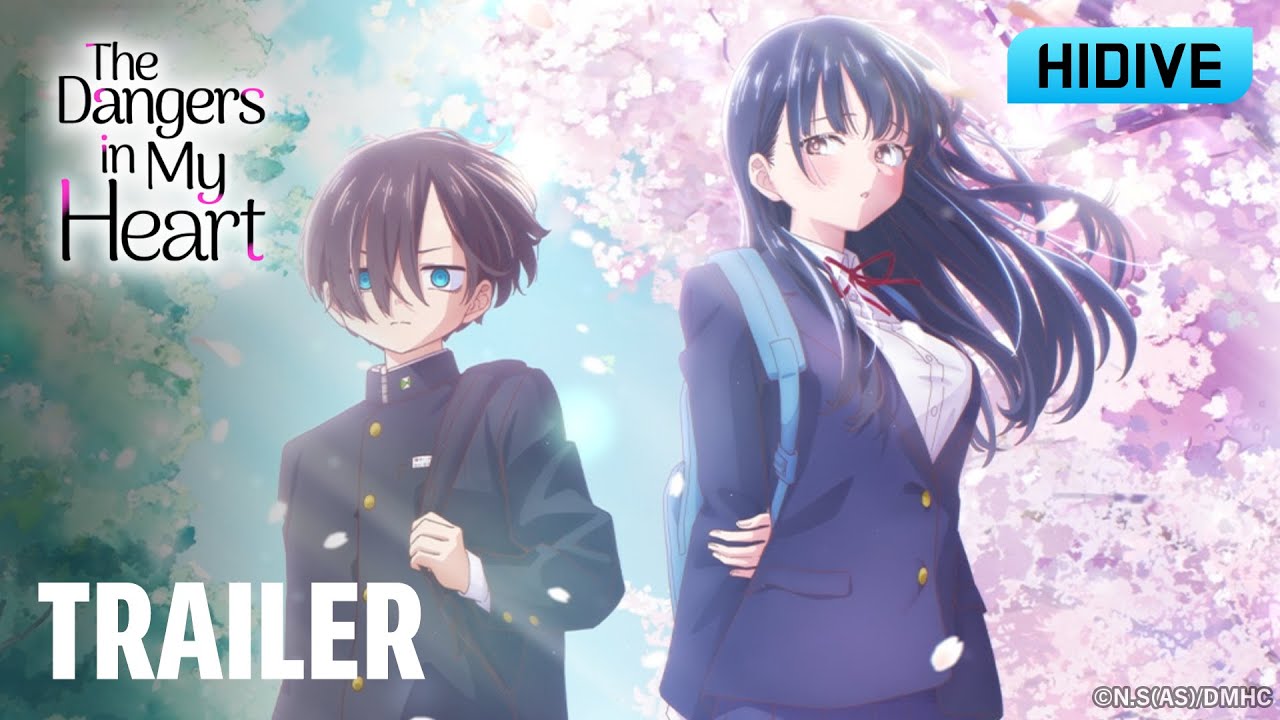
There’s something genuinely exciting happening in the anime film landscape right now, and The Dangers in My Heart: The Movie is poised to be at the center of it. Scheduled for theatrical release on February 13, 2026 in Japan, with U.S. screenings following just days later on February 16 and 18, this isn’t just another anime adaptation—it’s a carefully orchestrated global event that speaks to how far anime cinema has come in reaching international audiences. The fact that this film is being released across 26 countries and regions worldwide tells you everything you need to know about the confidence studios have in this project.
Let’s talk about what’s driving the anticipation before we even see the final product. Director Chen Dali is helming this adaptation, bringing a sensibility that could elevate the source material into something cinematically distinctive. The casting choices matter too—having Hina Youmiya, Shun Horie, and Yukari Tamura anchoring the voice performances suggests the producers understand that this romantic narrative needs emotional authenticity at its core. These aren’t random selections; they’re deliberate choices reflecting confidence in the material.
What we’re looking at here is a heavyweight collaboration behind the scenes. The production consortium reads like a who’s who of Japanese media power players:
- Shin-Ei Animation handling the animation production
- TV Asahi and BS Asahi providing broadcast infrastructure
- avex pictures, movic, and dentsu managing distribution and marketing
- Akita Shoten representing the original publisher
This kind of resource concentration doesn’t happen for projects producers believe will merely perform adequately.
The tagline “You discovered me…” carries real weight here—it hints at a narrative exploring vulnerability and emotional discovery, themes that resonate particularly well when translated to the big screen where intimacy and character become paramount.
The source material itself has already proven its appeal. Coming from an award-winning property, the film isn’t starting from zero—there’s an existing fanbase invested in these characters. However, the real challenge and opportunity lies in what Chen Dali and the team intend to add. A movie compilation with new scenes suggests this won’t be a simple “greatest hits” package. There’s expansion happening, narrative enrichment that could deepen what made audiences connect with the original story in the first place.
What makes this film particularly significant in the broader cinematic landscape:
- Global ambition at a scale that few anime films have attempted—this simultaneous international rollout signals shifting industry expectations
- Character-driven storytelling in a romance narrative, which requires voice acting that elevates beyond typical anime performance standards
- Theatrical commitment to romantic anime, a genre historically undervalued in theatrical spaces outside Japan
- Production scale that positions this as a prestige project rather than a quick cash-grab adaptation
Here’s something worth noting: despite the extensive production infrastructure and massive release scope, the film currently shows a 0.0/10 rating simply because it hasn’t been released yet. There are no votes, no reviews, no predetermined critical consensus. That’s actually refreshing. We’re approaching this film with genuine anticipation rather than predetermined expectations. The blank slate is an opportunity for the final product to define itself on its own terms.
The romantic anime film space has been underexplored cinematically. Most anime adaptations lean toward action franchises or existing blockbuster properties. Romance narratives, particularly those exploring the delicate emotional territory suggested by “The Dangers in My Heart,” require a different kind of directorial touch. They need restraint, nuance, and the ability to convey attraction and connection through subtlety rather than spectacle. Chen Dali’s vision will be crucial here—can he bring cinematic language to these intimate moments without losing what made the original resonant?
The voice cast deserves particular attention. Hina Youmiya and Shun Horie carry the emotional weight of a romance narrative that lives or dies by whether audiences believe in the connection between their characters. Yukari Tamura’s involvement adds another dimension to the ensemble. These performers will need to convey depth beyond dialogue—tone, hesitation, the unspoken thoughts that define romantic tension. In anime, where voice acting often operates in a different register than live-action, that challenge becomes even more pronounced.
What’s happening with this February 2026 release is more significant than a single film reaching theaters. It represents an industry confidence in anime cinema’s ability to compete globally, to tell stories beyond the familiar action-adventure template, and to do so with production values and creative intention that match the ambition. The international screening strategy suggests distributors believe there’s genuine appetite for this kind of content across markets that traditionally favored different genres.
As we wait for February 13, 2026, the question isn’t whether this film will find an audience—the global release strategy already answers that. The real question is whether it will justify the confidence invested in it, whether Chen Dali’s direction will crystallize something meaningful from the source material, and whether audiences internationally will connect with a story about emotional discovery and vulnerability. That’s where the real conversation will begin. For now, we’re in the anticipation phase, and that itself feels significant.