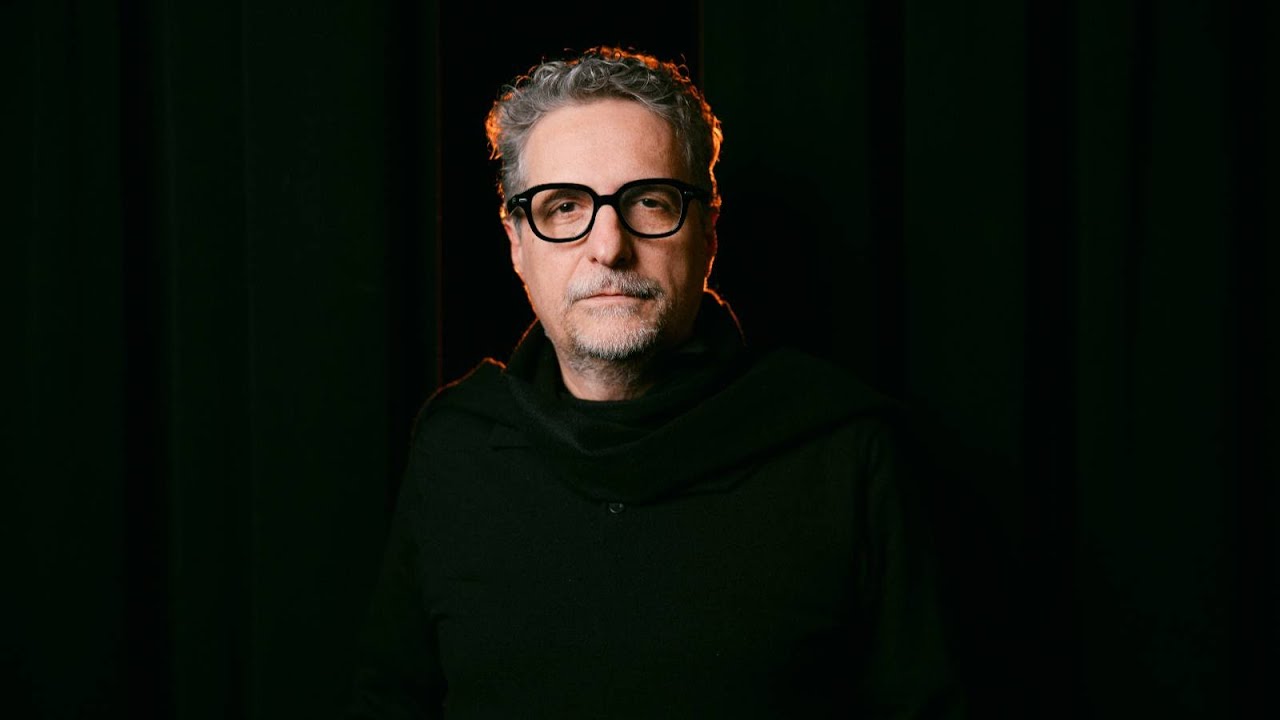
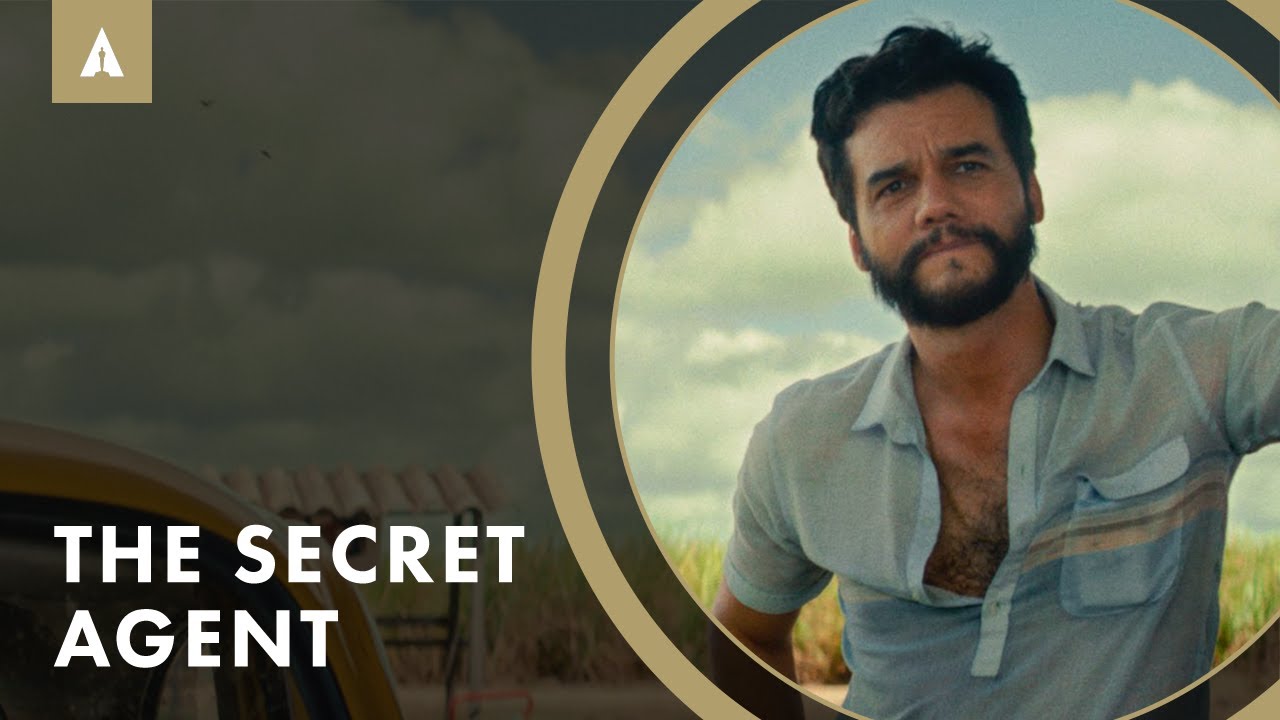
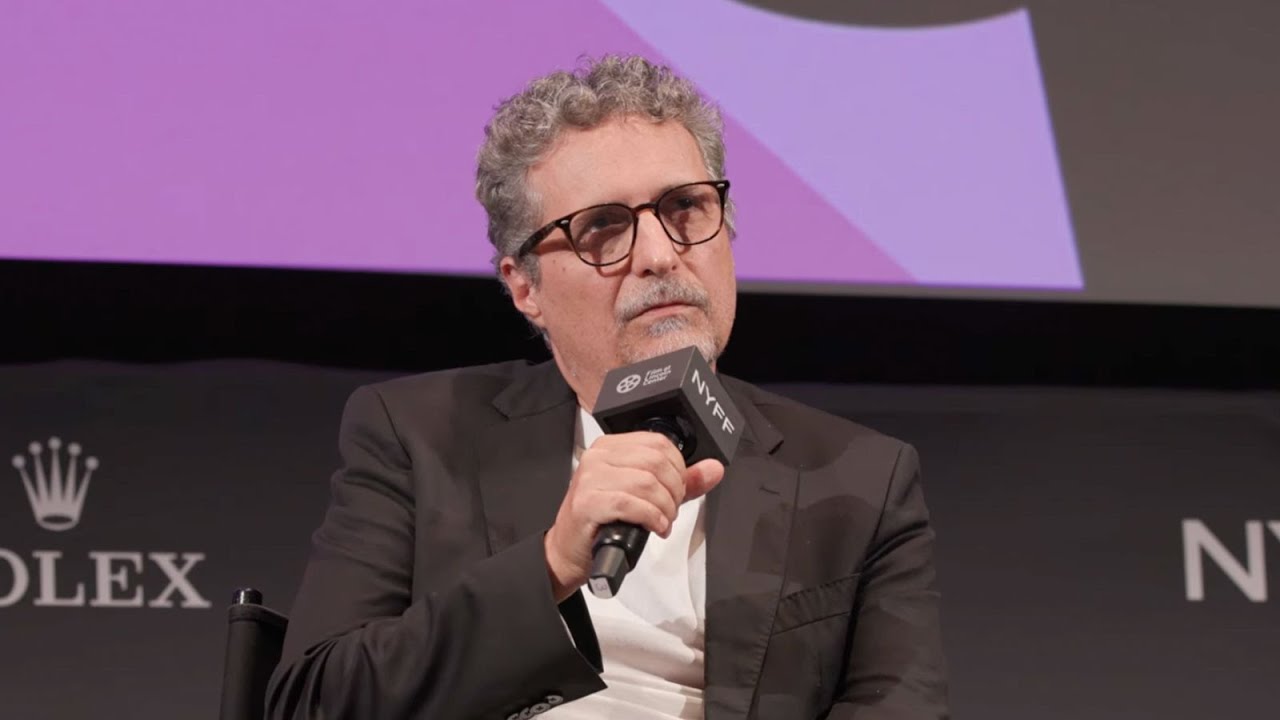
When The Secret Agent was released in July 2025, it arrived as a quiet but consequential film—one of those rare Brazilian cinema exports that managed to break through internationally while maintaining the gritty authenticity that made it resonate at home. Director Kleber Mendonça Filho crafted something that feels both deeply rooted in a specific moment of Brazilian history and universally compelling as a meditation on power, complicity, and moral compromise. It’s the kind of film that doesn’t need massive marketing budgets to find its audience, and its box office performance tells that story perfectly.
Brazil 1977, a time of great mischief. That tagline captures everything you need to know about what Mendonça Filho wanted to explore—a period when the country’s military dictatorship was consolidating power through surveillance, intimidation, and strategic betrayals. But this isn’t a historical lecture wrapped in cinematic language. It’s personal, intimate, and unsettlingly human.
The film’s financial journey is genuinely fascinating. Working with a lean $5 million budget, Mendonça Filho and his international production team—including French and German co-producers through ARTE France Cinéma—managed to gross $5.457 million worldwide. That’s not blockbuster territory, but it’s something far more meaningful: it’s proof of concept. It demonstrates that a 2-hour-41-minute political thriller in Portuguese, about a specific historical moment, could find audiences across continents. The film topped the Brazilian box office on its opening weekend with 273,000 admissions, and later crossed the $1 million mark at the U.S. box office alone—a genuinely rare achievement for Brazilian cinema in North America.
What’s remarkable about these numbers isn’t just the profit margin. It’s what they suggest about audience hunger for cinema that takes risks. In an era of franchise fatigue and algorithmic storytelling, here’s a film that demands your full attention for nearly three hours, trusts you to sit with moral ambiguity, and refuses easy answers. The 7.7/10 rating from critics reflects this complexity—it’s not a consensus-pleaser, but a film that provokes debate rather than seeking universal approval.
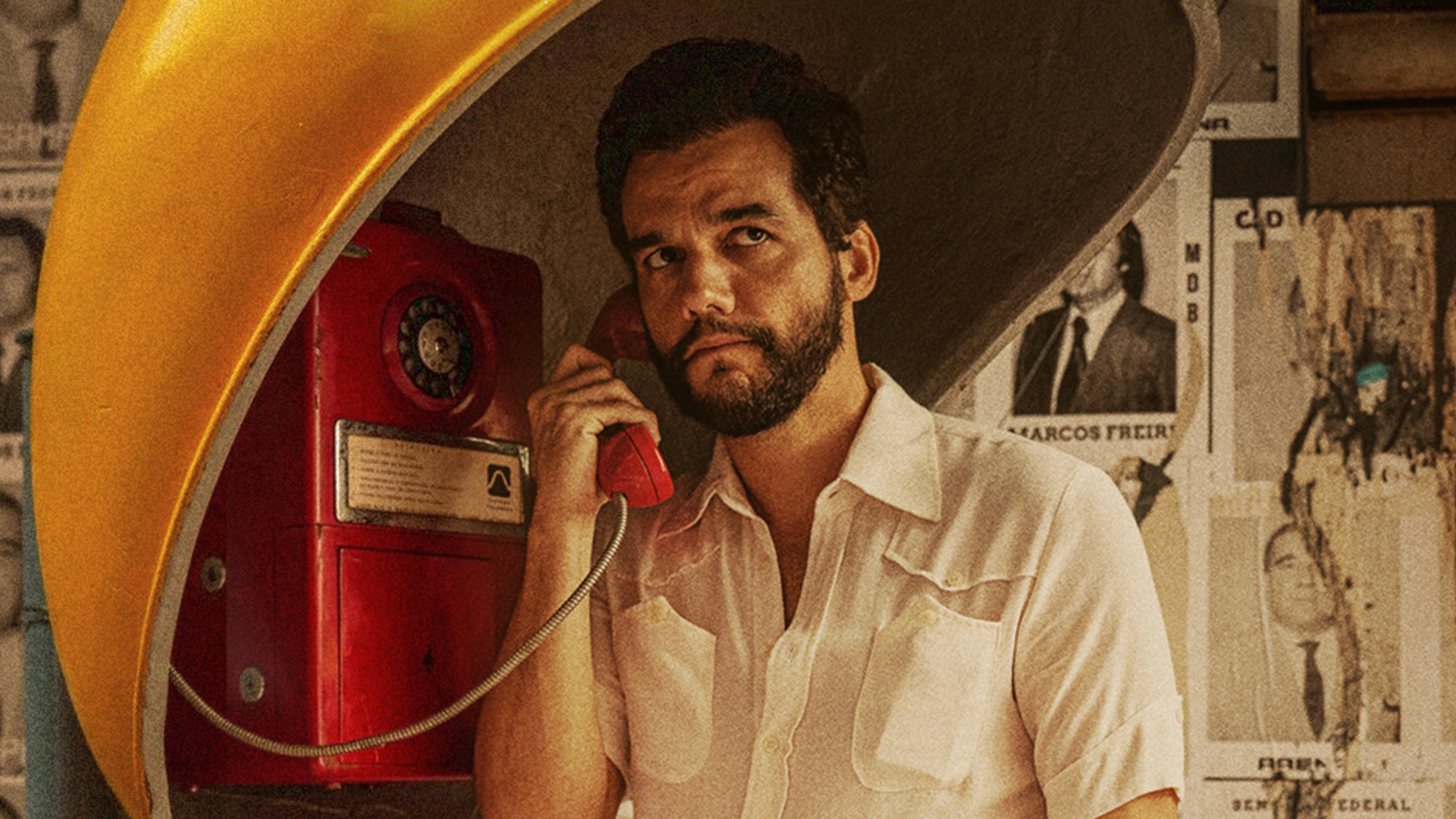
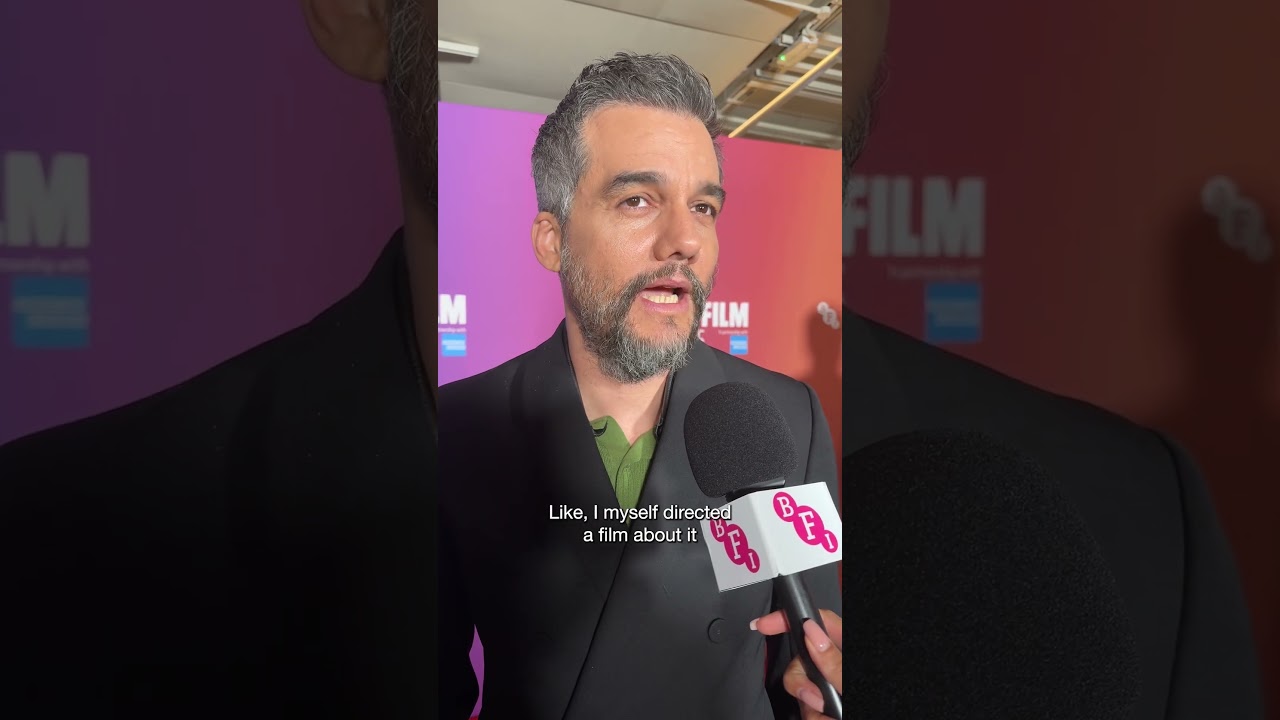
At the heart of The Secret Agent is Wagner Moura, an actor who’s become increasingly selective about his roles since his breakthrough in City of God. There’s something essential about his presence here—he carries the weight of complicity with an almost unbearable naturalism. Moura isn’t playing a hero wrestling with conscience. He’s playing someone already compromised, already entangled, moving through a system that demands constant small betrayals. Alongside him, Carlos Francisco and Tânia Maria create a supporting ensemble that feels lived-in rather than constructed, grounding the political intrigue in genuine human relationships.
The creative collaboration between Mendonça Filho and this ensemble was the film’s secret weapon. Rather than highlighting individual performances, the director created space for actors to inhabit their roles with the kind of specificity that makes even quiet moments carry weight. There’s no grandstanding, no theatrical villainy—just people making choices within impossible circumstances.
What Mendonça Filho brings to the crime-thriller-drama intersection is particularly significant:
- Historical specificity transformed into universal moral questions
- Methodical pacing that builds dread through implication rather than action
- Visual language that mirrors the opacity of institutional power
- Refusal to sentimentalize either heroism or resistance
- Investment in the texture of everyday life under surveillance
The National Society of Film Critics recognized something important here, nominating the film for Best Film and Moura for Best Actor in 2026. These recognitions matter not because they validate the work—the work validates itself—but because they signal that international critical communities were paying attention. This wasn’t a film that sneaked into festival circuits and disappeared. It commanded serious critical engagement.
What makes The Secret Agent endure isn’t its immediate accessibility. It’s the way it trusts audiences to grapple with moral complexity without offering cathartic resolution. The film understands that the most insidious systems of control aren’t dramatic—they’re bureaucratic, mundane, and deeply human in their implementation.
In the landscape of contemporary cinema, especially within the political thriller space, The Secret Agent represents something increasingly rare: a film about power that understands power operates through subtlety rather than spectacle. It emerged in a moment when global audiences seem hungry for stories that interrogate institutional complicity and personal compromise, yet it never descends into didacticism or heavy-handed symbolism.
The international co-production structure—involving studios across Brazil, France, Germany, and beyond—also signals something important about how cinema operates in 2025. Mendonça Filho’s vision found partners who trusted the material enough to back it across borders. In an industry increasingly obsessed with globalized appeal and built-in audience familiarity, this film succeeded by being specifically Brazilian while exploring themes that resonate everywhere: the erosion of individual agency, the seduction of complicity, the price of survival.
For viewers discovering The Secret Agent now, it’s worth approaching with patience. This isn’t a film designed for distracted viewing or quick consumption. Its nearly 163-minute runtime isn’t bloat—it’s the duration required to fully inhabit this world and understand the slow moral compromises that define it. That deliberateness, that refusal to rush, is increasingly countercultural. And maybe that’s precisely why it matters. Mendonça Filho created something that insists we take time, pay attention, and sit with discomfort.


![Official Trailer [Subtitled]](https://img.youtube.com/vi/9UfrzDKrhEc/maxresdefault.jpg)
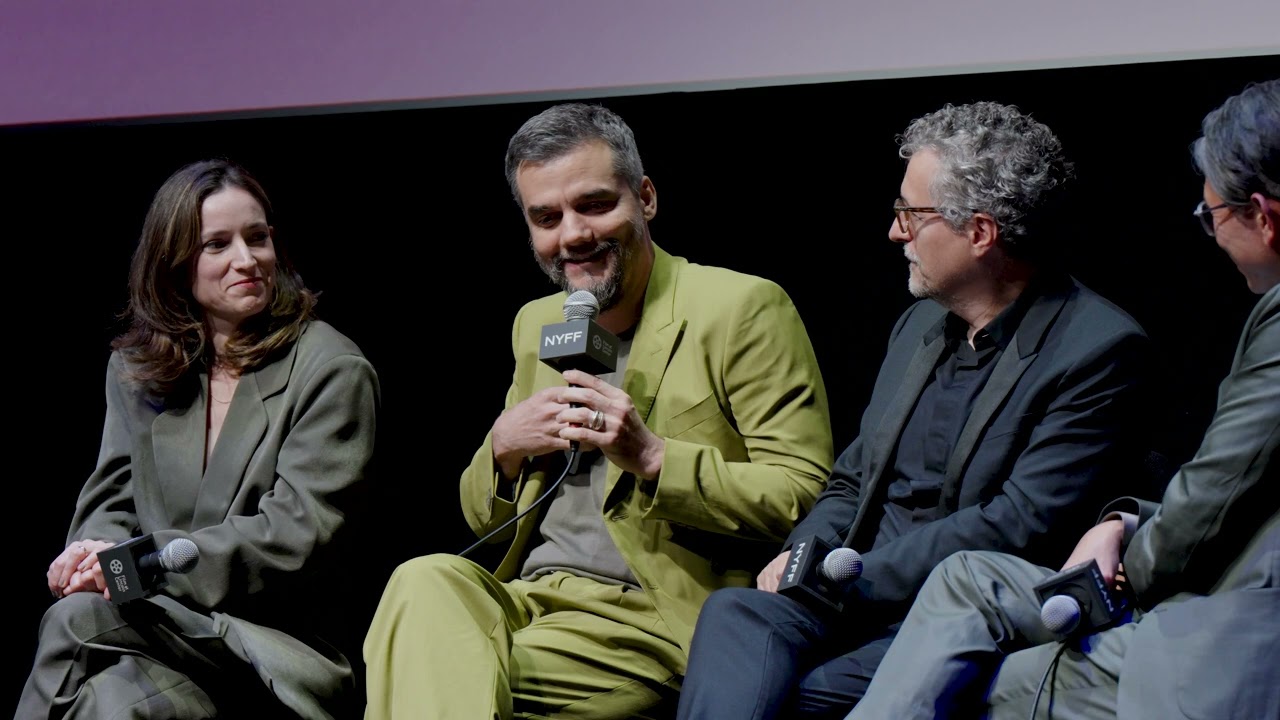
![Official Teaser Trailer [Subtitled]](https://img.youtube.com/vi/0nNAVGX8n7w/maxresdefault.jpg)

![Press Clip [Subtitled]](https://img.youtube.com/vi/pprqFcZJheU/maxresdefault.jpg)