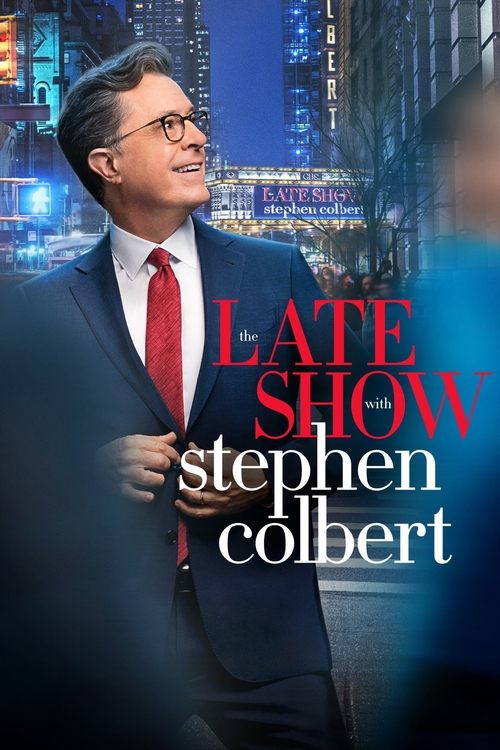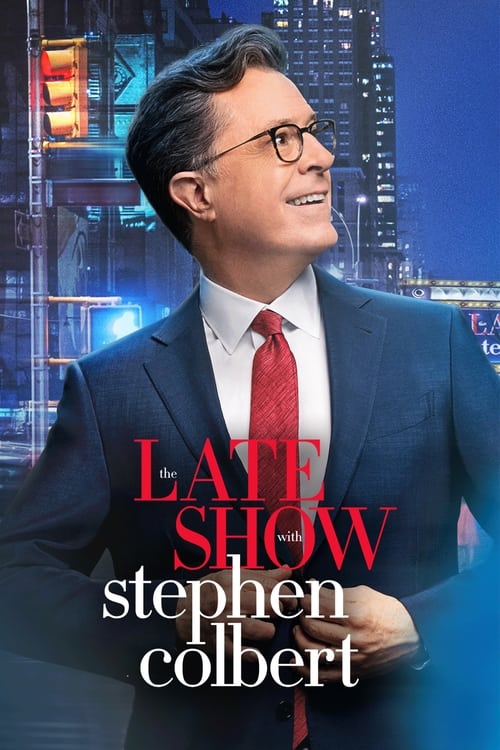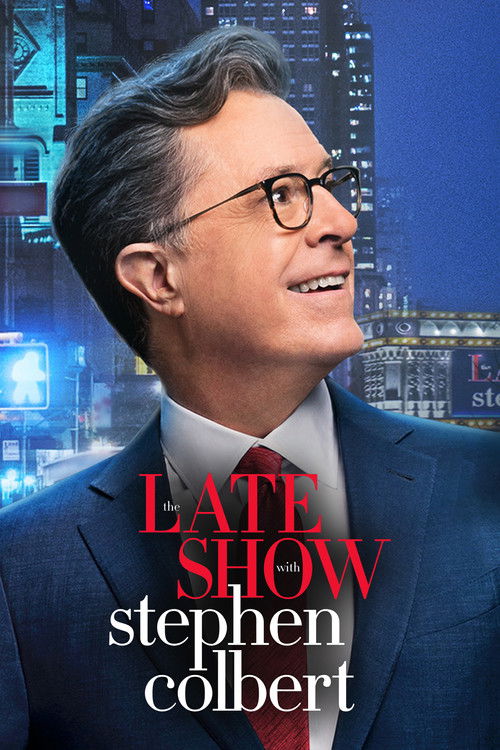
When The Late Show with Stephen Colbert premiered on September 8, 2015, it arrived with genuine momentum and purpose. Stephen Colbert had spent nearly a decade building a devoted fanbase through The Colbert Report, and there was real curiosity about what he’d do with a traditional late-night platform. What emerged over the past nine-plus years wasn’t just another talk show cycling through celebrity interviews and monologues—it became something far more culturally resonant, a program that fundamentally understood how to blend sharp political commentary with genuine entertainment in an era of unprecedented division.
The 172% ratings spike from Colbert’s debut signaled immediate audience hunger for his particular brand of hosting. People weren’t just tuning in for celebrity; they were tuning in for him.
The creative vision behind the show—developed by Jon Stewart, Tom Purcell, Chris Licht, and Colbert himself—was deceptively ambitious. Rather than reinvent late-night television wholesale, they thoughtfully adapted what made Colbert’s previous work compelling. The show needed to feel timely without becoming a news broadcast, funny without sacrificing substance, and accessible to CBS’s broad demographic while still engaging the politically aware viewers who’d followed Colbert’s career.
What makes The Late Show endure across 11 seasons and 1,755 episodes is this balancing act. While the show’s overall 6.2/10 rating might seem modest at first glance, it actually reflects something important: this isn’t comfort-food television. Colbert’s audience comes expecting engagement, not passive viewing. The ratings trajectory tells a revealing story—the show hit peaks in Seasons 3 and 4 (both 6.6) during politically charged periods, then settled into a sustainable 5.7-6.1 range. This consistency, across a landscape where most shows hemorrhage viewers after their first season, speaks to genuine loyalty rather than novelty appeal.
The format’s flexibility—with episodes running at an undetermined runtime rather than strict 23-minute or 44-minute slots—allowed Colbert and his writers to breathe. When a segment demanded ten minutes, they took it. When a guest needed space, they provided it. This responsive approach to pacing became one of the show’s defining characteristics, particularly during major news cycles or when celebrity guests brought compelling stories.
What truly separated this show from its competitors came down to Colbert’s monologues. Night after night, he distilled complex political moments into sharp, accessible commentary that respected his audience’s intelligence while remaining genuinely entertaining. Whether discussing election cycles, Supreme Court decisions, or legislative drama, Colbert found the comedic pressure points without punching down. His monologues became appointment viewing—people quoted them, shared clips, discussed them the next day.
The cultural moments that emerged from this show extended far beyond the studio:
- The 2020 election coverage transformed the late-night space into something resembling political journalism, with Colbert’s opening segments providing crucial context
- The Trump impeachment hearings found Colbert translating legal complexity into digestible narrative
- Pandemic-era programming when the show pivoted to empty studio broadcasts, somehow becoming more intimate and powerful
- Interview moments where guests opened up in ways rarely seen on mainstream television, from political figures discussing personal struggles to musicians debuting new material
What’s particularly striking is how The Late Show influenced the broader late-night ecosystem. When Colbert demonstrated that audiences would show up for substantive political discussion wrapped in comedy, it shifted expectations industry-wide. Other late-night hosts adjusted their own approaches, focusing more on topical depth. That’s not coincidental—that’s the mark of a show that actually mattered.
The supporting cast and production team deserve equal credit. The band, the writers, the production crew all worked in service of Colbert’s vision, but they elevated it significantly. Late-night talk shows live or die by their supporting infrastructure, and The Late Show assembled and maintained an exceptionally talented group across 11 seasons.
As of now, the show maintains 0.83% of total TV viewership and ranks 10th on CBS—remarkable staying power in an era of fractured audiences and streaming alternatives.
Here’s what observers often overlook about the show’s lasting achievement:
- Consistency in an inconsistent era – Most scripted shows have become increasingly difficult to sustain; a talk show carrying genuine cultural weight for over a decade is genuinely rare
- The bridge between generations – Colbert appealed to traditional CBS viewers while commanding attention from younger, digitally-native audiences discovering clips online
- Adaptability without losing identity – The show evolved from Trump-era politics to pandemic coverage to Biden administration coverage while maintaining its essential character
- Platform building – The Late Show became a launching pad, a place where emerging voices and established figures alike knew they’d be treated with intelligence
The show’s status as a Returning Series after nine seasons demonstrates that networks and streaming platforms (available across fuboTV, Paramount Plus, and Apple TV Channel) recognize its value. This isn’t a show coasting on nostalgia or habit. It’s renewed because audiences keep choosing it, because advertisers recognize its audience quality, and because Colbert continues bringing fresh energy to the format.
For television enthusiasts considering the show’s legacy, the question isn’t whether it’s objectively “great” by every metric—ratings numbers are more modest than peak cable prestige television. Rather, The Late Show with Stephen Colbert represents something increasingly rare: a mainstream network program that respects its audience’s intelligence while remaining genuinely entertaining, that reflects real political moments while maintaining comedic heart, and that has somehow sustained relevance for nearly a decade in real time. In late-night television, that’s not just notable—that’s an achievement worth watching.