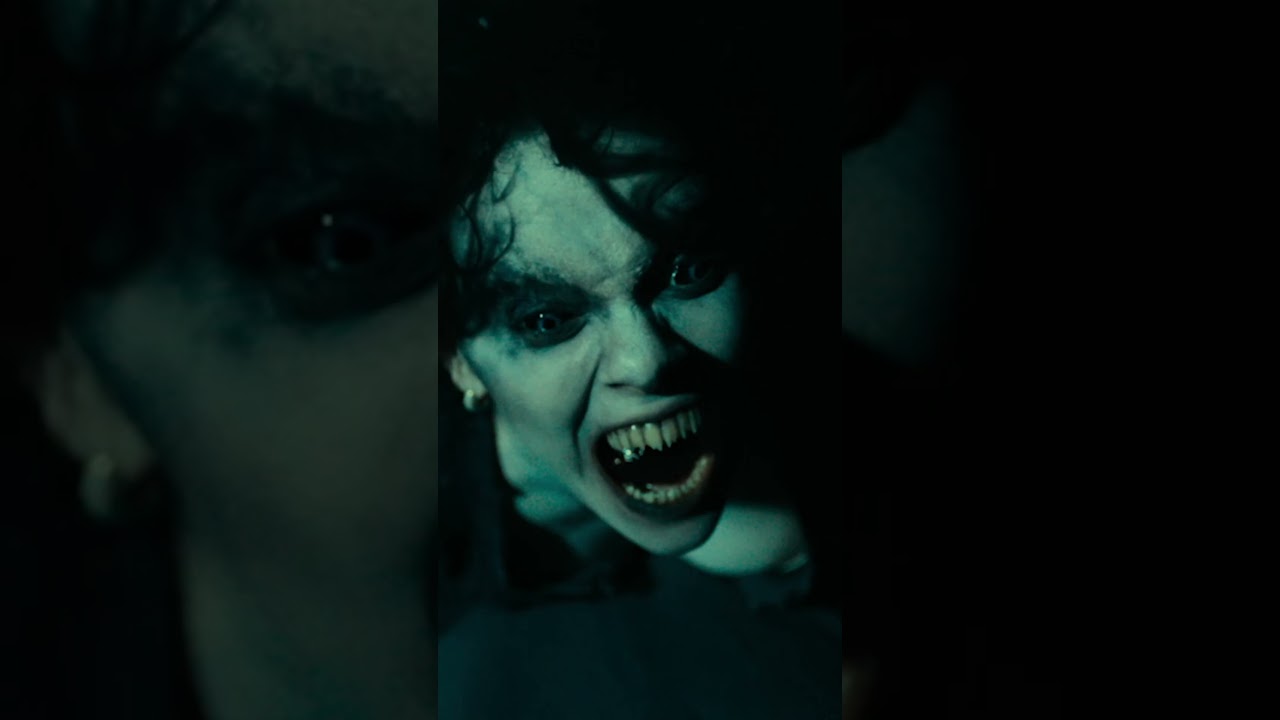
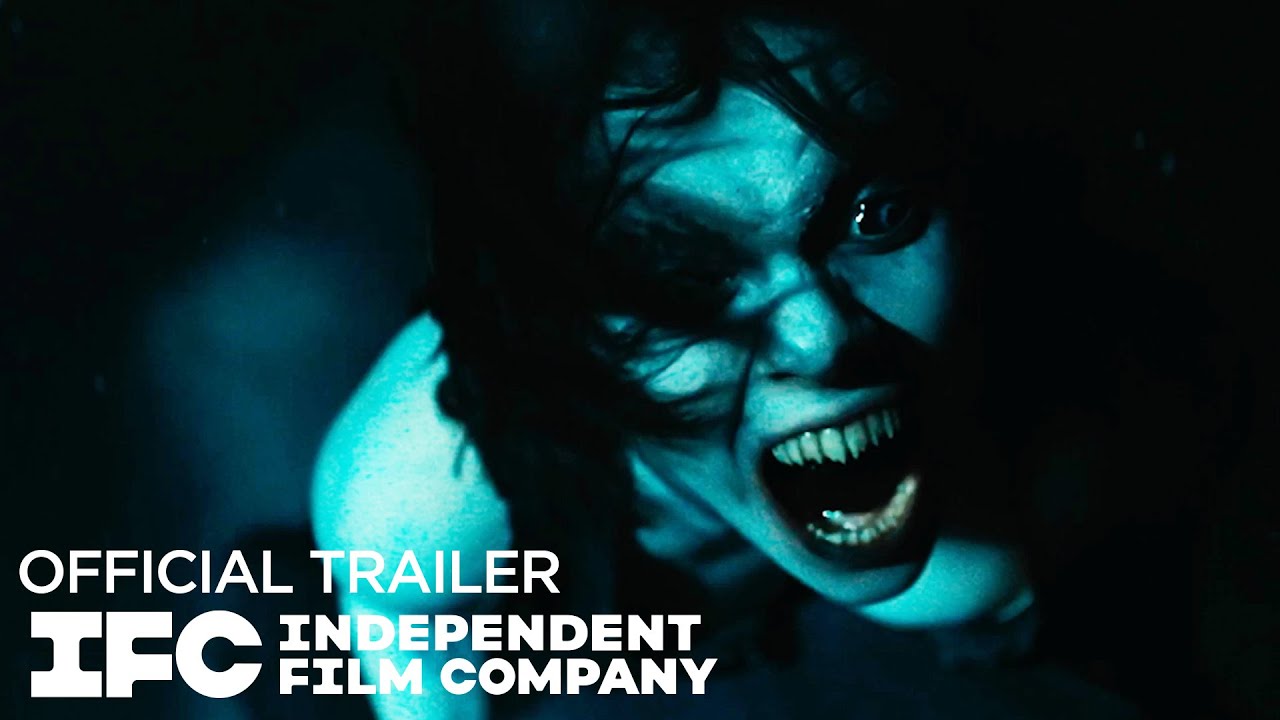
There’s something quietly unsettling about a film called Whistle that arrives with barely a whisper of fanfare. Yet here we are, approaching February 5, 2026, when this horror-mystery collaboration from director Corin Hardy is set to release, and the anticipation surrounding it feels distinctly different from the usual prestige horror machine.
This isn’t a franchise revival or a remake banking on nostalgia. This is something altogether more intriguing—a fresh vision from a filmmaker who’s already proven he understands how to craft dread.
Let’s start with who’s behind the camera, because Corin Hardy isn’t just any horror director. He’s the visionary who brought us The Nun, demonstrating an almost surgical ability to weaponize atmosphere and religious iconography into something genuinely terrifying.
With Whistle, he’s bringing that same precision to what appears to be a more intimate, personal horror story. The film earned its world premiere at Fantastic Fest in Austin back in September 2025, which tells you something important about its pedigree—that’s not a festival that settles for generic scares.
The casting here is where things get really interesting, and this is worth sitting with for a moment.
Dafne Keen carries this film, and if you’ve been paying attention to her career trajectory, you know she’s become one of the most compelling actors working in genre material. She has this uncanny ability to convey vulnerability and steel simultaneously—exactly the kind of complex presence a film called Whistle seems to demand. Alongside her, Sophie Nélisse and Sky Yang round out a remarkably economical cast, suggesting this is a chamber piece of sorts, a story where relationships matter more than spectacle.
The pairing of Hardy’s directorial precision with Keen’s raw emotional intelligence suggests Whistle is aiming for something deeper than your standard jump-scare horror.
What makes this film genuinely anticipated, despite the fact that it won’t arrive until early 2026, is the trajectory of its distribution. Shudder and Independent Film Company acquiring US rights signals real confidence in the material.
Shudder doesn’t pick up films lightly—they’ve built their entire brand on curating horror with substance, the kind that respects its audience’s intelligence. That acquisition alone tells us the creative team believes Whistle has something meaningful to say within the horror genre.
The structural elements worth considering as we wait for release are these:
- A lean 1 hour 40 minute runtime that suggests disciplined storytelling without filler
- The mystery element woven into pure horror, suggesting this isn’t just about jump scares but about piecing together something darker
- The cryptic tagline—”Don’t blow it”—which hints at agency and consequence in ways that feel deliberately provocative
- Intimate ensemble cast that allows for character work rather than depending on elaborate set pieces
There’s a particular cultural moment for a film like this, too. We’re living through an era where horror has become increasingly introspective and personal. The days of horror as pure spectacle have given way to films that weaponize intimacy and psychological tension. Hardy clearly understands this shift. He’s not interested in showing you monsters—he’s interested in what happens in the spaces between people when something inexplicable enters their world.
The mystery component is what separates Whistle from being just another entry in the current horror landscape. So many contemporary horror films lean entirely on atmosphere and dread, which is fine, but adding genuine narrative intrigue—a puzzle to solve rather than just an experience to endure—suggests Hardy and his team are aiming for something with rewatch value. You’ll want to revisit this, looking for clues you missed the first time.
One thing worth noting as we approach the February 5, 2026 release is that early critical reception hasn’t yet solidified. The 0.0/10 rating reflects simply that votes haven’t accumulated yet, which means Whistle exists in this fascinating state of pure potential. There’s no consensus to argue against, no polarized discourse to navigate. For film lovers, that’s actually thrilling—the chance to experience something without predetermined critical narratives.
The production itself carries quiet legitimacy. No Trace Camping and Wild Atlantic Pictures as production companies might not be household names, but they represent the kind of lean, focused independent horror infrastructure that’s been producing some of the decade’s most vital genre work. These aren’t studios looking for franchise potential. They’re filmmakers interested in telling specific, contained stories with precision.
What Whistle ultimately represents is something increasingly rare in contemporary cinema: a horror film built on craft rather than IP, on character rather than concept, on mystery rather than mere shock. Corin Hardy has already proven he can deliver scares. This project suggests he’s now interested in delivering something more—something that will linger in your mind long after the credits roll. That’s why we’re paying attention months before release. That’s why this matters.