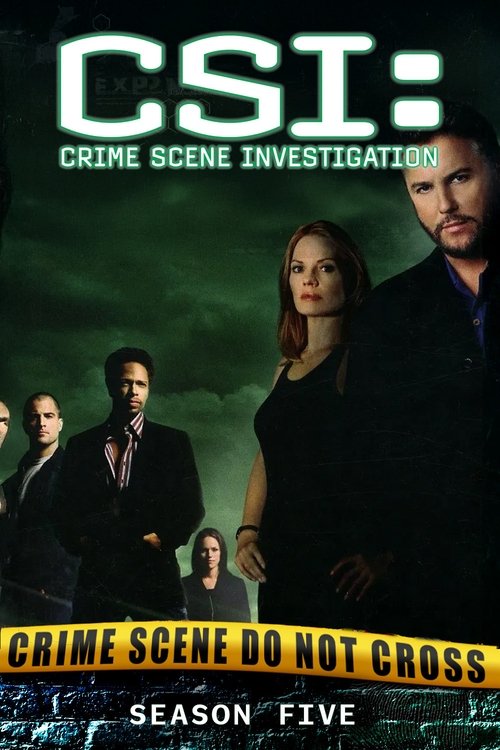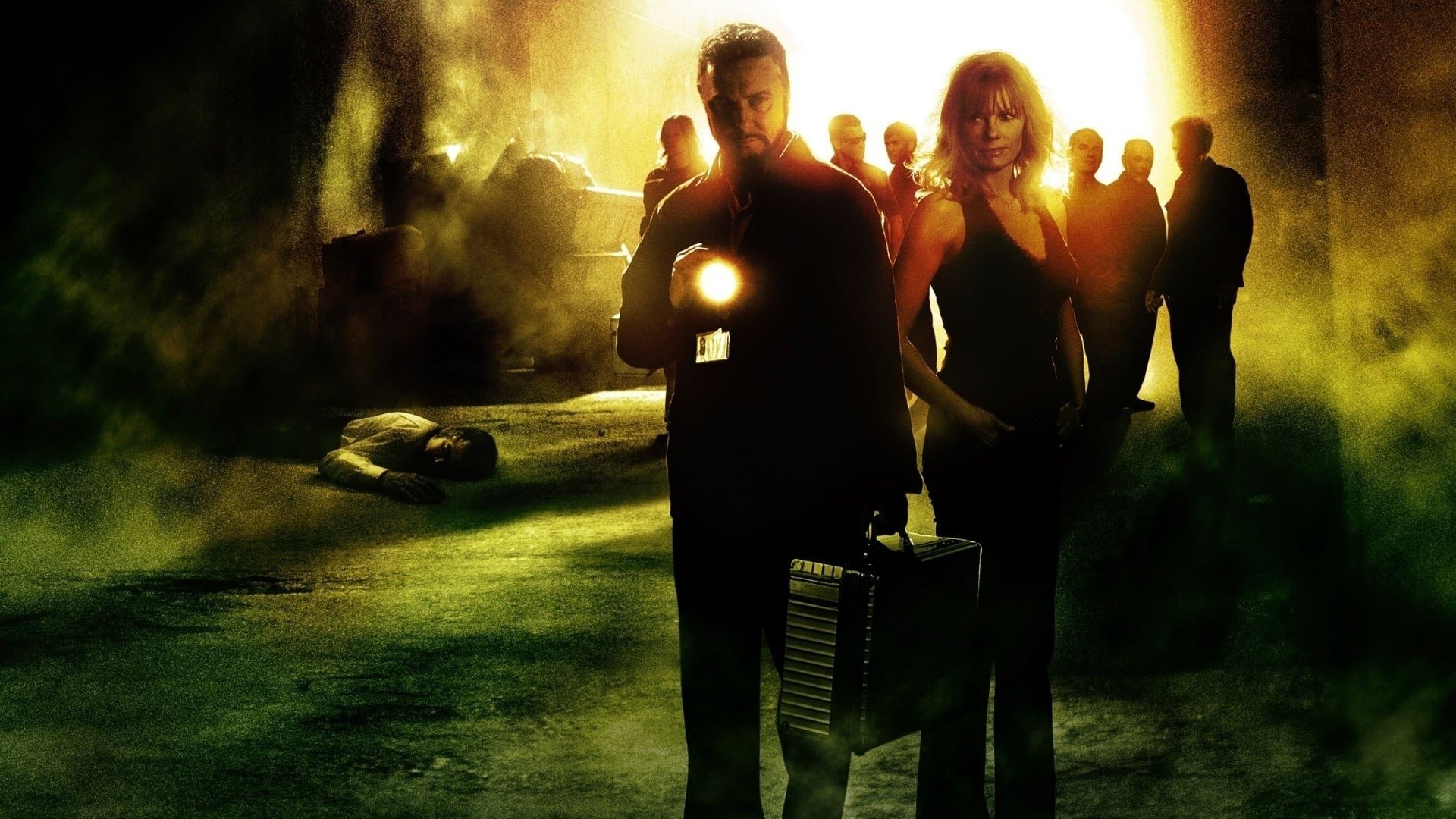
When CSI: Crime Scene Investigation premiered on CBS back on October 6, 2000, nobody quite knew they were witnessing the birth of a phenomenon that would redefine procedural television for over a decade. What creators Ann Donahue and Anthony E. Zuiker launched wasn’t just another cop show—it was a fundamental shift in how television audiences wanted to experience crime drama. Instead of focusing primarily on detectives chasing suspects through the streets, CSI made forensic science itself the star, transforming labs and evidence into the narrative engine that drove each episode. This perspective was genuinely revolutionary at the time, and it’s easy to understand why the show captured such massive audience attention right out of the gate.
The genius of CSI’s approach lies in how it transformed the 43-minute episode format into something really special. Each installment functioned almost like a puzzle box—meticulous, methodical, and deeply satisfying when the final pieces clicked into place. That runtime gave the writers and directors enough breathing room to establish crime scenes, develop investigative threads, and build genuine suspense without feeling rushed. The show proved that crime procedurals didn’t need flashy action sequences to be compelling; they just needed smart storytelling and the right perspective on how mysteries actually get solved.
What made CSI particularly influential on the television landscape was its ability to sustain engagement across 15 seasons and 335 episodes. That’s an enormous commitment from both creators and audiences, and the show largely delivered throughout its run. The rating of 7.6/10 might seem modest on its surface, but it’s actually quite respectable for a show that aired for over a decade—maintaining that level of viewer approval across such a long stretch speaks to consistent quality.
The cultural impact of CSI extended far beyond television ratings:
- Sparked genuine conversations about forensic science and investigative methodology that reached real classrooms and police academies
- Created iconic character dynamics that viewers debated and loved across multiple seasons and spinoffs
- Influenced how crime procedurals were structured across the industry—the formula the show perfected became the template countless shows attempted to replicate
- Generated a massive international fanbase with the show streaming on multiple platforms long after its conclusion
The show’s lasting achievement wasn’t just that it was entertaining—it fundamentally changed how audiences understood crime investigation and forensic science.
Gil Grissom, portrayed with brilliant eccentricity, became the centerpiece of the show’s identity. His character—the brilliant, slightly odd veteran who could read evidence like poetry—resonated with audiences precisely because he was unconventional. He wasn’t the typical action-hero detective; he was quieter, more observant, and infinitely more interesting. The supporting cast brought their own compelling dimensions too, creating a team dynamic that made viewers genuinely invested in their professional and personal journeys.
The show’s ability to tell complete stories within individual episodes while also weaving longer narrative arcs was particularly masterful. Some of the most memorable moments came from the way seemingly routine cases would take unexpected turns, or how characters would face personal crises that reflected their professional obsessions. That balance kept the show feeling fresh even as it maintained its core formula across all those seasons.
What’s particularly fascinating about CSI’s longevity is how it managed the challenge of evolving without losing its identity. Sure, cast changes happened, and the show’s tone shifted slightly over fifteen seasons, but the fundamental appeal—meticulous investigation, clever plotting, and respect for forensic methodology—remained constant. That consistency is actually harder to maintain than critics sometimes give credit for.
The show’s influence on popular culture extended into genuine real-world impact. There’s actually documented evidence of what became known as the “CSI Effect”—where juries began expecting high-quality forensic evidence in actual court cases, directly influenced by watching the show. Whether you view that as positive or problematic, it’s undeniable proof of how deeply CSI embedded itself into the cultural conversation.
Looking back at the journey from that October 2000 premiere through the show’s conclusion, CSI: Crime Scene Investigation stands as a remarkable achievement in television storytelling:
- Innovation – Changed how crime dramas approached their central mystery
- Longevity – Sustained quality and audience engagement across 335 episodes
- Cultural Significance – Influenced both television and real-world conversations about forensic investigation
- Creative Vision – Proved that meticulous, science-based storytelling could be just as gripping as action-heavy alternatives
The show’s legacy lives on through streaming availability on Hulu, Paramount Plus, and various other platforms where new audiences continue discovering it. That’s perhaps the best testament to what Donahue and Zuiker created—content that doesn’t feel dated, that rewards rewatching, and that still demonstrates why audiences fell in love with the concept of solving crimes through evidence rather than intuition.