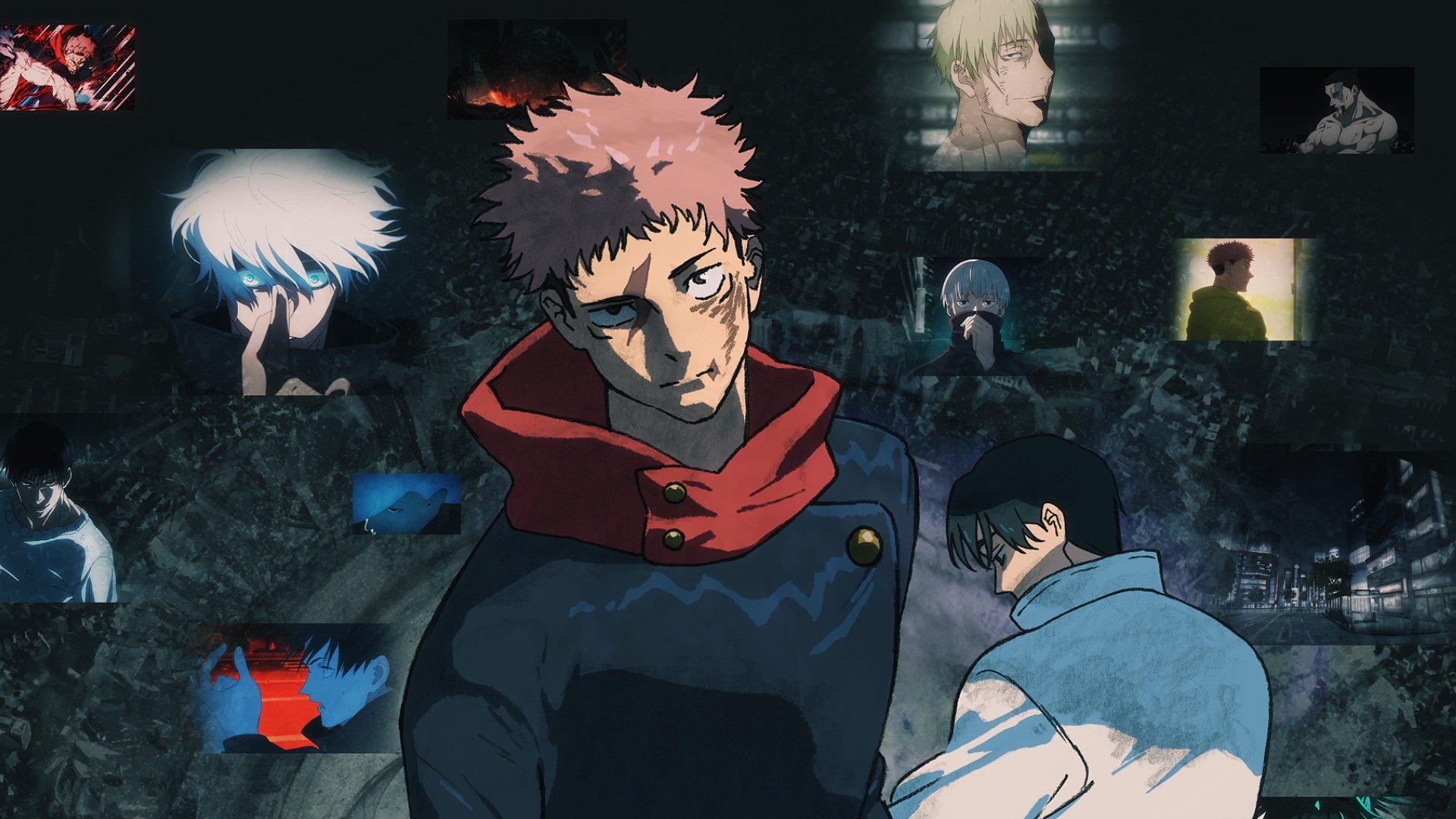
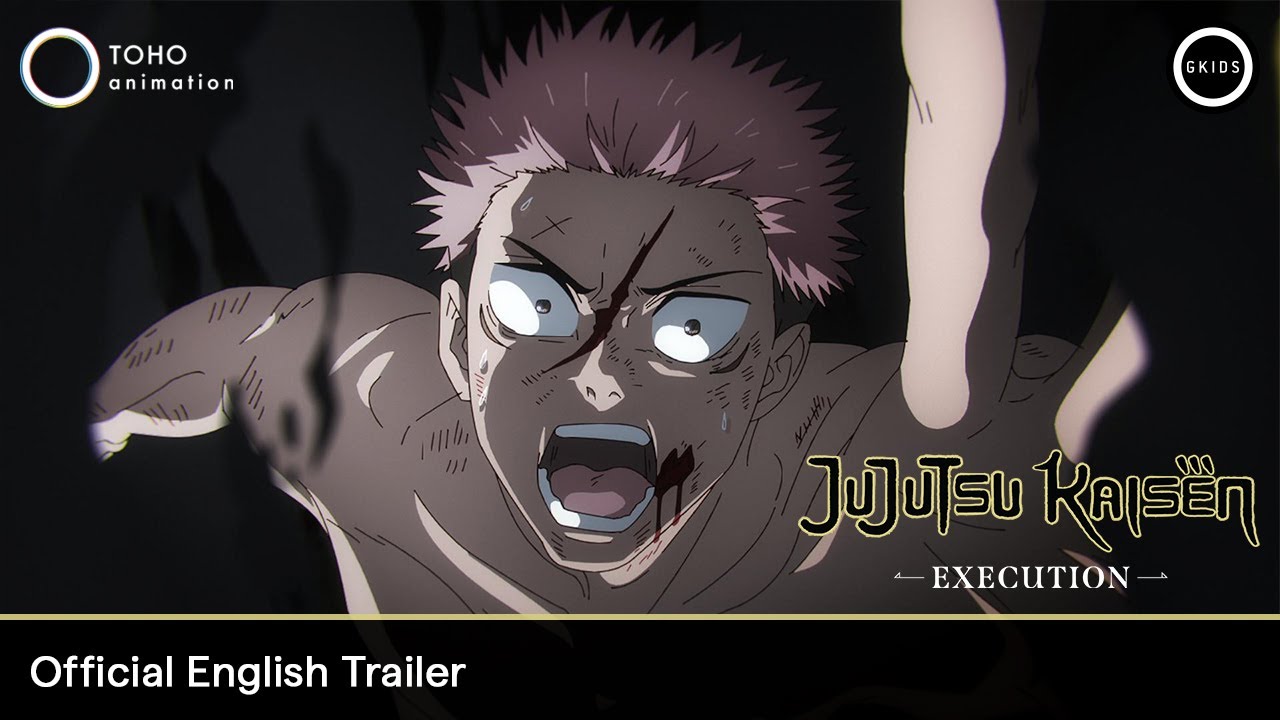
When Jujutsu Kaisen: Execution premiered on November 7, 2025, it arrived at a peculiar moment for anime cinema. The franchise was already a cultural phenomenon, but this film—clocking in at just 1 hour and 28 minutes—felt deliberately lean, almost defiant in its brevity.
Director Shota Goshozono seemed to understand something crucial: sometimes the most powerful storytelling doesn’t require epic runtime or bloated spectacle. It requires precision, and that’s exactly what this project delivers.
The film’s journey through the box office tells an interesting story about where anime films stand in the global marketplace. With an unknown budget working against a worldwide gross of $44.6 million, Execution proved that the Jujutsu Kaisen brand still has legs, even as critical reception remained decidedly mixed at 5.6 out of 10. That disconnect between audience investment and critical enthusiasm is worth examining, because it speaks to something deeper about how we evaluate anime adaptations.
The real question isn’t whether critics loved it—it’s why audiences kept showing up despite the skepticism.
What Goshozono brought to this project was a filmmaker unafraid to strip away excess. Consider what he was working with: the voice performances of Junya Enoki, Megumi Ogata, and Koji Yusa anchored the narrative, but the director’s commitment to economical storytelling meant every scene had to earn its place. There’s no filler here, which becomes either a strength or a weakness depending on your tolerance for density.
The creative collaboration between MAPPA’s animation expertise, TOHO’s distribution muscle, and Shueisha’s source material stewardship created a production infrastructure built for success. Yet Execution distinguishes itself through what feels like intentional restraint.
Here’s what made this approach matter:
- Stripped-down narrative focus that eschews subplot bloat
- Character work prioritized over action spectacle—a risky choice for this franchise
- Lean runtime forcing every scene to justify its existence
- Voice direction that emphasized emotional authenticity over performative grandeur
The box office performance deserves unpacking. International markets, particularly Japan and South Korea, drove the revenue engine. Japan alone contributed nearly $12 million from its opening, while Korea brought in roughly $2.5 million.
Meanwhile, North American previews generated over $1.6 million—respectable, but hardly the blockbuster ceiling we might expect from a franchise this massive. That geographical split matters because it suggests Execution remained primarily a film for the faithful rather than a gateway experience for newcomers.
Yet that limitation might be its most interesting feature. The film didn’t chase mainstream crossover appeal. Instead, it seemed content to deepen existing relationships with devoted audiences. This is where the 5.6 critical rating becomes contextual rather than damning.
Professional critics, tasked with evaluating Execution as cinema rather than as a fan service product, frequently found the balance between technical achievement and narrative substance uneven. And they weren’t entirely wrong—the film does ask its audience to already care deeply about these characters.
The voice acting choices reveal how Goshozono prioritized intimacy over bombast. Enoki, Ogata, and Yusa weren’t asked to project maximum emotional intensity in every scene. Instead, they crafted performances built on restraint and suggestion, moments where silence carried as much weight as dialogue. This approach polarized viewers: some experienced it as sophisticated character work, others as underwritten flatness.
The cultural footprint of Execution extends beyond its box office numbers. The film entered an anime cinema landscape saturated with franchise sequels and compilation projects, where the distinction between “real” films and “extended episodes” blurs considerably.
Consider what this project represents within the broader jujutsu kaisen ecosystem—not a climactic conclusion, but a focused examination of specific narrative tensions during the Shibuya arc and beyond.
Here’s what defines the film’s lasting significance:
- It validated the compilation film format as a legitimate storytelling approach rather than pure cash grab
- It demonstrated that anime audiences accept critical indifference as long as emotional stakes feel authentic
- It proved short runtimes in anime cinema don’t necessarily feel rushed when executed with purpose
- It established Goshozono as a director capable of restraint in an industry often defined by excess
The film’s influence on subsequent anime projects seems subtle but real. Production committees started questioning whether every adaptation needed theatrical bloat. Runtime became a creative choice rather than a default extension. Voice directors across the industry observed how Execution‘s performances functioned through subtlety rather than projection.
Looking back now, Jujutsu Kaisen: Execution occupies an odd space in anime cinema history. It wasn’t universally beloved. It didn’t shatter records or launch careers. But it proved something worth remembering: sometimes the most interesting creative decisions are the ones that resist the default approach.
The film’s brevity wasn’t limitation—it was philosophy. Its willingness to trust audiences with emotional complexity rather than constant action momentum represented a different kind of ambition than we typically see in franchise cinema.
The divergence between box office success and critical reception eventually stopped mattering because the film simply existed as a document of what anime cinema could be when a director refused to apologize for his restraint.
That’s not nothing. In a medium often defined by maximalism, that quiet insistence on precision reads as genuinely radical, even if the movie never quite achieved the execution to fully justify its ambition.


![Tickets On Sale Now in North America [Subtitled]](https://img.youtube.com/vi/C7P9ueuQ6FU/maxresdefault.jpg)
![New Trailer [Subtitled]](https://img.youtube.com/vi/ZZoU154ooOE/maxresdefault.jpg)

![Trailer Cut [Subtitled]](https://img.youtube.com/vi/6j_jMy4F37I/maxresdefault.jpg)
![Official Teaser [Subtitled]](https://img.youtube.com/vi/fYLIydmO6ow/maxresdefault.jpg)
![Official Trailer [Subtitled]](https://img.youtube.com/vi/Vo7G5Y212Gg/maxresdefault.jpg)