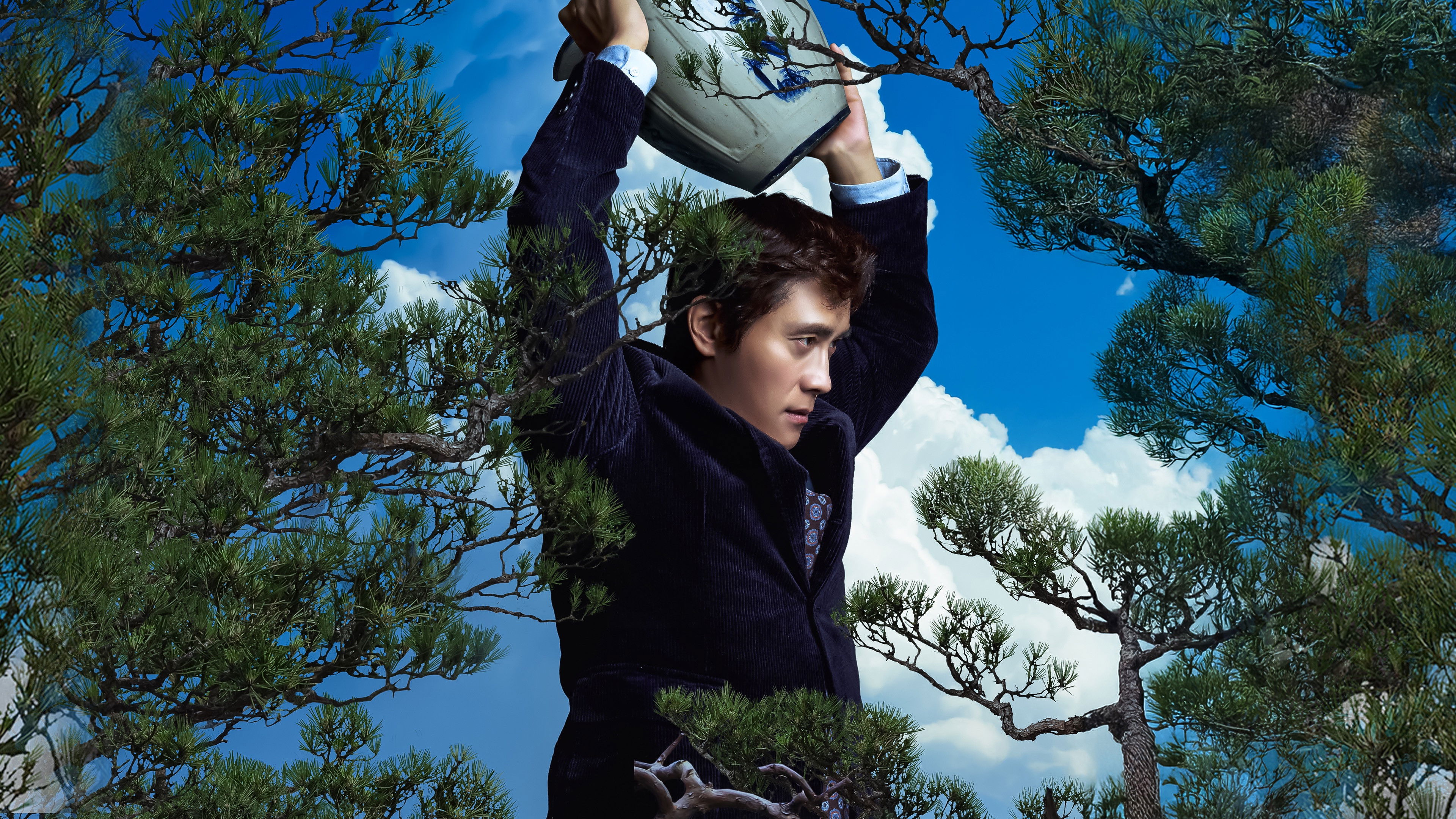
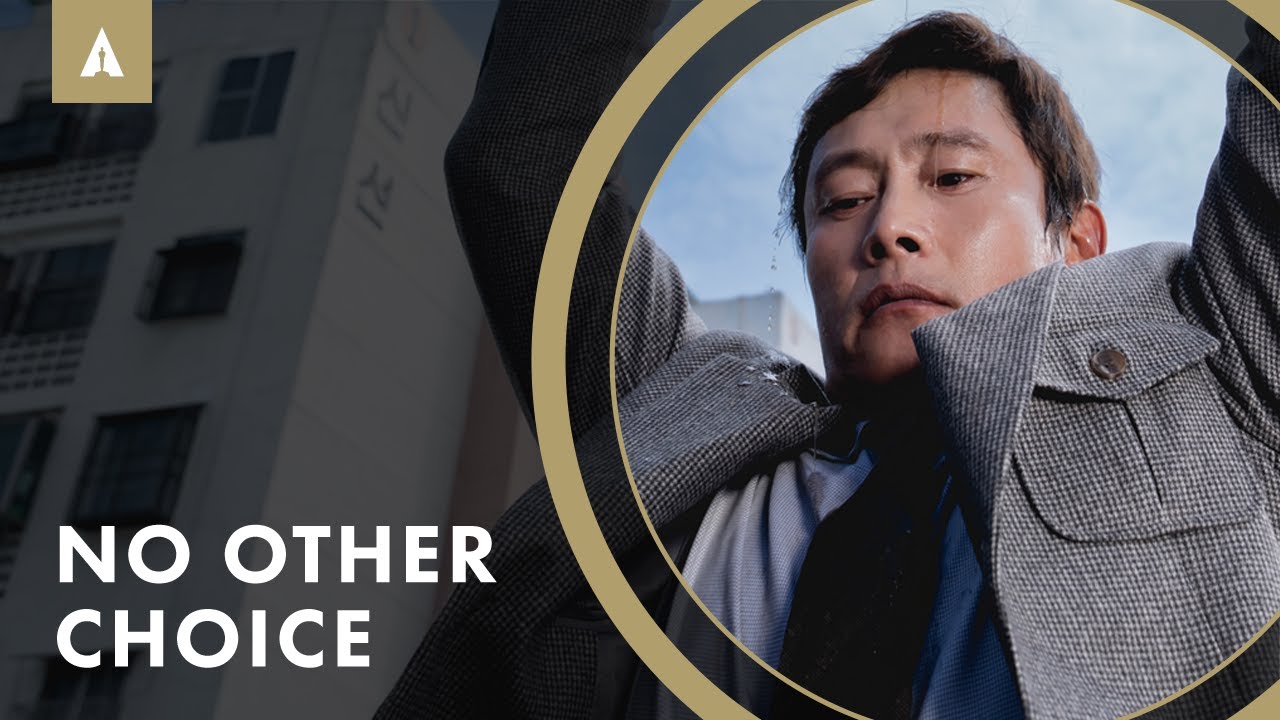
When Park Chan-wook released No Other Choice in September 2025, he didn’t just deliver another thriller—he reminded audiences why this visionary filmmaker remains one of cinema’s most essential voices.
Coming off the back of a Venice Film Festival premiere that turned heads in late August, the film went on to become a genuine phenomenon, ultimately grossing $30.098 million worldwide against a $12.2 million budget. That kind of return matters because it signals something rare: a smart, challenging crime thriller that managed to connect with mainstream audiences without sacrificing artistic integrity.
What makes No Other Choice particularly significant is how it sits at the intersection of Park’s signature style and genuine crowd-pleasing entertainment. The director has always been a master of tonal complexity—blending genres, subverting expectations, and finding dark humor in morally ambiguous situations. This film, clocking in at a lean 2 hours and 19 minutes, distills those sensibilities into something more accessible than his previous work, yet equally provocative.
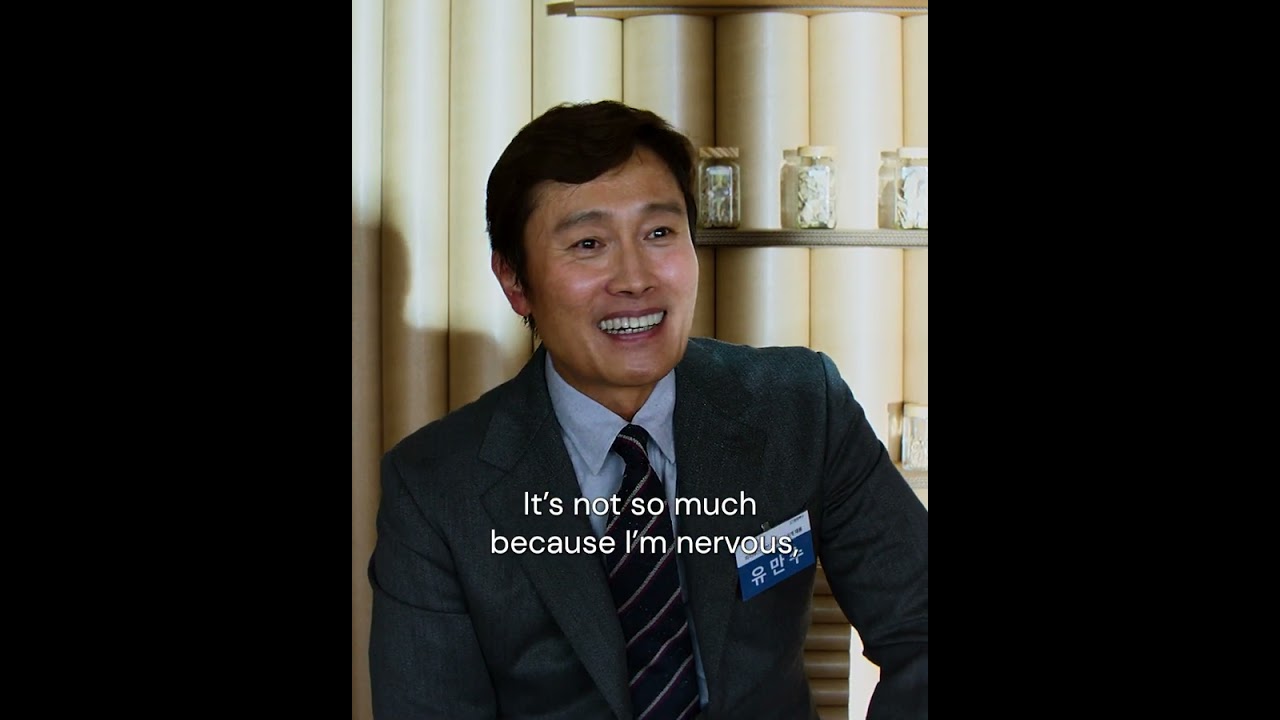
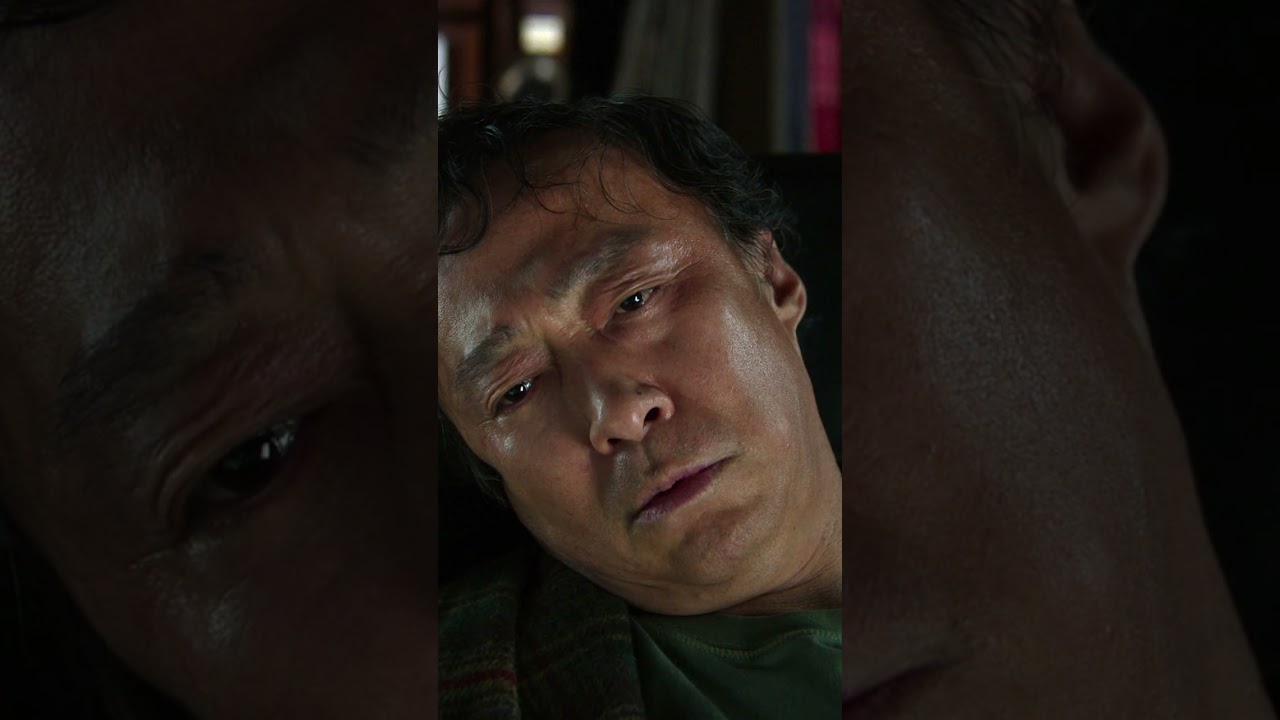
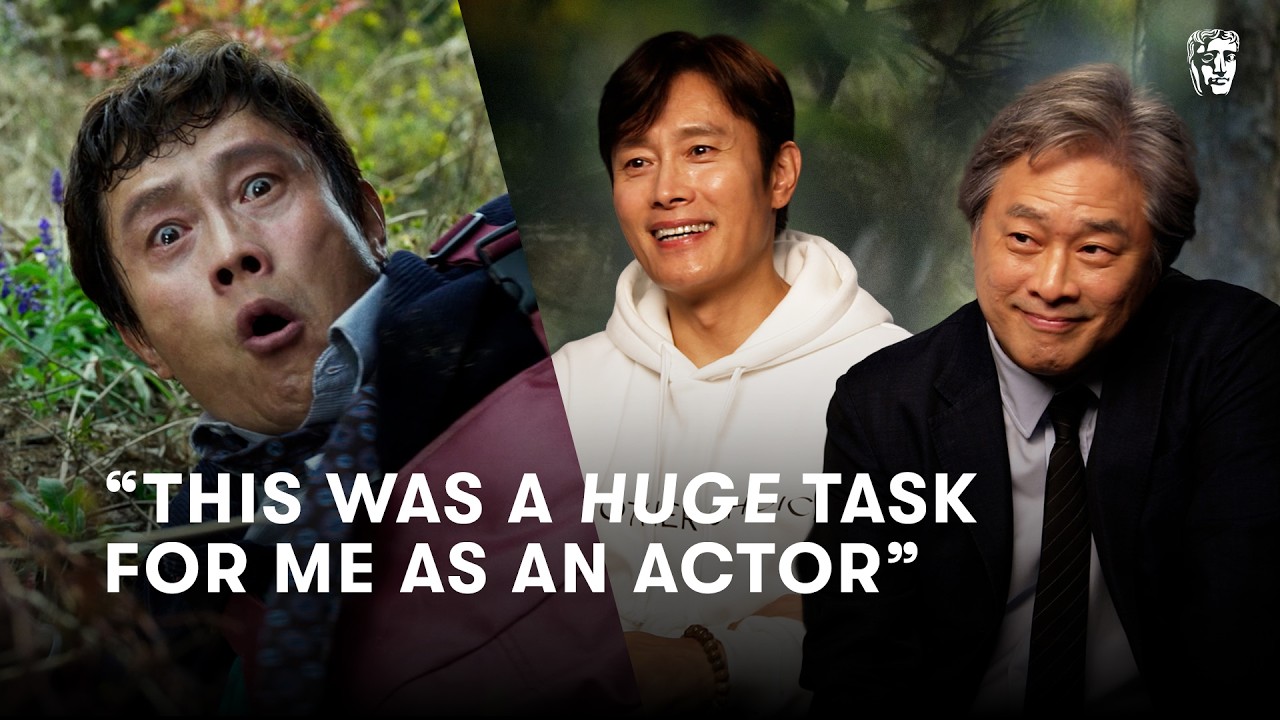
The casting of Lee Byung-hun, Son Ye-jin, and Park Hee-soon proved to be the film’s secret weapon. Here’s what each actor brought to the table:
- Lee Byung-hun’s ability to inhabit morally compromised characters with genuine charisma
- Son Ye-jin’s natural screen presence and capacity for nuance in complex dramatic moments
- Park Hee-soon’s reputation for bringing authenticity to crime-genre material
These aren’t just recognizable faces; they’re actors who understand the tonal balancing act that Park demands. The chemistry between them crackles precisely because they’re all operating on the same wavelength—committed to the material’s darker impulses while never losing sight of the darkly comedic undertones.
The 7.8/10 rating from 490 votes reflects something important: this isn’t a film trying to please everyone. It’s a film that knew exactly what it wanted to be, and audiences responded to that clarity of vision.
At the Venice Film Festival, critics immediately recognized what Park had accomplished. In a landscape increasingly dominated by franchise content and algorithmic filmmaking, here was a $12.2 million crime thriller that dared to be genuinely unpredictable. The Venice premiere wasn’t just ceremonial—it positioned the film as legitimate Awards season contender, even as it was simultaneously breaking box office records for Park as a filmmaker.
The film’s commercial success deserves a moment of reflection. In the global box office landscape, a South Korean thriller earning $30 million—particularly when it topped specialty Christmas releases and positioned itself as a genuine contender for year-end rankings—represented a significant moment for non-English language cinema. This wasn’t a massive studio franchise; it was a filmmaker with a distinct artistic vision finding an international audience. That trajectory matters when we’re discussing cinema’s future.
What Park brought to this project was his characteristic refusal to be categorized. The film operates simultaneously as:
- A tightly plotted crime thriller that keeps you engaged throughout its 139-minute runtime
- A dark comedy that finds absurdity in seemingly serious situations
- A character study examining choices, consequences, and moral compromise
- A commentary on systems, power, and the illusion of agency
This multiplicity is why the film resonated beyond its immediate cultural context. While made by South Korean studios (CJ ENM Studios, Moho Film, and KG Productions), it tapped into something universal about human desperation and the stories we tell ourselves when our backs are against the wall.
The title itself—No Other Choice—operates as both a literal plot point and a thematic anchor. Park seems deeply interested in examining how characters rationalize their decisions, how circumstances can push ordinary people toward extraordinary actions, and whether “no other choice” is ever truly the case. These are philosophical questions wrapped in the packaging of a genre film, which is precisely Park’s greatest strength as a filmmaker.
What lingers after No Other Choice ends is the uncomfortable recognition that most of us believe we’re justified in our compromises—that we, too, had no other choice.
Looking at the film’s legacy, it stands as a crucial marker for where global cinema was heading in 2025. It proved that audiences still hunger for intelligent, adult-oriented thrillers made with genuine craft and vision. In an era where so much capital flows toward established properties and safe bets, Park Chan-wook’s film was a reminder that novelty, personality, and artistic ambition could still find massive audiences. That’s not just a box office story—that’s a cultural statement about what audiences actually want when given compelling alternatives.
The collaboration between Park, his cast, and the production companies involved created something that transcends its individual elements. This is filmmaking as a conversation between artistic vision and audience intelligence, and No Other Choice represents one of 2025’s most vital examples of that dialogue working perfectly.


![How far would you go to provide for your family? [Subtitled]](https://img.youtube.com/vi/ZrxQAW48b7o/maxresdefault.jpg)
![:13s Tickets Op2 [Subtitled]](https://img.youtube.com/vi/Dc_idUuTltY/maxresdefault.jpg)
![Official Trailer [Subtitled]](https://img.youtube.com/vi/SK_DEabMNVg/maxresdefault.jpg)
![Official Teaser Trailer [Subtitled]](https://img.youtube.com/vi/8U77zLDDdjc/maxresdefault.jpg)