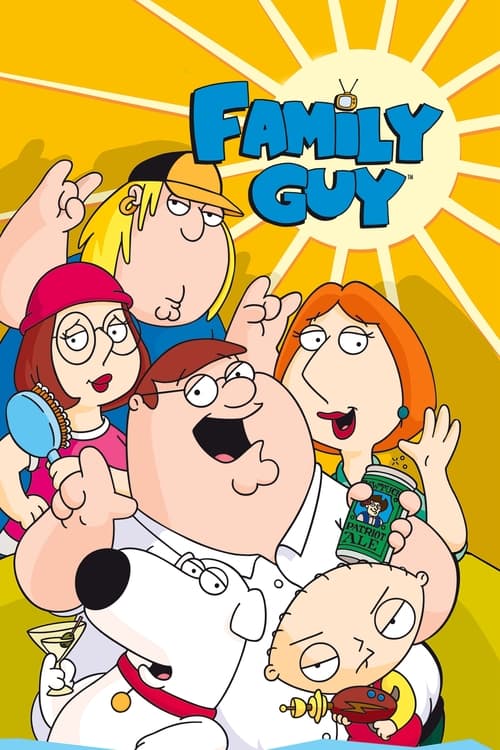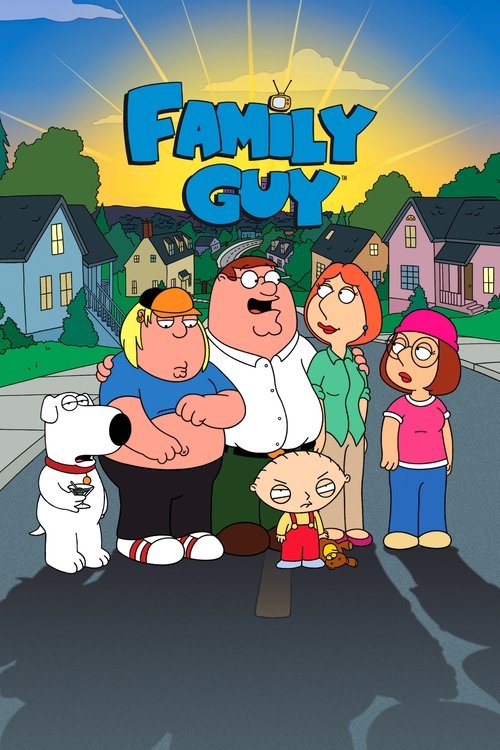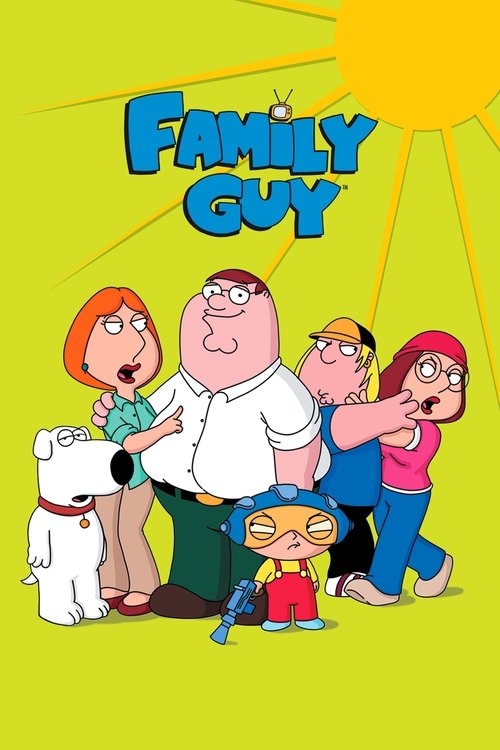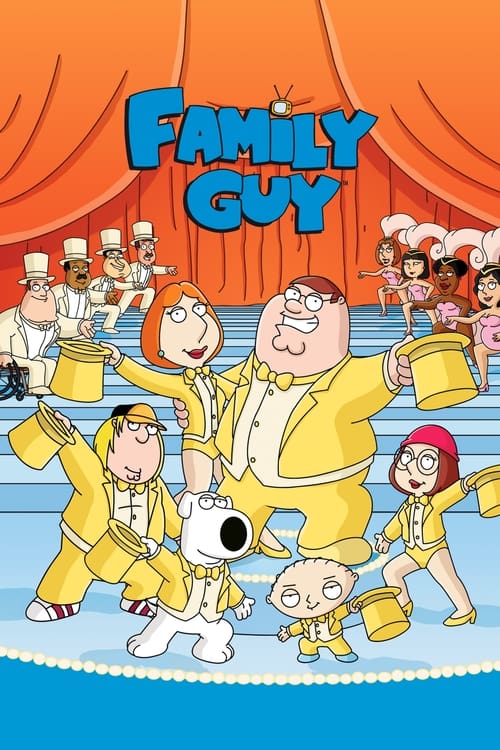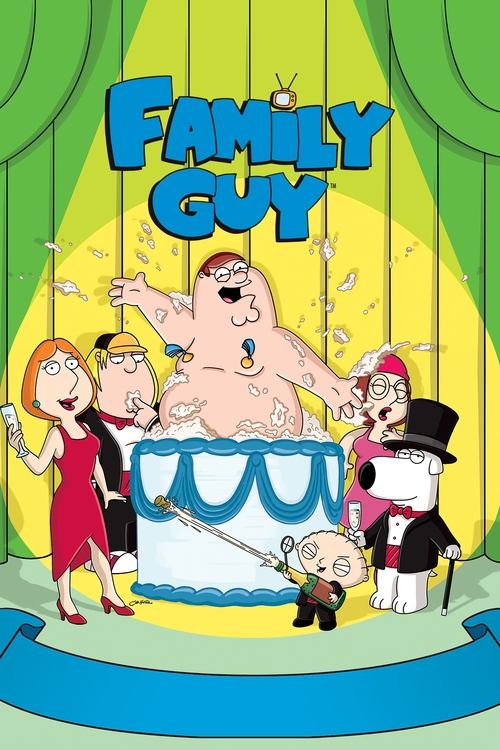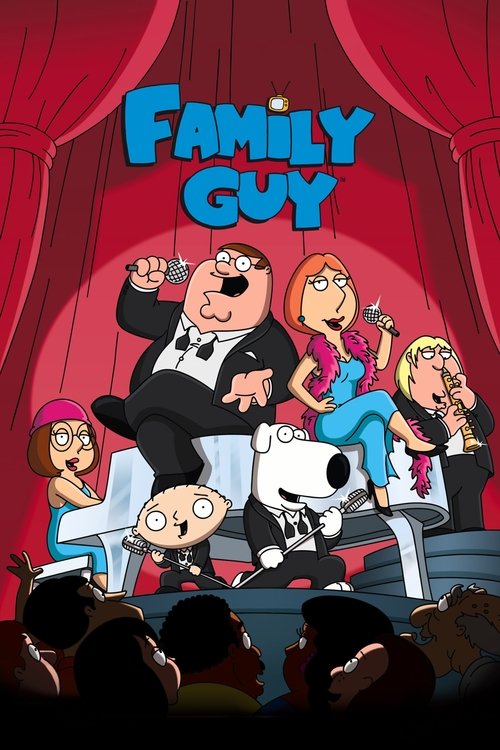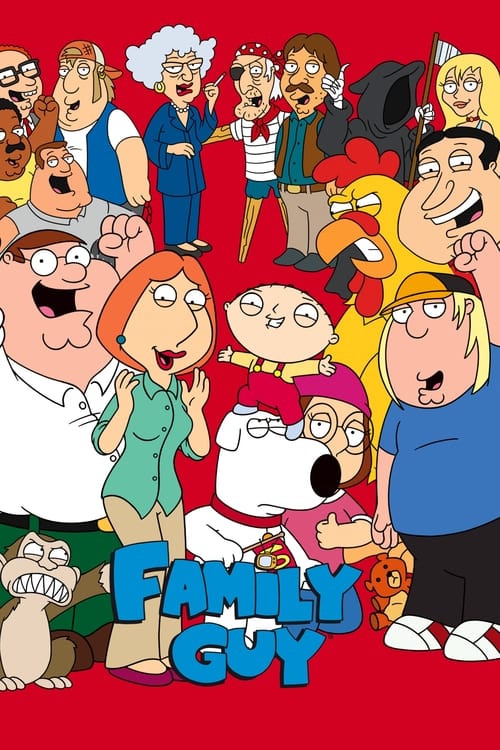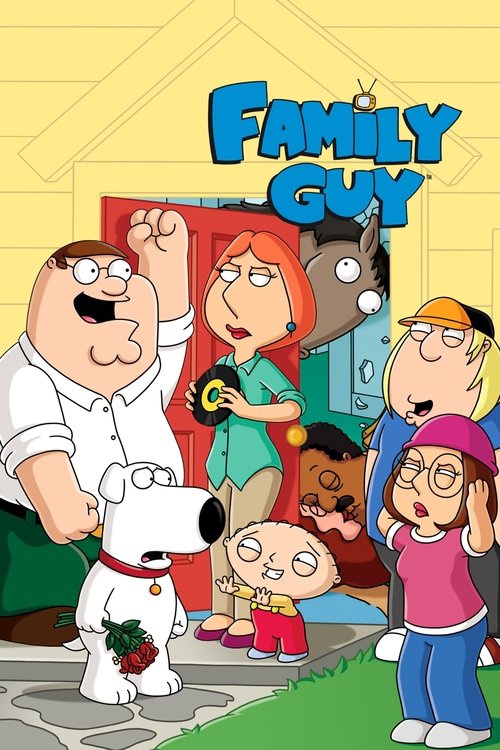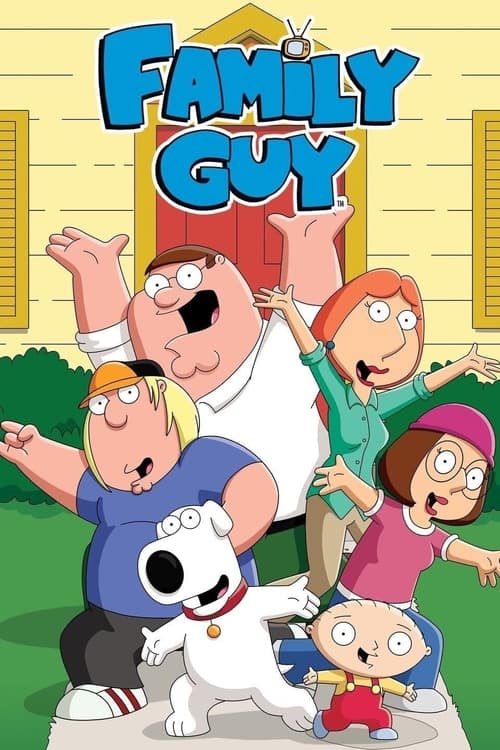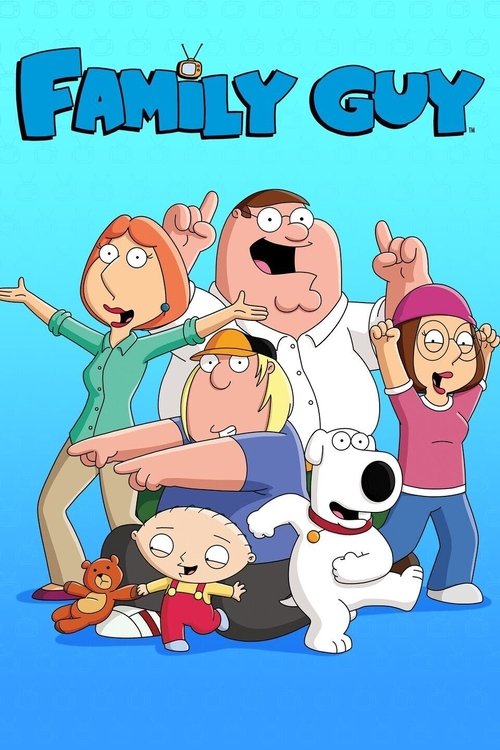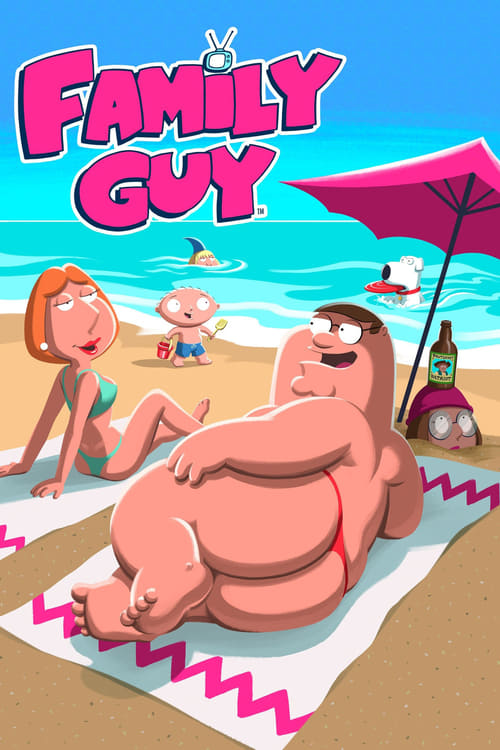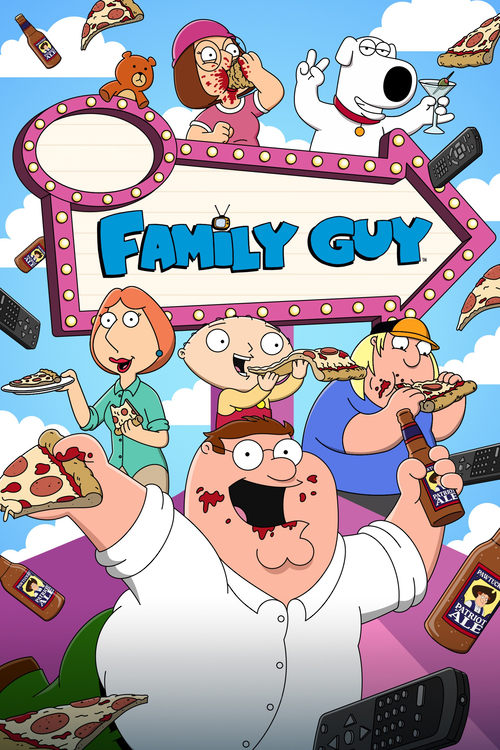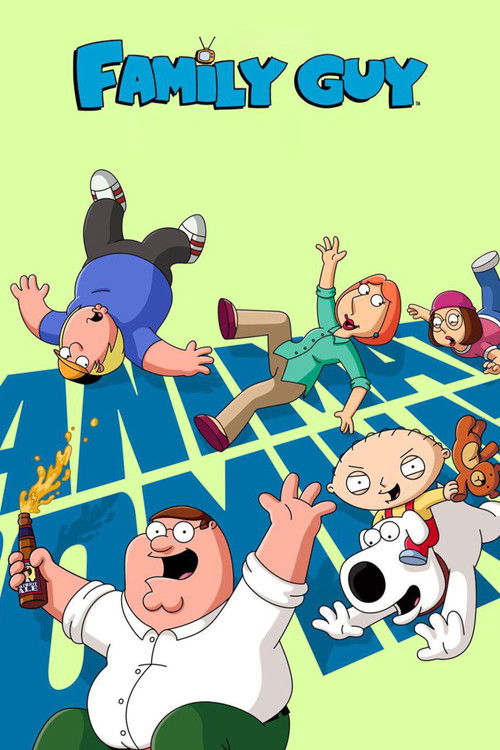
When Family Guy premiered on January 31, 1999, few could have predicted it would become one of the most enduring animated comedies in television history. Seth MacFarlane created something that felt genuinely different—a show willing to throw conventional sitcom structure out the window in favor of rapid-fire jokes, absurdist humor, and characters that existed in a space between satirical and genuinely heartfelt. What started as a modest FOX entry has evolved into a cultural institution that’s now spawned 24 seasons and 444 episodes, proving that audiences were hungry for animated comedy that didn’t talk down to them.
The early episodes immediately signaled that this wasn’t going to be another The Simpsons clone. The pilot, “Death Has a Shadow,” aired to an impressive 12.6 rating—a strong start that reflected network confidence in MacFarlane’s vision. The show’s structure was deceptively simple: follow the Griffin family through scenarios that would escalate into complete chaos, with Peter as the well-meaning but impossibly dim patriarch driving most of the mayhem. But the genius was in the execution. Within the tight 22-minute runtime, MacFarlane and his writing staff managed to pack genuine character moments alongside cutaway gags that became the show’s signature.
Here’s what made the format work so brilliantly:
- The cutaway gag structure allowed for unlimited creative territory—jokes could exist in any time period, location, or reality
- The 22-minute format forced tight writing and rapid pacing that matched the show’s comedy style perfectly
- Character voices performed by MacFarlane himself gave the show a consistent comedic sensibility throughout
- The suburban setting provided a familiar backdrop that grounded the increasingly absurd plotlines
What’s fascinating is how Family Guy evolved alongside its audience. The show’s rating of 7.4/10 across its entire run might seem modest on the surface, but that number obscures a more complex reality. The early seasons commanded massive viewership numbers—Season 1 pulled in 3,832.3 rating points—but as television fragmented and viewing habits changed, the show’s audience shifted rather than disappeared. It found a new life through streaming platforms like Hulu, fuboTV, YouTube TV, and Adult Swim, proving that quality comedy has lasting appeal beyond traditional broadcast metrics.
The show’s willingness to take risks with its format and content created a template that influenced countless animated comedies that followed. It proved that animation wasn’t just for kids, and that Comedy could exist in animation without relying on heartwarming lessons or sentimental endings.
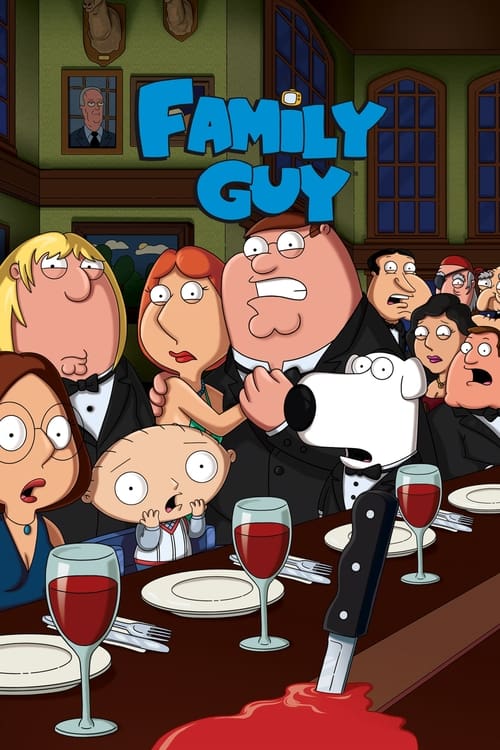
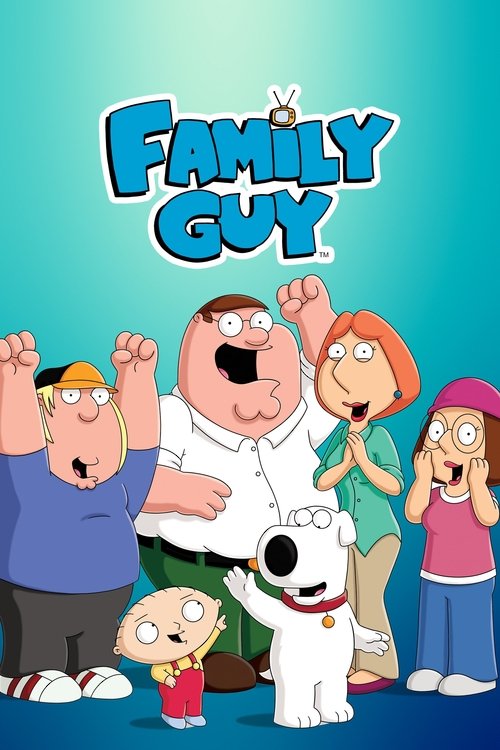
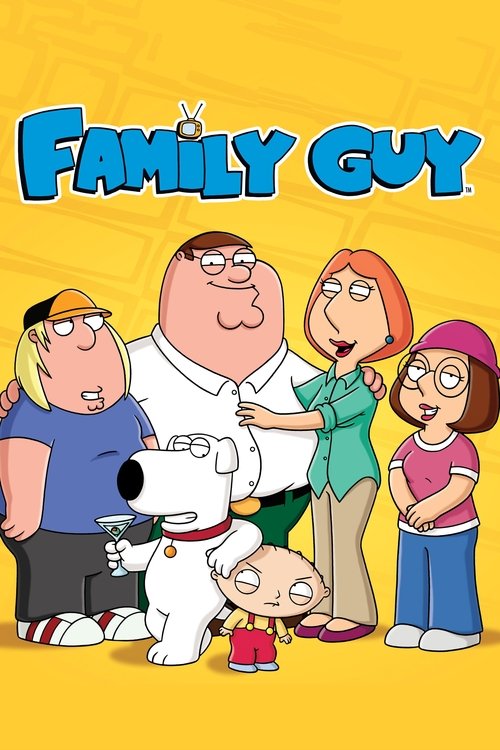
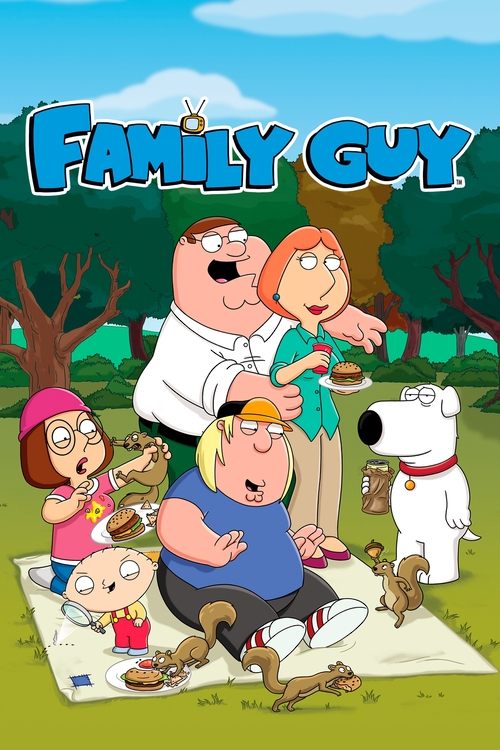
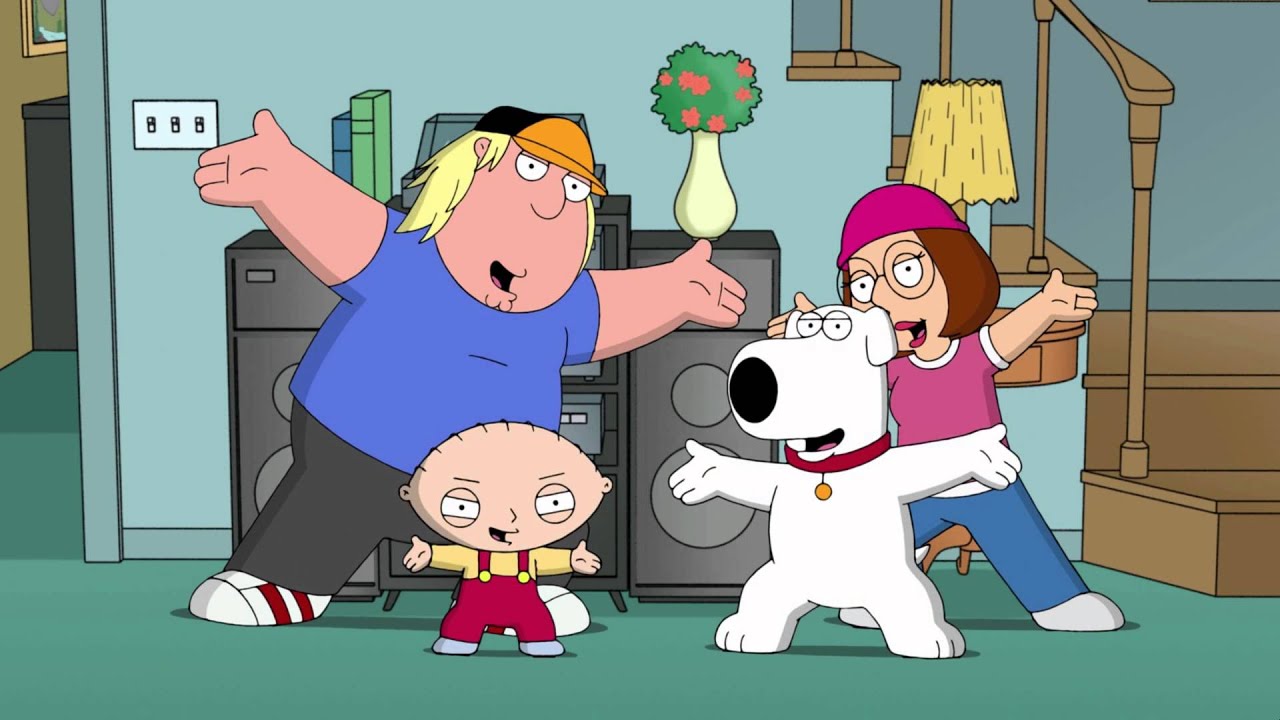
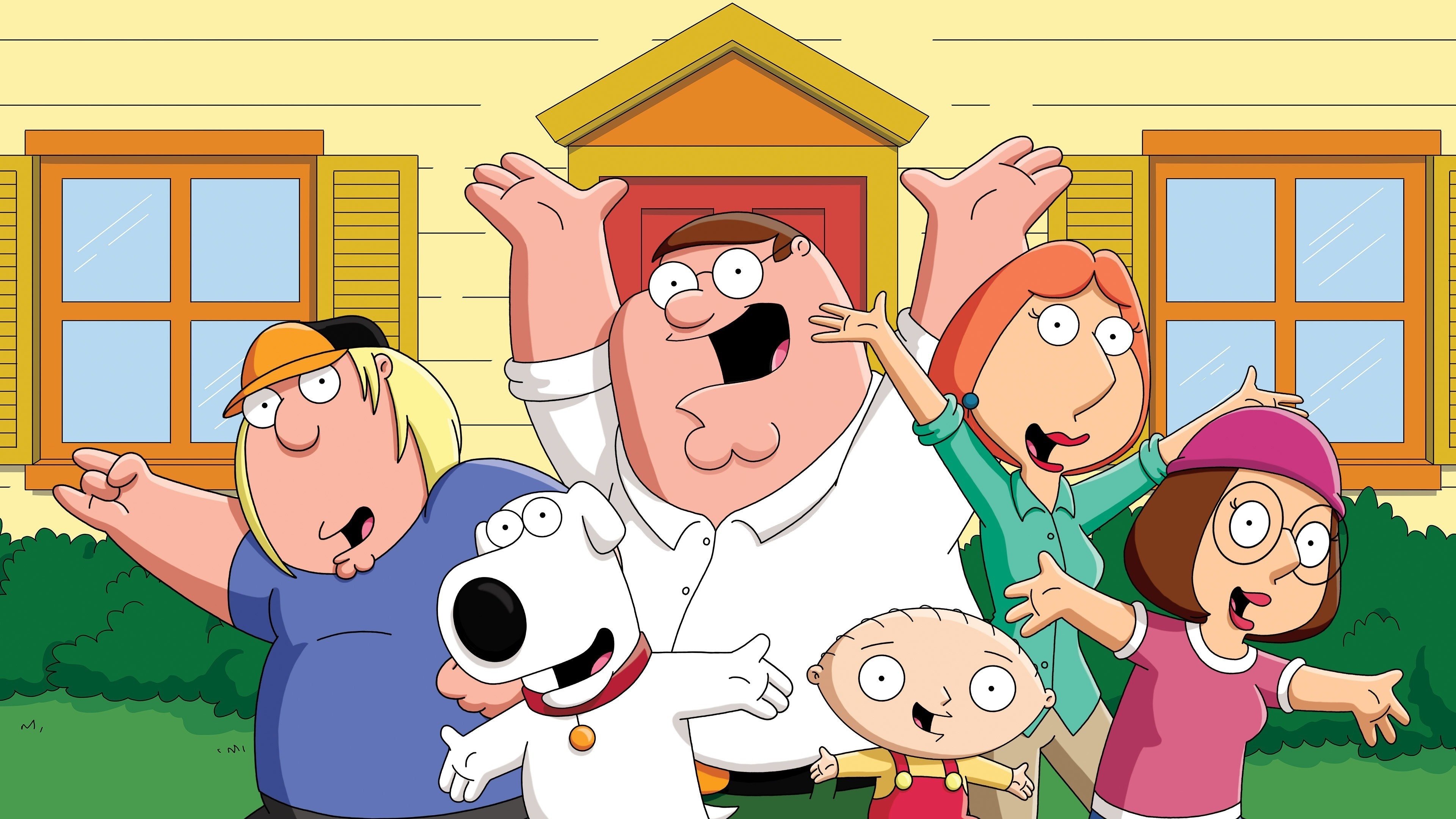
The cultural impact of Family Guy deserves serious consideration. This show sparked genuine conversations about the boundaries of comedy—not all of them positive, but significant nonetheless. Episodes like “Death Has a Shadow” introduced audiences to a family that felt real in its dysfunction while being completely absurd in its execution. Peter Griffin became an archetype of well-intentioned stupidity that permeated pop culture. Stewie, his infant son with a perpetual homicidal streak and British accent, offered satirical commentary on the “innocent baby” trope. Even supporting characters like Lois, Chris, and Brian developed their own fan followings and character arcs that evolved meaningfully across seasons.
The show’s influence on television animation cannot be overstated. It demonstrated that animated series could sustain narrative complexity, character development, and sophisticated humor over many seasons. It paved the way for shows that took similar risks with content and format, even if they didn’t directly copy MacFarlane’s approach. The animated comedy landscape of the 2000s and beyond would look completely different without Family Guy’s success in proving that adults would tune into animated comedies week after week.
MacFarlane’s creative vision centered on giving himself creative freedom within the sitcom format. Rather than accepting the constraints of a traditional 22-minute structure, he weaponized it—using the brevity to his advantage, fitting more jokes, more absurdity, and more satirical commentary into each episode than seemed physically possible. The show rarely lingered on emotional beats when a cutaway joke could land harder, yet it never completely abandoned heart. Brian the dog, in particular, evolved from a one-note character into something far more complex—a vehicle for MacFarlane’s own observations about ambition, failure, and the human (or canine) condition.
Key elements that sustained the show’s 25-year run include:
- Consistent voice work that gave every character a distinctive personality
- Willingness to evolve character relationships while maintaining core dynamics
- Satirical bite that commented on contemporary culture without becoming preachy
- Visual comedy that pushed animation boundaries with increasingly elaborate gags
Looking at Family Guy’s status as a Returning Series after 24 seasons, it’s clear the show has found its rhythm. It may not command the ratings or cultural dominance of its early years, but it exists now in a different context—available across multiple platforms, rewatched endlessly by fans, referenced constantly in pop culture discussions. The show’s longevity speaks to something genuine in MacFarlane’s original conception: audiences connected with these characters, this world, and this particular brand of humor in a way that sustained them across decades.
The current landscape of animated comedy owes Family Guy an enormous debt. This was the show that proved you could build an entire series around the kinds of jokes that would have been considered too risky for television, yet do so with enough craft and consistency that networks would keep you on the air for a quarter century. Whether you find the humor brilliant or exhausting probably depends on your tolerance for absurdism, but there’s no denying the show’s significance in reshaping what animated comedy could be on American television.